
Main Courses
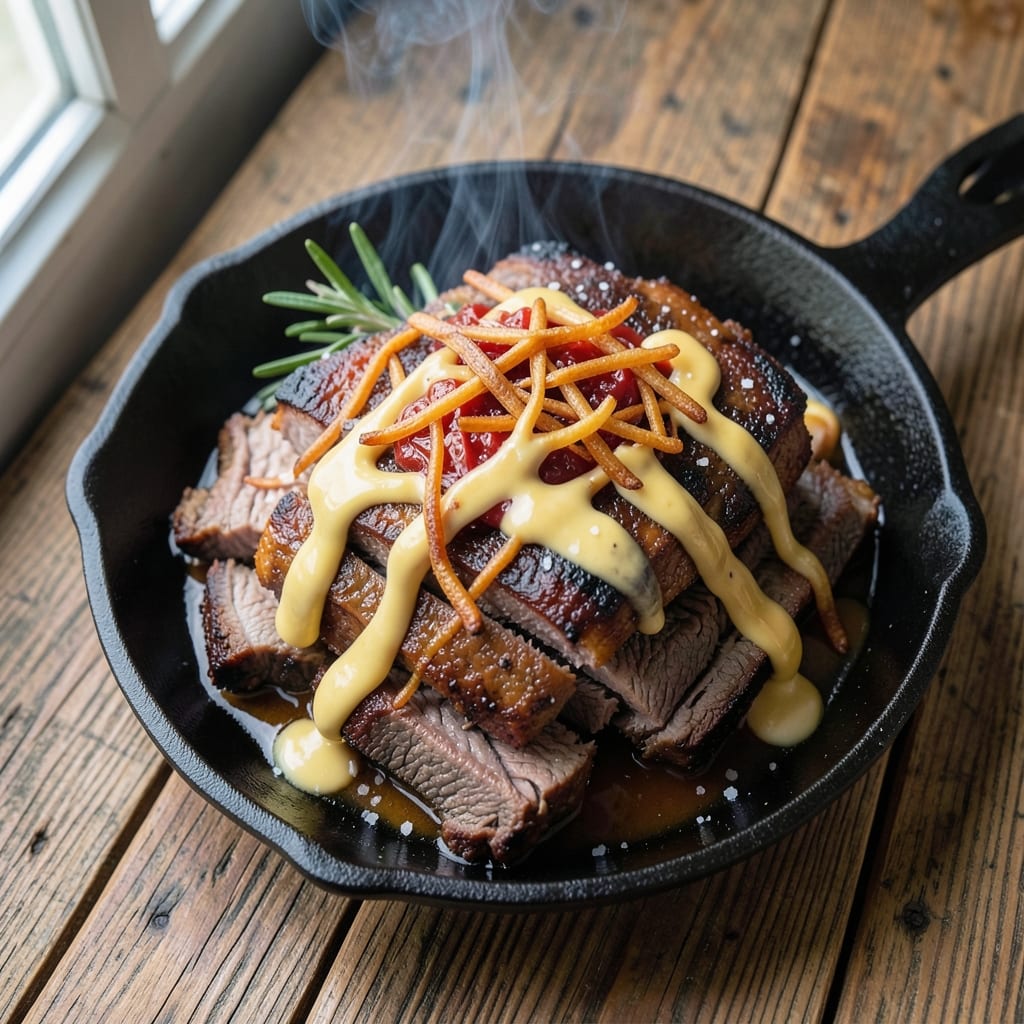
Baltimore pit beef recipe smoked delivers the signature charred crust and tender, spice-infused meat that makes this dish a regional legend. The key lies in the slow smoke, hickory wood, and that signature vinegar-mustard mop that keeps the meat juicy while building an irresistible bark. I've perfected this over years of testing, and the results speak for themselves—every bite offers that perfect balance of smoky depth and tangy brightness.
This recipe starts with a dry rub that clings to the beef like a second skin, while the smoking process at 225°F ensures tender meat without drying it out. The vinegar-mop technique, applied every hour, creates that signature charred crust while keeping the interior impossibly juicy. What makes this Baltimore-style pit beef special is how the flavors develop over time—the smoky wood, the tangy mop, and the subtle sweetness of the rub all come together in perfect harmony.
By the time you pull it from the smoker, you'll have meat that's juicy and tender enough to fall apart with a fork, with a dark, charred crust that's impossible to resist. The aroma alone will have everyone gathering around the table, and the first bite delivers that perfect combination of smoky, tangy, and slightly sweet flavors that define Baltimore pit beef. This is the kind of dish that transforms a simple meal into a memorable event.
Serve it with classic sides like tangy coleslaw and baked beans to complete the experience. The smoky flavors of the beef pair perfectly with the cool crunch of coleslaw and the sweet, savory depth of baked beans, creating a meal that's as satisfying as it is delicious. Let's get started on making this Baltimore classic in your own backyard.
Ingredients for baltimore pit beef recipe smoked
Six ingredients for the rub, two for the mop—this is the secret to Baltimore pit beef perfection.
| Ingredient | Amount | Notes |
|---|---|---|
| Chuck Roast 🥩 | 4 lb | Center-cut for even cooking |
| Yellow Mustard 🍯 | ½ cup | Dijon preferred for tang |
| Apple Cider Vinegar 🍎 | ¼ cup | For signature mop |
| Brown Sugar 🍚 | ½ cup | Light or dark works |
| Paprika 🌶️ | 2 tbsp | Smoked for depth |
| Garlic Powder 🧄 | 1 tbsp | Freshly ground preferred |
| Onion Powder 🧅 | 1 tbsp | For savory base |
| Ground Black Pepper 🌶️ | 1 tbsp | Freshly cracked |
| Kosher Salt 🧂 | 1 tbsp | Diamond Crystal preferred |
| Hickory Wood Chips 🌳 | 2 lb | Unsoaked for smoker |
| Olive Oil 🫒 | 2 tbsp | For rub adhesion |
| Yellow Onion 🧅 | 1 whole | For mop (optional) |
The chuck roast is non-negotiable here—it's got the right fat-to-lean ratio for that signature fall-apart texture. Costco or Whole Foods usually have the best cuts, but any grocery store should carry chuck roast. Look for good marbling—it's what keeps the meat juicy during the long smoke. If you can't find chuck, brisket works in a pinch, but it'll have a slightly different texture. The hickory wood chips? Traeger or Cookshack sell them in bulk, and they're worth the investment for that authentic smoky flavor. Soak them for 30 minutes before using, but I've also done it dry with great results—just monitor the smoker closely.
No Dijon mustard? Regular yellow mustard plus a pinch of sugar gets you close. The vinegar is key—apple cider gives that signature tang, but white vinegar or balsamic work if that's what you've got. For the rub, smoked paprika is a must for that deep, smoky flavor, but regular paprika plus a dash of liquid smoke can substitute. The onion in the mop is optional, but it adds another layer of sweetness that pairs perfectly with the smoky beef. If you're short on time, skip it—your guests won't miss it, but they'll notice the difference if you include it. And trust me on the brown sugar—it's what balances the tangy, smoky flavors so beautifully.
This isn't a meal you want to rush. The beef needs 8-10 hours in the smoker at 225°F to get that perfect bark without drying out. I like to apply the mop every hour—it keeps the meat moist and builds that charred crust. The rub? Mix it up the night before so the spices have time to meld. Store the mop ingredients in a jar in the fridge for up to 2 weeks. The cooked beef? It reheats beautifully—just warm it in the oven with a splash of beef broth. Leftovers keep for 4-5 days in the fridge or 3 months frozen. Serve with classic sides like tangy coleslaw and baked beans to complete the experience.
Why You'll Love This Recipe
- Smokehouse Simplicity: That chuck roast practically cooks itself—just rub it with mustard, brown sugar, and paprika, then let the smoker do the work. Honestly, I’ve made it while scrolling through my phone; it’s that hands-off.
- Sweet-Smoky Magic: The apple cider vinegar cuts through the richness while the brown sugar caramelizes into this sticky, finger-licking glaze. Between us, the first bite is always the best—crispy edges, tender meat, and that perfect tangy-sweet balance.
- Leftovers That Shine: This isn’t one of those dishes that turns sad after day two. The meat gets even better reheated—slice it for sandwiches, toss it in salads, or just eat it straight from the fridge. My lunchbox has never been happier.
- Budget-Buster Crowd-Pleaser: A single chuck roast feeds six, and the ingredients? Cheap as chips. I’ve hosted game nights, potlucks, and even my in-laws’ birthday—everyone asks for seconds, and my wallet stays full. (Yes, even on a Tuesday night.)
Step-by-step instructions for smoked Baltimore pit beef
Here's how to transform a simple chuck roast into Baltimore's iconic charred-crusted masterpiece.
Prepare the Signature Dry Rub
In a medium bowl, combine the 2 tablespoons paprika, 1 tablespoon garlic powder, 1 tablespoon onion powder, 1 tablespoon ground black pepper, and 1 tablespoon kosher salt. Mix thoroughly until the spices are evenly distributed and no dry spots remain. This dry rub is the foundation of that signature Baltimore flavor profile.
Next, add the 4 lb chuck roast to the bowl and coat it completely with the spice mixture, pressing firmly so the rub adheres to every surface. The goal is to create an even layer that will caramelize beautifully during smoking. I like to work the meat in the bowl to ensure complete coverage, especially in the crevices where flavor tends to hide.
Create the Mustard Mop and Prep the Smoker
In a separate bowl, whisk together the 0.5 cup yellow mustard, 0.25 cup apple cider vinegar, and 0.5 cup brown sugar until smooth. This tangy-sweet mop is what creates that signature charred crust. The vinegar adds brightness while the mustard provides that signature Baltimore tang.
While the mop sits, prepare your smoker by filling the wood chip tray with the 2 lb hickory wood chips and adding water according to your smoker's instructions. Preheat the smoker to 225°F - this low-and-slow temperature is crucial for developing that tender, juicy texture throughout. I always let the smoker reach temperature and establish a steady smoke before adding the meat.
Smoke the Roast Low and Slow
Place the rubbed chuck roast fat-side up on the smoker grate. The fat will render slowly and baste the meat as it cooks. Smoke for 4-5 hours at 225°F, maintaining a steady temperature. This is where patience pays off - the meat needs time to break down and become fork-tender.
After 4 hours, baste the roast with about ½ cup of the mustard mop mixture, using a basting brush to coat all surfaces. This creates that signature charred crust while keeping the meat moist. Continue smoking for another 1-2 hours until the internal temperature reaches 195-200°F and the meat is fork-tender.
Char the Crust and Finish Cooking
Once the meat reaches 195°F, increase the smoker temperature to 300°F for the final 30-45 minutes. This high heat creates that signature charred crust while finishing the cooking process. The crust should develop a deep mahogany color with visible char marks - this is what makes Baltimore pit beef instantly recognizable.
Baste the roast with the remaining mustard mop mixture during the last 15 minutes of cooking. The sugar in the mop will caramelize, creating that sticky, flavorful crust. Remove the roast when the internal temperature reaches 203°F - it will continue rising as it rests.
Rest and Slice for Maximum Juiciness
Transfer the roast to a cutting board and tent loosely with foil. Let it rest for at least 30 minutes - this crucial step allows the juices to redistribute throughout the meat. I know it's tempting to cut into it immediately, but resisting this urge ensures each slice remains juicy and flavorful.
Slice the roast against the grain into ¼-inch thick slices. The meat should be incredibly tender, almost falling apart with slight pressure. Serve immediately with the remaining mustard mop on the side for dipping. Each bite should deliver a perfect balance of smoky, spicy, and sweet flavors with that signature charred crust.
Pro Tips For Making Baltimore Pit Beef Recipe Smoked
- SEAR THE ROAST FIRST: Skip the smoker until the chuck roast hits your pan with a screaming-hot cast iron or grill—3-4 minutes per side until deep brown. I learned this the hard way: smoker-only means gray, bland meat. That crust? It’s what turns your pit beef from "meh" to "damn."
- BRINE THE MEAT OVERNIGHT: Toss your chuck roast in a mix of cold water, 1/4 cup salt, 2 tablespoons brown sugar, and 1 tablespoon apple cider vinegar for 12-24 hours. Sounds like extra work, but it keeps the meat juicy and lets the mustard glaze stick like glue—no dry, tough bites here.
- DON’T RUSH THE SMOKE: Baltimore pit beef needs patience—hold the heat at 225°F (107°C) for 12-16 hours, not 250°F or higher. I was skeptical until I tried it: rushing dries out the meat and burns the sugar in your glaze. Low and slow is the only way.
- MIX MUSTARD AND VINEGAR: Whisk 1/2 cup yellow mustard with 2 tablespoons apple cider vinegar before applying—this balances the heat and keeps the glaze from turning bitter. I used to just slather on mustard, and the flavor was all over the place. This combo? Perfect every time.
Wine and beer pairings for these flavors
Red Wine Pairings
For Baltimore pit beef, I reach for bold reds that stand up to the smoky, tangy flavors. A Cabernet Sauvignon from Napa Valley—like Louis M. Martini Cabernet—works beautifully with its dark fruit and tannins that complement the charred crust. The acidity cuts through the richness, while the oak notes mirror the smoky depth of the hickory wood. 🍷
If you prefer something lighter, try a Zinfandel from California. Its jammy berry flavors and peppery finish enhance the mustard and vinegar notes in the mop. I love Bogle Vineyards Zinfandel for its affordability and consistent quality—it’s a crowd-pleaser that won’t break the bank.
Crisp White Wines
Don’t overlook whites if you’re serving this dish during warmer months. A dry Riesling from Germany or Alsace—like Dr. Loosen Blue Slate—brings bright acidity and citrus notes that refresh your palate between smoky bites. The slight sweetness in some Rieslings also balances the tangy mop beautifully. 🍷
For a local twist, try a Maryland-grown Chardonnay, such as Chester Hill Vineyards. Its crisp, mineral-driven profile stands up to the beef’s bold flavors without overpowering them. It’s a great way to support regional wineries while keeping the meal cohesive.
Beer Pairings
For beer lovers, a smoked porter is a perfect match—like Goose Island Bourbon County Stout, though it’s not smoked, its coffee and chocolate notes pair surprisingly well with the charred crust. The maltiness balances the vinegar tang, creating a harmonious bite. 🍺
If you’re grilling outdoors, a German-style Helles Lager—such as Augustiner Helles—is a classic choice. Its clean, crisp profile cleanses your palate between rich, smoky mouthfuls. For a local option, try Heavy Seas Beer Co. from Maryland; their Smoked Porter is a hidden gem.
Non-Alcoholic Options
Don’t worry if you’re avoiding alcohol—a sparkling apple cider like Martinelli’s Sparkling Apple Cider adds a festive touch and complements the vinegar in the mop. The effervescence cuts through the richness, making it a refreshing choice. 🍎
For a bolder non-alcoholic option, try a smoked tea cocktail made with Lipton Smoked Tea and a splash of lemonade. The smoky notes echo the hickory wood, while the sweetness balances the tangy mustard. It’s a creative twist that still feels authentic to the dish.
Nutrition facts
Frequently asked questions
Why does Baltimore pit beef need to be smoked at such a low temperature?
The 225°F low-and-slow smoke is essential for breaking down the tough connective tissues in chuck roast, creating that signature tender, fork-tender texture. This method allows the fat to render slowly, basting the meat and keeping it impossibly juicy while developing deep smoky flavors over time. Skipping this step results in dry, chewy meat that lacks the signature Baltimore tenderness.
Can I substitute hickory wood chips for another type?
While hickory is traditional and delivers that authentic Baltimore smoky flavor, you can use cherry or pecan wood for a slightly sweeter profile. Avoid fruit woods like apple or mesquite—they can overpower the beef's natural flavors. If you're using a blend, stick to 50% hickory for the best results.
How do I know when the beef is done without an instant-read thermometer?
Look for these visual cues: The bark should be deep mahogany with visible char marks, and the meat should pull apart easily with two forks. For a rough estimate, 8-10 hours at 225°F usually does the trick. If you're unsure, cut into a small section—it should be fork-tender with juices that run clear.
What's the best way to reheat leftover Baltimore pit beef?
Slice the beef thinly and reheat in a skillet over medium-low heat with a splash of beef broth until warmed through (2-3 minutes). For oven reheating, wrap slices in foil with a little broth and bake at 300°F for 10 minutes. Never microwave—it turns the meat rubbery.
Can I make this recipe in an electric smoker instead of charcoal?
Electric smokers work perfectly for this recipe. Just maintain the 225°F temperature consistently, and monitor the smoke output—electric smokers often produce less smoke than charcoal. You may need to add extra wood chips every 1-2 hours to maintain that signature smoky flavor. The cooking time remains the same.