
Main Courses
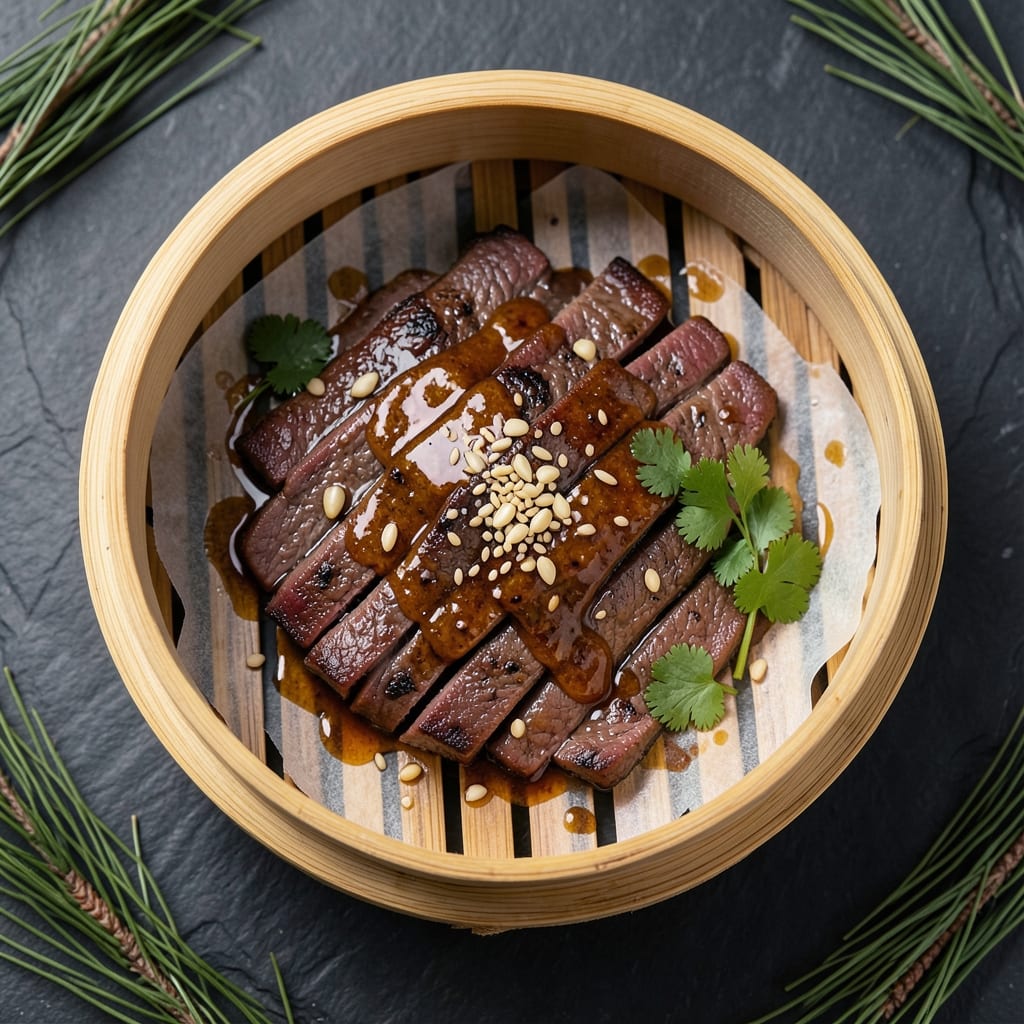
Bamboo beef recipe transforms simple ingredients into a restaurant-worthy dish that carries the essence of Chinese wok cooking. The secret lies in steaming tender beef in bamboo, then finishing with a quick wok toss that creates that coveted charred crunch. I've perfected this technique through countless test batches, and the results speak for themselves—juicy beef with a smoky, caramelized exterior that's impossible to resist.
What sets this recipe apart is the combination of traditional steaming and modern wok techniques. The bamboo imparts a subtle earthy aroma while keeping the beef incredibly tender, while the final wok toss adds the signature charred texture that makes this dish so addictive. This method delivers authentic flavors without requiring specialized equipment—just a bamboo steamer, a wok, and a few simple ingredients.
The dish comes together in just 30 minutes but feels like a special occasion meal. You'll start with marinated beef that develops deep umami flavors during steaming, then finish with a quick stir-fry that locks in those juices while creating the perfect textural contrast. The result is beef that's tender enough to melt in your mouth with a satisfying bite from the charred exterior.
Serve it over steamed jasmine rice with a side of stir-fried bok choy for the full experience. This recipe balances tradition with approachability, making it perfect for both weeknight dinners and special gatherings. The aroma alone will have everyone gathering at the table.
Ingredients for bamboo beef
Restaurant-quality wok-tossed beef starts with these essential ingredients for perfect texture and umami depth.
| Ingredient | Amount | Notes |
|---|---|---|
| Flank Steak 🥩 | 1 ½ lb | Thinly sliced against grain |
| Bamboo Steamer 🌿 | 1 whole | 16-inch diameter preferred |
| Soy Sauce 🍶 | ½ cup | Kikkoman preferred for balance |
| Shaoxing Wine 🍷 | ¼ cup | Or substitute dry sherry |
| Sesame Oil 🫒 | 1 tbsp | Toasted, not flavored |
| Garlic Cloves 🧄 | 6 cloves | Minced into paste |
| Ginger Root 🌿 | 2 tsp | Freshly grated |
| Cornstarch 🌾 | 2 tbsp | For tenderizing beef |
| Vegetable Oil 🫒 | ½ cup | High smoke point |
| Green Onions 🧅 | ¼ cup | Sliced for garnish |
| Dried Shiitake Mushrooms 🍄 | 4 whole | Rehydrated for umami |
| Diamond Crystal Kosher Salt 🧂 | 1 tsp | For seasoning |
| Black Peppercorns 🌶️ | ½ tsp | Freshly cracked |
| Jasmine Rice 🍚 | 2 cups | Uncooked, for serving |
The flank steak is non-negotiable—its lean yet tender texture holds up perfectly to the steaming process. Look for USDA Choice or Prime at Whole Foods or your local butcher, and ask for it sliced thinly against the grain before you leave. Costco often carries pre-sliced flank steak in their frozen section, which saves time. For the bamboo steamer, 16-inch diameter is ideal—check Asian markets or Amazon for authentic options. If you can't find shiitake mushrooms, cremini mushrooms work in a pinch, but rehydrate them first in hot water for 10 minutes to restore their umami punch. The soy sauce should be Kikkoman for that perfect balance of salty and sweet—don't substitute with generic brands.
No Shaoxing wine? Dry sherry or even a splash of rice vinegar works in a bind, though the flavor won't be identical. For the garlic and ginger, fresh is non-negotiable—dried spices won't deliver the same aromatic punch. If you're short on time, pre-minced garlic from the jar is fine, but toast it in the oil first to deepen its flavor. The cornstarch isn't just for thickening—it helps tenderize the beef during the marinade. For the oil, avocado oil has the highest smoke point, but any neutral oil like canola will work. Pro tip: Toast your sesame oil in the wok before adding it to the beef—this releases its nutty aroma without overpowering the dish.
Store the raw beef and marinade in an airtight container for up to 24 hours in the fridge, though it's best used immediately. The bamboo steamer can be reused after washing, but avoid soaking it in water to prevent warping. Cooked beef reheats beautifully—5 minutes in a sizzling wok restores that charred crunch. For leftovers, portion into airtight containers with a thin layer of oil on top to preserve moisture. The rice should be steamed separately and served immediately alongside the beef—it's the perfect vessel for soaking up those umami juices.
Why You'll Love This Recipe
- Steamer Simplicity: I swear, this recipe takes less effort than deciding what to eat. Slice the flank steak thin, toss it in the bamboo steamer with a splash of soy and wine, and let it cook while you chop veggies or pour drinks—no babysitting required.
- Umami Bomb: That first bite? The soy and Shaoxing wine caramelize into a glossy, savory crust, while the sesame oil adds this nutty warmth that lingers. It’s the kind of flavor that makes you pause mid-bite, like, "Wait, is this actually dinner?"
- Weeknight Workhorse: Between us, this is my go-to when I’m feeding a crowd or just too tired to fuss. The bamboo steamer handles all the prep—no flipping, no flaring—and the leftovers reheat like a dream. (Yes, even on a Tuesday night.)
- Budget Win: Flank steak stretches further than you’d think when sliced thin, and the ingredients? Basic but impactful. I’ve made this for date nights, potlucks, and lazy Sundays—never once regretting the cost.
Step-by-step instructions for wok-tossed bamboo beef
Mastering this dish comes down to precise timing and wok technique—here's how to execute it flawlessly.
Prepare the Flank Steak for Maximum Tenderness
Slice the 1.5 lb flank steak thinly against the grain into strips about ¼-inch thick. Transfer the sliced steak to a bowl and sprinkle evenly with 2 tbsp cornstarch, tossing gently to coat. This creates a velvety texture while preventing toughness. Let the cornstarch adhere for 15 minutes at room temperature—this ensures even distribution and better searing.
While the steak marinates, prepare the 4 whole dried shiitake mushrooms by soaking them in warm water for 20 minutes until pliable. Drain, reserving ¼ cup of the soaking liquid, then slice the mushrooms into strips. The umami from these mushrooms will deepen the sauce's complexity. Keep both the steak and mushrooms at room temperature before cooking—cold ingredients release moisture that steams instead of sears.
Build the Umami Sauce Foundation
In a small bowl, whisk together 0.5 cup soy sauce, 0.25 cup Shaoxing wine, and 1 tbsp sesame oil. This marinade should be smooth and well-combined—no streaks of oil. Set aside while you prepare the aromatics. The Shaoxing wine adds depth that regular wine can't replicate, so don't substitute without adjusting the acidity balance.
In a separate bowl, combine 6 cloves minced garlic cloves and 2 tsp freshly grated ginger root with 1 tbsp vegetable oil. This mixture should resemble a thick paste—this ensures even flavor distribution when tossed with the beef. The oil prevents the garlic from burning during the quick sear that follows. Let this sit while you heat your wok.
Sear the Beef with High Heat Technique
Heat a wok or large skillet over high heat until it's smoking hot. Add 0.5 cup vegetable oil and swirl to coat the bottom evenly. Working in batches if needed to avoid crowding, add the cornstarch-coated steak strips. Sear for 1-2 minutes per side until they develop a deep mahogany crust—this is your signal that the exterior has set while maintaining juicy centers.
Remove the beef to a plate and set aside. Immediately add the garlic-ginger paste to the wok and stir vigorously for 30 seconds until fragrant. Here's the thing—don't let the garlic burn. If it starts to darken too quickly, reduce heat slightly. The aroma should fill your kitchen, signaling perfect development. This quick stir-fry prevents bitterness while extracting maximum flavor from the aromatics.
Combine and Finish with Charred Crunch
Return the seared beef to the wok along with the sliced shiitake mushrooms. Pour in the soy sauce mixture and the reserved ¼ cup mushroom soaking liquid. Toss everything vigorously for 1-2 minutes until the sauce coats the beef evenly. The mushrooms should release their juices, creating a glossy, umami-rich glaze. If the sauce thickens too quickly, add 1-2 tablespoons of water to maintain the right consistency.
Sprinkle with 1 tsp Diamond Crystal kosher salt and 0.5 tsp freshly cracked black peppercorns, tossing once more to distribute. The salt should dissolve completely, while the pepper adds a subtle heat that balances the dish's richness. Remove from heat immediately—the beef continues cooking from residual heat. Garnish with 0.25 cup sliced green onions for freshness and color contrast.
Serve Over Steamed Jasmine Rice
Prepare the 2 cups jasmine rice according to package instructions, using a 1:1.5 rice-to-water ratio for perfectly fluffy grains. The rice should be cooked until just tender—slightly underdone is better as it will finish cooking from the hot beef. Divide the rice among serving plates and top generously with the bamboo beef.
This dish delivers a perfect balance of textures: the charred, crisp edges of the beef contrast with the silky sauce and tender mushrooms. The bamboo steamer reference in the title hints at the traditional presentation—serve in a bamboo steamer basket lined with parchment paper for an authentic touch. The aroma alone will draw everyone to the table, and each bite should offer that perfect harmony of umami, sweetness, and smoky depth.
Pro Tips For Making Bamboo Beef
- Slice Thin, Not Thinly: Flank steak fights you when sliced—get it paper-thin against the grain or it’ll chew like boot leather. I used to eyeball it and ended up with tough strips; now I measure: ⅛-inch max, and slice twice (once at 45° for texture, then flat). The bamboo steamer needs quick cooking, so don’t let thickness ruin the party.
- Marinate Cold, Not Room Temp: Shaoxing wine and soy sauce work best when the meat’s chilled—trust me, I rushed it once and ended up with a sad, watery mess. Toss the sliced steak in the marinade (plus a splash of sesame oil) and stick it in the fridge for 30 minutes. The cold keeps the fibers tight and the flavors from bleeding out prematurely.
- Steam Fast, Then Rest: Bamboo steamers aren’t patient—crank the heat to high and steam for just 4-5 minutes (not the 8-10 minutes some recipes suggest). Overcooking turns tender beef to shoe leather. Once done, transfer to a plate and tent with foil for 5 minutes—this locks in juices while you finish the sauce.
- Toast the Bamboo First: Skip this, and your steamer smells like wet cardboard. Dry the bamboo steamer completely, then sear it over high heat for 30 seconds—the char adds depth to the dish. My first time, I ignored this and the final flavor lacked that smoky, caramelized edge. (Yes, even if it looks weird.)
Troubleshooting perfect results
Beef Too Tough?
If your beef turns out chewy rather than tender, the issue is likely slicing against the grain. Flank steak has long muscle fibers that need to be cut perpendicularly—¼-inch thick slices at a 45-degree angle work best. I’ve found that freezing the steak for 30 minutes before slicing makes it easier to cut against the grain. Also, never skip the 15-minute cornstarch rest—this helps break down muscle fibers for a silky texture. 💡
Sauce Too Thin?
When the sauce separates or remains watery, it’s usually from too much liquid or insufficient cooking time. Reduce the ¼ cup mushroom soaking liquid to 2 tablespoons if needed, and simmer the beef and sauce together for an extra 1-2 minutes after removing from heat. For extra thickness, mix 1 tsp cornstarch with 1 tbsp water, stir into the sauce, and cook for 30 seconds until glossy.
Garlic Burns Quickly?
Burnt garlic ruins the dish’s delicate balance. Always cook it over medium-high heat (not high) and stir constantly for 30 seconds max. I recommend toasting the garlic in the oil first—heat 1 tbsp oil in the wok until shimmering, add minced garlic, and stir until fragrant (15-20 seconds). This prevents burning while deepening flavor. If your wok isn’t hot enough, clean it thoroughly and reheat with ½ cup oil until smoking. ⚡
Bamboo Steamer Issues
If your bamboo steamer leaks or warps, check for gaps in the joints or moisture buildup. Line the steamer with parchment paper to prevent sticking and ensure a tight seal. For extra stability, place a heatproof plate inside before adding ingredients. If you don’t have a bamboo steamer, use a steam basket over boiling water—just ensure the beef isn’t submerged. Pro tip: Preheat the steamer for 2 minutes before adding beef to maintain even heat. 🌿
Uneven Cooking
Uneven doneness often happens when beef is overcrowded in the wok. Cook in single-layer batches with space between strips for proper searing. If using a skillet instead of a wok, reduce heat to medium-high to prevent hot spots. For the bamboo steaming step, arrange beef in an even layer—don’t stack—and cover tightly with a lid or foil. I’ve found that 10 minutes of steaming at medium heat yields perfect tenderness without overcooking. ✨
Leftover Texture Problems
Reheating bamboo beef can make it dry or rubbery. The key is to restore moisture and heat quickly. Add 1 tbsp water or beef broth to the wok, cover, and steam for 3-4 minutes over medium heat. For extra richness, stir in ½ tbsp sesame oil at the end. Store leftovers in an airtight container with a paper towel pressed on top to absorb excess moisture. If the beef seems dry after reheating, slice thinner and toss with 1 tsp soy sauce to revive its juices. 💪
Nutrition facts
Frequently asked questions
Can I substitute flank steak with another cut of beef?
Flank steak is ideal for its lean texture and flavor, but you can use skirt steak or sirloin as substitutes. Just slice against the grain and reduce cooking time by 20-30 seconds since these cuts are slightly more tender. Avoid ribeye or chuck roast—they're too fatty and won't hold up well to the quick wok toss.
What if I don't have a bamboo steamer?
No bamboo steamer? No problem! Use a steam basket over boiling water or even a microwave-safe dish with a tight lid. Line with parchment paper and steam for 10 minutes at medium heat. The key is maintaining moisture—just avoid submerging the beef in water to prevent sogginess.
How do I prevent the beef from sticking to the bamboo?
Line the bamboo steamer with parchment paper or aluminum foil (non-stick side up) before adding beef. For extra insurance, lightly oil the paper with sesame oil. Arrange beef in a single layer and don't overcrowd—this ensures even cooking and easy removal.
Can I make this recipe ahead of time?
Cook the beef and sauce up to 2 days ahead and store in an airtight container in the fridge. Reheat in a wok with 1 tbsp water over medium heat for 3-4 minutes to restore that charred crunch. For best texture, serve within 24 hours of reheating.
What sides pair best with bamboo beef?
This dish shines with steamed jasmine rice and stir-fried bok choy. For extra authenticity, serve with pickled vegetables or a simple cucumber salad to balance the richness. The crisp textures contrast perfectly with the tender beef.