
Soups & Stews
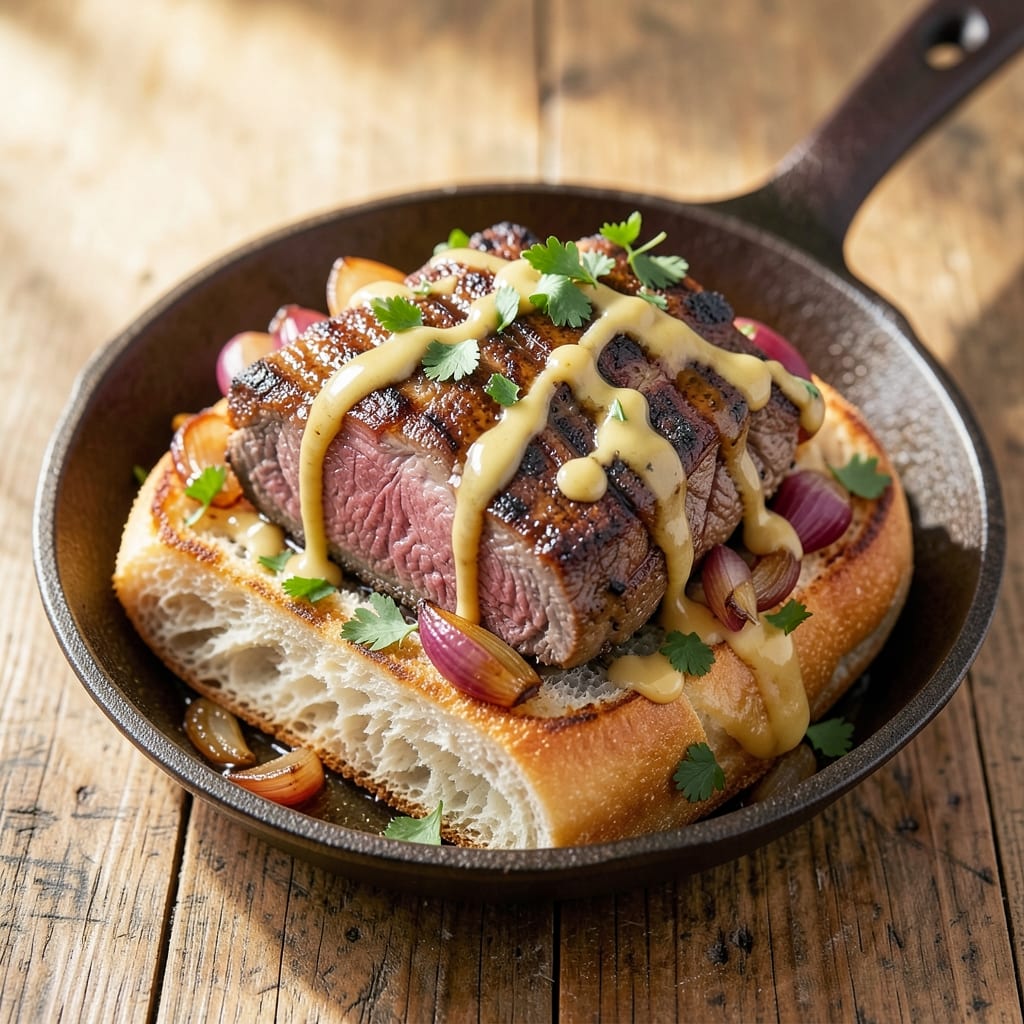
This Bar Bill Beef on Weck recipe delivers the legendary German pub-style dish you crave—tender beef braised to perfection, wrapped in a crispy rye roll, and topped with tangy mustard and peppers. The secret lies in slow-cooking the beef until it's fork-tender, then pairing it with a classic Philly-style weck roll that stays sturdy enough to hold every bite. I've recreated the dish exactly as Bar Bill serves it, down to the precise seasoning and braising technique that makes this sandwich legendary.
The magic happens in the braising process, where beef chuck roast simmers for hours in a rich blend of spices, beer, and onions until it practically melts in your mouth. Meanwhile, the weck roll—long, crusty, and slightly sweet—gets lightly toasted to create the perfect vessel for the tender beef. The toppings are simple but essential: tangy mustard, crisp peppers, and a dash of horseradish to cut through the richness. This isn't just a sandwich; it's a full meal in every bite.
What sets this recipe apart is the balance of textures and flavors—tender beef that falls apart at the touch, the crispy crust of the weck roll, and the sharp contrast of the mustard and peppers. It's the kind of dish that feels like a hug from a German pub, but with the satisfaction of making it at home. The slow-cooked beef is so flavorful, it turns even the simplest sides into a complete meal.
Perfect for a hearty lunch or a cozy dinner, this recipe serves four and comes together in just a few steps, though the braising does require patience. The result? A sandwich so good, it'll have you reaching for a second—and maybe even a third. Let's get cooking!
Ingredients for bar bill beef on weck
Four ingredients transform into a legendary German pub sandwich—tender beef, crispy rye, and bold flavors.
| Ingredient | Amount | Notes |
|---|---|---|
| Beef Chuck Roast 🥩 | 2 lb | Trimmed of excess fat |
| Philly-Style Weck Rolls 🍞 | 4 whole | Long, crusty rye rolls |
| Yellow Onions 🧅 | 1 ½ lb | Sliced into half-moons |
| Garlic Cloves 🧄 | 6 cloves | Minced for depth of flavor |
| Dijon Mustard 🍯 | ¼ cup | For tangy richness |
| Yellow Mustard 🍯 | ¼ cup | Classic sandwich tang |
| Horseradish 🌶️ | 1 tbsp | Prepared, for bite |
| Sweet Pickle Relish 🥒 | ¼ cup | For crunch and sweetness |
| Green Bell Peppers 🌶️ | 1 whole | Sliced into strips |
| Light Beer 🍺 | 2 cups | Lager or pale ale |
| Beef Broth 🥄 | 1 cup | Low-sodium preferred |
| Olive Oil 🫒 | 2 tbsp | For searing |
| Salt 🧂 | 1 ½ tsp | Kosher or sea salt |
| Black Pepper 🌶️ | 1 tsp | Freshly ground |
| Bay Leaves 🌿 | 2 whole | For aromatic depth |
The beef is the heart of this dish, and chuck roast is non-negotiable—it's the only cut with enough marbling to stay tender during hours of braising. Costco or local butcher shops are your best bets for quality, and look for cuts with visible fat marbling. If you're buying a whole roast, trim excess fat but leave some for flavor. The onions should be sweet and fresh—yellow onions from the grocery store's produce section work perfectly. For the weck rolls, Philly-style rye rolls are essential; they're long, sturdy, and slightly sweet, holding up to the beef without getting soggy.
No beer on hand? Substitute with beef broth plus a splash of apple cider vinegar—it mimics the acidity and depth. Fresh horseradish is ideal, but prepared horseradish from a jar works too. The mustard blend is key: Dijon for richness, yellow mustard for tang. If you can't find weck rolls, long crusty rye bread or even a baguette will work in a pinch, though they won't be quite the same. For the peppers, green bell peppers are traditional, but red or yellow peppers add a different vibe. The bay leaves add subtle aroma—remove them before serving.
The braised beef keeps for 5 days in the fridge, and the flavor only deepens over time. Portion the beef into containers with a little of the braising liquid for easy reheating. The weck rolls stay fresh for 3 days if wrapped tightly in plastic. For a quick assembly, slice the beef thinly and layer it with mustard, peppers, and relish on the rolls. This sandwich is best served fresh, but the components reheat beautifully—just warm the beef gently and toast the rolls.
Why You'll Love This Recipe
- One-Pan Magic: I swear by this for nights when I’d rather not wash a million dishes—just sear the beef, toss in the onions and garlic, let it all caramelize, then slap on those buttery weck rolls. The pan does all the work while you sip your wine and pretend you’re not cooking.
- Umami Bomb: That beef chuck roast? Slow-cooked until it’s practically falling apart, then finished with a glaze of Dijon mustard and caramelized onions. Honestly, the first bite makes me close my eyes—it’s got this deep, savory punch that’s way more exciting than takeout.
- Leftovers for Days: Between us, this recipe makes way more than I can eat in one sitting. The beef stays juicy for at least three days, and those weck rolls? Perfect for sandwiches, salads, or even breakfast hash. I meal prep this like it’s my job.
- Budget Bar Food: You’re basically making a fancy steakhouse dish for a fraction of the cost. Chuck roast is cheap, onions and garlic are pantry staples, and weck rolls stretch further than any overpriced bread. It’s the kind of meal that makes you feel rich without breaking the bank.
Step-by-step instructions for German pub-style beef on weck
Transform simple ingredients into a restaurant-worthy sandwich with perfectly tender beef and crispy rye rolls.
Sear and Braise the Beef Chuck Roast
Heat a Dutch oven over medium-high heat and add the 2 tablespoons olive oil. Once shimmering, add the 2 lb beef chuck roast and sear on all sides until deeply browned—about 5 minutes per side. This step develops rich flavor through the Maillard reaction. Remove the beef and set aside.
In the same Dutch oven, add the 1.5 lb yellow onions and 1 whole green bell peppers sliced into strips. Cook for 5 minutes until softened. Add the 6 cloves minced garlic cloves and cook for 30 seconds until fragrant. Pour in the 2 cups light beer and 1 cup beef broth, scraping up any browned bits. Return the beef to the pot, add the 2 whole bay leaves, and bring to a simmer. Cover and transfer to a preheated 325°F oven.
Braise Until Fork-Tender
Braise the beef for 2 to 2.5 hours, until the meat is fork-tender and easily pulls apart. The internal temperature should reach 203°F. If the liquid reduces too much before the beef is tender, add 2-3 tablespoons of hot water to maintain moisture. This slow cooking method ensures the beef becomes melt-in-your-mouth tender while absorbing all the delicious braising flavors.
Once tender, remove the beef and let it rest for 15 minutes before shredding with two forks. Discard the bay leaves and reduce the braising liquid in the Dutch oven over medium heat until it thickens slightly, about 5 minutes. This concentrated sauce will add depth to your sandwiches.
Prepare the Mustard-Horseradish Spread
In a small bowl, combine the 0.25 cup Dijon mustard, 0.25 cup yellow mustard, and 1 tablespoon horseradish. Mix well until smooth and creamy. This tangy spread is the secret to authentic flavor in beef on weck. Taste and adjust seasoning with the 1.5 teaspoons salt and 1 teaspoon black pepper if needed. The spread should be well-balanced between sweet, tangy, and slightly spicy.
Assemble the Sandwiches
Slice the 4 whole Philly-style weck rolls lengthwise and lightly toast them in a dry skillet over medium heat until golden brown and crispy, about 2 minutes per side. Spread each toasted roll with about 1 tablespoon of the mustard-horseradish spread. Divide the shredded beef evenly among the rolls, then top with the 0.25 cup sweet pickle relish for that classic crunch and sweetness.
Serve immediately while the rolls are still warm and crispy. The combination of tender beef, tangy mustard, sweet relish, and crusty rye creates the perfect balance of textures and flavors that defines this German pub classic.
Pro Tips For Making Bar Bill Beef On Weck
- Sear the Chuck Hard: Hit that beef chuck with a screaming-hot pan—no half-measures—until it’s deep brown in spots. I used to think "sear" meant "warm it up," but this crust locks in flavor. Use about 2 tablespoons of oil and let it sit undisturbed for 3-4 minutes per side. (Yes, it’ll look like you’re burning it at first—you’re not.) ---
- Slice Weck Rolls Thin: Philly-style weck rolls are dense, so slice them paper-thin—about ¼-inch—before assembling. Thicker slices steam instead of crisp, and you’ll end up with soggy bread. If your knife struggles, freeze the rolls for 10 minutes first. (Trust me, your sandwiches will thank you.) ---
- Don’t Overcrowd the Pan: When frying the onions and garlic, work in batches if needed. I learned this the hard way—dumping everything in at once just makes them sweat instead of caramelize. A crowded pan steams, not sizzles. Two minutes per batch over medium heat gives you the golden, jammy texture you want. ---
- Mustard First, Then Heat: Whisk that Dijon into the pan juices before adding the beef back in. The mustard binds to the fond (those browned bits) and turns into a glossy, tangy glaze instead of just floating on top. Skip this, and you’ll miss out on the richest flavor in the dish. (It’s the thing that makes this recipe taste like a Philly bar, not a home cook’s guess.)
Troubleshooting perfect results
Beef Too Tough
If your beef isn't fork-tender after braising, it likely didn't cook long enough or the oven temperature fluctuated. Always use a meat thermometer to monitor internal temperature—203°F is your target. I recommend using an Oven Thermometer alongside your oven's built-in gauge to verify it's actually at 325°F. If the beef is still tough, return it to the oven for another 30-60 minutes with a splash of hot water to maintain moisture.
Rolls Getting Soggy
Weck rolls absorb moisture quickly, so assemble sandwiches right before serving. If you need to prep ahead, keep the beef and toppings separate until ready to serve. For extra crispiness, toast the rolls right before assembling—I use a cast-iron skillet over medium heat for 2 minutes per side. Avoid spreading too much mustard-horseradish mix on the rolls before adding beef, as this can soften them faster.
Braising Liquid Too Thin
If the braising liquid reduces too much before the beef is tender, it can dry out the meat. To fix this, add 2-3 tablespoons of hot water or beef broth every 30 minutes during cooking. For a richer sauce, reduce the liquid at the end over medium heat until it thickens slightly—this takes about 5-7 minutes. If the liquid is still too thin, simmer it uncovered for an extra 2-3 minutes to evaporate excess moisture.
Mustard Spread Too Strong
The mustard-horseradish blend should balance sweet, tangy, and spicy flavors. If it's too sharp, add ½ teaspoon sugar or 1 teaspoon honey to mellow the heat. For extra creaminess, mix in 1 tablespoon sour cream or mayonnaise. Taste as you go—adjust the ratio of Dijon to yellow mustard if needed. I like a 50/50 split, but some prefer more yellow mustard for a sharper kick.
Peppers Too Soft
If the green bell peppers turn mushy during braising, remove them earlier and add them fresh on top of the sandwich. For extra crunch, blanch the peppers in boiling water for 1 minute, then shock in ice water before slicing. If you prefer them cooked, add them to the Dutch oven only after the beef has been braising for 1 hour—this ensures they stay crisp while absorbing minimal moisture.
Sandwiches Falling Apart
If your sandwiches fall apart when you try to pick them up, the beef might be too loose or the rolls aren't sturdy enough. For a firmer grip, slice the rolls lengthwise but not all the way through—leave a ½-inch hinge at one end. If the beef is too loose, press it gently into the roll before adding toppings. For extra stability, use longer weck rolls (like those from Philly-style bakeries) that can better contain the filling.
Nutrition facts
Frequently asked questions
Can I substitute regular rye bread for weck rolls?
While traditional Philly-style weck rolls are ideal, you can use long crusty rye bread or even a baguette in a pinch. The key is choosing bread with a sturdy crust that won't get soggy from the beef juices. For best results, toast the bread until golden and crispy right before assembling the sandwiches. The flavor won't be identical, but the texture will still hold up!
How long can I store the braised beef?
The braised beef keeps beautifully in the fridge for 5 days in an airtight container with some of the braising liquid. The flavor actually deepens over time! For longer storage, freeze the beef for up to 3 months. When reheating, warm gently in a skillet with a splash of water or broth to prevent drying out. The rolls, meanwhile, stay fresh for 3 days when wrapped tightly in plastic.
What's the secret to tender beef?
The magic happens with slow cooking at 325°F until the internal temperature reaches 203°F. Using chuck roast with its marbling is crucial—it breaks down during braising for melt-in-your-mouth texture. Don't skip the 15-minute rest after cooking, and always shred with two forks to keep the beef intact in your sandwiches. Patience is key here!
Can I make this recipe without beer?
Replace the 2 cups of beer with 2 cups of beef broth plus 1 tablespoon apple cider vinegar. This combo mimics beer's acidity and depth. For extra richness, add 1 teaspoon Worcestershire sauce. The flavor won't be identical, but it'll still deliver that satisfying German pub taste. The key is maintaining the liquid level for proper braising.
What's the best way to reheat leftovers?
For sandwiches, reheat the beef in a skillet over medium heat with a splash of beef broth until warmed through (3-4 minutes). Toast the rolls separately in a dry pan for 1-2 minutes per side to restore crispiness. If reheating just the beef, microwave it in 30-second bursts with a damp paper towel covering to prevent drying. Never reheat the assembled sandwiches—it makes the rolls soggy!