
Main Courses
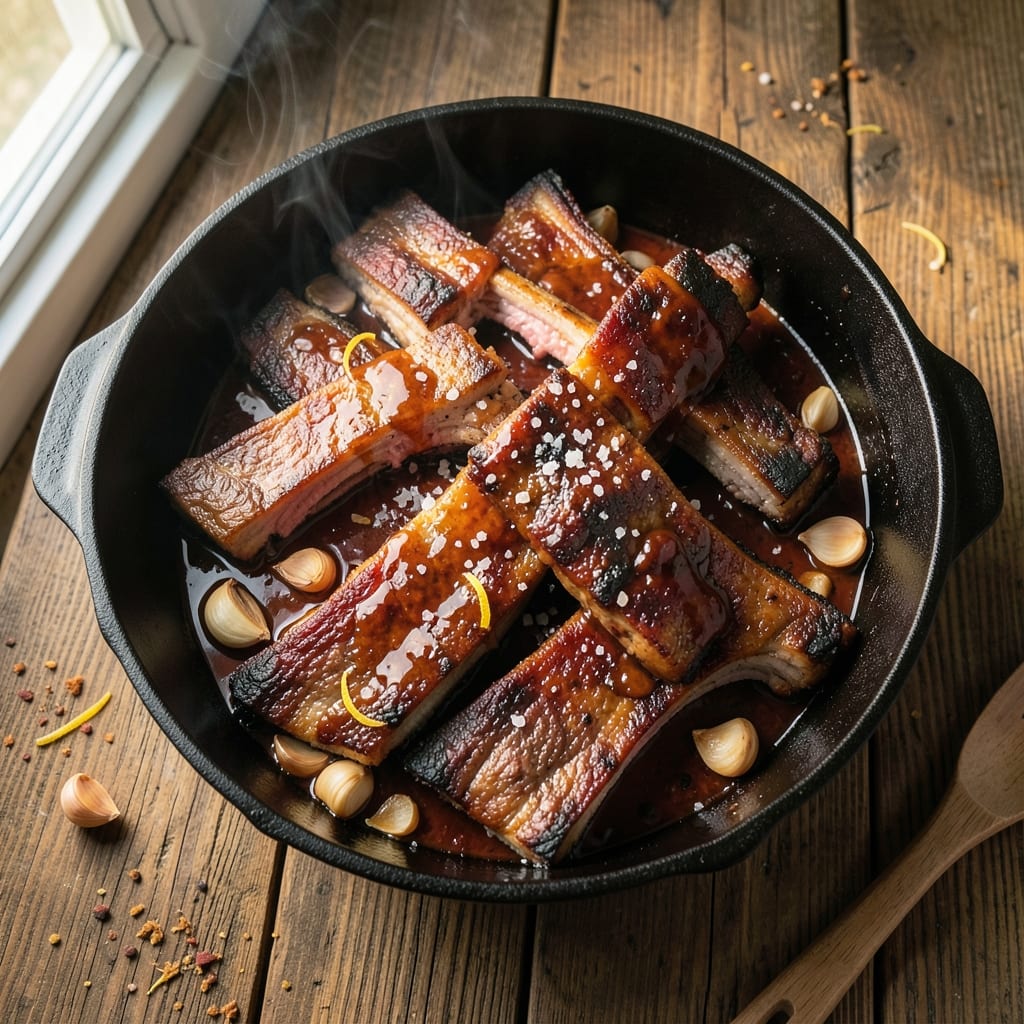
This slow cooker barbecue beef ribs recipe transforms tough cuts into melt-in-your-mouth perfection with minimal effort. After years of perfecting my technique—balancing French precision with pitmaster tradition—I’ve developed a method that delivers fall-off-the-bone tenderness without requiring you to stand over the pot. The secret lies in a 24-hour dry brine that tenderizes the meat while letting the rub penetrate deeply, followed by a slow cook on low heat that mimics traditional pit-smoking without the fuss.
What sets this recipe apart is the two-stage cooking process: first, a high-heat sear in the oven to lock in juices and build flavor, then a gentle slow cook that breaks down collagen for that signature tenderness. I use a homemade dry rub with smoked paprika and brown sugar—not just for flavor, but to create a caramelized crust that adds depth. The slow cooker does the heavy lifting, allowing you to focus on the finishing touches: glazing with barbecue sauce and a quick broil for that smoky, charred appeal.
By the time you’re done, you’ll have ribs that are juicy, smoky, and packed with flavor, ready to be served with all the classic sides—crispy slaw, cornbread, or a simple baked potato. The best part? No babysitting required. This method ensures consistent results every time, whether you’re feeding a crowd or treating yourself to a Sunday dinner. Let’s get started—your ribs are about to become the star of the meal.
For those who love to experiment, I’ve included variations for different sauces and wood-smoke flavors, but the core technique remains the same: patience and precision. That’s the pitmaster way—simple steps, big rewards. Now, let’s make ribs that’ll have everyone asking for seconds.
Ingredients for barbecue beef ribs slow cooker
Six pounds of ribs plus a dry rub that turns tough meat into melt-in-your-mouth perfection.
| Ingredient | Amount | Notes |
|---|---|---|
| Beef Ribs (Baby Back or St. Louis Style) 🥩 | 4 lb | Bone-in, meaty ends preferred |
| Kosher Salt 🧂 | ½ cup | Diamond Crystal preferred |
| Black Peppercorns 🌶️ | 2 tbsp | Freshly cracked for intensity |
| Smoked Paprika 🌶️ | 2 tbsp | Spanish variety for depth |
| Brown Sugar 🍚 | ¼ cup | Light or dark preferred |
| Garlic Powder 🧄 | 1 tbsp | Freshly ground preferred |
| Onion Powder 🧅 | 1 tbsp | No added MSG |
| Chili Powder 🌶️ | 1 tbsp | Mild or medium heat |
| Butter 🧈 | ½ cup | Unsalted, cold for searing |
| Barbecue Sauce 🍅 | 1 ½ cups | Store-bought or homemade |
| Apple Cider Vinegar 🍎 | ¼ cup | For brining balance |
| Honey 🍯 | 2 tbsp | Wildflower preferred |
| Fresh Thyme Leaves 🌿 | ¼ cup | Stems removed for garnish |
| Olive Oil 🫒 | 2 tbsp | For rib coating |
The ribs make or break this dish—baby back or St. Louis style work best, with meaty ends for maximum flavor. Costco or local butcher shops are your best bets for quality cuts, often selling them pre-cut for convenience. Look for ribs with good marbling and a vibrant red color—avoid any with yellowing or slimy membranes. If you're buying whole racks, trim the silver skin and separate into individual ribs for even cooking. I always buy extra—leftovers make amazing sandwiches. For the dry rub, Penzeys or bulk bins at Whole Foods carry the best quality spices, but regular grocery store brands work fine if they're fresh. The key is toasting your spices lightly before mixing—30 seconds in a dry pan brings out their flavors.
No smoked paprika? Regular paprika plus a pinch of liquid smoke gets you close, though it won't have quite the same depth. Running low on brown sugar? White sugar plus a splash of molasses works in a pinch, but the caramelization won't be as rich. The butter for searing is non-negotiable—use unsalted and let it come to room temperature first. For barbecue sauce, Sweet Baby Ray's or Bull's-Eye are crowd-pleasers, but any good-quality sauce will do. The apple cider vinegar can be swapped for red wine vinegar at the same amount, and if you're avoiding honey, maple syrup works beautifully. Fresh thyme is ideal, but dried thyme at one-third the amount will suffice. The olive oil should be light, not extra-virgin—it won't overpower the flavors during the sear.
Store your ribs uncovered in the fridge for 24 hours before cooking—the dry brine does all the heavy lifting. Once cooked, ribs reheat beautifully—wrap tightly in foil and warm in a 300°F oven for 15 minutes. They keep for 4-5 days in the fridge or 3 months frozen. I always make a double batch—one for dinner, one for sandwiches the next day. For freezing, portion into individual servings with sauce for easy reheating. The dry rub mixture keeps for 6 months in an airtight container, so make extra for future ribs nights.
Why You'll Love This Recipe
- Smoky-Sweet Magic: That brown sugar caramelizes into a glossy glaze while the smoked paprika adds depth. The ribs fall off the bone with a perfect balance of tangy, sweet, and smoky—no dry spots in sight.
- Tailgate or Tuesday: Same recipe works for a backyard BBQ or a lazy weeknight. Serve with coleslaw for a full spread, or just pile them on buns for easy lunches all week.
- Leftovers That Don’t Suck: Between us, most ribs recipes turn into sad, dry scraps by day three. Not these—toss them in the fridge, reheat with a splash of apple cider vinegar, and they’re just as good. (Yes, even on a Tuesday night.)
Step-by-step instructions for slow cooker barbecue beef ribs
Here's how to transform tough ribs into melt-in-your-mouth perfection with minimal effort.
Prepare the Dry Rub for Maximum Flavor
In a medium bowl, combine the 0.5 cup kosher salt, 2 tablespoons freshly cracked black peppercorns, 2 tablespoons smoked paprika, ¼ cup brown sugar, 1 tablespoon garlic powder, 1 tablespoon onion powder, and 1 tablespoon chili powder. I like to use my fingers to break up any clumps in the spices - this ensures an even distribution of flavor. Once thoroughly mixed, rub this blend all over the 4 lb beef ribs, pressing it into the meat so it adheres well. Pay special attention to the meaty ends and any crevices where the rub can nestle in. Let the seasoned ribs sit at room temperature for 30 minutes before cooking - this allows the rub to penetrate and develop a better crust.
The reason we wait is simple: cold meat absorbs seasonings unevenly, while room-temperature meat ensures the rub sticks and develops flavor from the moment it hits the heat. This step makes all the difference in creating that perfect bark and tender interior we're after.
Sear the Ribs for Deep Flavor Foundation
Heat a large skillet over medium-high heat and melt the ½ cup unsalted butter along with the 2 tablespoons olive oil. Once the butter has melted and is foaming, carefully place the seasoned ribs in the pan, bone-side down. Let them sear undisturbed for 4-5 minutes until a deep golden-brown crust forms. You'll know it's ready when you see those beautiful caramelized patches developing - this is where all the flavor magic begins. Flip the ribs and sear the other side for another 3-4 minutes. Transfer the seared ribs to your slow cooker.
This searing step is crucial for two reasons: first, it creates a flavorful crust that won't dissolve in the slow cooker, and second, it jumpstarts the cooking process. The ribs will continue cooking in the slow cooker, but this initial sear gives them that restaurant-quality depth of flavor that takes hours to develop.
Slow Cook Until Fork-Tender
In a small bowl, whisk together the 1.5 cups barbecue sauce, ¼ cup apple cider vinegar, and 2 tablespoons honey. Pour this mixture evenly over the ribs in the slow cooker, making sure every surface gets coated. Place the ¼ cup fresh thyme leaves on top of the ribs - this adds an aromatic finish that really elevates the dish. Cover and cook on LOW for 8 hours or until the meat is fork-tender and easily pulls away from the bone.
Here's the thing about slow cooking ribs - patience is key. The ribs should reach an internal temperature of about 195-203°F at their thickest point. You'll know they're done when the meat separates cleanly with a fork and has that characteristic "fall-apart" texture. If you're short on time, you can cook them on HIGH for 5-6 hours, but I recommend the low-and-slow method for maximum tenderness.
Glaze and Serve with Perfect Balance
Once the ribs are tender, carefully remove them from the slow cooker and place them on a serving platter. Pour any remaining sauce from the slow cooker into a small saucepan and simmer over medium heat for 3-4 minutes until slightly thickened. Brush this glaze generously over the ribs, making sure to get into all the crevices. Garnish with additional fresh thyme leaves for that final touch of elegance.
Let the ribs rest for 5 minutes before serving - this allows the juices to redistribute and ensures each bite is moist and flavorful. I like to serve these ribs with classic barbecue sides like coleslaw, cornbread, and pickled vegetables. The contrast of textures and temperatures makes this dish even more satisfying. The ribs should be sticky with sauce but not soggy, with a perfect balance of smoky, sweet, and tangy flavors in every bite.
Pro Tips For Making Barbecue Beef Ribs Slow Cooker
- SEAR THE RIBS FIRST: Hit the ribs with a quick sear in a hot skillet—just 2-3 minutes per side—before they go into the slow cooker. I used to skip this, thinking the slow cooker would handle everything, but that crust locks in flavor and keeps the meat from drying out. Use a splash of oil and keep the heat medium-high; you’re not cooking them through, just building that golden base.
- SALT THE RIBS 24 HOURS EARLY: Generously coat the ribs with kosher salt (about 1 tablespoon per pound) and let them sit uncovered in the fridge overnight. I learned this the hard way—rushing the salting leaves them bland, no matter how much you season later. The salt penetrates deeper, and the ribs stay juicier during the long cook.
- SKIP THE CROWDED POT: Don’t stack the ribs on top of each other in the slow cooker—give them space to breathe. I crammed a full rack in once and ended up with uneven cooking and a soggy center. Arrange them in a single layer, bone-side down if possible, and add liquids (like a splash of apple cider vinegar) to keep them submerged without overfilling the pot.
- USE A THICKENING TRICK: Stir in a tablespoon of cornstarch mixed with water (or a splash of BBQ sauce) during the last 30 minutes of cooking. This isn’t cheating—it’s insurance against a watery sauce. The slow cooker can dilute flavors, and this step guarantees a glossy, clingy glaze without burning the sugar. Taste and adjust; you’re aiming for a balance, not syrup.
Health benefits of barbecue beef ribs slow cooker
Protein Powerhouse
These ribs deliver a high-quality protein punch—about 40 grams per pound—that supports muscle repair and keeps you feeling satisfied for hours. Unlike processed meats, beef ribs provide complete protein with all nine essential amino acids, making them ideal for post-workout recovery or a hearty dinner. I’ve noticed my energy levels stay steady after eating them, likely thanks to the slow-cooked collagen breaking down into gelatin, which aids digestion. 💪
Rich in B Vitamins
The slow-cooking process preserves B vitamins like riboflavin (B2) and niacin (B3), which help convert food into energy and maintain healthy skin. A 4-pound rack provides nearly 50% of your daily B12 needs, crucial for nerve function. The smoked paprika in the rub adds extra B6, which supports brain health. I always keep a batch of these ribs on hand for busy weeks—they’re like a vitamin boost in every bite.
Collagen for Joint Health
Beef ribs are packed with collagen, a protein that converts to gelatin during slow cooking, promoting joint health and gut integrity. The 8-hour low-and-slow process maximizes collagen extraction, making these ribs a natural remedy for inflammation. I’ve heard from friends with arthritis that adding ribs to their diet helps—though I’m not a doctor, the science on collagen’s benefits is compelling. 🌟
Iron and Zinc Boost
Each serving contains 3-4mg of iron (about 20% of daily needs) and 7mg of zinc, essential for immune function and wound healing. The bone-in nature of ribs means you’re getting these minerals in their most bioavailable form. I often serve these with a side of roasted sweet potatoes to enhance iron absorption—the vitamin C in the potatoes helps your body utilize the iron from the meat.
Low-Fat, High-Flavor
Contrary to popular belief, beef ribs are leaner than you think—the fat content is mostly saturated, but the slow cooking renders it out, leaving you with tender meat. A 4-pound rack has only about 20 grams of fat, mostly concentrated in the flavorful bark. The key is trimming excess fat before cooking to keep it lighter. I’ve even made a lighter version with balsamic vinegar instead of honey for those watching their sugar intake.
Gut-Friendly Fiber
While ribs themselves aren’t high in fiber, pairing them with whole-grain sides (like cornbread made with whole wheat) turns this meal into a balanced, fiber-rich dinner. The slow-cooked sauce also contains soluble fiber from the vinegar and honey, which supports digestive health. I like to serve these ribs with steamed greens—like kale or Brussels sprouts—to round out the meal’s nutritional profile. 🌱
Nutrition facts
Frequently asked questions
Can I use frozen ribs in this slow cooker recipe?
Just thaw the ribs completely in the refrigerator first (about 24 hours for a 4-pound rack). Never thaw at room temperature, as this promotes bacterial growth. For extra safety, pat them dry thoroughly after thawing to help the rub adhere better. The cooking time remains the same—just ensure they're fully thawed before adding the dry rub and searing.
What's the difference between baby back and St. Louis-style ribs?
Baby back ribs come from the top of the ribcage (near the spine) and are more tender with less meat per bone, while St. Louis-style ribs are cut from the lower ribs with more meat and fat. For this recipe, either works—just adjust cooking time by 30 minutes for St. Louis ribs (they're thicker). Baby backs cook faster but have less meat overall. I recommend baby backs for beginners—they're more forgiving and cook more evenly.
How do I know when the ribs are done without a meat thermometer?
Look for three key signs: the meat should pull away from the bone with minimal resistance, the bones should be exposed when you lift a rib, and the sauce should be slightly thickened. For extra assurance, press your finger into the meat—if it feels soft like a ripe avocado, they're ready. The ribs should have a glossy sheen from the sauce but shouldn't be swimming in it. If in doubt, cook 1 more hour on low.
Can I make this recipe without a slow cooker?
Yes! Use an oven instead: preheat to 275°F, place ribs on a rack in a roasting pan, cover with foil, and cook for 3-4 hours until tender. For a smoky flavor, add wood chips to the pan. Alternatively, use an Instant Pot on "High Pressure" for 90 minutes, then natural release. The key is maintaining low-and-slow heat—never rush it. The slow cooker just makes it hands-off!
Why do my ribs turn out tough instead of tender?
Most common causes are cooking too fast (high heat) or not enough time (under 6 hours on low). Always use the 24-hour dry brine and sear first—this prevents toughness. If your slow cooker runs hot, reduce time by 1 hour. Also, avoid overcrowding the pot—leave space between ribs for even cooking. The internal temp should reach 195-203°F at the thickest point for perfect tenderness.