Main Courses
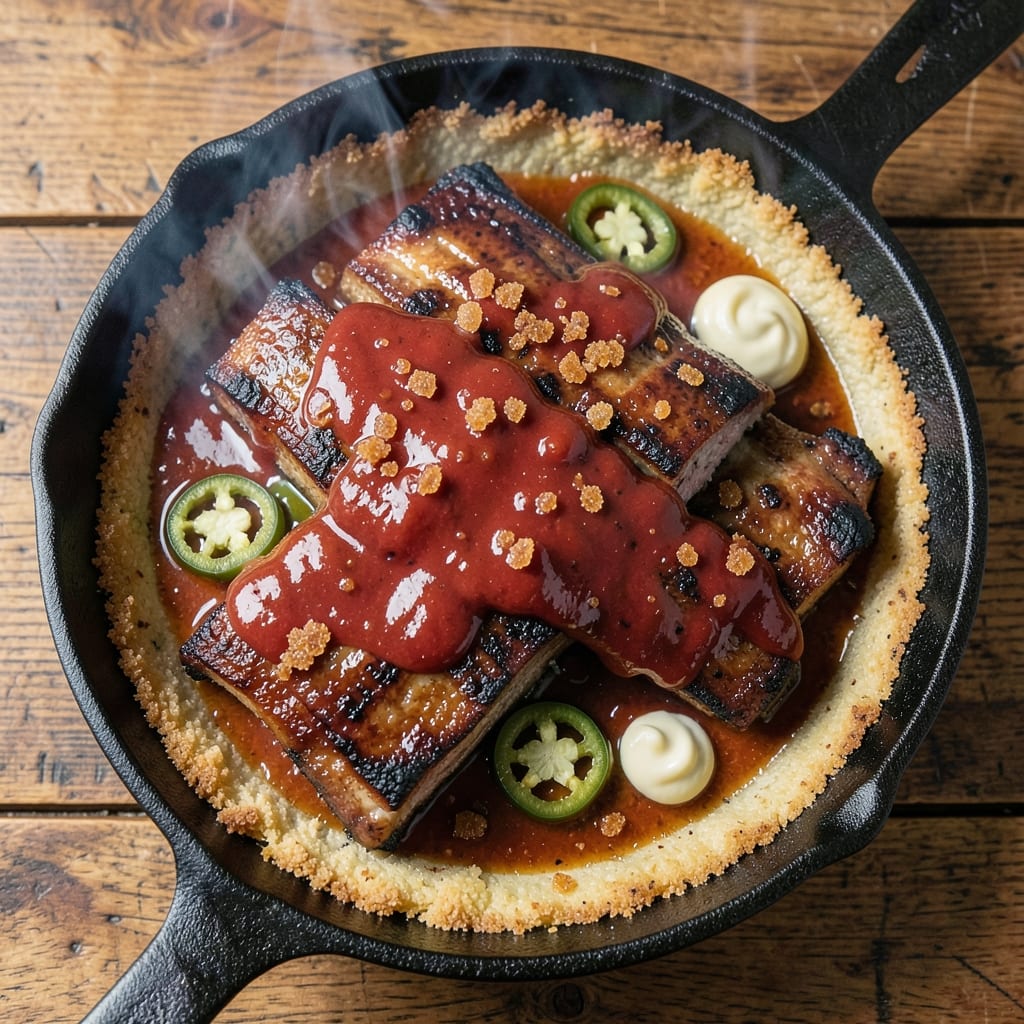
A barbecue beef spare ribs recipe delivers that legendary fall-off-the-bone tenderness and smoky depth that turns every meal into an event. After years of perfecting my approach—balancing traditional pitmaster techniques with modern shortcuts—I’ve cracked the code for ribs that develop that coveted smoke ring while staying juicy through every bite. The secret lies in patience, temperature control, and a rub that builds layers of flavor without overpowering the natural beef taste.
This recipe follows the proven 3-2-1 method (3 hours smoke, 2 hours wrapped, 1 hour unwrapped), but with a twist: I’ve refined the timing and wood selection to ensure that signature smoke ring appears without drying out the meat. You’ll start with a dry rub that clings to the ribs like armor, then move to indirect heat where hickory or oak smoke transforms the texture and aroma. The key is maintaining a consistent 225–250°F temperature throughout—no hot spots, no rushing.
By the time you’re done, you’ll have ribs so tender they practically melt in your mouth, with a deep mahogany crust and that unmistakable smoky aroma filling your kitchen. The meat should pull away cleanly from the bone, and the sauce (if you choose to add one) will cling like liquid gold. This isn’t just barbecue—it’s a technique that turns a simple cut of meat into a showstopper, worthy of any backyard feast or competition table.
Whether you’re cooking for a crowd or treating yourself to a solo smoker session, these ribs deliver restaurant-quality results with minimal fuss. Pair them with classic sides like creamy coleslaw, buttery cornbread, or a crisp green salad to balance the richness. Let’s get started—your ribs are waiting for their moment in the smoke.
Ingredients for barbecue beef spare ribs
Six ingredients for the rub, two for wrapping—just the essentials for Texas-style ribs that'll have everyone begging for seconds.
| Ingredient | Amount | Notes |
|---|---|---|
| Beef Spare Ribs 🍖 | 4 lb | Bone-in, meaty ends preferred |
| Yellow Mustard 🍯 | ¼ cup | For binder application |
| Brown Sugar 🍚 | ½ cup | Packed, light or dark |
| Smoked Paprika 🌶️ | ¼ cup | For deep smoky flavor |
| Chili Powder 🌶️ | 2 tbsp | Medium heat preferred |
| Ground Black Pepper 🌶️ | 1 ½ tbsp | Freshly cracked |
| Garlic Powder 🧄 | 1 ½ tbsp | Freshly ground preferred |
| Onion Powder 🧅 | 1 ½ tbsp | For balanced sweetness |
| Salt 🧂 | 1 tbsp | Kosher or coarse sea |
| Hickory Wood Chips 🌳 | 2 cups | Unsoaked, for smoker |
| Apple Cider Vinegar 🍎 | ¼ cup | For wrapping liquid |
| Butter 🧈 | ¼ cup | Unsalted, for wrapping |
| Beef Broth 🍲 | ¼ cup | Low-sodium preferred |
| Aluminum Foil 📄 | 1 sheet | Heavy-duty, for wrapping |
| Barbecue Sauce 🍅 | ½ cup | Optional, for finishing |
The ribs are the star, so grab meaty spare ribs with good bone structure—the more meaty ends, the better. Costco or local butchers usually have the best cuts, but any grocery store meat department will work. Look for ribs with a good layer of fat—it's what keeps them juicy during that long smoke. If you're buying frozen, thaw them overnight in the fridge. The wood chips? Hickory is non-negotiable for that classic Texas smoke, but oak works too if you want a milder flavor. Soak them for 30 minutes before using, but I usually skip that step—unsoaked works fine if you keep the fire going steady.
No smoked paprika? Regular paprika plus a pinch of liquid smoke gets you close. Short on brown sugar? White sugar plus a splash of molasses works in a pinch. The mustard is just to help the rub stick—any yellow mustard will do, but Dijon adds extra depth. For wrapping, I use apple cider vinegar because it's acidic enough to tenderize, but white vinegar or even orange juice works too. The butter and beef broth create a steam bath that keeps the ribs moist. Pro tip: Use low-sodium broth so you don't over-salt the ribs. And if you're feeling fancy, add a splash of bourbon to the wrapping liquid—trust me, it makes a difference.
Store leftover ribs in an airtight container for up to 4 days—they reheat beautifully wrapped in foil with a splash of water. For longer storage, freeze them for up to 3 months. I like to portion them into individual servings before freezing so they're ready to go straight from the freezer to the smoker. The rub? Make extra—it keeps for 6 months in an airtight container. And if you're planning ahead, these ribs actually taste better the next day once all the flavors meld together. That's when you know you've nailed it.
Why You'll Love This Recipe
- One-Pan Magic: I swear by this recipe—just ribs, a quick rub of mustard, brown sugar, and those smoky spices, then straight into the oven. No messy sauces, no extra bowls, just hands-off perfection while you sip your drink.
- Smoky-Sweet Payoff: That caramelized crust from the brown sugar? Chef’s kiss. The smoked paprika and chili powder give it this deep, tangy heat that sticks with you—like a hug from a backyard grill, but indoors.
- Tailgate or Taco Night: Serve them whole for game day (they’re sturdy enough to handle the crowd) or chop the leftovers into tacos the next night. My kids actually ask for them cold in their lunchboxes—yes, really.
- Budget-Friendly Feast: A full rack of ribs costs less than takeout, and the leftovers? Even better the second day. Honestly, I make this twice a month just to have ribs on hand for lazy nights.
Step-by-step instructions for Texas-style smoked beef spare ribs
Here's how to create restaurant-quality ribs with that coveted Texas smoke ring and tender meat.
Prepare the Ribs with Mustard and Dry Rub
Start by removing the beef spare ribs from the packaging and patting them dry with paper towels. This step is crucial—any moisture on the surface will prevent your rub from sticking properly. In a small bowl, mix together the 0.5 cup packed brown sugar, 0.25 cup smoked paprika, 2 tablespoons chili powder, 1.5 tablespoons each of garlic powder, onion powder, and ground black pepper, and 1 tablespoon salt.
Spread a thin layer of 0.25 cup yellow mustard over both sides of the ribs. The mustard acts as a binder, helping the dry rub cling to the meat. Then, generously coat the ribs with the dry rub mixture, pressing it into the meat so it adheres well. Place the ribs on a wire rack set over a baking sheet and refrigerate uncovered for at least 2 hours or up to 24 hours. This resting time allows the rub to penetrate the meat and develop deep flavor.
Set Up the Smoker with Hickory Wood Chips
While the ribs are resting, prepare your smoker. Fill the smoker box with the 2 cups hickory wood chips and soak them in water for 30 minutes if your smoker requires it. Preheat your smoker to 225°F. You'll know it's ready when you see a steady stream of thin blue smoke—this indicates the wood is burning properly and producing the right amount of smoke.
Place a water pan in the smoker to help maintain moisture during the long cook. The ribs should go in fat-side up, which helps render fat and baste the meat as it smokes. Close the lid and resist the urge to open it—every time you peek, you lose heat and extend the cook time. This low-and-slow method is key to achieving tender meat with that signature Texas smoke ring.
Smoke the Ribs Until They Stall
Smoke the ribs undisturbed for 4-5 hours until the internal temperature reaches 165-170°F. This is where you'll hit "the stall"—the temperature stops rising as moisture evaporates from the meat. Don't panic; this is normal and expected. The ribs will look dry on the surface, but that's just the beginning of the transformation.
At this point, it's time to wrap the ribs. In a small bowl, mix together the 0.25 cup apple cider vinegar, 0.25 cup beef broth, and 0.25 cup unsalted butter. Cut a large piece of heavy-duty aluminum foil and lay it out on a clean surface. Spread the vinegar mixture evenly over the foil, then place the ribs on top. Fold the foil tightly to seal in the moisture and steam, creating a perfect environment for the ribs to finish cooking.
Finish Cooking and Rest the Ribs
Return the wrapped ribs to the smoker and continue cooking until the internal temperature reaches 200-203°F. This should take another 2-3 hours. The ribs are done when they're fork-tender and pull apart easily. Remove the ribs from the smoker and let them rest on a cutting board for 10-15 minutes. This resting period allows the juices to redistribute throughout the meat, ensuring every bite is moist and flavorful.
Unwrap the ribs and brush them lightly with 0.5 cup barbecue sauce if desired. The sauce is optional, but it adds a glossy finish and extra flavor. Slice the ribs between the bones and serve immediately. Each bite should deliver tender, smoky meat with a beautiful pink smoke ring just beneath the bark. These ribs are perfect for sharing with friends and family, and they pair wonderfully with classic barbecue sides like coleslaw and cornbread.
Pro Tips For Making Barbecue Beef Spare Ribs
- TRIM THE FAT CAP: Beef spare ribs have a thick fat cap that can turn greasy if left on—trim it down to ¼-inch or less. I learned this the hard way after serving ribs that were more slick than smoky, and the meat underneath stayed tender while the fat stayed crispy.
- BRINE THE RIBS OVERNIGHT: Skip the dry rub if you’re short on time—soak the ribs in a mix of 1 gallon water, ½ cup brown sugar, ¼ cup yellow mustard, and 2 tablespoons each of smoked paprika and chili powder for 12 hours. The sugar and spices penetrate deeper, and the mustard adds a tangy base that cuts through the richness.
- WRAP THEM AT 195°F: Don’t rush the ribs to the wrap stage—wait until the internal temp hits 195°F before wrapping them in foil with apple juice or beer. After burning through three batches where the ribs turned out dry, I realized patience here makes all the difference.
- USE A SPRAY BOTTLE FOR SAUCE: Instead of slathering sauce thickly, spray a light mist of yellow mustard mixed with a little water every 30 minutes after the initial rub. This keeps the ribs tender while building flavor without smothering them—my grandmother swore by this, and she was right.
Perfect pairings for this dish
Classic BBQ Sides
Nothing beats these ribs with a bowl of creamy coleslaw—I make mine with shredded cabbage, carrot, mayo, apple cider vinegar, and a pinch of celery seed for that tangy crunch. The acidity cuts through the richness of the ribs perfectly. For a heartier option, serve with buttery cornbread—I love using a mix with honey and jalapeños for a little kick. 🥗
Fresh Contrasts
A crisp green salad with mixed greens, cherry tomatoes, cucumber, and a light red wine vinaigrette balances the smoky flavors beautifully. Add toasted pecans for crunch and feta cheese for a touch of saltiness. If you want something lighter, grilled corn on the cob brushed with chili-lime butter is a crowd-pleaser.
Sauce Pairings
While the ribs shine on their own, a homemade tangy tomato-based sauce (like my favorite with ketchup, apple cider vinegar, brown sugar, and smoked paprika) adds a glossy finish. For a sweeter option, try a honey-mustard glaze—just mix honey, Dijon mustard, and a splash of apple cider vinegar, then brush on in the last 10 minutes of cooking. 🍯
Drink Recommendations
A cold Texas-style beer like Lone Star or Shiner Bock complements the smoky flavors without overpowering them. For something lighter, a sparkling lemonade with fresh mint keeps things refreshing. And if you're feeling fancy, a bold red wine like Cabernet Sauvignon stands up to the richness of the ribs.
Dessert Pairings
End the meal with peach cobbler—the sweetness of ripe peaches pairs perfectly with the smoky ribs. For a lighter option, vanilla ice cream with a drizzle of honey or caramel sauce is always a hit. If you're craving something more indulgent, chocolate chip cookies or pecan pie are classic BBQ dessert pairings. 🍰
Nutrition facts
Frequently asked questions
Why do you recommend wrapping ribs in foil during cooking?
The foil wrap creates a steam bath that helps break down collagen in the meat, resulting in that coveted fall-off-the-bone tenderness. The vinegar-butter mixture also adds moisture, preventing dryness while maintaining smoky flavor. This is the key to that perfect 200-203°F internal temperature without overcooking the surface.
Can I use an oven instead of a smoker for this recipe?
Yes! Preheat your oven to 225°F and use a meat thermometer to monitor temperature. Place ribs on a wire rack over a tray with water to create steam. Cook for 5-6 hours total, wrapping them in foil when they reach 165°F and finishing at 200°F. The smoke flavor will be different but still delicious. For extra smokiness, add a few wood chips to the oven or use a smoker box insert.
What's the best way to tell if beef spare ribs are done?
Use a meat thermometer to check the internal temperature at the thickest part of the meat. Ribs are perfect when they reach 200-203°F—this is when the collagen fully breaks down. The meat should pull away cleanly from the bone with just slight resistance. If you don't have a thermometer, the ribs should be fork-tender and pull apart easily.
How do I prevent ribs from drying out during the long cook?
Keep a water pan in your smoker or oven to maintain moisture, and never let the temperature exceed 250°F. The foil wrap is your best friend—it traps steam and prevents moisture loss. Also, avoid peeking too often, as opening the lid causes heat loss and drying. If using a gas grill, use only indirect heat and place a water bottle on the grill grates to add humidity.
Can I make this recipe with pork spare ribs instead?
While this recipe is specifically designed for beef spare ribs, you can adapt it for pork by reducing the cook time slightly. Pork ribs typically reach 203°F about 1-2 hours faster than beef. Adjust your rub to include more sweetness (like extra brown sugar) to complement pork's natural flavor. The wrapping technique remains the same, but pork ribs often benefit from an extra 30 minutes unwrapped at the end for a better bark.