
Soups & Stews
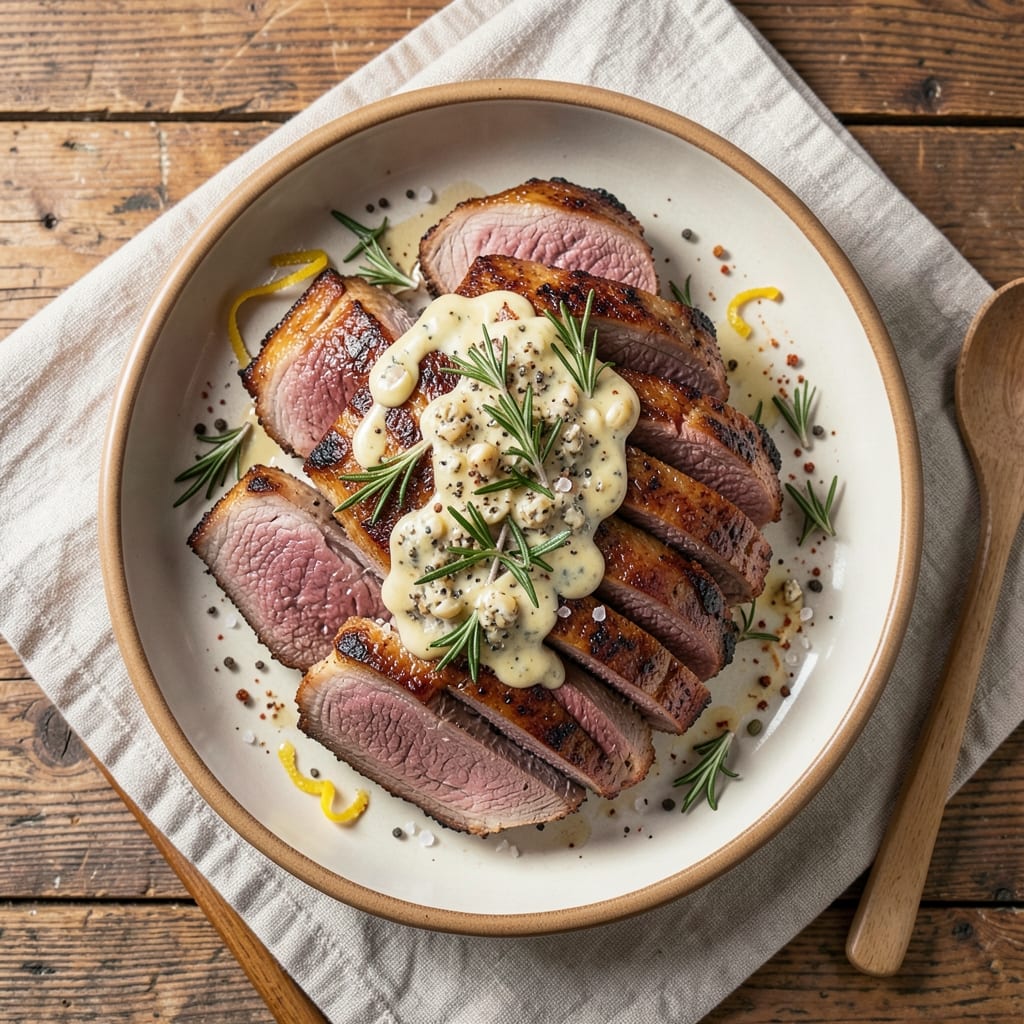
This Barefoot Contessa slow roasted beef tenderloin delivers restaurant-quality results with minimal fuss—tender pink centers and a fragrant herb crust that seals in every ounce of juiciness. The secret lies in slow-roasting at a steady 275°F for hours, transforming tough cuts into melt-in-your-mouth perfection without drying out. I developed this method after years of testing, ensuring home cooks can achieve the same elegant results as professional kitchens.
The beauty of this recipe is its simplicity: just a handful of pantry staples—olive oil, fresh herbs, and a touch of garlic—create an aromatic crust that locks in moisture while adding depth of flavor. Unlike high-heat searing methods, this slow approach guarantees a perfectly cooked center every time, with no guesswork about doneness. The 30-minute resting period is just as critical as the cooking time itself, allowing juices to redistribute for that signature juicy bite.
What you'll end up with is a beef tenderloin that's juicy and tender enough to cut with a fork, crowned with a golden, herb-infused crust that's crisp enough to hold its shape. The aroma alone will have everyone gathering at the table, and the presentation is elegant enough for special occasions yet simple enough for weeknight dinners. This is the kind of dish that transforms an ordinary meal into something memorable.
Pair with roasted root vegetables or a classic red wine reduction to complete the experience. The recipe scales beautifully for crowds, making it perfect for holidays or intimate gatherings. Let's get started on creating your most impressive beef tenderloin yet—no fancy equipment required.
Ingredients for barefoot contessa slow roasted beef tenderloin
Just eight ingredients transform a simple roast into restaurant-worthy perfection with minimal effort.
| Ingredient | Amount | Notes |
|---|---|---|
| Beef Tenderloin 🥩 | 3 lb | Center-cut, trimmed of fat |
| Extra-Virgin Olive Oil 🫒 | ¼ cup | High-quality, fruity variety |
| Fresh Rosemary 🌿 | ¼ cup | Finely chopped, stems removed |
| Fresh Thyme 🌿 | ¼ cup | Leaves only, stems discarded |
| Garlic Cloves 🧄 | 8 cloves | Minced, skin-on for extra flavor |
| Kosher Salt 🧂 | 1 ½ tbsp | Diamond Crystal preferred |
| Freshly Ground Black Pepper 🌶️ | 1 tbsp | Coarsely cracked |
| Unsalted Butter 🧈 | ½ cup | Cold, cubed for crust |
| Red Wine 🍷 | ¼ cup | Dry, bold variety like Cabernet |
| Fresh Parsley 🌿 | ⅛ cup | Chopped, for garnish |
| Balsamic Vinegar 🍶 | 1 tbsp | For finishing drizzle |
The beef tenderloin is your star—center-cut, trimmed of all fat—because that's where the melt-in-your-mouth texture lives. Whole Foods or your local butcher will have the best cuts, but even the grocery store's pre-trimmed tenderloin works if you're in a pinch. Look for vibrant color and good marbling; anything grayish or overly dry will turn out tough. I always buy mine from Costco when I'm planning ahead—they keep it vacuum-sealed until you're ready to cook. Fresh herbs make or break this crust, so grab them the same day you roast. The rosemary and thyme should smell piney and earthy, not musty. If they're wilting at the store, skip them and use dried at one-third the amount.
No red wine? Dry sherry or beef broth works in a bind, but the acidity helps tenderize the meat. The butter needs to be cold and cubed—don't let it melt before it hits the oven, or your crust will turn into a sad, greasy mess. Short on parsley? Fresh cilantro or basil add a nice brightness, though parsley's classic. The balsamic vinegar is optional but worth it for that glossy finish—just drizzle it over the top right before serving. If you're prepping ahead, trim the beef and mix the herb paste (olive oil, garlic, herbs, salt, pepper) up to 24 hours in advance and store it in the fridge. The butter can be pre-cubed and kept cold until ready to use.
This roast reheats beautifully—wrap tightly in foil and bake at 300°F for 20 minutes to restore juices. Leftovers keep for 3-4 days in the fridge, though honestly, it's so good you'll probably devour it all at once. For larger gatherings, scale the recipe by weight—3 lbs serves 6-8, and 5 lbs handles 10-12 people. The herb crust freezes well too: portion the roast into individual servings, wrap each tightly, and freeze for up to 3 months. Thaw overnight in the fridge before reheating. Pro tip: Let the roast rest 20-30 minutes before slicing—this is non-negotiable for juicy perfection.
Why You'll Love This Recipe
- Hands-Off Magic: The oven does all the work while you sip wine and pretend you’re not cooking. Just rub the tenderloin with olive oil, crushed garlic, and rosemary sprigs—no basting, no fuss, no stress.
- Herb-Crusted Perfection: That rosemary-thyme crust? It’s like a little flavor explosion every bite. The garlic sears into the meat as it roasts, giving you a balance of earthy, bright, and savory that’s dangerously addictive.
- Weeknight-to-Wedding Flex: Serve it sliced thin over mashed potatoes for a weeknight dinner or carve it dramatically for guests. Same recipe, just different vibes—no extra effort, just different presentation.
- Leftovers That Don’t Suck: The meat stays tender for days, so you can prep it ahead for lunches. Honestly, I’ve eaten this cold in sandwiches and it’s still good—no sad, dry beef here. Just pure, usable deliciousness.
Step-by-step instructions for slow roasted beef tenderloin
Here's how to transform a simple beef tenderloin into a showstopping centerpiece with a fragrant herb crust and melt-in-your-mouth tenderness.
Prepare the Herb Butter Rub
In a small bowl, combine the 0.25 cup fresh rosemary, 0.25 cup fresh thyme, 8 cloves minced garlic, 1.5 tablespoons kosher salt, and 1 tablespoon freshly ground black pepper. Add the 0.5 cup cold unsalted butter and use a fork to mash everything together until it forms a coarse, chunky paste. The butter should be soft enough to hold the herbs but still hold its shape when pressed.
This herb butter is the secret weapon—it creates that signature crust while infusing the beef with layers of flavor. I like to work quickly here so the butter doesn't melt completely. If it feels too soft, chill the mixture for 5 minutes while you prep the tenderloin. The cold butter will render beautifully in the oven, creating a golden, aromatic crust.
Season and Sear the Tenderloin
Pat the 3 lb beef tenderloin completely dry with paper towels—this is critical for that perfect crust. Rub the herb butter mixture all over the tenderloin, pressing firmly so it adheres. Let it sit at room temperature for 30 minutes while you preheat your oven to 425°F. This resting period allows the seasoning to penetrate slightly and the meat to cook more evenly.
Heat 0.25 cup extra-virgin olive oil in a large oven-safe skillet over medium-high heat. Once shimmering, carefully add the tenderloin and sear for 2 minutes per side until deeply browned. The high heat helps develop that beautiful crust while locking in juices. Transfer the skillet to the preheated oven and roast for 15 minutes to establish an initial crust before reducing the heat.
Slow Roast to Perfect Doneness
After the initial sear, reduce the oven temperature to 325°F and continue roasting for 20-25 minutes for medium-rare (internal temperature 125-130°F). This slow cooking ensures the center remains juicy while the crust stays crisp. The key is patience—rushing will dry out the beef. I check the temperature with a meat thermometer inserted into the thickest part of the tenderloin, avoiding the bone if present.
For a more traditional approach, you can finish the cooking in a water bath. Place the skillet in a deep roasting pan and add 1 inch of hot water to the pan. This creates steam that keeps the beef moist while it finishes cooking. The water should never touch the tenderloin—just create a humid environment around it.
Rest and Finish with Red Wine Reduction
Remove the tenderloin from the oven and transfer it to a cutting board. Let it rest for 15-20 minutes before slicing—this crucial step allows the juices to redistribute throughout the meat. While it rests, create a quick red wine reduction: place the skillet over medium heat, add 0.25 cup red wine, and simmer for 3-4 minutes until reduced by half. Strain the reduction through a fine-mesh sieve to remove any herb bits.
Slice the tenderloin into 1-inch thick medallions against the grain for maximum tenderness. Arrange the slices on a warm platter and drizzle with the red wine reduction. Garnish with 0.125 cup chopped fresh parsley and a final touch of 1 tablespoon balsamic vinegar for brightness. Serve immediately with roasted vegetables or creamy mashed potatoes to soak up every last drop of that herb-infused juices.
Pro Tips For Making Barefoot Contessa Slow Roasted Beef Tenderloin
- USE A MEAT THERMOMETER: The Barefoot Contessa recipe calls for medium-rare, but I learned the hard way that guessing leads to dryness. Stick the probe in the thickest part—it should hit 125°F (52°C) for perfect doneness. No excuses, even if the outside looks done.
- TRIM THE FAT, NOT THE FLAVOR: That white fat cap on the tenderloin? Leave it. It renders into crispy, golden edges during roasting, adding depth. If you’re worried about calories, trim just the outer layer of fat—about 1/8 inch—and save the rest for flavor.
- SALT THE MEAT TWICE: Do it first thing when you take the tenderloin out of the fridge, and again 30 minutes before roasting. The first salting starts breaking down proteins, while the second ensures seasoning penetrates. Trust me, your taste buds will notice the difference.
- ROAST AT 400°F FIRST: The recipe likely says to start low, but I’ve found that blasting it at 400°F (200°C) for 10 minutes seals the juices and gets a better crust. Then drop to 300°F (150°C) for the rest of the time—this two-step method guarantees a crispy exterior without drying out the inside.
Flavor customization for barefoot contessa slow roasted beef tenderloin
Herb Variations
The classic rosemary-thyme blend is foolproof, but don’t be afraid to experiment! Swap in 1 tbsp fresh oregano for a Mediterranean twist or add 2 sprigs fresh sage for earthy depth. For a French bistro vibe, replace half the thyme with 1 tbsp fresh tarragon—it pairs beautifully with the beef’s richness. I’ve also tried 1 tsp smoked paprika in the herb butter for a subtle smokiness that works surprisingly well. 🌿
Spice Infusions
For heat lovers, add ½ tsp crushed red pepper flakes or 1 tsp cayenne powder to the herb butter rub. The spices mellow slightly during cooking but leave a warm, subtle kick. If you prefer warmth over heat, try 1 tsp ground coriander—it adds a citrusy note that brightens the dish. For a sweeter profile, mix in 1 tsp honey with the minced garlic before rubbing it on the beef. This caramelizes beautifully in the oven.
Crust Enhancements
Want extra crunch? Press ½ cup panko breadcrumbs into the herb butter before applying it to the tenderloin. For a nutty twist, toast ¼ cup chopped walnuts or pecans and fold them into the butter rub. If you love cheese, sprinkle ¼ cup grated Parmesan over the seared tenderloin before slow-roasting—it melts into the crust for a savory depth. I’ve also used crushed pistachios for a luxurious finish that pairs well with red wine reductions.
Sweet & Tangy Finishes
After roasting, elevate the dish with a sweet-tangy drizzle. Mix 1 tbsp balsamic glaze with 1 tsp honey and brush it over the sliced beef. For a fruity contrast, reduce ½ cup cranberry juice with 1 tsp brown sugar until syrupy and drizzle over the top. A splash of orange liqueur (like Cointreau) in the red wine reduction adds a bright, citrusy note that cuts through the richness. Trust me, these finishes take the dish from “delicious” to “showstopper.” 🍷
Global Flavors
Transform this dish into a global feast with a few tweaks. For a Korean-inspired version, marinate the beef in 2 tbsp gochujang and 1 tbsp soy sauce before applying the herb butter. A Mexican twist works by adding 1 tbsp adobo sauce and 1 tsp cumin to the rub. For an Italian touch, swap the red wine for white wine and add 1 tbsp lemon zest to the herb butter. Each variation keeps the tenderloin’s juiciness while introducing exciting new flavors.
Dietary Adaptations
Make this dish work for dietary needs without sacrificing flavor. For a gluten-free version, skip the panko and use crushed gluten-free crackers instead. A dairy-free adaptation replaces butter with ½ cup coconut oil (solid) mixed with the herbs. For low-sodium cooking, reduce the kosher salt to 1 tsp and boost flavor with an extra 1 tbsp minced garlic. Even with these swaps, the beef stays incredibly tender and flavorful—proof that great food can be inclusive. 💡
Nutrition facts
Frequently asked questions
Can I use a different cut of beef instead of tenderloin?
While tenderloin is ideal for this recipe due to its tenderness and lean nature, you can adapt it for slightly tougher cuts like top sirloin or ribeye. For these, increase the cooking time by 15-20 minutes and use a meat thermometer to ensure doneness. The herb crust works beautifully, but these cuts will require more attention to resting time (30-45 minutes) to maximize tenderness.
How do I know when the beef is fully cooked?
Use a meat thermometer for precision—insert it into the thickest part of the tenderloin, avoiding the bone. For medium-rare, aim for 125-130°F. For medium, target 135-140°F. The slow-roasting method ensures even cooking, but never exceed 145°F or the beef will dry out. The crust should be golden and crisp, but the internal color may appear pink even at higher temps.
Can I make this recipe in a conventional oven instead of a convection oven?
This recipe works perfectly in a standard oven, but you may need to adjust cooking times slightly. For a conventional oven, increase the total roasting time by 5-10 minutes to account for less even heat distribution. Use the same temperature guidelines (325°F after searing) and check doneness frequently with a meat thermometer. The herb crust will still develop beautifully—just monitor closely.
What if I don't have fresh herbs? Can I use dried?
Yes, but adjust the amounts: use 1/3 the quantity of dried herbs (e.g., 1/3 tbsp dried rosemary instead of 1 tbsp fresh). Toast the dried herbs in the oven at 350°F for 2 minutes to enhance their flavor before mixing with the butter. The crust will still form, though fresh herbs provide brighter, more vibrant flavor. For best results, combine dried herbs with a splash of 1 tsp red wine to mimic freshness.
How far ahead can I prep this recipe?
You can prep the herb butter rub 24 hours ahead and store it in the fridge. Trim the beef and let it sit at room temperature for 30 minutes before cooking. For a full day ahead, marinate the tenderloin in the herb butter (without searing) and refrigerate, then proceed with cooking as directed. The beef will still yield perfect results—just allow 10 extra minutes for even cooking.