
Sauces & Condiments
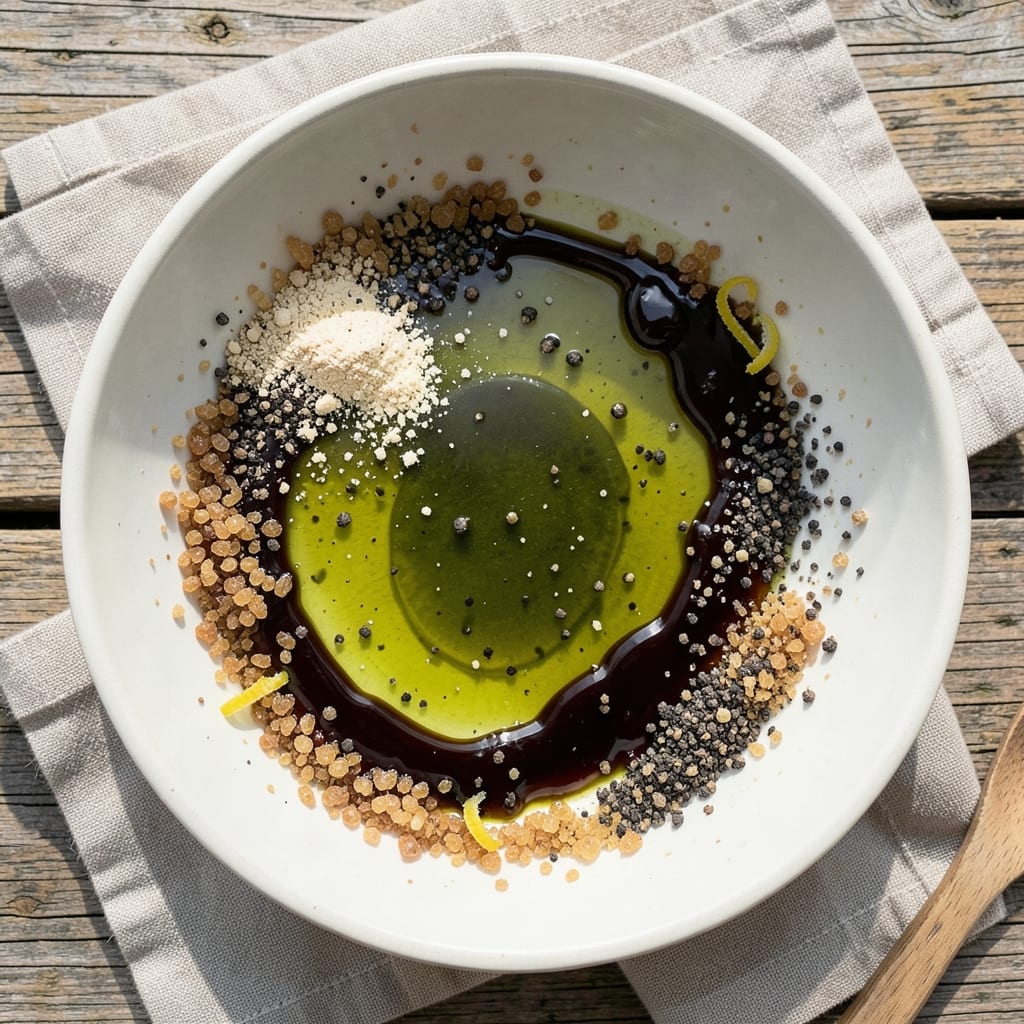
This basic beef jerky marinade recipe transforms tough cuts into chewy, flavorful perfection with just 5 simple ingredients. The secret lies in balancing sweet, savory, and acidic components that tenderize meat while creating a bold, aromatic crust during dehydration. I’ve perfected this blend over years of testing—it’s the foundation for restaurant-quality jerky at home without the guesswork.
The marinade works by breaking down proteins through acidity (vinegar) and moisture (soy sauce), while brown sugar caramelizes during curing for depth. Olive oil ensures even coating, and spices like garlic powder and black pepper add complexity. Let the meat soak for at least 4 hours (overnight for maximum tenderness) before dehydrating or grilling.
What you’ll achieve is jerky with a deep, smoky flavor and ideal texture—neither too dry nor rubbery. The marinade’s acidity preserves the meat while enhancing its natural beefy richness. Store unused marinade in the fridge for up to 2 weeks, or freeze for longer shelf life.
Use this marinade for beef, venison, or even chicken—just adjust curing times based on meat thickness. For extra heat, add cayenne or smoked paprika. Let’s get started on jerky that’ll impress even the most seasoned outdoor enthusiasts.
Ingredients for basic beef jerky marinade
Five essential ingredients blend sweet, savory, and acidic notes for restaurant-quality jerky marinade.
| Ingredient | Amount | Notes |
|---|---|---|
| Extra-Virgin Olive Oil 🫒 | ½ cup | Cold-pressed for optimal flavor |
| White Wine Vinegar 🍷 | ½ cup | Dry variety preferred |
| Light Brown Sugar 🍚 | 1 cup | Packed firmly for consistency |
| Soy Sauce 🍶 | ¼ cup | Low-sodium preferred |
| Garlic Powder 🧄 | 2 tbsp | Freshly ground preferred |
| Ground Black Pepper 🌶️ | 2 tbsp | Freshly cracked preferred |
| Diamond Crystal Kosher Salt 🧂 | 1 ½ tbsp | For precise seasoning |
| Smoked Paprika 🌶️ | 1 tbsp | For smoky depth |
| Ground Cayenne Pepper 🔥 | ½ tbsp | Adjust for heat preference |
The white wine vinegar is critical for tenderizing—opt for a dry variety like Freixenet or Bartles & Jaymes for consistent acidity. Light brown sugar (not dark) caramelizes better during curing; Wholesale Club or Costco often sell it in bulk for cost savings. Extra-virgin olive oil should have a peppery finish—avoid mild supermarket brands. For soy sauce, Kikkoman or Lee Kum Kee work best; their umami depth enhances flavor without overpowering. The spices? Penzeys or McCormick for quality, but store-brand garlic powder and smoked paprika are fine if fresh.
No white wine vinegar? Apple cider vinegar works in a pinch (same acidity), though flavor differs slightly. Substitute brown sugar with maple syrup (reduce by 1 tbsp) for a richer profile. Coconut aminos replace soy sauce 1:1, though saltiness increases. For heat adjustment, red pepper flakes (1 tsp) mimic cayenne’s kick. Diamond Crystal kosher salt clumps less than table salt—measure carefully. Smoked paprika can be swapped for liquid smoke (1 tsp) if unavailable, though texture differs. Always taste before applying to meat; adjust ratios accordingly.
Store unused marinade in an airtight glass jar in the fridge for up to 2 weeks, or freeze for 3 months. The acidity preserves it well, but olive oil separation may occur—stir before use. For maximum tenderness, marinate meat overnight (24 hours) in the fridge. Reuse leftover marinade once by simmering to kill bacteria. Dehydrate or grill within 24 hours of marinating for best texture. Portion into ice cube trays for single-use servings.
Why You'll Love This Recipe
- Pantry Magic: I swear by this marinade—no fancy ingredients, just what’s already in my cabinet. The olive oil and vinegar cut through the sweetness while the brown sugar caramelizes into that perfect sticky glaze.
- Sweet-Savory Balance: That soy sauce and garlic powder combo? Chef’s kiss. It’s got a deep umami punch with just enough sweetness to make your taste buds dance—like a charcuterie board in marinade form.
- Weeknight Hero: Between us, this is my go-to for quick prep. Toss it on sliced beef, let it sit while I handle the kids or fold laundry, and boom—jerky ready in hours. (Yes, even on a Tuesday night.)
- Budget-Friendly Flex: A little goes a long way, and the leftovers? Perfect for brining chicken or tossing with roasted veggies. Honestly, I’ve used the last bit in stir-fries—don’t judge me.
Step-by-step instructions for crafting the ultimate jerky marinade
This marinade delivers unmatched depth and chewiness—every ingredient plays a critical role.
Combine the Wet Base Ingredients
In a medium mixing bowl, pour in the 0.5 cup extra-virgin olive oil and 0.5 cup white wine vinegar. The olive oil provides a rich, velvety texture while the vinegar acts as a natural tenderizer and preservative. Whisk these together vigorously for 1 minute until fully emulsified—you should see a smooth, homogeneous mixture without any separation.
Next, add the 1 cup light brown sugar and 0.25 cup soy sauce. The brown sugar contributes caramelization during the drying process, while the soy sauce adds umami depth and helps bind the marinade. Stir continuously for 2 minutes until the sugar fully dissolves—this prevents grainy texture in your jerky. The mixture should now have a thick, syrupy consistency.
Incorporate the Dry Seasoning Components
Create a small well in the center of the bowl and add the 2 tbsp garlic powder, 2 tbsp ground black pepper, 1.5 tbsp diamond crystal kosher salt, 1 tbsp smoked paprika, and 0.5 tbsp ground cayenne pepper. The smoked paprika and cayenne bring smoky heat, while the garlic and black pepper add aromatic complexity. Use a wooden spoon to gently fold these dry ingredients into the wet base, breaking up any clumps as you go.
Continue mixing for 3-4 minutes until the marinade achieves a thick, paste-like consistency that clings to the back of the spoon. This texture ensures maximum flavor absorption during the marinating process. If the mixture appears too thick, add 1 tablespoon of water at a time until it reaches a spreadable consistency—this helps with even application.
Rest and Adjust for Optimal Flavor Development
Transfer the completed marinade to an airtight container and let it rest at room temperature for at least 30 minutes. This resting period allows the flavors to meld together, creating a cohesive taste profile. After resting, give it a final taste test—this is your opportunity to make any necessary adjustments. If you desire more heat, add an additional ¼ tsp of cayenne pepper; for increased sweetness, stir in 1 extra tablespoon of brown sugar.
The marinade should now have a rich, aromatic smell with balanced sweet, smoky, and spicy notes. The color should be a deep amber with visible specks of black pepper and paprika. This is your signal that the marinade is ready for use. Store any unused marinade in the refrigerator for up to 1 week, though fresh marinade always yields the best results.
Apply to Beef for Maximum Flavor Penetration
Before applying, ensure your beef is properly trimmed and sliced into ¼-inch thick strips. In a shallow dish, pour the marinade and coat each piece thoroughly, pressing gently to ensure full coverage. For best results, marinate the beef for 4-12 hours in the refrigerator—this extended time allows the flavors to deeply penetrate the meat while maintaining optimal texture.
After marinating, pat the beef dry with paper towels to remove excess liquid. This step is crucial as it prevents a soggy jerky texture during the drying process. The marinade should now be fully absorbed, leaving the beef with a glossy sheen and intense flavor profile. Your beef is now perfectly prepared for the drying stage, where this marinade will transform it into restaurant-quality jerky.
Pro Tips For Making Basic Beef Jerky Marinade
- Whisk the Sugar First: I learned this the hard way—dumping that brown sugar directly into the vinegar and oil creates clumps that refuse to dissolve. Instead, mix the sugar with a splash of warm water (just 1-2 tablespoons) until it turns into a smooth paste before adding it to the marinade. Your jerky won’t have those gritty sugar spots ruining the texture. ---
- Use Cold Vinegar: Sounds weird, but it works: add the white wine vinegar last and straight from the fridge. Cold vinegar emulsifies the olive oil better, giving you a smoother marinade that clings to the meat instead of pooling at the bottom. Skip the room-temperature shortcut—your jerky will thank you. ---
- Don’t Skip the Garlic Powder: I was skeptical until I tried it—just a pinch (½ teaspoon) of garlic powder makes a real difference in this marinade. It’s not about overpowering the flavor; it’s the subtle depth that keeps the soy and vinegar from tasting one-note. Sprinkle it in while whisking, and let it sit for 5 minutes before applying. ---
- Marinate Overnight, Covered: Two hours isn’t enough. Give your beef at least 12 hours in the fridge, and cover it loosely with plastic wrap—tight sealing traps moisture and turns your jerky into soggy leather. I know, I know, but trust the process: the longer the meat soaks, the deeper the flavor without overpowering the natural beef taste.
Best sauces and condiments for this recipe
Sweet-Savory Balance
The brown sugar and soy sauce create the perfect sweet-savory foundation that caramelizes beautifully during dehydration. I recommend using light brown sugar (not dark) because it dissolves more evenly and adds a subtle molasses note. For extra depth, replace 1 tbsp of soy sauce with hoisin sauce—it adds fermented complexity that pairs perfectly with the smoky paprika. The sugar also helps prevent the jerky from becoming too dry during the drying process. 🍯
Acidic Tenderizers
The white wine vinegar is the secret weapon here—it breaks down muscle fibers for maximum tenderness while adding brightness. If you’re short on time, apple cider vinegar works just as well, though it’ll impart a slightly fruity note. For a tangier profile, add 1 tbsp of balsamic vinegar to the mix. The acidity also helps preserve the meat, extending shelf life once dried. Pro tip: Use dry white wine vinegar (like Freixenet) for the cleanest flavor without fruity undertones.
Smoky Heat Boost
Smoked paprika and cayenne pepper deliver that signature jerky smokiness and kick. For a deeper smoke flavor, substitute 1 tbsp of liquid smoke (like Colman’s) for half the smoked paprika. If you prefer a milder heat, reduce the cayenne to ¼ tsp and add ½ tsp of ground coriander for a citrusy brightness. The black pepper isn’t just for heat—it adds a peppery aroma that enhances the overall complexity. For a Texas-style twist, add ½ tsp of ground mustard to the mix. 🌶️
Umami Enhancers
Don’t underestimate the power of soy sauce—it’s packed with umami that makes the jerky taste richer. For a deeper flavor, use dark soy sauce (like Lee Kum Kee) instead of light. If you’re avoiding soy, coconut aminos work in a 1:1 ratio, though they’re saltier, so reduce the kosher salt by ½ tsp. For an extra umami punch, add 1 tsp of fish sauce (like Red Boat)—it’s subtle but adds incredible depth. The olive oil also contributes to the umami profile while keeping the jerky moist during drying.
Customizable Heat Levels
Adjust the heat to your preference by tweaking the cayenne pepper or adding other spices. For mild heat, reduce cayenne to ¼ tsp and add ½ tsp of ground cumin for earthiness. For fiery jerky, increase cayenne to 1 tsp and add ½ tsp of crushed red pepper flakes. If you love chocolate-chili heat, stir in ½ tsp of cocoa powder and ¼ tsp of cinnamon—it sounds unusual, but it works beautifully with beef. Always taste the marinade before applying it to the meat! 🔥
Storage and Reuse Tips
Store leftover marinade in an airtight glass jar in the fridge for up to 2 weeks or freeze for 3 months. The acidity preserves it well, but the olive oil may separate—just stir before use. For single-serving convenience, portion the marinade into ice cube trays and freeze. To reuse leftover marinade, simmer it for 5 minutes to kill any bacteria before applying to fresh meat. If the marinade thickens over time, thin it with 1 tbsp of water or vinegar before using. 🧊
Nutrition facts
Frequently asked questions
Can I use this marinade for other meats besides beef?
This marinade works beautifully with venison, turkey, or even chicken for jerky. For venison, reduce marinating time to 2-4 hours since it's leaner. For chicken, increase the white wine vinegar to ⅔ cup to prevent spoilage during drying. Always adjust curing times based on meat thickness.
Why does my jerky turn out rubbery after drying?
Rubbery jerky usually happens from over-drying or not patting meat dry after marinating. First, ensure your slices are ¼-inch thick max. After marinating, pat strips very dry with paper towels—this removes excess moisture that causes sogginess. For dehydrators, aim for 165°F and check at 6 hours (adjust based on thickness).
How long should I marinate the beef for best results?
For maximum tenderness and flavor, marinate beef for 8-12 hours in the fridge. The 4-hour minimum works in a pinch, but overnight (12-24 hours) gives the deepest penetration. Pro tip: Use a ziplock bag and massage the marinade into the meat for even coverage. Never marinate at room temperature—bacteria grows too quickly.
Can I make this marinade without vinegar?
You can substitute vinegar, but results will differ. Try lemon juice (same amount) for brightness, though it lacks the tenderizing power. For a sweeter profile, use ½ cup apple juice + ¼ cup balsamic vinegar. Without acid, your jerky may dry unevenly—expect slightly tougher texture. The vinegar also helps preserve the meat during drying.
What's the best way to store homemade jerky?
Store properly dried jerky in an airtight container with a paper towel to absorb moisture. It keeps for 2-3 weeks at room temperature or 6 months in the freezer. For longer shelf life, vacuum-seal strips. Never store jerky in the fridge—it's already preserved! If jerky develops a slight sheen, it's just natural oils, not spoilage.