
Main Courses
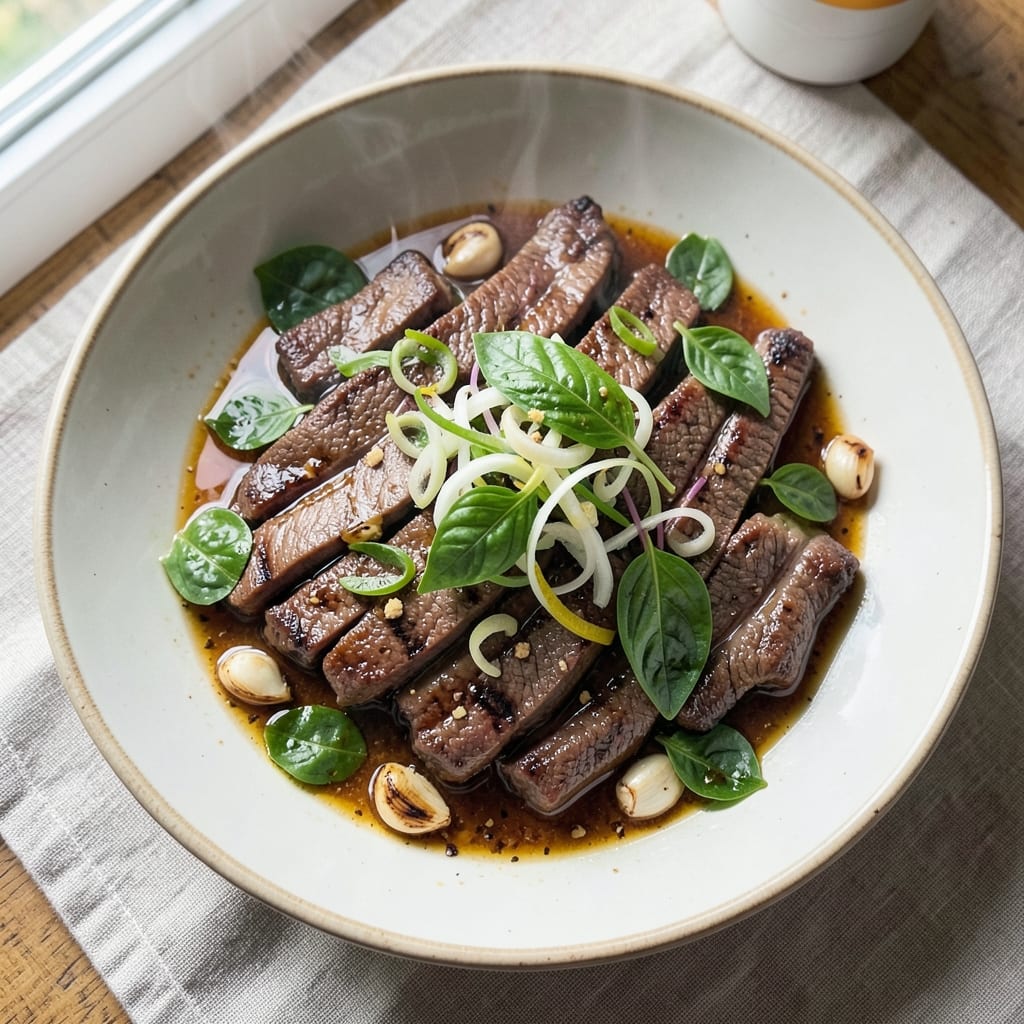
This basil beef stir fry recipe delivers the perfect balance of tender beef, aromatic basil, and wok-hei flavor that makes every bite unforgettable. The secret lies in high-heat searing followed by a bright, umami-rich sauce that coats each piece of beef and leaf of basil. I developed this version after years of experimenting with different techniques to achieve that signature restaurant-quality texture and flavor—without requiring a professional wok or years of practice.
The recipe starts with thinly sliced beef that cooks quickly over high heat, locking in juices while developing a caramelized crust. Fresh basil is added at the end to preserve its vibrant flavor and bright green color, creating that signature fresh-herb zing that sets this dish apart. The sauce combines soy sauce, oyster sauce, and a touch of sweetness to create a perfect balance of savory, umami, and subtle sweetness that complements the beef beautifully.
What you'll end up with is a dish that's restaurant-quality yet simple enough for weeknight dinners—tender beef with perfectly wok-charred edges, fragrant basil that adds freshness with every bite, and a sauce that's rich yet not overpowering. The high-heat cooking method ensures the beef stays juicy while developing that coveted smoky aroma known as wok-hei. This is the kind of meal that transforms an ordinary dinner into something special with minimal effort.
Serve this basil beef stir fry over steamed jasmine rice for a complete meal, or pair it with a crisp cucumber salad to balance the richness. The recipe scales easily for larger gatherings, and the technique is adaptable to different cuts of beef or even chicken for variety. Let's get started on creating this flavorful, restaurant-inspired dish at home.
Ingredients for basil beef stir fry
High-quality beef, aromatic basil, and umami-rich sauces create restaurant-style stir fry flavor at home.
| Ingredient | Amount | Notes |
|---|---|---|
| Flank Steak 🥩 | 1 ½ lb | Thinly sliced against grain |
| Fresh Basil Leaves 🌿 | 1 cup | Packed, stems removed |
| Garlic Cloves 🧄 | 6 cloves | Minced for sauce |
| Green Onions 🧅 | ½ cup | Sliced, white and green parts |
| Soy Sauce 🍶 | ⅓ cup | High-quality, low-sodium preferred |
| Oyster Sauce 🍜 | ¼ cup | Kikkoman brand recommended |
| Honey 🍯 | 1 tbsp | Pure, unprocessed |
| Sesame Oil 🫒 | 1 tbsp | Toasted, for aroma |
| Cornstarch 🌾 | 1 tbsp | For velveting beef |
| Vegetable Oil 🫒 | ½ cup | High smoke point |
| Salt 🧂 | 1 tsp | Diamond Crystal kosher salt |
| Black Pepper 🌶️ | ½ tsp | Freshly ground |
| Jasmine Rice 🍚 | 1 ½ cups | Uncooked, for serving |
| Lime Juice 🍋 | 1 tbsp | Freshly squeezed |
The beef cut is critical—flank steak delivers that signature tender yet chewy texture when sliced thinly against the grain. Whole Foods or local butcher shops carry the best quality, but any reputable grocery store's meat department will have it. Look for well-marbled cuts with vibrant color, not grayish or dry. Slice it yourself for optimal texture, or ask the butcher to do it—1/8-inch thickness is ideal. Fresh basil should be bright green with no wilting; Trader Joe's often has the best selection at reasonable prices. For the sauces, Kikkoman soy sauce and oyster sauce are industry standards—avoid the cheap brands that can taste flat or overly salty.
No flank steak? Sirloin or ribeye work in a pinch, but slice them thinner to compensate. Short on basil? Cilantro or mint add different but complementary flavors—just halve the amount. The cornstarch is non-negotiable for that signature velvet texture; substitute arrowroot powder if needed. For the honey, avoid processed brands with additives—pure local honey enhances the sauce's depth. The sesame oil should be toasted, not the cheaper, unrefined kind that can taste bitter. Need to skip the oyster sauce? Hoisin sauce plus a splash of fish sauce mimics the umami profile, though it won't be identical. Always taste as you go—adjust honey or soy sauce to balance sweetness and saltiness.
Prep the beef and basil first—they cook fastest. Store sliced beef in an airtight container with a paper towel to absorb moisture for up to 2 days. Fresh basil lasts 5 days wrapped in damp paper towels. The sauces keep 3 months refrigerated, though homemade versions are best used within 2 weeks. For leftovers, refrigerate within 2 hours and reheat gently over low heat to preserve texture. Freeze portions for up to 3 months—the sauce may thicken slightly, so add water when reheating. Serve immediately for that signature wok-hei aroma, or let it sit 10 minutes before serving to meld flavors.
Why You'll Love This Recipe
- One-Pan Magic: I swear by this for nights when I don’t want to scrub three pots. Slice the flank steak thin, toss it with garlic and soy sauce, and let the pan do the work—no flipping, no fuss. The basil wilts right into the sauce, so you’re basically making a meal while scrolling through your phone.
- Herb-Packed Punch: That first bite? The garlic hits first, sharp and bright, then the basil softens it into something almost sweet. The soy sauce ties it all together with this deep, umami richness—like a hug in a pan. (Yes, even on a Tuesday night.)
- Lunchbox Hero: Between us, this keeps perfectly for days. Pack it in containers with rice, and it’s still flavorful by day three. My kids actually eat their veggies when it’s tucked into wraps—no complaints, just empty plates.
- Steak Night on a Budget: Flank steak is cheaper than you think, and a single pound stretches across two meals. Use the leftovers for breakfast burritos or a quick fried rice the next day. Honestly, it’s my secret weapon for feeding the family without breaking the bank.
Step-by-step instructions for basil beef stir fry
Master the wok-hei technique and velveting process to achieve tender beef with vibrant herb notes.
Marinate and Velvet the Flank Steak
In a mixing bowl, combine the 1.5 lb flank steak (thinly sliced against the grain), 1 tbsp cornstarch, 1 tbsp soy sauce, 1 tbsp oyster sauce, and 1 tbsp honey. The cornstarch creates a protective coating that prevents the beef from toughening during the quick stir-fry. Mix gently with your hands until every slice is evenly coated—this ensures maximum surface area for flavor absorption and tenderness.
Cover the bowl and refrigerate for 30 minutes. This resting period allows the marinade to penetrate the beef while the cornstarch begins its velveting process. When ready, heat 2 tablespoons vegetable oil in a wok or large skillet over medium-high heat until shimmering. Add the marinated beef in a single layer and sear undisturbed for 1 minute per side until the edges turn light golden brown. The beef should release easily from the pan—this indicates proper doneness. Transfer to a plate and set aside.
Build the Umami-Packed Sauce
In the same wok, add the remaining 0.3 cup vegetable oil and heat over medium heat. Add the 6 cloves minced garlic and 0.5 cup sliced green onions (white parts only), cooking for 30 seconds until fragrant but not browned. Immediately add the 0.33 cup soy sauce, 0.25 cup oyster sauce, and 1 tbsp honey, stirring constantly to combine. The sauce should bubble gently—this indicates the flavors are melding properly.
Reduce heat to medium-low and let the sauce simmer for 2 minutes until slightly thickened. Here's the thing—this reduction concentrates the flavors and removes any raw taste from the garlic. Taste and adjust seasoning with 1 tsp salt and 0.5 tsp black pepper if needed. The sauce should balance sweet, salty, and umami notes without being overpowering.
Finish with Fresh Basil and Lime
Return the seared beef to the wok and toss gently to coat in the sauce. Add the 1 cup packed fresh basil leaves (stems removed) and 0.5 cup sliced green onions (green parts only), stirring for 1 minute until the basil wilts slightly but remains vibrant. The basil should infuse the dish with its signature anise-like aroma without overpowering the beef's flavor.
Remove from heat and stir in 1 tbsp sesame oil and 1 tbsp lime juice. The sesame oil adds a nutty aroma, while the lime juice brightens the entire dish. Taste and adjust seasoning one final time—this stir fry should deliver a perfect harmony of sweet, salty, umami, and citrus notes. Serve immediately over 1.5 cups cooked jasmine rice for the ideal texture contrast.
Cook the Jasmine Rice
While preparing the stir fry, rinse the 1.5 cups jasmine rice under cold water until the water runs clear. This removes excess starch that would make the rice mushy. Combine the rice with 3 cups water in a pot and bring to a boil over high heat. Once boiling, reduce heat to low, cover tightly, and simmer for 15 minutes. Remove from heat and let it steam for 10 minutes without disturbing. The rice should be fluffy with separate grains—fluff with a fork before serving.
This rice serves as the perfect vessel for the vibrant stir fry, absorbing the rich sauce while maintaining its distinct aroma. The slight stickiness of jasmine rice helps bind the dish together, creating each bite's cohesive texture experience.
Pro Tips For Making Basil Beef Stir Fry
- Slice Against the Grain: Flank steak’s tough fibers run parallel to the grain—cutting perpendicular makes every bite tender. Use a sharp knife and slice at a 45-degree angle for those restaurant-style strips that don’t fight back when you chew.
- Salt the Basil First: Toss fresh basil leaves in a pinch of salt before adding them to the pan—it softens them just enough to release their flavor without turning to mush. I learned this the hard way when my basil turned into a sad, wilted pile of green after hitting the hot wok.
- Start High, Finish Low: Crank the heat to max when searing the steak, then drop it to medium-low once the garlic hits the pan. The high heat gets a good crust, while the lower temp keeps the basil and onions from burning before the steak’s done—no more charred green onion bits ruining the dish.
- Rest the Steak Before Stir-Frying: Let the sliced steak sit for 10 minutes after cooking—no, you don’t have to wait that long, but even 5 minutes makes a difference. It keeps the strips from shrinking into tough, chewy nubs when they hit the wok again, and the juices redistribute so every bite stays juicy.
Serving suggestions for leftovers
Rice Pairings
Jasmine rice is my go-to base for this stir fry—its delicate floral aroma complements the beef's richness without competing. For extra fluffiness, I use 1.5 cups uncooked jasmine rice with 3 cups water, steamed until each grain is distinct. A quick tip: Rinse the rice thoroughly before cooking to remove excess starch that would make it gummy. 🍚
Want variety? Try brown rice for a nuttier texture or forbidden black rice for an elegant purple hue that adds visual contrast. If you're short on time, microwaveable jasmine rice pouches work in a pinch—just add a splash of water to loosen the grains before mixing with the stir fry.
Fresh Salad Balance
A crisp cucumber salad cuts through the richness beautifully. Toss 2 cups thinly sliced cucumber with 1 tbsp rice vinegar, 1 tsp sesame oil, and a pinch of red pepper flakes. The cool, refreshing crunch provides perfect contrast to the warm, savory beef. I often add ¼ cup chopped cilantro for extra brightness. 🥒
For something heartier, try a quick shredded cabbage slaw with a 1 tbsp lime juice dressing. The cabbage's slight bite helps cleanse the palate between bites of rich stir fry. Both salads work well as side dishes or even as a bed for the beef when serving.
Garnish Game-Changers
Fresh basil isn't just for eating—it's for showing off! Tear the leaves into small ribbons and scatter them artistically over the dish right before serving. This preserves their vibrant color and makes the presentation pop. I also like adding toasted sesame seeds (just 1 tsp in a dry pan for 30 seconds) for crunch and visual texture. ✨
For an Italian twist, add thinly sliced radishes or cherry tomatoes halved as garnishes. Their bright colors create visual contrast while adding fresh, crisp elements. A drizzle of chili oil (just ½ tsp) adds heat and depth without overwhelming the dish.
Beverage Pairings
A crisp green tea like japanese sencha complements the dish's umami flavors beautifully. The tea's vegetal notes mirror the basil's aroma while providing a refreshing contrast. For something stronger, try a light lager like Asahi Super Dry—its clean, crisp profile cleanses the palate between bites. 🍺
Red wine lovers shouldn't miss out! A light pinot noir (around 12-13% ABV) pairs wonderfully with the beef's richness. The wine's bright acidity cuts through the dish's sweetness, creating a perfect balance. If you prefer white, a dry riesling offers enough body to stand up to the stir fry's bold flavors.
Nutrition facts
Frequently asked questions
Can I substitute flank steak with another cut of beef?
Yes, but choose tender cuts that slice thinly. Sirloin or ribeye work well—just slice against the grain into 1/8-inch pieces. Avoid tougher cuts like chuck roast, as they won't tenderize properly in the quick stir-fry. For extra tenderness, marinate for 1-2 hours instead of 30 minutes.
Why does my beef turn tough instead of tender?
Overcooking or improper slicing are the most common culprits. Always slice against the grain and cook over high heat for 1-2 minutes max—the cornstarch velveting helps, but don't overwork the beef. If your pan isn't hot enough, the beef will release juices that steam instead of sear. A cast-iron skillet or wok gets the hottest surface.
How do I make this recipe vegetarian?
Swap beef for extra-firm tofu or mushrooms like shiitake. Press tofu to remove moisture, then cube and pan-fry until crispy. For mushrooms, slice 1 lb into 1/4-inch pieces and cook until golden. Add basil and sauce at the end as directed. The texture will differ, but the herb-forward flavor remains delicious.
Can I make this ahead of time?
For best results, cook fresh and serve immediately to capture the wok-hei aroma. However, you can prep components ahead: marinate the beef (up to 24 hours), make the sauce (up to 3 days refrigerated), and chop all veggies. Reheat gently over low heat for 30 seconds—never microwave, as it kills the basil's freshness.
What's the best way to store leftovers?
Store in an airtight container for up to 3 days refrigerated. For longer storage, freeze for 1 month. When reheating, add 1 tsp water to the sauce and warm over low heat for 2 minutes. The beef may dry out slightly, so serve with extra rice or a fresh garnish of basil to revive the dish.