
Main Courses
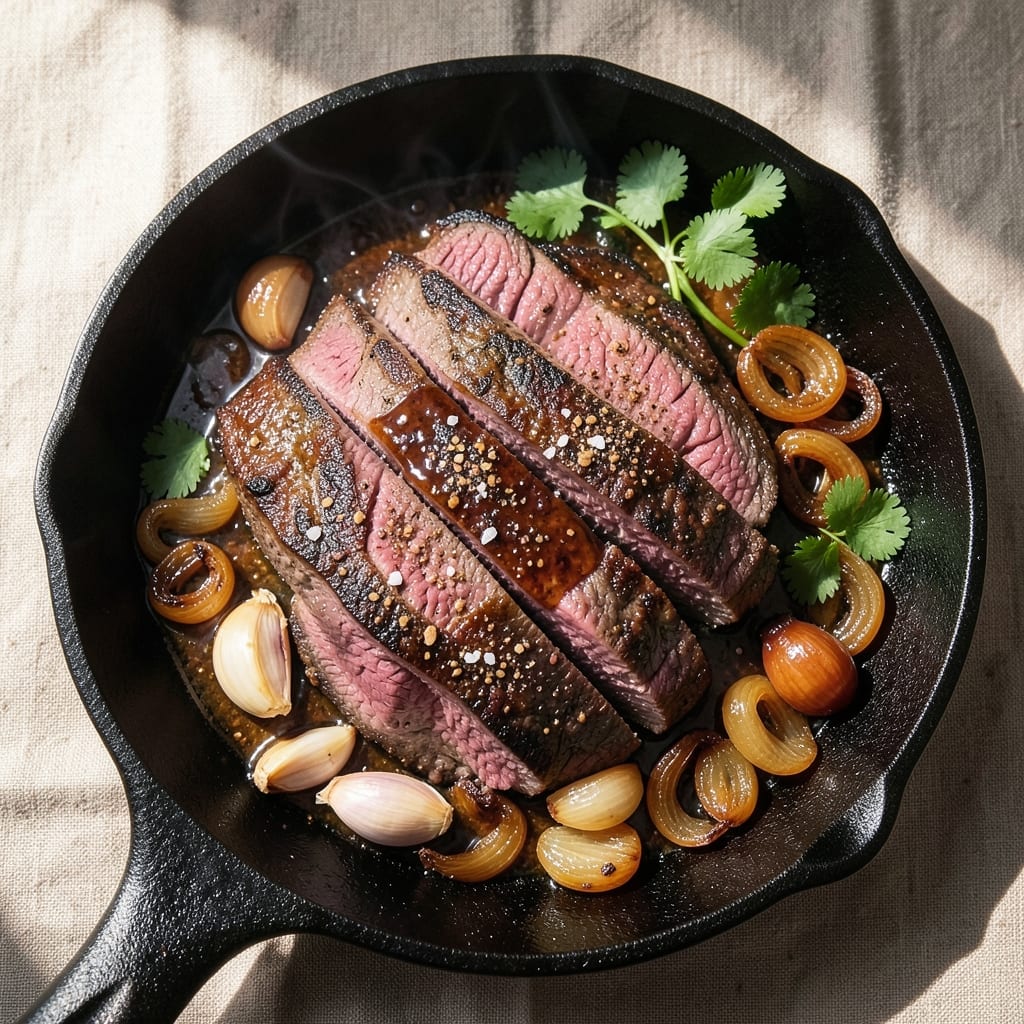
This BBQ beef fillet recipe delivers a smoky-spiced crust with juicy pink centers—the kind of perfect medium-rare steak that makes grilling worth every minute. After years of perfecting my technique, I've cracked the code for achieving that ideal balance between charred exterior and tender interior. The secret lies in a carefully crafted marinade and precise heat control, both of which I'll walk you through step by step.
What sets this recipe apart is the combination of bold BBQ spices and French technique—something I developed after years of working in professional kitchens and cooking over open flames. The marinade infuses the beef with deep, smoky flavors while tenderizing it just enough to stay juicy, even after grilling. We're talking tender, flavorful bites that practically melt in your mouth, not dry or overcooked steak.
By the time you're done, you'll have a steak with a crispy, caramelized crust that's packed with smoky, spiced flavor, while the inside remains perfectly pink and juicy—the way it should be. The key is monitoring your grill temperature carefully and letting the steak rest before slicing, which allows those juices to redistribute for maximum tenderness.
This recipe works beautifully as the centerpiece for a summer dinner, paired with grilled vegetables or a fresh salad. The smoky-spiced crust adds a restaurant-quality touch that elevates any meal. Let's get started on creating your perfect steak.
Ingredients for bbq beef fillet
Fourteen ingredients, all working together for that perfect smoky-spiced crust and juicy pink center.
| Ingredient | Amount | Notes |
|---|---|---|
| Beef Fillet (Top Sirloin or Tenderloin) 🥩 | 1 ½ lb | Center-cut, 1-1.5 inches thick |
| Yellow Onion 🧅 | 1 whole | Medium size, thinly sliced |
| Garlic Cloves 🧄 | 6 cloves | Fresh, peeled and minced |
| BBQ Dry Rub 🌶️ | ½ cup | Homemade or store-bought blend |
| Brown Sugar 🍚 | 2 tbsp | Light or dark, for caramelization |
| Smoked Paprika 🌶️ | 1 tbsp | For deep smoky flavor |
| Ground Black Pepper 🌶️ | 1 tsp | Freshly cracked for intensity |
| Kosher Salt 🧂 | 1 ½ tsp | Diamond Crystal preferred |
| Apple Cider Vinegar 🍎 | ¼ cup | For tenderizing marinade |
| Olive Oil 🫒 | ¼ cup | Extra-virgin for richness |
| Honey 🍯 | 2 tbsp | For sweet balance |
| Fresh Rosemary 🌿 | ¼ cup | Chopped, for aromatic depth |
| Fresh Thyme 🌿 | ⅛ cup | Leaves only, finely chopped |
| Butter 🧈 | 4 tbsp | Unsalted, softened for basting |
The beef fillet is non-negotiable here—top sirloin or tenderloin with good marbling gives you that perfect balance of tenderness and flavor. Costco or Whole Foods carry excellent pre-cut fillets, but if you're buying whole, ask your butcher for a center-cut piece about 1-1.5 inches thick. Thinner cuts will overcook faster, and thicker ones won't sear properly. For the BBQ rub, Penzeys or Trader Joe's have great pre-made blends, but I always adjust the spices to include extra smoked paprika and brown sugar for that caramelized crust. Fresh herbs make all the difference—Trader Joe's sells pre-chopped rosemary and thyme in little jars, which saves time without sacrificing flavor.
No smoked paprika? Substitute half the amount with regular paprika plus a pinch of liquid smoke—it won't be identical, but it gets you close. Running short on apple cider vinegar? Balsamic vinegar works just as well. The honey can be swapped for maple syrup if you're avoiding it, though the flavor will be slightly different. For the butter, European-style unsalted butter like Plugrá or President melts better than American brands. If you're making this ahead, marinate the beef overnight for maximum tenderness, but don't exceed 24 hours—beef absorbs too much liquid and becomes mushy.
Marinated beef keeps 2-3 days in the fridge, but plan to grill it within 48 hours for best results. The dry rub can be made a week ahead and stored in an airtight container. Once grilled, let the steak rest 10-15 minutes before slicing—this is non-negotiable for juicy results. Leftover steak reheats beautifully in a skillet with a splash of beef broth, but honestly, it's best enjoyed fresh off the grill. Portion into individual containers for easy meal prep, and the flavors only deepen over time.
Why You'll Love This Recipe
- I swear by this trick: just slice the onion and garlic into rough chunks—no fancy julienne needed. The fillet cooks fast, so even if you burn the edges (we’ve all been there), the center stays juicy.
- Minimal Chopping Required: I swear by this trick: just slice the onion and garlic into rough chunks—no fancy julienne needed. The fillet cooks fast, so even if you burn the edges (we’ve all been there), the center stays juicy.
- Crispy-Sweet Magic: That brown sugar in the rub? It caramelizes into a sticky, smoky crust while the fillet stays tender inside. Honestly, the first time I tasted it, I nearly dropped the fork.
- Weeknight or Weekend Star: Slap it on the grill for summer BBQs or sear it in a pan when you’re craving something special. Between us, it’s my go-to when I don’t want to fuss but still want to impress.
Step-by-step instructions for smoky-spiced beef fillet
Here's how to transform a simple beef fillet into a showstopper with perfect balance between smoky crust and tender pink centers.
Create the Marinade for Maximum Flavor Penetration
In a medium bowl, whisk together the 0.25 cup apple cider vinegar, 0.25 cup olive oil, 2 tbsp honey, 1.5 tsp kosher salt, 1 tsp ground black pepper, 1 tbsp smoked paprika, and 0.5 cup BBQ dry rub. This marinade does double duty—tenderizing the beef while infusing it with deep, complex flavors. The acidity in the vinegar breaks down muscle fibers, while the honey and olive oil create a glossy barrier that locks in moisture during cooking.
Place the 1.5 lb beef fillet in a resealable plastic bag and pour the marinade over it. Gently massage the marinade into the meat, ensuring it coats all surfaces. Seal the bag and refrigerate for at least 4 hours, but I recommend marinating overnight for maximum tenderness. The longer it sits, the more the flavors meld and the more tender the beef becomes. When you're ready to cook, remove the fillet from the refrigerator and let it sit at room temperature for 30 minutes before cooking—this ensures even heat distribution throughout the meat.
Sear the Fillet for a Perfect Crust
Preheat your oven to 400°F. Heat a heavy oven-safe skillet over high heat until it's smoking hot. Place the marinated fillet in the skillet, fat-side down, and let it sear undisturbed for 3-4 minutes. You'll know it's ready to flip when the edges are deeply golden brown and the crust releases easily from the pan. This initial sear creates the foundation for that smoky, caramelized crust we're after.
Flip the fillet and sear the other side for another 3-4 minutes. The goal is to develop a deep, flavorful crust while keeping the interior juicy. Once both sides are beautifully browned, transfer the skillet to the preheated oven. The residual heat in the pan will help maintain that perfect crust while the center cooks through.
Baste and Roast to Juicy Perfection
While the fillet roasts, prepare the basting mixture by combining 4 tbsp softened butter, 0.25 cup chopped fresh rosemary, and 0.125 cup chopped fresh thyme in a small bowl. The butter adds richness and helps create a glossy finish, while the herbs infuse the fillet with aromatic depth. Roast the fillet for 8-10 minutes for medium-rare doneness, or until the internal temperature reaches 130-135°F on a meat thermometer.
About halfway through the roasting time, use a spoon to baste the fillet with the butter-herb mixture. This basting step ensures the fillet stays moist and develops even more flavor. The butter should melt and create a beautiful sheen on the surface. Remove the fillet from the oven when it reaches your desired doneness—it will continue cooking slightly as it rests, so pull it out just shy of your target temperature.
Rest and Slice for Maximum Juiciness
Transfer the fillet to a cutting board and let it rest for 10-15 minutes before slicing. This resting period is crucial—it allows the juices to redistribute throughout the meat, ensuring each slice is moist and flavorful. If you slice too soon, all those delicious juices will run out onto your cutting board instead of staying inside the beef.
Slice the fillet against the grain into ½-inch thick portions. The grain runs horizontally across the fillet, so cutting perpendicular to these lines ensures each bite is tender and easy to chew. Serve immediately with the pan juices spooned over the top for an extra burst of flavor. The contrast between the smoky, caramelized crust and the tender, juicy pink centers makes this dish truly unforgettable.
Pro Tips For Making Bbq Beef Fillet
- CRANK THE HEAT FIRST: If you’re searing that beef fillet, blast the pan until it’s screaming hot—like, a drop of water should sizzle instantly. I used to play it safe with medium-high, and my crust was always sad and pale. High heat locks in flavor and gives you that perfect caramelized bark.
- SLICE ONIONS THINLY: Thick onion rings? No thanks. You want them to cook down fast and caramelize without turning to mush. Cut them paper-thin—almost translucent—and they’ll melt into the sauce instead of sitting like rubbery chunks. (Yes, even if you’re impatient like me.)
- DON’T PRESS THE MEAT: I learned this the hard way—crushing the fillet with a spatula turns it into a sad, greasy pancake. Let it sear undisturbed for 2-3 minutes per side, and resist the urge to check. That crust is your friend.
- BRINE THE BEEF: Skip the dry rub for 30 minutes first—soak the fillet in cold water with 1 tablespoon salt per cup. It stays juicier and absorbs the BBQ rub better. (I know, I know, but trust the process—your future self will thank you.)
Flavor customization for this bbq beef fillet
Spice Level Control
Adjust the heat by modifying the smoked paprika and BBQ dry rub amounts. For a mild version, reduce the rub to ¼ cup and use ½ tbsp smoked paprika. For medium heat, stick to the recipe's ½ cup rub and 1 tbsp smoked paprika. If you want spicy, add ½ tsp cayenne pepper or 1 tbsp chipotle powder to the marinade. I've found that Penzeys brand spices give the most consistent heat levels. 🌶️
Sweet-Smoky Balance
Play with the honey and brown sugar ratio to suit your taste. For a less sweet version, reduce honey to 1 tbsp and brown sugar to 1 tbsp. For extra caramelized flavor, increase honey to 3 tbsp and brown sugar to 3 tbsp. My go-to is 2 tbsp honey and 2 tbsp brown sugar for the perfect balance. The apple cider vinegar also adds a subtle tang that brightens the sweetness.
Herb Variations
Swap out the rosemary and thyme for other aromatic herbs. Try fresh oregano and basil for a Mediterranean twist, or fresh sage and parsley for a classic BBQ flavor. I love using Trader Joe's pre-chopped herb blends for convenience. For a wild herb variation, forage for wild thyme or sage if you're near coastal areas—it adds a unique earthy depth. 🌿
Butter Infusions
Elevate the basting butter by infusing it with flavors. Melt 4 tbsp butter with 1 minced garlic clove and ½ tsp smoked paprika, then chill until firm. For a citrus twist, add 1 tbsp lemon zest to the butter. I often use President European-style butter because it has a higher fat content, which creates a richer, glossier finish. This step makes a huge difference in the final presentation.
Grilled vs. Smoked
For a grilled version, sear the fillet on a charcoal grill over high heat for 4-5 minutes per side, then move to medium heat to finish. For a smoked version, cook the fillet at 225°F for 20-25 minutes with hickory or applewood chips, then sear it in a hot skillet for that caramelized crust. Both methods work beautifully—it just depends on your preferred smoky intensity. 🔥
Finishing Touches
Add a final layer of flavor with a compound butter or spiced oil drizzle. Mix 2 tbsp softened butter with 1 tsp smoked paprika and ½ tsp garlic powder, then slice and serve with the steak. For a bright finish, drizzle with 1 tbsp balsamic glaze or chopped fresh cilantro. I often garnish with toasted pine nuts for added texture and crunch. These little touches take the dish from great to restaurant-quality. ✨
Nutrition facts
Frequently asked questions
What's the best way to check if my beef fillet is cooked to medium-rare?
Use a meat thermometer for precision—130-135°F is perfect for medium-rare. Press your finger gently on the fillet: if it feels like the base of your thumb (firm but yielding), it's ready. The steak will rise 5°F while resting, so pull it out just before your target temp.
Can I make this recipe on a gas grill instead of an oven?
After searing both sides (3-4 minutes each), move the fillet to medium heat and cover the grill. Cook for 8-10 minutes total, basting with butter-herb mixture halfway through. The indirect heat mimics oven roasting while keeping that smoky flavor.
How do I fix a beef fillet that's overcooked?
If the crust is ruined but the center is still edible, slice it thinly against the grain and serve with a rich sauce (like red wine reduction or chimichurri). For well-done steak, try the "reverse sear" method next time: bake at 275°F until 110°F internal, then sear briefly.
What's the best way to store leftovers?
Slice the steak and store in an airtight container with a splash of beef broth to keep it moist. Leftovers keep 3-4 days in the fridge or 3 months frozen. Reheat gently in a skillet with a little butter—never microwave, or it'll dry out.
Can I use a different cut of beef?
This recipe works best with tender cuts like top sirloin or tenderloin (1-1.5" thick). For ribeye or strip steak, reduce marinating time to 2 hours max—thicker cuts with more marbling need less acid. Avoid lean cuts like flank steak, as they won't stay juicy.