
Main Courses
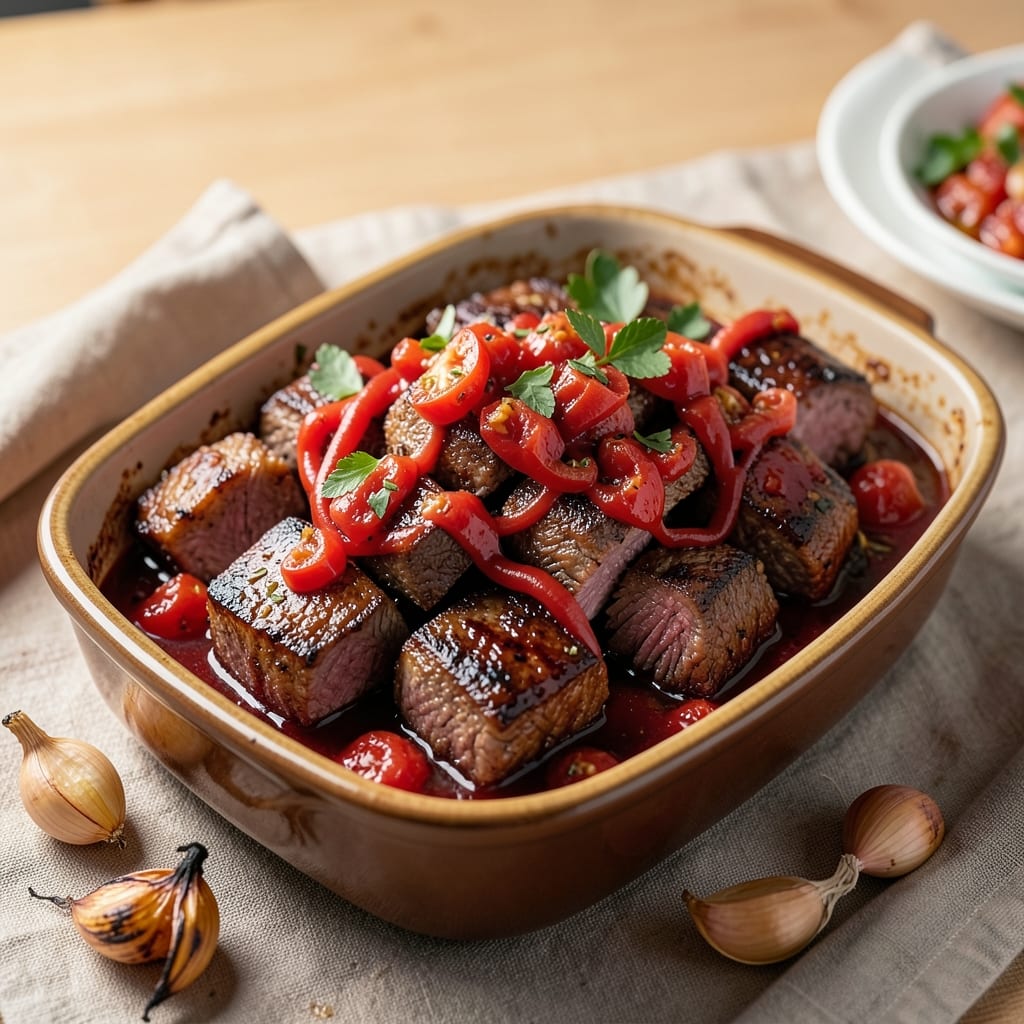
This beef a casa recipe transforms humble ingredients into a deeply comforting Italian masterpiece—slow-simmered until the beef melts in your mouth and the wine-infused tomato sauce sings with depth. The secret lies in patience: letting the meat tenderize over low heat while the sauce develops layers of caramelized richness. I first made this during a chilly autumn evening when I needed a dish that felt like a hug in a bowl, and it became an instant family favorite.
What sets this recipe apart is the balance of techniques: searing the beef for flavor, then braising it until fork-tender, all while building a sauce that's equally at home with crusty bread as it is with al dente pasta. The wine reduces into a velvety base, while fresh herbs and a touch of sweetness round out the flavors. No shortcuts here—just the kind of slow-cooked magic that makes weeknight dinners feel special.
The result is a dish so satisfying it becomes the centerpiece of any meal: tender beef that practically falls apart with each bite, coated in a sauce that's rich yet bright. Serve it over polenta for a rustic touch or with garlic bread to soak up every last drop. This isn't just dinner—it's a celebration of simple ingredients transformed through time and care.
Perfect for feeding a crowd or saving leftovers for lunches, this recipe scales beautifully while maintaining its home-style charm. The beauty of beef a casa lies in its adaptability—swap the wine for stock if preferred, or add mushrooms for extra earthiness. Here's how to make it.
Ingredients for beef a casa
Pantry staples meet Italian tradition for this deeply comforting beef a casa.
| Ingredient | Amount | Notes |
|---|---|---|
| Chuck Roast 🥩 | 2 lb | Pre-cubed or cut into 1.5-inch pieces |
| Yellow Onion 🧅 | 1 whole | Medium size, sliced into half-moons |
| Garlic Cloves 🧄 | 4 cloves | Peeled and smashed for flavor |
| Dry Red Wine 🍷 | 1 cup | Bold Cabernet Sauvignon or Merlot |
| Canned Crushed Tomatoes 🍅 | 2 cups | San Marzano preferred for sweetness |
| Tomato Paste 🍅 | 2 tbsp | Squeeze tube works perfectly |
| Fresh Rosemary 🌿 | ¼ cup | Chopped, stems removed |
| Fresh Thyme 🌿 | ¼ cup | Leaves only, stems discarded |
| Beef Broth 💧 | 1 ½ cups | Low-sodium preferred |
| Olive Oil 🫒 | 2 tbsp | Extra-virgin for richness |
| Salt 🧂 | 1 ½ tsp | Diamond Crystal kosher preferred |
| Black Pepper 🌶️ | ½ tsp | Freshly ground for best flavor |
| Granulated Sugar 🍚 | 1 tsp | Balances acidity in sauce |
The chuck roast is non-negotiable here—its marbling ensures tender, melt-in-your-mouth beef. Costco or Whole Foods carry excellent pre-cubed versions, but if cutting your own, look for well-marbled roasts with good fat distribution. The wine should be dry and bold—Cabernet Sauvignon or Merlot work perfectly, but whatever's open in your cabinet will do. For the tomatoes, San Marzano cans have that signature sweetness, but any quality crushed tomatoes will work. I always grab extra rosemary—half goes in the pot, half gets tied into a bundle for aromatics during cooking.
No red wine? Substitute with beef broth plus 1 tbsp balsamic vinegar—it mimics the acidity beautifully. Fresh herbs unavailable? Dried rosemary and thyme at one-third the amount will suffice, though fresh is ideal. The tomato paste can be tricky—if you're using a squeeze tube, measure by weight (2 tbsp = ~1 oz). For extra depth, add a pinch of red pepper flakes or a splash of Worcestershire sauce. The sugar balances the wine's acidity, but if you prefer less sweetness, reduce to 0.5 tsp. This sauce builds over time, so don't rush it.
The beef reheats beautifully—actually tastes better the next day once all flavors meld. Store in an airtight container for 4-5 days in the fridge or freeze for 3 months. I portion mine into individual containers for easy lunches. For leftovers, simply reheat with a splash of broth or water. The sauce thickens as it cools, so add a little extra liquid when reheating. This recipe scales perfectly for crowds—just double the ingredients and use a larger pot.
Why You'll Love This Recipe
- One-Pot Magic: I swear by this recipe because it’s actually one-pan—no chopping boards, no extra pots, just the chuck roast, onions, and garlic sizzling away while the wine and tomatoes do all the heavy lifting. Honestly, I’ve made this on nights when I’d rather binge Netflix than cook, and it still tastes like I slaved over it.
- Wine-Infused Richness: That splash of dry red wine? It’s not just for show—it tenderizes the beef while adding this deep, savory depth that cuts through the acidity of the tomatoes. The garlic? Oh, it gets caramelized into little crispy bits that cling to every forkful like a hug from your favorite chef.
- Weeknight to Party: Between us, this is my go-to for both Taco Tuesdays and when my in-laws drop by unannounced. Serve it shredded over toast with a fried egg for a lazy breakfast, or slice it thick for sandwiches that’ll make you the hero of game day. (Yes, even on a Tuesday night.)
- Leftovers That Don’t Suck: I make this extra because the second batch is even better—those flavors meld overnight into something dangerously addictive. Freeze half for when you’re too tired to think, and thaw it straight into a skillet. Budget-friendly? Absolutely. But more importantly, it’s the kind of meal that makes you feel like you’ve got your life together.
Step-by-step instructions for slow-simmered tomato wine stew
Here's the method for creating rich, aromatic beef stew that transforms humble ingredients into restaurant-quality comfort.
Sear the Chuck Roast for Deep Flavor
Heat a large Dutch oven over medium-high heat. Add 2 tablespoons olive oil and swirl to coat the bottom. Working in batches if needed, add the 2 lb chuck roast (pre-cubed into 1.5-inch pieces) and sear for 3-4 minutes per side until deeply browned. This step builds the flavor foundation through the Maillard reaction.
Don't crowd the pan—sear in batches if necessary. You want each piece to develop a rich crust. Remove the beef and set aside, leaving all the browned bits in the pot. These flavorful fond bits will dissolve into the sauce later. I press down gently on the beef pieces during searing to prevent them from curling and ensure even contact with the pan.
Sauté Aromatics Until Fragrant
In the same Dutch oven, add the sliced 1 whole yellow onion and cook for 5-6 minutes until softened and golden. Add the 4 smashed garlic cloves and cook for another 30 seconds until fragrant. This step develops the aromatic base that will infuse the entire stew.
Here's where it gets fun—toss in the 0.25 cup chopped fresh rosemary and 0.25 cup fresh thyme leaves, stirring for 1 minute to release their essential oils. The herbs should smell vibrant and fresh. If they smell weak, they're likely old—replace them for best results. Sprinkle with 1.5 teaspoons salt and 0.5 teaspoon black pepper and stir to combine.
Build the Tomato-Wine Sauce
Pour in the 1 cup dry red wine and scrape up all the browned bits from the bottom of the pot with a wooden spoon. This deglazing step captures all that concentrated beef flavor. Let the wine simmer for 3-4 minutes until reduced by half, then stir in the 2 cups canned crushed tomatoes and 2 tablespoons tomato paste.
Add the 1.5 cups beef broth and bring to a gentle simmer. Here's the thing—this is where the magic happens. The wine's acidity will mellow as it cooks, while the tomatoes and broth build a rich, velvety sauce. Sprinkle in the 1 teaspoon granulated sugar to balance any remaining acidity in the tomatoes. The sugar will dissolve completely during cooking.
Simmer Until Tender and Flavorful
Return the seared beef to the pot and bring everything to a gentle simmer. Cover partially and cook for 2.5-3 hours on low heat (or until the beef is fork-tender). I check for doneness by piercing a piece with a fork—it should slide in easily with no resistance. The meat should pull apart cleanly when you lift it with tongs.
Real talk: Your oven might run hot, so start checking at the 2-hour mark if you're concerned about drying out. The stew should reduce slightly, becoming thicker and more concentrated in flavor. If it gets too thick, add a splash of water or broth to reach your desired consistency. Stir occasionally to prevent the bottom from sticking, but don't over-stir—this keeps the sauce smooth.
Rest and Serve with Confidence
Once the beef is tender, remove the stew from heat and let it rest for 10-15 minutes. This resting period allows the juices to redistribute throughout the meat and sauce, ensuring every bite is moist and flavorful. Taste and adjust seasoning—you might need a touch more salt or pepper depending on your preference.
Serve the beef a casa hot, straight from the pot, with crusty bread to soak up that rich sauce. The aroma alone will have everyone gathering around your table. Each bite should deliver tender beef, sweet tomatoes, and a perfect balance of wine's acidity and herbs' earthiness. If you have leftovers, they actually improve overnight as the flavors meld further.
Pro Tips For Making Beef A Casa
- SEAR THE ROAST FIRST: Chuck roast loves a good crust, and skipping this step means bland, mushy beef. Hit it with high heat in a heavy pot—2-3 minutes per side—until deep brown. I used to rush this, and the flavor just never stuck.
- SWEAT THE ONIONS LOW: Yellow onions caramelize best at steady, low heat—no crowding. Cut them into even ½-inch slices and cook them for 8-10 minutes until soft and translucent, stirring occasionally. If they brown too fast, you’re burning them, and that’s a bitter mess.
- DEGLAZE WITH WINE NOW: After searing the beef, don’t just dump the wine in—let it sit for 30 seconds to loosen those browned bits. Then pour it in and scrape the bottom with a wooden spoon. That’s where the flavor lives, and skipping it means losing half the depth.
- REST THE MEAT UNDER FOIL: Chuck roast needs time to reabsorb juices after cooking. Once it hits 195°F, transfer it to a plate, tent loosely with foil, and let it sit for 15-20 minutes. Cutting it too soon means dry, stringy beef—no one wants that.
Best sauces and condiments for this beef a casa
Classic Tomato-Wine Sauce
The star of this dish is the tomato-wine sauce, where 1 cup dry red wine (like Cabernet Sauvignon) reduces into a velvety base that carries all the flavors. I start by deglazing the Dutch oven with the wine after searing the beef—this captures all those precious browned bits that make the sauce so rich. The 2 cups crushed San Marzano tomatoes add natural sweetness, while 2 tbsp tomato paste thickens it beautifully. Don’t skip the 1 tsp sugar—it balances the wine’s acidity perfectly. 🍷
Herb-Infused Oil Drizzle
For an elegant finish, I drizzle the finished dish with herb-infused olive oil—just mix 2 tbsp extra-virgin olive oil with 1 tbsp chopped fresh rosemary and 1 tsp chopped fresh thyme, then let it steep for 10 minutes before drizzling. This adds a bright, aromatic note that cuts through the richness of the beef. Store any leftover infused oil in the fridge for up to 3 days—it’s perfect for finishing other dishes too.
Crusty Bread for Soaking
No beef a casa is complete without crusty bread to soak up that luscious sauce. I love using a baguette or ciabatta, toasted until golden and crisp. For extra flavor, rub the bread with a garlic clove before toasting. If you’re feeling fancy, serve it alongside a simple arugula salad with a splash of lemon—it’s the perfect contrast to the rich stew. 🥖
Parmesan Cheese Shavings
A sprinkle of freshly grated Parmesan (about 2 tbsp) just before serving adds a salty, umami depth that elevates every bite. I always use a microplane for the finest texture—it melts into the sauce beautifully. For a vegetarian-friendly touch, you could also add nutritional yeast for a similar cheesy flavor. Store any leftover Parmesan in an airtight container in the fridge for up to 2 weeks.
Fresh Basil Garnish
Just before serving, I tear 6-8 fresh basil leaves and scatter them over the top for a pop of color and a fresh, slightly peppery note. The basil’s bright flavor pairs beautifully with the deep, wine-infused sauce. If you don’t have fresh basil, dried basil (about 1 tsp) will work in a pinch, though fresh is always better. Add it right before serving so it stays vibrant and aromatic. 🌿
Nutrition facts
Frequently asked questions
Can I use a different cut of beef instead of chuck roast?
While chuck roast is ideal for its marbling, you can substitute with brisket or stew beef. Avoid lean cuts like sirloin—they won't become tender. For best results, cut the meat into 1.5-inch chunks to ensure even cooking. The longer cooking time will handle any slight differences in fat content.
What if I don't have red wine? Can I make this without it?
Yes, but the sauce will be less complex. Replace the 1 cup red wine with 1 cup beef broth plus 1 tbsp balsamic vinegar for acidity. For extra depth, add 1 tsp soy sauce or 1/2 tsp smoked paprika. The dish will still be delicious—just more savory than wine-infused.
How do I know when the beef is fully tender?
Use the fork test: pierce a piece of beef—it should slide in easily with no resistance. The meat should also pull apart cleanly when lifted with tongs. If it's still tough after 3 hours, cover the pot and cook 30 minutes more. The sauce should coat the beef like a thick, velvety blanket.
Can I make this recipe in an Instant Pot or slow cooker?
Yes! For the Instant Pot: Sear the beef first, then cook on high pressure for 60 minutes, followed by a 10-minute natural release. For a slow cooker: Use the low setting for 7-8 hours or high for 4-5 hours. The slow cooker version will be even more tender, but monitor the sauce—it may need thinning with broth if too thick.
Why does my sauce look too thin after cooking?
This happens when the sauce hasn't reduced enough. Simmer uncovered for 10-15 minutes to thicken it naturally. If it's still too thin, mix 1 tbsp cornstarch with 1 tbsp water, stir it into the sauce, and simmer for 2 more minutes. Avoid over-stirring—this keeps the sauce smooth and glossy.