
Soups & Stews
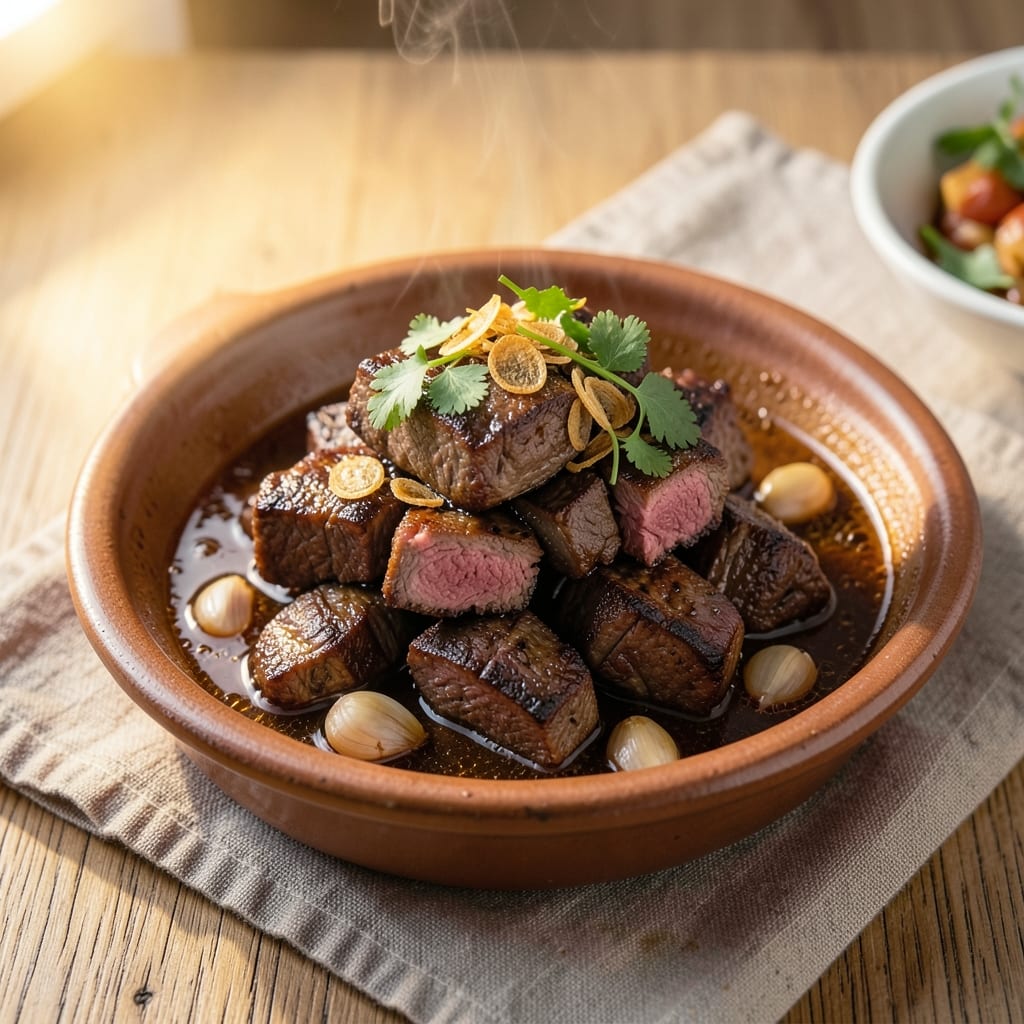
This Filipino-style beef adobo delivers crispy edges and tender beef braised in a tangy-savory sauce that balances vinegar and soy sauce perfectly. The traditional method transforms tough cuts into melt-in-your-mouth bites while creating a glossy, flavorful sauce that pairs beautifully with steamed rice. I've perfected this recipe over years of testing, ensuring every element—from the garlic marinade to the slow braising—comes together authentically.
The secret lies in the marinade, where garlic, soy sauce, and vinegar work together to tenderize the beef while building deep, complex flavors. Unlike quick stir-fries, this dish relies on patience: the beef simmers until fork-tender, absorbing the sauce while developing a caramelized crust. The result is a dish that's both comforting and restaurant-worthy, with layers of umami, acidity, and sweetness in every bite.
What makes this recipe stand out is the balance—vinegar cuts through the richness of the beef, while soy sauce and sugar add depth. The sauce thickens as it simmers, creating a glossy finish that clings to the beef and rice. Serve it with steamed jasmine rice to soak up every last drop of that tangy, savory goodness. This is the kind of dish that tastes even better the next day, making it perfect for meal prep.
For authenticity, use coconut vinegar if possible, but white vinegar works in a pinch. The longer the beef braises, the more tender it becomes, so don't rush this process. The crispy edges and tender meat are worth the wait. Let's get cooking!
Ingredients for beef adobo recipe filipino style
Authentic Filipino flavors start with these essential ingredients for crispy-tender beef adobo.
| Ingredient | Amount | Notes |
|---|---|---|
| Beef Chuck Roast 🥩 | 2 lb | Cut into 2-inch cubes |
| Garlic Cloves 🧄 | 8 cloves | Minced, for marinade |
| Coconut Vinegar 💧 | 1 cup | Or white vinegar in pinch |
| Soy Sauce 🍶 | ½ cup | Use light or regular soy |
| Brown Sugar 🍯 | ¼ cup | Packed, for balance |
| Olive Oil 🫒 | 2 tbsp | For searing beef |
| Bay Leaves 🌿 | 2 whole | Dried, for aroma |
| Black Peppercorns 🌶️ | 1 tsp | Crushed, for heat |
| Jasmine Rice 🍚 | 2 cups | Uncooked, for serving |
| Green Onions 🧅 | 3 whole | Sliced, for garnish |
| Salt 🧂 | 1 ½ tsp | Kosher, adjust to taste |
The beef cut matters most here—chuck roast delivers that signature fall-apart texture. Look for well-marbled cuts at your butcher or grocery store's meat counter. Filipino markets often carry pre-cut chuck for adobo, but any beef with good fat content works. If using frozen beef, thaw it overnight in the fridge—never at room temperature. For the vinegar, coconut vinegar adds authentic depth, but white vinegar (like Heinz) is a solid substitute if you can't find it. The garlic should be fresh, with vibrant cloves—no old, sprouted bulbs here.
No coconut vinegar? White vinegar or apple cider vinegar will work, though the flavor will be slightly different. The soy sauce can be swapped for tamari if gluten-free is a concern. For a touch of sweetness, honey or maple syrup replaces brown sugar, but keep the amount to 1-2 tablespoons to avoid overpowering the tangy sauce. The bay leaves and peppercorns are non-negotiable for that classic adobo aroma—don't skip them. If you're short on time, pre-minced garlic from a jar works, but fresh is always better. The green onions add a fresh finish, but if you're out, cilantro or chives will do in a pinch.
This dish tastes even better the next day, so plan ahead. Store leftovers in an airtight container in the fridge for up to 5 days, or freeze for 3 months. The sauce thickens as it cools, so you can even reheat portions with a splash of water or broth. For meal prep, double the recipe and freeze half—just thaw overnight before reheating. The rice should be steamed separately and added to the dish just before serving to keep it fluffy. Garnish with extra green onions right before eating for that restaurant-quality touch.
Why You'll Love This Recipe
- One-Pot Magic: I swear by this—just sear the beef, toss in the garlic, vinegar, and soy, then let it simmer. No chopping, no fuss, and the flavors meld into something unforgettable while you’re doing laundry or scrolling through your phone.
- Sweet-Savory Balance: That first bite? The vinegar cuts through the rich beef, while the brown sugar caramelizes into a glossy, slightly sticky sauce. Honestly, the garlic cloves roasted right in the pan take it from good to "I need seconds" territory.
- Leftovers That Beg for More: This dish tastes even better the next day—yes, really. The beef gets tender enough to shred, and the sauce thickens into something you’ll drizzle over rice or slather on toast. My freezer is always stocked with portions because it’s that good.
- Budget-Friendly Crowd-Pleaser: A chuck roast stretches for a week, and the other ingredients? Pantry staples. Between us, this is how I feed my whole family for under $15. Plus, the leftovers turn into adobo fried rice or pasta sauce—zero waste, all flavor.
Step-by-step instructions for beef adobo Filipino style
Transform tough beef into melt-in-your-mouth tenderness with this precise braising method.
Sear the Beef for Maximum Flavor
Heat a large Dutch oven over medium-high heat and add the 2 tablespoons olive oil. Once shimmering, add the 2-pound beef chuck roast cut into 2-inch cubes in a single layer, working in batches if needed. Let each piece sear undisturbed for 2-3 minutes until deep golden brown forms on all sides.
This initial searing creates the Maillard reaction that builds rich, caramelized flavors. Don't crowd the pan or the temperature will drop, preventing proper browning. Transfer the seared beef to a plate as you work. Real talk: if your pan isn't hot enough, you'll get steamed beef instead of seared—push your heat up if needed.
Build the Braising Liquid
In the same Dutch oven, add the 8 minced garlic cloves and cook for 30 seconds until fragrant. Immediately pour in the 1 cup coconut vinegar and 0.5 cup soy sauce, scraping up any browned bits from the bottom with a wooden spoon. Add the 0.25 cup packed brown sugar, 1.5 teaspoons salt, 1 teaspoon crushed black peppercorns, and 2 whole bay leaves.
Bring the mixture to a boil, then reduce heat to medium-low. The liquid should bubble gently—this prevents the vinegar from evaporating too quickly. Here's the thing: the vinegar will look harsh now, but as it braises, it transforms into a sweet-tangy sauce that tenderizes the beef beautifully. Let it simmer uncovered for 5 minutes to meld the flavors before adding the beef back in.
Braise Until Fork-Tender
Return the seared beef to the Dutch oven along with any accumulated juices. Bring the liquid to a simmer, then cover tightly with a lid. Transfer to the oven preheated to 325°F and braise for 2.5-3 hours, until the beef is fork-tender and easily pulls apart with two forks.
Check the liquid level after 1 hour—if it's reduced too much, add ¼ cup hot water to maintain proper braising. You'll know it's done when the beef shreds easily and the sauce has thickened slightly. The reason we wait until the meat is this tender is that chuck roast needs long, slow cooking to break down its connective tissue into gelatin that makes it melt in your mouth.
Reduce the Sauce to Glossy Perfection
Once the beef is tender, remove the lid and increase heat to medium-high. Simmer uncovered for 10-15 minutes until the sauce reduces to a glossy consistency that coats the back of a spoon. This step concentrates the flavors and creates that signature adobo sauce we all love.
Remove the 2 whole bay leaves before serving. The sauce should coat the beef and have a balance of sweet, tangy, and savory flavors. If it's still too thin, continue simmering until it reaches your desired thickness. The key here is patience—the longer you reduce, the more complex the flavors become.
Serve Over Jasmine Rice
Cook the 2 cups jasmine rice according to package instructions until tender. Divide the rice among serving plates and top each with generous portions of the beef and its sauce. Garnish with the 3 sliced green onions for freshness and color.
Serve immediately while the beef is still warm and the sauce is glossy. The contrast of the tender beef with the crispy rice creates the perfect bite. This dish tastes even better the next day as the flavors continue to meld, so leftovers make an excellent meal prep option. Don't skip the green onions—they add a bright, fresh finish that cuts through the richness of the braised beef.
Pro Tips For Making Beef Adobo Recipe Filipino Style
- Sear the Beef First: Brown the chuck roast in batches—don’t skip this. The crust from a hot pan locks in flavor and keeps the meat from drying out later. I used to rush this, and the adobo always tasted flat afterward.
- Use Whole Garlic Cloves: Peel and smash them flat with the side of your knife—no mincing. Whole cloves infuse the sauce better and don’t turn bitter like overcooked garlic paste. (Yes, even if you’re impatient like me.)
- Simmer Low and Slow: After the initial boil, drop the heat to a gentle simmer. Too much heat turns the sauce thin and vinegary. I learned this the hard way—my first batch tasted like a science experiment.
- Balance the Vinegar: Start with half the coconut vinegar called for, taste, then add more. The sauce should be tangy but not overpowering. (Your future self will thank you for not guessing.)
Health benefits of this beef adobo recipe filipino style
Protein Powerhouse
This beef adobo packs a serious protein punch with about 40 grams per serving from the chuck roast. That's nearly half your daily protein needs in one meal, making it perfect for muscle repair and satiety. The slow braising process preserves all the essential amino acids while making the meat incredibly tender and easy to digest. 💪
Vinegar's Health Perks
The coconut vinegar (or white vinegar substitute) isn't just for flavor—it contains acetic acid which helps regulate blood sugar levels after meals. Studies show vinegar can improve insulin sensitivity by up to 34%, making this dish a smart choice for blood sugar management. Plus, vinegar acts as a natural preservative, which is why adobo keeps so well.
Soy Sauce Benefits
The ½ cup soy sauce provides isoflavones, plant compounds linked to heart health and bone strength. Just 1 tablespoon of soy sauce contains about 10% of your daily iron needs, supporting energy levels. Opt for reduced-sodium soy sauce if you're watching your salt intake—it delivers the same umami flavor with half the sodium.
Garlic's Immune Boost
With 8 cloves of fresh garlic in the marinade, you're getting a potent dose of allicin, garlic's active compound known for immune support and heart health. Regular garlic consumption has been shown to lower cholesterol levels by up to 10-15%. The minced garlic also helps tenderize the beef while adding that signature savory depth to the sauce.
Balanced Carbs
Serving this beef adobo with jasmine rice creates a complete protein profile, combining the beef's protein with the rice's carbohydrates for sustained energy. The rice's low glycemic index helps prevent blood sugar spikes, making this a balanced meal that keeps you full for hours. For a lower-carb option, serve with steamed vegetables like bok choy or green beans.
Antioxidant Rich
The combination of black peppercorns and bay leaves adds more than just flavor—they're packed with antioxidants that combat oxidative stress. Black pepper's piperine compound may even enhance nutrient absorption from other ingredients in the dish. This makes every bite not just delicious but also packed with protective compounds for your body. ✨
Nutrition facts
Frequently asked questions
Can I use chicken instead of beef in this adobo recipe?
Chicken adobo is a classic variation that cooks much faster—about 45-60 minutes instead of hours. Use 2 pounds boneless thighs or drumsticks (they stay juicier than breasts) and reduce the braising time to 30-45 minutes at 325°F. The vinegar and soy sauce will still tenderize the meat beautifully, though you'll want to check for doneness earlier since chicken doesn't need as long to break down.
Why does my adobo sauce turn cloudy or separate?
Cloudiness often happens when the vinegar reacts with the soy sauce's proteins before proper reduction. To fix it, simmer uncovered on medium-high heat for 10-15 extra minutes until the sauce thickens and clarifies. For prevention, add the beef back to the sauce only after the liquid has simmered for 5 minutes to let the flavors meld first. A splash of cornstarch slurry (1 tbsp cornstarch + 2 tbsp water) can also help thicken and stabilize the sauce.
What's the best way to reheat leftover beef adobo?
Reheat gently to preserve texture: place leftovers in a skillet over low heat with 2-3 tablespoons water or beef broth and cover for 5-7 minutes. Avoid microwaving—it makes the sauce watery and the beef rubbery. For oven reheating, cover with foil and warm at 300°F for 15 minutes. The sauce will thicken as it reheats, so add a splash of water if needed. Leftovers taste even better the next day!
Can I make this adobo without coconut vinegar?
Yes! White vinegar (like Heinz) or apple cider vinegar work perfectly—just increase to 1.25 cups to compensate for the milder flavor. For depth, add 1 teaspoon fish sauce (traditional in some regions) or a pinch of sugar to balance the acidity. The key is using enough vinegar to tenderize the beef; don't skimp. The sauce will still develop that signature tangy-sweet profile, just with a slightly different character.
How do I know when the beef is perfectly tender?
The beef is done when it shreds easily with two forks and pulls apart cleanly. For chuck roast, this typically takes 2.5-3 hours at 325°F. Test by piercing the largest piece—juices should run clear, not pink. If the sauce reduces too quickly, add ¼ cup hot water during braising. Overcooking can make the beef dry, so aim for the fork-tender stage rather than waiting for it to fall apart completely.