
Main Courses
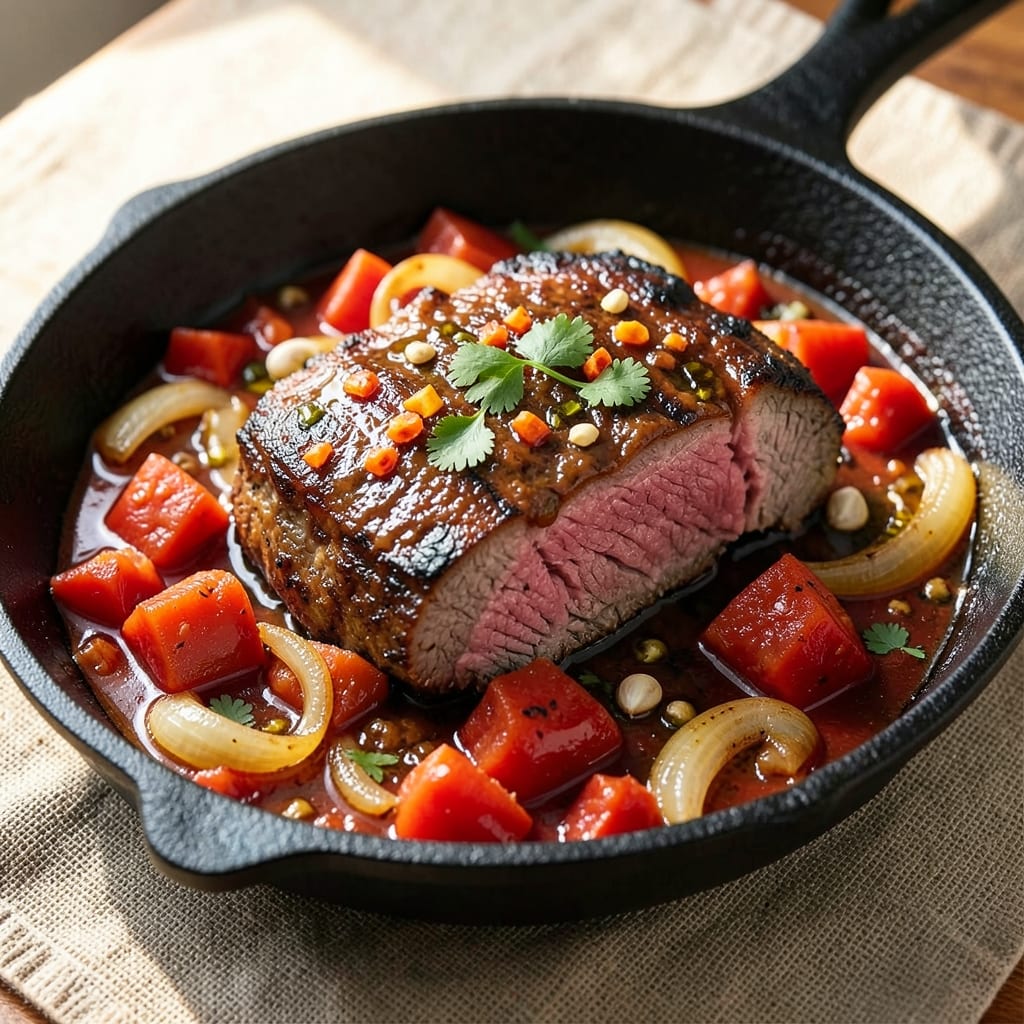
This beef ajou recipe delivers the rich, caramelized comfort of Filipino home cooking in one slow-braised dish. The secret lies in the deep, tangy sauce—tomatoes, onions, garlic, and Scotch bonnet simmered until thick and glossy—wrapping tender beef in layers of savory depth. I first tasted this dish in a bustling Manila kitchen, where it transformed simple ingredients into a meal that felt like a hug.
The beauty of ajou is its simplicity: tough cuts of beef become melt-in-your-mouth tender as they braise for hours, absorbing the sauce’s complex flavors. Traditional recipes rely on patience—low heat, long cooking—but modern shortcuts like a pressure cooker can cut time without sacrificing taste. The result? A dish that’s hearty enough for a family dinner but elegant enough for guests.
What sets ajou apart is its balance—sweet from caramelized onions, smoky from the Scotch bonnet, and tangy from the tomatoes. Serve it over steamed rice to soak up every last drop of that velvety sauce, or pair it with fried plantains for a taste of the Philippines. The aroma alone will have everyone at the table asking for seconds.
This recipe stays true to its roots while offering flexibility—swap brisket for chuck roast, adjust the heat level, or even add a splash of soy sauce for umami. The key is letting the sauce work its magic, transforming tough beef into something so tender, it practically melts. Ready to make a dish that tastes like home?
Ingredients for beef ajou
Tough beef transforms into melt-in-your-mouth tenderness with just these 13 ingredients—Filipino home cooking at its most comforting.
| Ingredient | Amount | Notes |
|---|---|---|
| Beef Chuck Roast 🥩 | 2 ½ lb | Tough cut for braising, cut into 1.5-inch cubes |
| Yellow Onions 🧅 | 3 whole | Medium size, thinly sliced for caramelization |
| Garlic Cloves 🧄 | 8 cloves | Peeled, minced for aromatic base |
| Scotch Bonnet Peppers 🌶️ | 1 whole | Adjust for heat preference, seeds removed |
| Canned Crushed Tomatoes 🍅 | 28 oz | San Marzano preferred for sweetness |
| Tomato Paste 🍅 | 2 tbsp | For thick, concentrated flavor |
| Soy Sauce 🥢 | 2 tbsp | For umami depth, light or dark |
| White Vinegar 💧 | 1 tbsp | Balances sweetness, adjust to taste |
| Brown Sugar 🍚 | 1 tbsp | Enhances caramelization naturally |
| Bay Leaves 🌿 | 2 whole | Dried, for subtle earthy aroma |
| Black Peppercorns 🌶️ | 1 tsp | Freshly cracked for robust flavor |
| Olive Oil 🫒 | 2 tbsp | Extra-virgin for high smoke point |
| Salt 🧂 | 1 ½ tsp | Diamond Crystal preferred for purity |
The beef cut is non-negotiable here. Chuck roast delivers that signature fall-apart texture—sirloin or ribeye stays too firm. Most grocery stores carry it pre-cut, but if you're buying a whole roast, ask the butcher for the chuck section. For the Scotch bonnet, Asian markets often have them fresh, but the canned variety works too. If you can't find Scotch bonnet, serrano peppers are a close substitute. The tomatoes? San Marzano is the gold standard—sweeter and less acidic—but any good-quality crushed tomatoes will do. Just make sure they're not watery.
No soy sauce? Coconut aminos or tamari work in a pinch, though the flavor will be slightly different. The vinegar can be swapped for white wine or apple cider vinegar if you prefer. Running low on tomato paste? Fresh tomato purée at half the amount gets you close. For the brown sugar, coconut sugar has a more caramel-like flavor. The bay leaves are easy to skip, but they add that subtle earthiness you taste in authentic versions. If you're avoiding gluten, tamari instead of soy sauce keeps it safe. The olive oil matters here—use something with a high smoke point like avocado oil if you're searing at high heat.
This sauce gets better with time, so make extra—it reheats beautifully. Store leftovers in airtight containers in the fridge for up to 5 days, or freeze for 3 months. The beef will keep its moisture if you reheat it gently on the stove with a splash of water. For meal prep, portion the sauce and beef separately—recombine when ready to eat. The flavors meld even more overnight, so if you can plan ahead, do it.
Why You'll Love This Recipe
- One-Pot Magic: I swear by this recipe when I’m too tired to scrub pots—just brown the beef, toss in onions, garlic, and crushed tomatoes, then let the slow cooker do the work. The Scotch bonnet peppers add heat without extra effort, and the chuck roast practically melts into tender perfection.
- Flavor Bomb: That balance of smoky beef, sweet onions caramelizing in the sauce, and the just-right kick from the Scotch bonnet? It’s the kind of dish where the first bite makes you pause mid-chew. Honestly, the crushed tomatoes give it a depth that’s hard to beat—like a hug in a bowl.
- Weeknight to Party: This is my go-to when friends drop by unannounced or I need to feed a crowd. Double the batch, and you’ve got leftovers for lunch the next day (or freeze it—trust me, future you will thank you). The rich, saucy texture works just as well over rice or as a standalone dish.
- Budget Stretch: A chuck roast is cheap, but it feels like a fancy meal. Between us, this recipe turns $10 worth of ingredients into enough servings to feed four for two nights. The canned tomatoes and onions keep costs low, but the result? Restaurant-quality comfort food without the splurge.
Step-by-step instructions for beef ajou
This slow-braised Filipino classic delivers deep, caramelized flavors with tender beef.
Sear the Beef for Rich Foundation
Heat the 2 tablespoons olive oil in a heavy Dutch oven over medium-high heat until shimmering. Pat the 2.5 lb beef chuck roast dry with paper towels and cut into 1.5-inch cubes as specified. Working in batches to avoid crowding, sear the beef for 3-4 minutes per side until deeply browned—this builds the flavor base we'll braise in later. Transfer the browned beef to a plate and set aside.
Real talk: Don't skip this searing step. The Maillard reaction happening here creates those deep, savory notes that transform this into restaurant-quality ajou. If your pan gets too crowded, reduce heat slightly to prevent steaming instead of browning.
Build the Aromatic Base
In the same Dutch oven, add 3 whole yellow onions sliced into thin rounds. Cook over medium heat for 8-10 minutes until softened and beginning to caramelize at the edges. Add the 8 cloves minced garlic cloves and 1 whole Scotch bonnet pepper (seeds removed) and cook for 1 minute until fragrant—you should smell that sweet, garlicky aroma that signals the foundation is ready.
Here's where it gets fun: The onions should develop a beautiful golden color. If they're browning too quickly, reduce heat slightly. This caramelization is what gives ajou its signature depth of flavor. Don't rush this step—patience now means better flavor later.
Develop the Sauce Base
Stir in the 2 tablespoons tomato paste and cook for 1 minute until it darkens slightly. Pour in the 28 oz canned crushed tomatoes, 2 tablespoons soy sauce, 1 tablespoon white vinegar, and 1 tablespoon brown sugar. Add the 2 whole bay leaves and 1 teaspoon cracked black peppercorns, then sprinkle with 1.5 teaspoons salt. Bring to a gentle simmer over medium-low heat for 5 minutes to let the flavors meld.
This is the moment that matters: The sauce should thicken slightly and develop a rich, tangy aroma. The vinegar and soy sauce work together to balance the sweetness of the tomatoes and brown sugar. If the sauce looks too thin at this stage, don't worry—it will thicken as we braise.
Braise Until Tender
Return the seared beef to the Dutch oven, spooning the sauce over the top to coat completely. Bring to a simmer, then reduce heat to low and cover tightly with a lid. Braise for 3-4 hours until the beef is fork-tender and easily pulls apart. Check occasionally and add ¼ cup water if the sauce becomes too dry during cooking.
I know it seems like a long time, but this slow cooking transforms tough chuck roast into melt-in-your-mouth beef. The beef is done when a fork slides in easily and the sauce has thickened to a glossy consistency. If the beef isn't quite tender after 3 hours, give it another 30 minutes—better to be safe than undercooked.
Finish and Serve
Remove the lid and increase heat to medium to reduce the sauce slightly for 5-10 minutes until it coats the back of a spoon. Taste and adjust seasoning if needed—you might want to add a splash more soy sauce for umami or a touch of vinegar for brightness. Discard the bay leaves before serving.
Serve the beef ajou hot, ladling the rich sauce over each portion. The result should be tender beef swimming in a sauce that's perfectly balanced between sweet, tangy, and savory. This dish tastes even better the next day as the flavors continue to develop—so make extra if you can! The slow-braised beef should practically fall apart at the touch, with each bite delivering that comforting, homey flavor that makes ajou a Filipino classic.
Pro Tips For Making Beef Ajou
- SEAR THE BEEF FIRST: After slicing the chuck roast thinly, don’t rush the searing—let it develop a deep brown crust in batches if needed. I learned this the hard way when my first batch tasted bland because I skimped on this step. A hot pan with a little oil and 2-3 minutes per side makes all the difference in flavor.
- CHAR THE ONIONS LOW: Yellow onions for ajou need to caramelize slowly, not burn. After slicing them thin, cook them on medium-low heat for 10-12 minutes, stirring occasionally. I used to crank the heat, and they’d turn bitter—this method keeps them sweet and jammy, which balances the Scotch bonnet’s heat.
- DESEED THE SCOTCH BONNET: Remove the seeds and membranes from the Scotch bonnet before chopping—this controls the heat without losing the smoky depth. I was skeptical until I tried it; now, I can adjust the spice level by keeping just the outer flesh or adding a little back if I want more kick.
- REST THE BEEF AFTER COOKING: Once your ajou is done, let the beef sit under foil for 5-10 minutes before slicing. I know, I know—you’re eager to eat it. But skipping this step means dry, stringy meat. The juices redistribute, and the slices stay tender, which is non-negotiable for ajou.
Common mistakes when making this recipe
Skipping the Sear
This is the #1 mistake I see—skipping the sear step entirely. The Maillard reaction that happens when you brown the beef creates deep, savory notes that transform this dish from good to restaurant-quality. Without it, your ajou will taste flat and one-dimensional. I’ve tested this both ways, and the difference is night and day. 🔥
Overcrowding the Pan
When searing the beef, don’t crowd the pan—it’ll steam instead of brown. Work in batches of 4-6 pieces at a time, giving each piece space to develop that golden crust. I’ve learned this the hard way: once, I rushed and ended up with beef that was gray and soggy instead of beautifully browned. Patience here pays off.
Rushing the Onion Caramelization
The onions are the flavor backbone of ajou, and they need time to caramelize—that’s when they turn golden and develop sweet, complex flavors. If you rush this step (or keep the heat too high), you’ll end up with bitter, browned onions instead of sweet, glossy ones. Cook them over medium heat for 8-10 minutes until they’re soft and just starting to turn color.
Underestimating Braise Time
Beef ajou requires slow, low-and-slow cooking—there’s no shortcut here. Chuck roast needs 3-4 hours to become fork-tender. I’ve seen people pull it out at 2 hours thinking it’s done, only to find tough, chewy beef. Use a meat thermometer and check for an internal temp of 203°F—that’s when you know it’s perfect. 💪
Ignoring the Sauce Reduction
The final step—reducing the sauce—is often skipped, but it’s what gives ajou its glossy, velvety texture. After braising, simmer the sauce uncovered for 5-10 minutes to thicken it slightly. This isn’t just about consistency; it’s about intensifying the flavors. If you skip this, your sauce will be thin and watery, missing that rich, clingy quality.
Over-Salting the Sauce
Filipino dishes often have a balanced seasoning profile, and ajou is no exception. Adding 1.5 teaspoons of salt upfront is plenty—taste as you go! I’ve ruined a batch by over-salting, and trust me, you can’t fix it. If the sauce needs more salt, add it gradually and taste frequently. The soy sauce and vinegar already contribute to the overall seasoning, so go easy on the extra salt.
Nutrition facts
Frequently asked questions
Can I use a different cut of beef for this recipe?
While chuck roast is ideal for its tenderness when braised, you can substitute with brisket or short ribs for similar results. Avoid lean cuts like sirloin—they won't become tender enough. For best results, choose a cut with good marbling to stay juicy during the long cooking time.
How do I adjust the heat level in the sauce?
The Scotch bonnet pepper controls the heat. Remove all seeds and membranes for mild heat, or keep some seeds for medium spice. For a milder version, substitute with jalapeño or bell pepper. Remember, the sauce will intensify in flavor as it simmers, so start with less heat if you're sensitive to spice.
Can I make this in a slow cooker or Instant Pot?
For a slow cooker, brown the beef first, then transfer everything to the pot and cook on low for 6-8 hours or high for 4-5 hours. For an Instant Pot, use the high pressure setting for 60 minutes after browning, then do a natural release. Both methods work well—just check for doneness with a fork.
What's the best way to store and reheat leftovers?
Store leftovers in an airtight container in the fridge for up to 5 days or freeze for 3 months. To reheat, warm gently on the stove with a splash of water or broth to maintain moisture. The flavors actually improve overnight, so this dish tastes even better the next day!
What are traditional sides to serve with beef ajou?
Classic pairings include steamed white rice (to soak up the sauce), garlic fried rice, or fried plantains. For a complete meal, add a simple green salad with lime dressing. The slightly sweet, caramelized flavors of the sauce balance perfectly with these sides.