
Main Courses
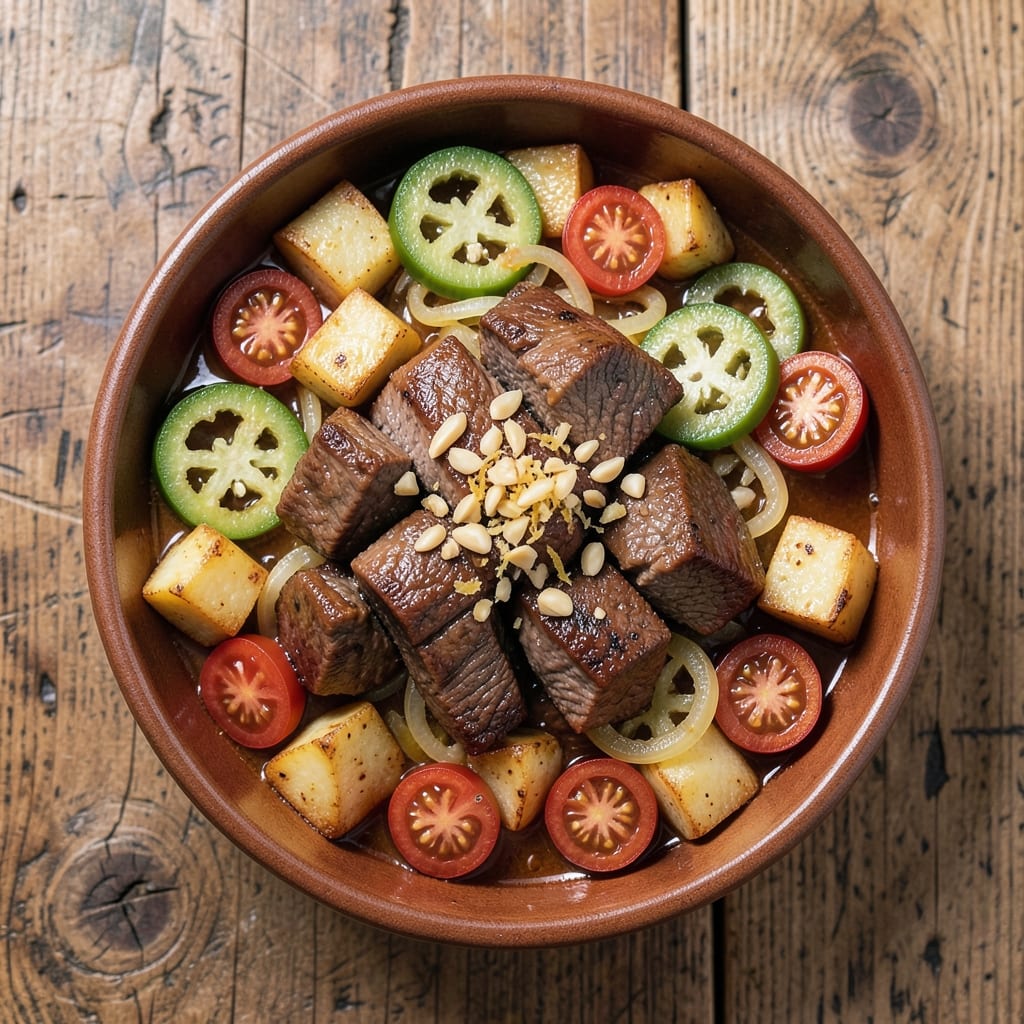
This beef ampalaya recipe panlasang Pinoy delivers the perfect balance of silky bitter melon and tender beef in a rich, savory broth—exactly what makes Filipino comfort food unforgettable. The secret lies in properly preparing the ampalaya (bitter melon) to soften its natural bitterness while preserving its signature texture, creating a dish that’s both hearty and delicate. I developed this recipe after years of perfecting the art of transforming tough cuts of beef into melt-in-your-mouth bites, all while letting the ampalaya shine through careful cooking techniques.
The beauty of this dish is in its simplicity—just a few key ingredients come together to create a flavor profile that’s distinctly Filipino: sweet, savory, and slightly tangy, with just the right amount of umami. The beef simmers until fork-tender, absorbing the aromatic blend of garlic, onions, and spices, while the ampalaya softens into silky strands that hold up beautifully in the broth. What makes this recipe truly special is how it transforms a humble vegetable into the star of the dish, making it a favorite for family gatherings and cozy weeknight dinners alike.
By the time you serve this dish, you’ll have a steaming pot of beef ampalaya that’s rich, flavorful, and perfectly balanced—ready to be paired with steamed rice or a side of atchara for the full Filipino experience. The broth is deep and savory, the beef is tender yet firm, and the ampalaya adds a satisfying texture that makes every bite worth savoring. This is the kind of recipe that feels like a warm hug on a plate, bringing a taste of home to your table.
Whether you're cooking for a crowd or treating yourself to a comforting meal, this beef ampalaya is sure to become a staple in your recipe rotation. The method is straightforward, but the results are anything but basic—this is the kind of dish that turns simple ingredients into something extraordinary. Let’s get cooking!
Ingredients for beef ampalaya recipe panlasang pinoy
Filipino comfort food essentials—tender beef, silky ampalaya, and aromatic broth ingredients.
| Ingredient | Amount | Notes |
|---|---|---|
| Beef Chuck Roast 🥩 | 1 ½ lb | Cut into 1-inch cubes |
| Ampalaya (Bitter Melon) 🍆 | 2 medium | Whole, unpeeled, cut lengthwise |
| Yellow Onions 🧅 | 2 whole | Thinly sliced, about 2 cups |
| Garlic Cloves 🧄 | 6 cloves | Minced, about 2 tbsp |
| Tomatoes 🍅 | 2 whole | Medium, quartered |
| Potatoes 🥔 | 2 medium | Peeled, cut into cubes |
| Coconut Milk 🥥 | 1 can | Full-fat, 13.5 oz can |
| Fish Sauce 🐟 | 2 tbsp | Red Boat preferred |
| Soy Sauce 🍶 | 2 tbsp | Regular or light |
| Calamansi or Lemon Juice 🍋 | 1 tbsp | Freshly squeezed |
| Salt 🧂 | 1 tsp | Adjust to taste |
| Black Peppercorns 🌶️ | ½ tsp | Ground fresh |
| Cooking Oil 🫒 | 2 tbsp | Vegetable or canola |
| Green Chilies 🌶️ | 2 whole | Sliced, optional for heat |
The beef is key here: chuck roast gives that melt-in-your-mouth texture, but sirloin works too if you're in a hurry. Look for ampalaya at Asian markets—they'll have the freshest, least bitter ones. If you can't find it, eggplant works as a substitute, but the flavor won't be identical. The potatoes add heartiness, so don't skip them. For the fish sauce, Red Boat is the gold standard—it's worth the investment for that authentic umami punch.
No fish sauce? Soy sauce plus a dash of oyster sauce gets you close. Short on coconut milk? Heavy cream at half the amount works in a pinch, though the flavor won't be quite the same. The tomatoes can be canned if fresh aren't available—San Marzano works perfectly. For the ampalaya prep, the secret is salting it first to draw out bitterness. Let it sit for 10 minutes before rinsing thoroughly. Green chilies are optional but add that signature Filipino heat—skip them if you prefer mild flavor.
This dish tastes even better the next day as the flavors meld. Store leftovers in the fridge for 3-4 days or freeze for up to 3 months. The broth thickens as it cools, so add a splash of water when reheating. I always make extra—portion into containers for easy lunches. The ampalaya softens further when reheated, so it's perfect for quick meals.
Why You'll Love This Recipe
- One-Pot Magic: I swear by this recipe—just toss the beef, ampalaya, onions, and garlic into one pot, simmer, and let the flavors meld. No chopping chaos, no extra pans, and honestly? The bitter melon softens into something almost sweet when cooked right.
- Umami Bomb: That beef chuck roast, slow-cooked until tender, paired with tomatoes and garlic? It’s the kind of rich, savory depth that makes you forget bitter melon even exists. (Yes, even my picky husband finishes his plate.)
- Lunchbox Hero: Between us, this dish begs to be packed for work lunches. The beef stays juicy, the ampalaya holds its shape, and the sauce? Thick enough to coat every bite—no soggy leftovers here.
- Budget Stretch: A whole beef chuck roast and a few veggies feed four for under $15. Honestly, it’s my go-to when groceries feel tight, and the leftovers? Even better the next day—if there are any. (Spoiler: there won’t be.)
Step-by-step instructions for beef ampalaya panlasang Pinoy
Here's how to create this comforting Filipino classic with tender beef and silky ampalaya.
Prepare the Beef and Vegetables
Cut the 1.5 lb beef chuck roast into 1-inch cubes for even cooking. Set aside in a bowl. For the ampalaya (bitter melon), cut each medium bitter melon lengthwise into ½-inch thick slices—this ensures they cook through without becoming mushy. Peel and cut the 2 medium potatoes into 1-inch cubes and quarter the 2 whole tomatoes. Thinly slice the 2 whole yellow onions into semi-circles.
Mince the 6 cloves garlic and slice the 2 whole green chilies if you want added heat. Keep all prepped ingredients separate until ready to use. The key here is uniformity—even-sized pieces ensure everything cooks at the same rate, creating a harmonious texture in your dish.
Sauté the Aromatics and Beef
Heat the 2 tbsp cooking oil in a large pot over medium-high heat. Add the 1-inch beef cubes and sear for 3-4 minutes until they develop a light brown crust. Remove the beef and set aside. In the same pot, add the thinly sliced yellow onions and sauté for 2-3 minutes until they soften and turn translucent.
Add the minced garlic and cook for 30 seconds until fragrant. Stir in the 2 tbsp fish sauce and 2 tbsp soy sauce, letting the mixture bubble for 1 minute to deepen the flavors. This step builds the savory foundation that will infuse the entire dish.
Simmer the Vegetables and Beef
Return the beef to the pot along with the ampalaya slices, potato cubes, and quartered tomatoes. Pour in the 1 can coconut milk and add 1 tbsp calamansi or lemon juice, 1 tsp salt, and ½ tsp ground black peppercorns. Stir gently to combine, then bring the mixture to a gentle boil over medium heat. Once boiling, reduce the heat to low and let it simmer uncovered for 25-30 minutes. The vegetables should be tender but still hold their shape.
I check for doneness by piercing the potatoes with a fork—they should slide in easily but still offer slight resistance. The ampalaya should be silky rather than mushy, and the beef should be fork-tender. If the sauce thickens too much, add 2-3 tablespoons of water to maintain the right consistency.
Finish and Adjust Seasoning
Once everything is tender, taste the sauce and adjust the seasoning if needed. Add a splash more fish sauce or soy sauce if it needs more umami depth, or a bit of calamansi juice for brightness. The dish should balance savory, slightly tangy, and creamy notes. Let the beef ampalaya sit off the heat for 5 minutes to allow the flavors to meld together.
Serve the beef ampalaya hot, ideally with steamed white rice. The contrast of the fluffy rice with the rich, slightly tangy sauce makes this dish truly comforting. The beef should be tender enough to pull apart easily, and the ampalaya should have a velvety texture that melts in your mouth.
Pro Tips For Making Beef Ampalaya Recipe Panlasang Pinoy
- Sear the Beef First: I learned this the hard way—skipping the sear means bland beef. Slice the chuck roast into 1-inch chunks, pat them very dry with paper towels, then hit a screaming-hot pan with oil. Let those chunks brown deeply for 3-4 minutes per side before pulling them out. That crust locks in flavor when the sauce simmers later.
- Slice Ampalaya Thin: Thick bitter melon slices turn mushy and bitter. Use a sharp knife and cut the ampalaya lengthwise into ¼-inch strips—like you’re shaving it. A quick rinse in cold water after slicing removes excess bitterness, but don’t soak it or it’ll get soggy. Trust me, this makes all the difference when the sauce thickens.
- Deglaze with Tomato Juice: After browning the onions and garlic, don’t just splash in water or broth. Grab a can of crushed tomatoes and their juices—about ½ cup—and scrape every last bit of fond from the pan. Let that simmer for 2 minutes before adding the beef back in. That caramelized bitterness is the soul of the dish.
- Simmer Low and Slow: This isn’t a race. Once everything’s in the pot, reduce heat to medium-low and let it bubble gently for at least 45 minutes. The beef needs time to tenderize, and the ampalaya to soften without turning to mush. I’ve rushed it twice—both times ended with rubbery beef and sad, watery greens. Patience here guarantees a proper stew.
Troubleshooting this dish
Mushy Ampalaya Fix
If your ampalaya turns mushy, it’s likely overcooked. The secret is timing—add it to the pot after the beef and potatoes have simmered for 15 minutes. This way, it cooks just enough to soften without losing texture. I’ve found that slicing it ½-inch thick (not thinner) helps maintain structure. If it’s already too soft, try this: Remove the ampalaya, chop it into smaller pieces, and stir it back into the sauce just before serving—it’ll blend in without being noticeable. 💡
Beef Too Tough
Tough beef usually means it wasn’t cooked long enough or the cut wasn’t tenderized properly. For chuck roast, simmer for at least 1.5 hours on low heat to break down the connective tissue. If you’re short on time, use sirloin instead—it cooks faster but still needs 45-60 minutes of simmering. Pro tip: After searing, add 1 tsp baking soda to the beef while simmering (rinse it off before serving)—this tenderizes it faster. 🥩
Broth Too Thin
A watery broth often happens when too much liquid is added or the sauce isn’t reduced enough. If this happens, remove the lid and simmer uncovered for 5-10 extra minutes to thicken it naturally. For an instant fix, mix 1 tbsp cornstarch with 2 tbsp water, stir it into the sauce, and simmer for 2 minutes until it thickens. Avoid over-salting—too much fish or soy sauce can also dilute the broth’s richness. 🌡️
Bitterness Lingers
If the ampalaya still tastes bitter, it’s likely not been salted properly before cooking. Here’s my foolproof method: Salt the slices with ½ tsp salt per bitter melon, let them sit for 10 minutes, then rinse and pat dry. This draws out the bitterness before it even hits the pot. For extra insurance, add 1 tbsp sugar to the sauce—it balances the bitterness without overpowering the dish. 🍋
Sauce Too Salty
Over-salting is a common mistake, especially when using fish sauce. If your dish tastes too salty, dilute it with ½ cup warm water or coconut milk, then simmer for 5 minutes to let the flavors rebalance. For a brighter taste, add 1 tbsp calamansi juice—the acidity cuts through the saltiness. Avoid adding more liquid too quickly, or you’ll dilute the rich umami flavors you’ve worked so hard to build. 💧
Potatoes Overcooked
If your potatoes turn to mush, they were likely added too early or cooked at too high a temperature. To prevent this, add them after the beef has simmered for 30 minutes—this ensures they cook just enough to soften without falling apart. For extra insurance, parboil them for 5 minutes before adding to the pot. If they’re already too soft, mash them slightly and stir them back into the sauce—they’ll thicken it naturally. 🥔
Nutrition facts
Frequently asked questions
What makes this beef ampalaya different from other Filipino stews?
This recipe balances the natural bitterness of ampalaya with rich, savory beef and coconut milk for a uniquely Filipino flavor profile. Unlike other stews, the ampalaya is pre-salted to reduce bitterness while keeping its signature texture, and the beef is slow-cooked to achieve melt-in-your-mouth tenderness. The addition of calamansi juice adds a bright tang that sets it apart from heavier coconut-based dishes.
Can I substitute ampalaya with another vegetable?
Yes! If you can't find ampalaya, try eggplant or zucchini—they work best. For a closer flavor, use bitter gourd (bitter melon) from Asian markets. Slice them ½-inch thick and salt them first to reduce bitterness. Avoid overly sweet vegetables like carrots—they won't complement the savory beef as well.
How do I know when the beef is perfectly tender?
The beef should be fork-tender but not falling apart. Press a piece with a fork—it should give slightly but hold its shape. For chuck roast, simmer for 1.5 hours on low heat. For faster cuts like sirloin, 45-60 minutes is enough. If it's still tough, add 1 tsp baking soda to the pot (rinse before serving) to tenderize it faster.
What sides pair best with beef ampalaya?
Serve with steamed white rice to soak up the rich sauce. For extra flavor, add atchara (pickled papaya) or kinilaw (Filipino ceviche) for a tangy contrast. A simple green salad with vinegar dressing also cuts through the richness. Avoid heavy sides—they'll overpower the dish's delicate balance of flavors.
Can I make this dish in a slow cooker?
Sear the beef first, then transfer everything to the slow cooker. Cook on low for 6-7 hours or high for 3-4 hours. The slow cooking enhances the beef's tenderness and lets the flavors meld beautifully. Add the ampalaya after 1 hour of cooking to prevent mushiness. The sauce may thicken more, so add 2-3 tbsp water if needed.