
Sauces & Condiments
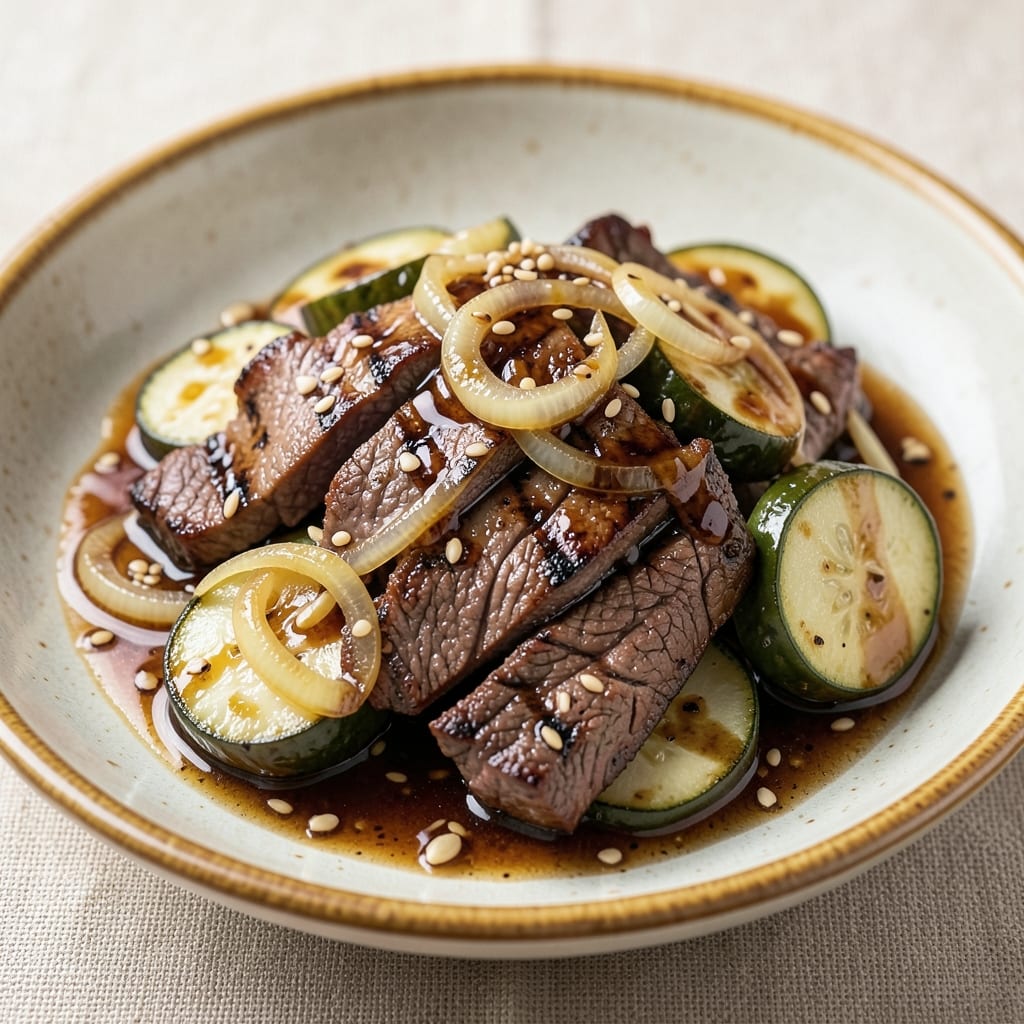
This beef ampalaya with oyster sauce delivers a perfect marriage of silky eggplant and tender beef in a rich, umami-packed sauce that balances sweet, salty, and savory notes. The dish transforms humble ingredients into a restaurant-worthy meal with just a few key techniques—properly slicing the ampalaya for even cooking and simmering the beef until fork-tender. I developed this version after years of adapting traditional Filipino flavors to home kitchens, ensuring every bite achieves that signature harmony of textures and depths.
The secret lies in the sauce: oyster sauce provides the umami backbone, while soy sauce and a touch of sugar create the perfect balance. Fresh ampalaya (Filipino eggplant) holds its shape beautifully when cooked just right, absorbing the savory sauce without turning mushy. For best results, use flank steak or tenderloin—thinly sliced and marinated briefly to tenderize. This isn't just another stir-fry; it's a dish that builds layers of flavor through careful simmering and reduction.
What you'll end up with is a vibrant, aromatic dish where the beef remains juicy and the eggplant stays tender-crisp, all coated in a glossy sauce that clings perfectly. The aroma alone—smoky from the garlic, sweet from the caramelized onions, and rich from the oyster sauce—will have everyone at the table anticipating that first bite. This recipe proves that authentic Filipino flavors don't require special equipment, just patience and attention to technique.
Serve it over steamed rice to soak up every last drop of that flavorful sauce, or pair with a simple green salad to cut through the richness. The leftovers reheat beautifully, making it perfect for meal prep. Let's get cooking—this dish is worth every minute of effort.
Ingredients for beef ampalaya with oyster sauce
Fresh eggplant, tender beef, and bold umami flavors—this dish transforms simple ingredients into a restaurant-worthy meal.
| Ingredient | Amount | Notes |
|---|---|---|
| Fresh Ampalaya (Filipino Eggplant) 🍆 | 2 cups | Thinly sliced, seeds removed |
| Flank Steak 🥩 | 1 lb | Thinly sliced against grain |
| Oyster Sauce 🍜 | ½ cup | High-quality, not reduced |
| Yellow Onions 🧅 | 1 whole | Thinly sliced, caramelized |
| Garlic Cloves 🧄 | 6 cloves | Minced, aromatic |
| Soy Sauce 🥢 | ¼ cup | Light or regular |
| White Sugar 🍚 | 2 tbsp | Granulated, balances flavors |
| Ginger 🌿 | 1 tbsp | Fresh, grated |
| Vegetable Oil 🫒 | 2 tbsp | High smoke point |
| Black Peppercorns 🌶️ | ½ tsp | Freshly ground |
| Salt 🧂 | 1 tsp | Kosher or sea salt |
| Green Onions 🧅 | 2 whole | Sliced, for garnish |
| Cooked White Rice 🍚 | 2 cups | Steamed, for serving |
The ampalaya is the star here—fresh is non-negotiable. Look for vibrant purple or green eggplants at Asian markets, where they often sell pre-sliced ampalaya (just check for freshness). If you can't find it, regular eggplant works in a pinch, but it won't have the same silky texture. For the beef, flank steak or tenderloin is ideal—thinly slicing it against the grain ensures tender bites. The oyster sauce should be high-quality, like Lee Kum Kee, not the reduced kind from the back of the pantry. That deep umami flavor is what ties everything together.
No oyster sauce? Soy sauce plus a splash of fish sauce gets you close, though it won’t be identical. The sugar balances the saltiness—brown sugar adds molasses notes, but white works just fine. Fresh ginger and garlic are musts here, but if you’re in a bind, dried ginger at half the amount or garlic powder will work. The onions? Caramelize them low and slow—this is where the sweetness develops. And if you’re feeling fancy, add a pinch of white pepper for a subtle kick. The beef should be marinated for at least 15 minutes in soy sauce and a bit of cornstarch to help it tenderize.
This dish tastes even better the next day—leftovers reheat beautifully, just add a splash of water to loosen the sauce. Store in an airtight container in the fridge for up to 4 days or freeze for 3 months. For meal prep, double the recipe and portion it into containers with rice—lunches sorted for the week. The sauce thickens as it cools, so a quick stir with a splash of water brings it back to perfection. And if you’ve got extra rice, save it for fried rice later—this sauce is a game-changer in that dish too.
Why You'll Love This Recipe
- One-Pan Magic: I swear by this recipe when I’m too tired to scrub pots—just sear the flank steak, toss in the sliced ampalaya and onions, and let the oyster sauce do its thing. The garlic sizzles in the same pan, so cleanup is basically nonexistent.
- Umami Bomb: That first bite of tender beef with the ampalaya’s slightly bitter crunch? Chef’s kiss. The oyster sauce cuts through the richness while keeping the dish savory, and the caramelized onions add this deep, sweet contrast that makes it impossible to stop eating.
- Leftover Hero: Between us, this dish tastes better the next day—yes, really. The flavors meld overnight, and reheating it in a skillet with a splash of water keeps the ampalaya from drying out. Pack it for lunch or freeze portions; it’s my go-to for lazy mornings.
- Budget Stretch: Flank steak is affordable, ampalaya grows wild in some regions, and oyster sauce lasts forever. I’ve made this for date nights, potlucks, and even my mom’s birthday—no one ever guesses how little it cost. Plus, the leftovers stretch for days.
Step-by-step instructions for beef ampalaya with oyster sauce
This dish brings together silky eggplant and tender beef in a rich, umami-packed sauce that's perfect over steamed rice.
Prepare the Ampalaya and Flank Steak
Start by washing the 2 cups fresh ampalaya (Filipino eggplant) thoroughly under cold water. Using a sharp knife, carefully slice the eggplant lengthwise and remove the seeds with a spoon—this prevents bitterness. Then cut into ½-inch thick slices. I like to pat them dry with paper towels to remove excess moisture, which helps them absorb flavors better.
Next, slice the 1 lb flank steak thinly against the grain into ¼-inch thick strips. This ensures each bite is tender and easy to chew. Place both the eggplant and steak in separate bowls. Season the steak generously with 1 tsp salt and ½ tsp freshly ground black peppercorns, then set aside.
Caramelize the Onions and Build the Sauce Base
Heat 2 tbsp vegetable oil in a large wok or deep skillet over medium heat. Add the 1 whole yellow onion, sliced thinly, and cook for 8-10 minutes until deeply caramelized and golden brown. You'll know it's ready when the onions smell sweet and rich—this adds incredible depth to the dish.
Push the onions to one side of the pan and add the 6 cloves minced garlic and 1 tbsp grated fresh ginger to the empty space. Stir for 30 seconds until fragrant—don't let the garlic burn, or it'll turn bitter. Then add the 2 tbsp white sugar and stir for another 1 minute until it melts into the aromatics.
Cook the Beef and Ampalaya Together
Increase the heat to medium-high and add the seasoned steak strips. Sear for 2-3 minutes until they turn brown and lose their raw appearance. Remove the beef with a slotted spoon and set aside temporarily.
In the same pan, add the sliced ampalaya and stir for 3-4 minutes until the eggplant begins to soften slightly. Pour in ½ cup oyster sauce and ¼ cup soy sauce, then stir everything together. Return the beef to the pan and let it simmer for 5 minutes until the eggplant is tender but still holds its shape.
Finish and Serve
Taste the mixture and adjust seasoning if needed—you might want to add a splash more soy sauce or a pinch of sugar to balance flavors. Stir in the 2 whole sliced green onions and let the dish cook for another 1-2 minutes to incorporate their freshness.
Serve immediately over 2 cups cooked white rice, spooning generous portions of the beef and ampalaya mixture on top. The silky eggplant and tender beef create a perfect harmony with the rich, savory sauce. Garnish with extra green onions if desired, and enjoy while warm!
Pro Tips For Making Beef Ampalaya With Oyster Sauce
- Sear the Steak First: Hit that flank steak with a screaming-hot pan before cutting it into strips—you’re not just cooking, you’re building flavor. A quick 2-3 minute sear on each side locks in juices and gives the dish a depth that raw strips just can’t match. (Yes, it’ll look weird when you slice it later, but that’s the point.) ---
- Salt the Ampalaya: Toss those ampalaya slices with a pinch of salt right after cutting—let them sit for 10 minutes while you prep the rest. This draws out bitterness and keeps the eggplant from turning into a mushy mess when it hits the pan. I learned this the hard way after serving a plate that tasted like regret. ---
- Don’t Overcrowd the Pan: If you’re stir-frying the beef and veggies together, work in batches—even if it feels slow. A packed pan steams instead of sears, and suddenly your dish tastes bland instead of umami-packed. Two minutes per batch, high heat, and you’ll get that char you’re after. ---
- Deglaze with Soy, Not Water: After searing the beef, scrape up those browned bits with a splash of soy sauce (not water) before adding the oyster sauce. That quick deglaze turns your pan drippings into extra flavor instead of wasted scraps. It’s the difference between "good" and "restaurant-quality."
Essential equipment for great beef ampalaya with oyster sauce
Wok or Skillet
A large wok or deep skillet with 3-4 quart capacity is essential for this recipe. I recommend a carbon steel wok like the De Buyer 36cm—it heats evenly and develops a natural non-stick patina over time. If you don't have a wok, a heavy-bottomed stainless steel skillet (like All-Clad) works perfectly for even heat distribution. Avoid non-stick pans—they can't handle the high heat needed for proper caramelization of onions and beef. 🔥
Sharp Knife Set
Precision matters when slicing ampalaya and flank steak, so invest in a high-quality chef's knife (I use Shun Premier) and a slicing knife for the beef. A mandoline with a 3mm slicing blade can help with even ampalaya slices if you're not comfortable freehand. For the onions, a serrated knife prevents crushing—German-style knives like Wüsthof excel here. Keep your knives sharp to avoid tearing the ampalaya fibers.
Measuring Tools
Accurate measurements are critical for balancing flavors. Use a digital kitchen scale for the oyster sauce and soy sauce (they're often sold in liquid form without measurements). For dry ingredients like sugar and ginger, a stainless steel measuring spoon set (like OXO Good Grips) ensures precision. A fine-mesh strainer comes in handy if you need to remove any bits from the ampalaya seeds during prep. 💡
Tongs and Slotted Spoon
Stainless steel tongs (like Mercoid) help flip the beef without piercing it, keeping those juices sealed inside. A slotted spoon (I prefer Cuisinart) is perfect for removing the beef temporarily during cooking. Both tools should have long handles to protect your hands from the hot wok. Avoid wooden utensils—they can char when exposed to high heat.
Thermometer (Optional)
While not mandatory, a meat thermometer (like Thermoworks Smoke) ensures your beef reaches 145°F internal temperature before serving. For the onions, monitor their caramelization visually—they should be golden brown with a deep sweet aroma. If you're new to wok cooking, a thermometer helps gauge pan temperature, preventing scorching. I skip it for this recipe but keep one handy for other dishes. ✨
Nutrition facts
Frequently asked questions
Can I substitute regular eggplant for ampalaya in this recipe?
While you can use regular eggplant, it won't have the same texture or flavor. Ampalaya is less bitter and holds its shape better when cooked. If substituting, choose firm, young eggplants and reduce cooking time by 2-3 minutes to prevent mushiness. The dish will still be delicious but with a slightly different mouthfeel.
What's the best way to handle the bitterness in ampalaya?
Fresh ampalaya should be mildly sweet with minimal bitterness. If yours tastes bitter, soak the slices in cold water for 10 minutes before cooking. Discard the water and pat dry. For extra insurance, add ½ tsp sugar to the sauce—it helps neutralize any lingering bitterness while enhancing the sweet-savory balance.
Can I make this dish ahead of time?
This recipe tastes even better the next day. Store in an airtight container in the fridge for up to 4 days. Reheat gently on the stove with 1-2 tbsp water to restore the sauce's glossy texture. For freezing, portion into meal-prep containers—it reheats beautifully for 3 months without losing flavor.
What beef cuts work best for this recipe?
Flank steak or tenderloin are ideal due to their tenderness when sliced thinly. For budget-friendly options, try sirloin tip or skirt steak—just marinate for 20-30 minutes in soy sauce and cornstarch to tenderize. Avoid tougher cuts like chuck; they won't become tender enough with this cooking method.
How can I make the sauce thicker or thinner?
For a thicker sauce, simmer uncovered for 5-7 extra minutes to reduce. If too thick, add 1-2 tbsp water or beef broth while stirring. For a thinner consistency, increase the oyster sauce by 1 tbsp or add ½ cup beef stock during cooking. Taste as you go—Filipino sauces should coat the back of a spoon but remain silky.