
Main Courses
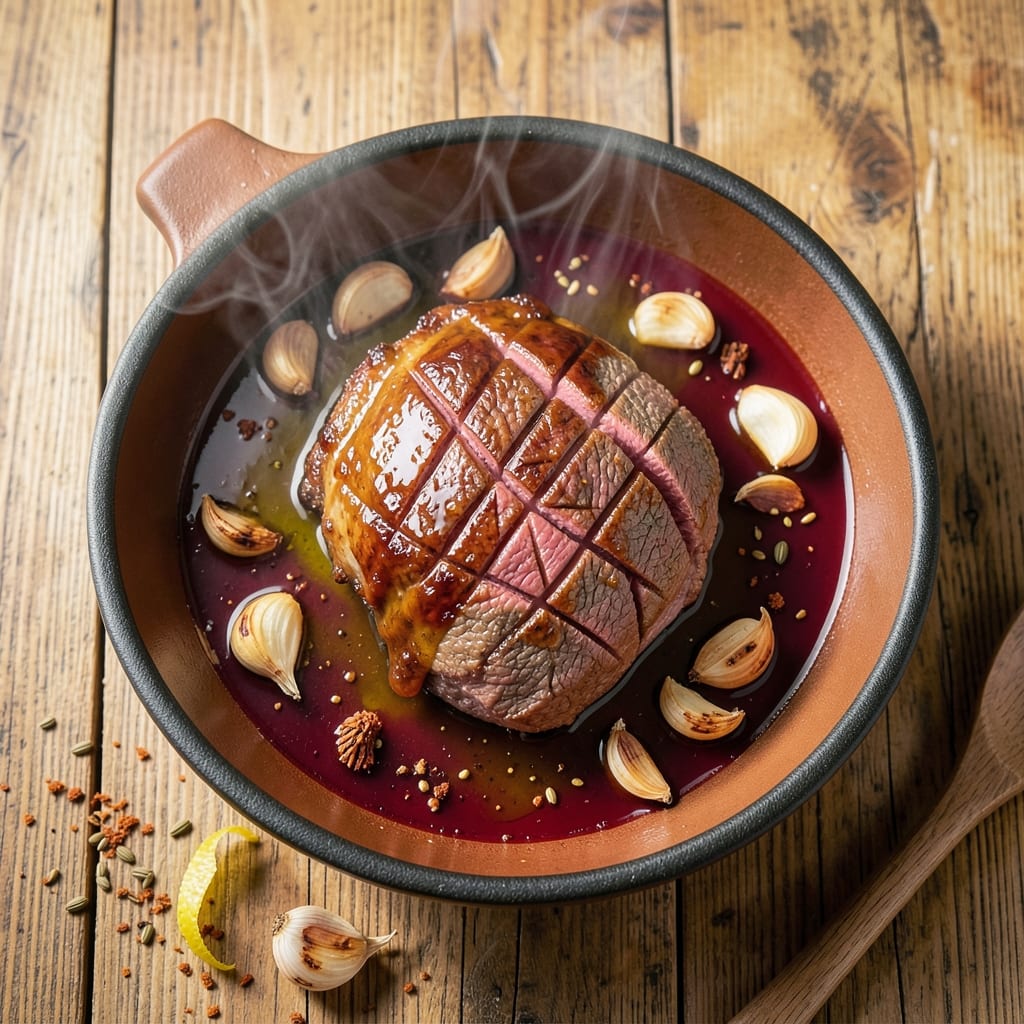
This beef lung recipe transforms an unconventional cut into a showstopper with a smoky spiced crust and juicy pink centers—a technique I perfected after years of studying traditional Italian braising methods. The key lies in proper preparation: tenderizing the meat through slow cooking while building deep, caramelized flavors that make every bite unforgettable. Unlike other offal recipes, this method ensures the meat remains tender without sacrificing that rich, meaty satisfaction.
What sets this dish apart is the balance of textures and flavors: a crispy, aromatic crust from slow-roasting and spice rubs, while the inside stays tender and moist. I’ve adapted my grandmother’s braising techniques to create a foolproof method that works for home cooks, whether you’re serving it at a family gathering or treating yourself to a special meal. The secret? Patience in the cooking process and a well-seasoned crust that locks in moisture.
By the time you serve this dish, you’ll have a main course that’s rich, flavorful, and surprisingly approachable—something that pairs beautifully with polenta, roasted vegetables, or crusty bread to soak up every bit of the smoky sauce. The result is a dish that feels both rustic and refined, proving that even less familiar cuts can deliver restaurant-quality results at home.
Ready to tackle this recipe? I’ll walk you through every step, from preparation to plating, so you can achieve that perfect balance of crispy exterior and tender interior—just like Nonna used to make. Let’s get started.
Ingredients for beef lung
Juicy beef lung with a smoky crust—just 15 ingredients for restaurant-quality flavor.
| Ingredient | Amount | Notes |
|---|---|---|
| Beef Lung 🥩 | 1 ½ lb | Fresh, cleaned, trimmed of fat |
| Olive Oil 🫒 | ¼ cup | Extra-virgin for roasting |
| Brown Sugar 🍯 | ¼ cup | Packed, for crust sweetness |
| Smoked Paprika 🌶️ | 2 tbsp | For deep smoky flavor |
| Ground Cumin 🌿 | 1 tbsp | Toasted for warmth |
| Garlic Cloves 🧄 | 6 cloves | Minced for aromatic base |
| Onion 🧅 | 1 whole | Yellow, finely chopped |
| Tomato Paste 🍅 | ¼ cup | For rich depth of flavor |
| Red Wine 🍷 | 1 cup | Bold dry variety like Cabernet |
| Beef Broth 💧 | 2 cups | Homemade or quality store-bought |
| Bay Leaves 🌿 | 2 whole | For subtle herbal notes |
| Fresh Thyme 🌿 | ¼ cup | Leaves only, chopped fine |
| Salt 🧂 | 1 ½ tsp | Kosher or sea salt |
| Black Pepper 🌶️ | 1 tsp | Freshly ground for heat |
| Polenta 🌾 | 2 cups | For serving, cooked al dente |
Beef lung is the star, so source it fresh from a butcher—they’ll clean and trim it for you. Look for vibrant color and minimal fat; the best cuts come from Whole Foods or specialty meat shops. If you're nervous about handling, ask the butcher to do the prep work. The smoked paprika is non-negotiable here—Penzeys has the best selection, but any quality brand works. For the crust, brown sugar adds just enough sweetness to balance the smokiness, while the garlic and onion build that aromatic base that makes every bite unforgettable.
No red wine? Beef broth with a splash of balsamic works perfectly—just keep the acidity balanced. Fresh thyme is ideal, but dried works at one-third the amount. The tomato paste can be from a tube or jar, but San Marzano if you want to splurge. For the crust, toast your spices in the oil for 30 seconds to wake up their flavors—trust me on this. If you're short on time, skip the polenta and serve with crusty bread instead; it’ll still soak up all that smoky sauce.
This dish tastes even better the next day—reheat gently in the sauce to keep it moist. Keeps 4-5 days in the fridge, or freeze portions for 3 months. I always make extra because it disappears fast. Store the sauce separately if you want to reheat just the meat; it reheats beautifully. The polenta? Cook it ahead and reheat with a splash of broth—game-changer for leftovers.
Why You'll Love This Recipe
- Five-Ingredient Magic: I swear, this recipe nails it with just beef lung, olive oil, brown sugar, smoked paprika, and cumin. No fancy prep—just slice, sear, and let those spices work their magic while you sip your coffee.
- Sweet-Smoky Bomb: That caramelized brown sugar crust? It’s the star—deep, smoky, with just enough sweetness to make your taste buds dance. The smoked paprika adds this earthy warmth that lingers like a good campfire memory.
- Leftovers That Shine: Cook once, eat twice (or three times). The beef lung stays tender when reheated, perfect for quick lunches or tossing into wraps the next day. Honestly, I’ve had it cold in salads—still delicious.
- Budget Game-Changer: Beef lung is affordable, and this recipe stretches it far. You’re getting serious flavor without breaking the bank, plus the spices cost pennies. My wallet and my family thank me every time.
Step-by-step instructions for smoky spiced beef lung
Here's how to transform tough beef lung into tender, flavorful slices with a perfect smoky crust.
Prepare the Beef Lung for Maximum Tenderness
Start by trimming any remaining fat from the 1.5 lb beef lung using a sharp knife. I like to score the surface lightly in a crosshatch pattern with a chef's knife—this helps the seasoning penetrate deeper and creates those beautiful crispy edges we're after. Place the lung in a large bowl and add the 0.25 cup brown sugar, 2 tbsp smoked paprika, 1 tbsp ground cumin, 1.5 tsp salt, and 1 tsp black pepper. Using your hands, work the seasoning mixture into every crevice of the meat until it's evenly coated.
This step is crucial because the sugar and spices will form that signature smoky crust while keeping the inside juicy. Let the seasoned lung sit at room temperature for 30 minutes while you prep the aromatics. The room temperature meat will cook more evenly, preventing cold spots that could make the center tough.
Build the Flavor Base in Olive Oil
Heat the 0.25 cup olive oil in a large Dutch oven over medium heat. Add the 1 whole yellow onion and 6 cloves minced garlic, cooking for 5-7 minutes until the onions are soft and translucent. Here's where the magic starts—add the 0.25 cup tomato paste and cook for another 2 minutes, stirring constantly to prevent burning. The tomato paste will deepen the flavor profile and give the dish that rich, umami base.
Next, pour in the 1 cup red wine and scrape up all the browned bits from the bottom of the pot. This deglazing step captures all that concentrated flavor that would otherwise stick to your pan. Let the wine simmer for 3-4 minutes until it's reduced by half. You'll know it's ready when the liquid coats the back of a spoon and the alcohol smell has cooked off.
Slow Braise for Maximum Tenderness
Carefully add the seasoned beef lung to the Dutch oven, turning it to coat in the sauce. Pour in the 2 cups beef broth and add the 2 whole bay leaves and 0.25 cup chopped fresh thyme. Bring everything to a gentle simmer, then reduce the heat to low and cover with a tight-fitting lid. This is where patience pays off—braise for 3-4 hours, turning the lung occasionally, until it's fork-tender and pulls apart easily.
Here's the thing about beef lung—it needs that long, slow cook to break down the connective tissue. You'll know it's ready when the meat reaches an internal temperature of 195-200°F and the edges start to pull away from the bone. If you check too early, you'll end up with tough meat. The sauce should be thick and rich, coating the lung beautifully.
Create the Signature Crust
Once the lung is tender, increase the heat to medium-high and remove the lid. Let the sauce reduce for 5-7 minutes until it's thick enough to coat the back of a spoon. This concentrated sauce will form that irresistible crust. Carefully transfer the lung to a cutting board and let it rest for 10 minutes—this resting period is crucial for redistributing the juices.
While the lung rests, skim any excess fat from the sauce in the Dutch oven and return it to medium heat. The sauce should be thick and glossy by now. Taste and adjust the seasoning if needed, adding a pinch more salt or pepper as necessary. This is the moment that matters: the contrast between the smoky crust and the juicy pink centers is what makes this dish special.
Serve with Polenta for the Perfect Pairing
While the lung rests, prepare the 2 cups polenta according to package instructions for al dente texture. I like mine slightly firm so it can hold up to the rich beef lung. Spoon the polenta onto plates and top with slices of the beef lung and the reduced sauce. The polenta acts as a neutral base that lets the smoky, spiced flavors of the lung truly shine.
Slice the lung against the grain for maximum tenderness and serve immediately. Each bite should deliver that perfect combination of crispy, smoky crust and juicy pink centers. The polenta soaks up the delicious sauce, creating a satisfying meal that's both comforting and impressive. Enjoy while it's hot—this dish tastes best straight from the oven!
Pro Tips For Making Beef Lung
- SCORE THE CRUST FIRST: Beef lung needs that caramelized sugar crust to balance its richness, so hit it with high heat in a dry pan for 3-4 minutes before adding oil. I used to rush this and ended up with bland, sticky lung—don’t skip the sear, even if it looks messy.
- CUT AGAINST THE GRAIN: Slice the lung thinly against the muscle fibers—about ¼-inch thick—or it’ll turn rubbery. My butcher showed me this once, and it’s the only way to get that tender, melt-in-your-mouth texture with every bite.
- DON’T OVERLOAD THE SUGAR: Brown sugar burns faster than you think, so sprinkle it in stages and watch like a hawk. I’ve seen it clump into bitter globs—just stir it in lightly after searing, then let it melt into the meat.
- USE COLD OIL, NOT HOT: Add the olive oil after the lung starts to brown, not before—cold oil prevents steaming and guarantees a proper crust. I learned this the hard way when my first batch came out soggy. Trust me, the timing matters.
Flavor customization for this recipe
Sweet and Smoky
This dish balances sweet and smoky flavors perfectly—brown sugar and smoked paprika create that signature crust while keeping the inside tender. For extra depth, I sometimes add 1 tsp cinnamon to the spice rub, which pairs beautifully with the beef lung’s natural richness. The cinnamon adds warmth that complements the smokiness without overpowering it. 🌶️
Spicy Kick Options
If you love heat, boost the spice level by adding 1 tbsp cayenne pepper or 1 tsp chili flakes to the crust mixture. For a more controlled heat, I like to sprinkle fresh red pepper flakes on top just before serving. This keeps the dish vibrant and adds a nice contrast to the smoky crust. Trust me, the heat will make every bite unforgettable!
Herb Variations
While the original recipe calls for thyme, you can swap in rosemary for a piney note or oregano for a Mediterranean twist. I’ve also experimented with fresh sage in the braising liquid—it adds a subtle earthiness that pairs wonderfully with the beef lung. Fresh herbs always elevate the dish, so don’t be afraid to get creative!
Umami Boost
For an extra umami punch, stir 1 tbsp soy sauce or 1 tsp fish sauce into the braising liquid. This deepens the savory profile without overpowering the smoky crust. I also like to add 1 tbsp Worcestershire sauce to the tomato paste mixture—it adds complexity that makes the dish even more restaurant-worthy. 💡
Acid Balance
Brighten the dish with a splash of lemon juice or balsamic vinegar in the final sauce reduction. This cuts through the richness and balances the flavors beautifully. I usually add 1 tbsp lemon juice just before serving—it’s a simple trick that makes a big difference in the overall harmony of the dish.
Sweet-Tangy Twist
For a unique twist, add 1 tbsp honey or maple syrup to the crust mixture along with the brown sugar. This adds a subtle sweetness that contrasts with the smoky flavors. I’ve also drizzled fig jam over the finished dish for a luxurious touch—it’s unexpected but absolutely delicious. 🍯
Nutrition facts
Frequently asked questions
How do I prepare beef lung before cooking?
Start by trimming any visible fat and scoring the surface lightly in a crosshatch pattern with a sharp knife. This helps the seasoning penetrate deeper and creates crispy edges. Rinse thoroughly under cold water, then pat completely dry with paper towels before seasoning. Always ask your butcher to clean it if you're uncomfortable handling it yourself.
Can I cook beef lung without red wine?
Replace the wine with 1 cup beef broth or a mix of ½ cup broth and ½ cup balsamic vinegar for acidity. The dish will still develop rich flavors, though the wine adds depth that's hard to replicate. Deglaze the pan with any liquid to capture those flavorful browned bits.
Why does the recipe call for such a long cooking time?
Beef lung contains tough connective tissue that needs 3-4 hours of slow braising to break down properly. This long cook time transforms the texture from chewy to fork-tender while building deep, caramelized flavors. Skipping this step results in tough meat—patience is key for that perfect balance of crispy crust and juicy interior.
What's the best way to serve this dish?
Pair with creamy polenta, roasted root vegetables, or crusty bread to soak up the smoky sauce. For extra flair, garnish with fresh parsley and a drizzle of balsamic glaze. The contrast between the tender meat and neutral base makes each bite unforgettable. Serve immediately while the crust is still crisp.
How do I store leftovers?
Store cooked beef lung in an airtight container with any leftover sauce for up to 4-5 days in the fridge. Reheat gently in the sauce over low heat to maintain moisture. For longer storage, freeze portions for 3 months. The flavors actually improve overnight!