
Main Courses
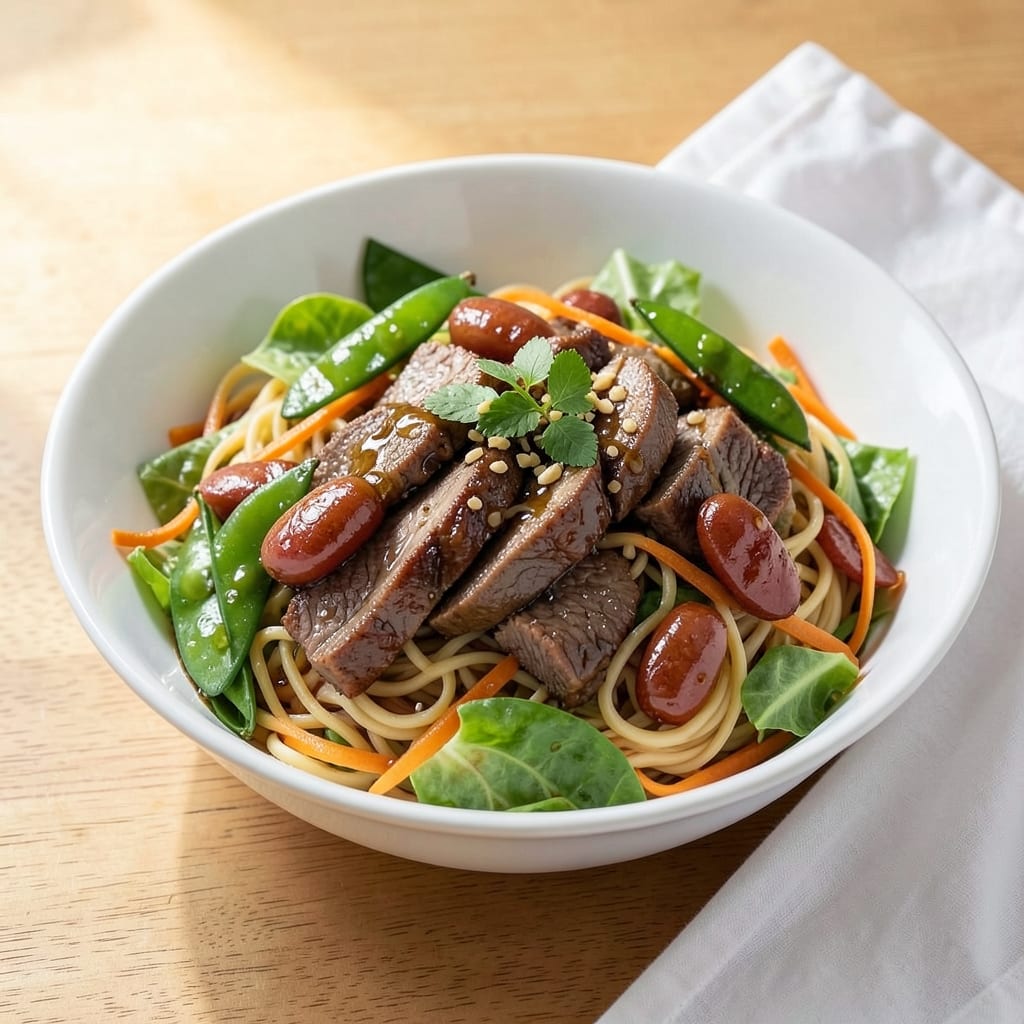
This beef pancit recipe brings the vibrant flavors of Filipino street food to your kitchen with its perfect balance of tender beef, crisp vegetables, and savory soy-vinegar sauce. 🔥 I've been perfecting this dish for years, and the secret lies in quick stir-frying—keeping everything hot and vibrant while maintaining that satisfying crunch in every bite. The key is using thinly sliced beef and fresh vegetables that cook in minutes, preserving their texture and color.
The beauty of this recipe is in its simplicity and versatility. You'll start with crispy stir-fried noodles, then layer in tender beef and fresh vegetables that wilt just enough to soften without losing their snap. The sauce, a perfect blend of soy sauce, vinegar, and a touch of sugar, ties everything together with a tangy, savory finish. This dish is a celebration of Filipino comfort food, where every component comes together in a symphony of textures and flavors.
What makes this recipe truly special is how it transforms a simple stir-fry into a hearty, satisfying meal. The beef becomes tender yet still holds its shape, the vegetables remain crisp, and the noodles develop a delightful crunch. This is the kind of dish that feels like a hug—comforting, flavorful, and impossible to resist. It's perfect for family dinners or gatherings, where everyone can enjoy a bowl of this delicious, crispy noodle feast.
Serve it with a side of atchara (pickled papaya) or steamed rice to soak up every last bit of that savory sauce. The dish is even better the next day, as the flavors meld and deepen. Let's get started on creating this crispy, flavorful masterpiece that will transport you straight to the bustling streets of Manila.
Ingredients for beef pancit
Crispy stir-fried noodles, tender beef, and vibrant veggies—this Filipino street food feast needs just 14 ingredients.
| Ingredient | Amount | Notes |
|---|---|---|
| Beef Sirloin 🥩 | 1 ½ lb | Thinly sliced against grain |
| Linguiça Sausage 🌭 | 8 oz | Sliced into rounds |
| Flat Egg Noodles 🍜 | 12 oz | Dried, medium width |
| Green Cabbage 🥬 | 4 cups | Shredded, crisp |
| Carrots 🥕 | 2 medium | Julienned, bright orange |
| Snow Peas 🌱 | 1 cup | Fresh, pod intact |
| Red Bell Pepper 🌶️ | 1 whole | Sliced into strips |
| Garlic Cloves 🧄 | 6 cloves | Minced, aromatic |
| Soy Sauce 🍶 | ½ cup | Dark soy preferred |
| Cane Vinegar 🍶 | ¼ cup | White or black |
| Granulated Sugar 🍚 | 1 ½ tbsp | White or brown |
| Vegetable Oil 🫒 | ½ cup | High smoke point |
| Salt 🧂 | 1 tsp | Kosher or sea salt |
| Black Pepper 🌶️ | ½ tsp | Freshly ground |
The beef is non-negotiable—sirloin stays tender when sliced thin against the grain. Costco or local Asian markets often have pre-sliced beef for pancit, but if you're cutting it yourself, freeze it for 30 minutes first—makes slicing easier. Linguiça sausage adds that smoky depth, and Trader Joe's carries a great pre-sliced version if you're short on time. The noodles? Flat egg noodles are traditional, but any stir-fry noodle works—just don't overcook them or they'll turn mushy. The veggies should be fresh and crisp—cabbage and carrots are the stars here, so pick firm ones with vibrant color.
No dark soy sauce? Regular soy sauce plus 1 tsp molasses gets you close. Short on vinegar? Rice vinegar works in a pinch, but cane vinegar has that authentic tang. The sugar balances the acidity—brown sugar adds a caramel note if you're feeling fancy. For the veggies, baby carrots or green beans can swap in, but keep the total volume similar. The garlic? Fresh is a must—jarred garlic has none of that punch. And if you're worried about the beef being too tough, marinate it in soy sauce for 15 minutes before cooking—trust me on this.
This dish tastes even better the next day—flavors meld beautifully when reheated. Store leftovers in an airtight container for 3-4 days in the fridge, or freeze for up to 2 months. For meal prep, portion into containers with a little extra sauce—just reheat with a splash of water to keep it crispy. The noodles are the trickiest part—undercook them slightly before stir-frying so they crisp up properly. And if you're serving a crowd, double the veggies—they disappear first!
Why You'll Love This Recipe
- One-Pan Magic: I swear by this recipe when I’m too tired to wash dishes—just sear the beef sirloin and linguiça in one pan, toss in the cabbage and carrots, then dump the noodles right on top. The veggies soften as the meat caramelizes, and boom: zero extra pots.
- Umami Bomb: That linguiça? It’s the secret weapon—smoky, garlicky, and packed with flavor that clings to every strand of egg noodle. Pair it with tender beef sirloin, and you’ve got a dish that tastes like a restaurant but costs half the price.
- Lunchbox Hero: Between us, this is my go-to for packed lunches. The noodles hold up surprisingly well, and the mix of textures—crisp cabbage, chewy carrots, and tender beef—keeps it exciting. (Yes, even on a Tuesday night.)
- Budget Stretch: A single beef sirloin and linguiça feed four for under $15, and the cabbage and carrots stretch that even further. Honestly, it’s one of those recipes where you end up making double portions just because it’s so dang satisfying—and cheap.
Step-by-step instructions for beef pancit with crispy vegetables
Get ready for a vibrant stir-fry that balances tender beef, savory sausage, and perfectly crisp-tender vegetables.
🍳 Step 1: Prep the Beef and Sausage for Maximum Flavor
Slice the 1.5 lb Beef Sirloin against the grain into thin strips—about ¼-inch thick. I like to slice it while it's still slightly chilled for cleaner cuts. Pat the slices dry with paper towels to remove any moisture, which helps them sear beautifully later.
Cut the 8 oz Linguiça Sausage into ½-inch thick rounds. The sausage will release its rich, garlicky flavors as it cooks, so don't skip this step. Keep both proteins in separate bowls until ready to use—this prevents them from releasing juices that could make the beef mushy.
👨🍳 Step 2: Stir-Fry the Beef and Sausage to Perfection
Heat 0.25 cup Vegetable Oil in a large wok or skillet over high heat until shimmering. Add the beef strips in a single layer and let them sear undisturbed for 1-2 minutes until they develop a deep golden-brown crust. This initial sear locks in juices and builds flavor.
Remove the beef and set aside. In the same pan, add the remaining 0.25 cup Vegetable Oil (you'll use all 0.5 cup total) and cook the sausage rounds for 3-4 minutes until they're golden and slightly crispy. The sausage should release its fat—don't drain it, as this fat carries flavor. Return the beef to the pan and toss everything together for 1 minute to combine.
🥘 Step 3: Cook the Vegetables in Stages for Crisp-Tender Results
Reduce heat to medium-high and add 2 tablespoons Vegetable Oil (you've used 0.25 cup total so far). Add the 2 medium Carrots (julienned) and 1 whole Red Bell Pepper (strips) first—they need the most time. Stir-fry for 3-4 minutes until the carrots soften but still have a slight bite and the peppers begin to blister.
Add the 4 cups Green Cabbage and 1 cup Snow Peas, stirring constantly for 2-3 minutes until the cabbage wilts slightly but remains crisp and the peas blanch just enough to soften. The vegetables should look vibrant, not mushy—this is where the magic of pancit happens.
🍳 Step 4: Build the Sauce and Combine Everything
Push the vegetables to one side of the pan and add 6 cloves Garlic Cloves (minced) to the empty space. Stir for 30 seconds until fragrant—don't let it brown, or you'll get bitter garlic. Add 0.5 cup Soy Sauce, 0.25 cup Cane Vinegar, and 1.5 tbsp Granulated Sugar, then stir to combine with the vegetables.
Pour in 1 cup hot water (just boiled) and let the mixture simmer for 2 minutes until the sauce thickens slightly. Add the 12 oz Flat Egg Noodles and toss everything together for 1-2 minutes until the noodles are tender but still have a slight bite. Season with 1 tsp Salt and 0.5 tsp Black Pepper to taste.
🔥 Step 5: Finish with a Quick Sear for Maximum Crispiness
Increase heat to high and toss the pancit for 1-2 minutes until everything is hot and slightly charred in spots. The vegetables should be crisp-tender, the noodles al dente, and the sauce glossy. If the noodles need more moisture, add 1-2 tablespoons hot water from the pot you boiled them in.
Serve immediately, piled high on plates with extra noodles on top—a classic pancit presentation. The contrast of crisp vegetables, tender beef, and chewy noodles makes every bite exciting. This dish tastes even better the next day when the flavors meld further, so make extra if you can!
Pro Tips For Making Beef Pancit
- SEAR THE BEEF FAST: I learned this the hard way—cut the beef sirloin into ½-inch slices before seasoning, then freeze them for 20 minutes. When you sear them in a screaming-hot wok (yes, even if you're impatient like me), the cold meat releases less juice and gets that perfect crust in under a minute. Skip this, and you’ll end up with soggy beef hiding under noodles.
- SLICE LINGUIÇA THIN: Most people tear the linguiça like it’s a hot dog, but that’s the fast-food version. Slice it paper-thin against the grain—your knife will thank you, and the sausage will cook faster while keeping its texture. Pro move: Pat it dry first, or it’ll steam instead of brown.
- SOAK NOODLES JUST ENOUGH: Flat egg noodles need minimal soaking—30 seconds in hot water, then drain and rinse with cold water. Any longer, and they turn mushy when stir-fried. I skip this when I’m lazy, but the dish is noticeably better when I don’t. (Your future self will thank you.)
- STIR-FRY VEGETABLES SEPARATELY: Cabbage and carrots have wildly different cook times. Shred the cabbage extra fine (it cooks in 30 seconds) and julienne the carrots into matchsticks (they need 2 minutes). Stir-fry the cabbage first in a separate pan, then toss the carrots in later—this guarantees crisp-tender veggies, not a sad, limp pile.
Regional styles of this beef pancit
Filipino Street Style
This is the version you'll find at Manila's bustling street stalls—quick, bold, and packed with texture. The key difference? Extra crispy noodles from a second stir-fry in the wok after initial cooking. I like to toss the cooked noodles with 1 tbsp vegetable oil and ½ tsp salt before adding them back to the pan for that signature crunch. Don't skip the crispy fried garlic on top—it's non-negotiable for authenticity. 🌶️
Chinese Pancit Variations
In Chinese-Filipino homes, pancit often includes char siu (Chinese BBQ pork) instead of beef, and uses light soy sauce for a milder flavor. The noodles are usually wider and chewier, like lamian noodles. For a fusion twist, I've seen versions with shredded chicken and water chestnuts—just swap the beef and add ½ cup water chestnuts with the cabbage. The sauce stays the same but gets a hint of sesame oil at the end.
Pancit Canton
This Cantonese-inspired version swaps flat noodles for rice noodles and adds bok choy and Chinese broccoli. The beef gets marinated in 1 tbsp oyster sauce and 1 tsp five-spice powder before cooking. I like to finish with toasted sesame seeds and a drizzle of chili oil for heat. The sauce becomes slightly sweeter with 1 extra tbsp sugar to balance the umami. This version is lighter but equally flavorful.
Pancit Palabok
This is the Filipino comfort food version—no beef, just pork ribs or belly slow-cooked until tender, then stir-fried with green beans and baby corn. The sauce is richer with ½ cup pork broth instead of water. I've made this version with beef short ribs for a heartier meal, and it works beautifully. The noodles are softer here, almost like egg noodles, and the dish is served with a side of calamansi slices for brightness.
Pancit Malabon
Named after a Manila district, this version is all about crunch. The beef is replaced with shrimp and squid, and the vegetables include radish slices and bean sprouts. The noodles are extra crispy from a double-fry in oil. For a seafood twist, I've used scallops and shrimp with the beef—just add them in the last 2 minutes of cooking so they stay tender. The sauce gets a splash of fish sauce for depth.
Regional Twist: Pancit Guisado
This is the hearty cousin from the Visayas region, where vegetables are cooked first in oil until soft, then beef is added with tomato sauce and calamansi juice. The noodles are thicker, almost like fettuccine, and the dish is finished with hard-boiled eggs and sliced hot dogs. For a modern take, I've added grilled chicken and mushrooms to the mix—it's a crowd-pleaser for any gathering. 💫
Nutrition facts
Frequently asked questions
Can I substitute flat egg noodles for other types?
While flat egg noodles are traditional, you can use udon noodles or rice stick noodles for a different texture. For udon, reduce cooking time by 1 minute since they're thicker. Rice noodles need 2 minutes in hot water before stir-frying. The key is to keep them al dente—they should have a slight bite when finished.
How do I prevent the beef from getting chewy?
Slice the beef thinly against the grain (about ¼-inch thick) and pat it completely dry before cooking. This helps it sear quickly and stay tender. Also, don't overcook—beef should only need 1-2 minutes in the pan. A quick 15-minute marinade in soy sauce before cooking makes a huge difference!
What's the best way to make the noodles extra crispy?
After cooking the noodles, toss them with 1 tablespoon vegetable oil and ½ teaspoon salt while still hot. Then, stir-fry them in the wok for 1-2 minutes after adding the sauce. This creates that signature crispy texture you get at street stalls. The secret is high heat and constant tossing!
Can I make this recipe without a wok?
Yes! Use a large skillet or deep frying pan with high sides. The key is to work in batches if needed—don't overcrowd the pan, or the vegetables will steam instead of stir-fry. A 12-inch cast iron skillet works perfectly. Just keep the heat high and stir frequently for that authentic texture.
How do I store leftovers for maximum crispiness?
Let the pancit cool completely, then store in an airtight container with a paper towel on top to absorb excess moisture. Reheat in a skillet with 1 teaspoon oil over medium heat, adding 1-2 tablespoons water to steam and crisp up the noodles. It reheats best within 2-3 days—the flavors actually improve overnight!