
Soups & Stews
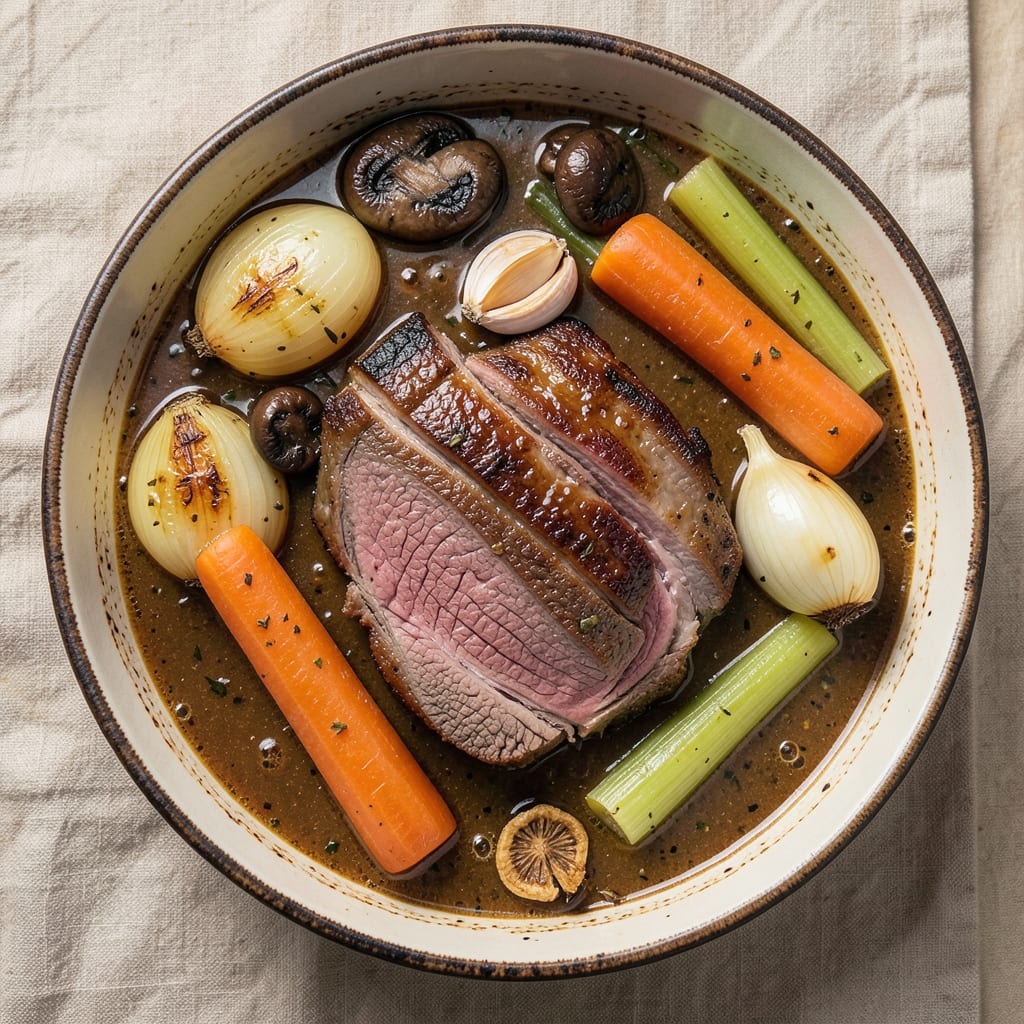
A rich beef stew with beer transforms tough cuts into melt-in-your-mouth tenderness while balancing malty depth without bitterness. The secret lies in slow simmering—where beer's caramelized sweetness melds with savory beef and vegetables, creating a hearty broth that tastes like a homey restaurant classic. This recipe builds flavor through proper searing and deglazing, ensuring every spoonful delivers that perfect harmony of umami and malt.
What sets this stew apart is the technique: browning the beef in batches creates a flavorful crust that dissolves into the beer during deglazing, while aromatic vegetables like carrots and onions develop natural sweetness as they simmer. The beer's subtle bitterness softens over time, leaving behind a smooth, caramelized richness that elevates the dish beyond basic stews.
By the time you're serving, you'll have a deeply flavorful stew with tender beef, caramelized vegetables, and a velvety broth that clings to every bite. The aroma alone will have everyone gathering at the table—this is comfort food at its finest, perfect for cold evenings or family dinners.
Serve with crusty bread to soak up every last drop of that malty, savory sauce. The recipe scales easily for crowds, and leftovers taste even better the next day as flavors deepen. Here's how to make it—step by step.
Ingredients for beef stew with beer
Six hearty ingredients transform tough beef into restaurant-quality stew with malty depth.
| Ingredient | Amount | Notes |
|---|---|---|
| Chuck Roast 🥩 | 3 lb | Cut into 1.5-inch cubes, trimmed of fat |
| Yellow Onion 🧅 | 2 whole | Chopped into 1/2-inch slices |
| Carrots 🥕 | 4 whole | Cut into 1-inch chunks, peeled |
| Celery Stalks 🌿 | 4 whole | Chopped into 1/2-inch pieces |
| Garlic Cloves 🧄 | 6 cloves | Minced, fresh preferred |
| Dark Beer 🍺 | 2 cups | Stout or porter, non-alcoholic works |
| Beef Broth 💧 | 4 cups | Low-sodium preferred |
| Tomato Paste 🍅 | 2 tbsp | Squeeze tube or canned |
| All-Purpose Flour 🌾 | 2 tbsp | For thickening |
| Worcestershire Sauce 🍶 | 1 tbsp | Vegetarian version if needed |
| Bay Leaves 🍃 | 2 whole | Fresh or dried |
| Thyme Sprigs 🌿 | 4 whole | Fresh preferred, stems removed |
| Black Peppercorns 🌶️ | 1 tsp | Freshly cracked |
| Salt 🧂 | 1 ½ tsp | Kosher or sea salt |
| Olive Oil 🫒 | 2 tbsp | For searing |
The chuck roast is non-negotiable for texture—it's the only cut with enough fat and connective tissue to become tender during slow cooking. Costco or local butchers often sell it pre-cut, saving you time. Look for pieces with good marbling; the fat renders out during cooking, creating a rich sauce. If you can't find chuck, short ribs work as a substitute, but increase cooking time by 30 minutes. For the beer, Guinness or a local stout adds depth, but any dark beer with at least 5% ABV will work—just avoid overly hoppy IPAs, which can leave bitterness. Non-alcoholic versions like Heineken 0.0 are perfect for family meals without compromising flavor.
No Worcestershire sauce? Soy sauce plus a pinch of sugar mimics the umami-sweet balance. Fresh thyme is ideal, but dried works at one-third the amount—just make sure it's labeled as culinary thyme, not lemon thyme. The tomato paste can be skipped entirely if you prefer, but it adds a subtle sweetness that rounds out the malty beer. For the flour, all-purpose works fine, but if you have cornstarch, use half the amount for a clearer broth. The key to balancing the beer's bitterness is the tomato paste and Worcestershire—they act as flavor bridges, so don't skip them if your beer is particularly hoppy. Pre-peeling carrots? Baby carrots work perfectly—just trim the tops.
This stew tastes even better the next day as flavors meld, so double the batch if you have leftovers to enjoy. Store in an airtight container in the fridge for up to 5 days or freeze for 3 months. For reheating, add a splash of broth or water to prevent drying. The beer-based broth reduces significantly as it simmers, so if you prefer a thinner consistency, add an extra 1/2 cup of broth during the last 30 minutes of cooking. Serve with crusty sourdough or baguette—the crust soaks up the sauce beautifully, and the slight tang cuts through the richness.
Why You'll Love This Recipe
- Slow-Simmer Magic: That chuck roast practically melts into tender perfection while you’re scrolling through your phone—no babysitting required. The beer breaks down the meat so effortlessly, even my lazy Sunday mornings turn into a cozy victory.
- Beer’s Secret Boost: Honestly, the beer isn’t just for flavor—it’s the unsung hero. That malty depth cuts through the richness of the roast, while the garlic and onions caramelize into something so aromatic, your kitchen smells like a pub. (Yes, even on a Tuesday night.)
- Leftovers That Win: This stew only gets better the next day. I swear, the flavors meld into something deeper, richer—like it’s been simmering for hours instead of minutes. Pack it for lunches or freeze half; it’s my go-to for busy weeks.
- Budget-Friendly Feast: A single chuck roast feeds my family of four (plus two hungry teens) with room to spare. Carrots, celery, and onions stretch the meal, and the beer adds luxury without breaking the bank. Frugal? Absolutely. Delicious? Ridiculously so.
Step-by-step instructions for beef stew with beer
Here's how to build rich, malty flavor without bitterness—slow-cooked perfection in one pot.
Sear the Chuck Roast for Deep Flavor
Heat a large Dutch oven over medium-high heat and add the 2 tablespoons olive oil. Once shimmering, add the 3 lb chuck roast in a single layer, working in batches if needed. Sear undisturbed for 4-5 minutes per side until deeply browned—this creates the flavor foundation. Real talk: don't crowd the pan or you'll steam instead of sear.
Transfer the browned beef to a plate and set aside. You want those caramelized bits (fond) to stay in the pot—they'll dissolve into the sauce later. If needed, add a splash of dark beer to deglaze the pan, scraping up all the browned bits with a wooden spoon. This step builds the stew's depth of flavor.
Sauté Vegetables Until Softened
In the same Dutch oven, add the 2 whole yellow onions, 4 whole carrots, and 4 whole celery stalks—all prepped as specified. Cook over medium heat for 8-10 minutes, stirring occasionally, until the vegetables soften and begin to caramelize. This step develops their natural sweetness and ensures they're tender when the stew finishes.
Add the 6 cloves minced garlic and cook for another 30 seconds until fragrant. Here's the thing—garlic burns quickly, so keep an eye on it. Remove from heat temporarily if it starts to darken. Stir in the 2 tablespoons tomato paste and cook for 1 minute to deepen the sauce's richness.
Build the Malty Base with Beer and Broth
Return the Dutch oven to medium heat and pour in the 2 cups dark beer, scraping up any browned bits from the bottom. Let it simmer for 3-4 minutes until reduced by about half. This step concentrates the beer's malty flavors without making the stew bitter.
Add the 4 cups beef broth, 2 whole bay leaves, 4 whole thyme sprigs, 1 teaspoon freshly cracked black peppercorns, and 1.5 teaspoons salt. Stir to combine, then return the beef to the pot along with any accumulated juices. The liquid should come about halfway up the beef—if it's too shallow, add a splash of water.
Simmer Until Tender and Flavor-Infused
Bring the stew to a gentle simmer, then cover and transfer to a 325°F oven (or reduce heat to low on the stovetop). Cook for 2.5-3 hours until the beef is fork-tender and pulls apart easily. I know it seems like forever, but patience pays off here—this slow cooking transforms tough chuck into melt-in-your-mouth beef.
About 30 minutes before the stew finishes, sprinkle the 2 tablespoons all-purpose flour and 1 tablespoon Worcestershire sauce over the top. Stir gently to distribute, then continue cooking. This creates a natural thickening and adds umami depth. The stew should have a glossy, velvety consistency when done.
Adjust and Serve Warm
Remove the stew from heat and let it rest for 10 minutes—this allows flavors to meld and the sauce to thicken slightly. Skim off any excess fat that rises to the surface if desired. Taste and adjust seasoning: add more salt if needed, or a splash of beer or broth if the stew is too thick.
Serve the stew hot, ladling the beef and vegetables into bowls with the rich sauce. The beer's malty notes should shine through without bitterness, balanced by the deep umami from the seared beef and tomato paste. Pair with crusty bread to soak up every last drop of that velvety sauce.
Pro Tips For Making Beef Stew With Beer
- SEAR THE ROAST FIRST: Don’t skip browning that chuck roast—high heat for 4-5 minutes per side until deep golden. I learned this the hard way: skipping it means flavorless, gray beef that tastes like it’s been simmering in water. The crust locks in juices and carries the beer’s malty depth through every bite.
- CUT VEGETABLES UNIFORM: Onions into ½-inch chunks, carrots and celery into 1-inch pieces—no tiny dice. Big chunks stay intact longer, soaking up flavor instead of turning to mush after hours of simmering. (Yes, even if it looks less "restaurant-perfect" on the plate.)
- DEGLAZE WITH BEER IMMEDIATELY: As soon as you remove the roast, pour that beer into the pot right away—no waiting. Scrape every bit of fond from the bottom with a wooden spoon. That’s where half the flavor hides, and letting it sit turns it into a sticky mess you’ll regret scraping later.
- SIMMER LOW AND LONG: Cover the pot and walk away for 3 hours at a bare simmer—no rushing. The beef needs time to tenderize, and a rolling boil just makes the beer evaporate faster. (I know, I know—you’re hungry now, but trust the process.)
Best sauces and condiments for this dish
Creamy Mustard Sauce
Add 2 tablespoons Dijon mustard and 1 tablespoon heavy cream to the finished stew, stirring over low heat for 2 minutes. This creates a silky, tangy sauce that balances the beer's malty depth. I like to finish with a pinch of sugar to round out the flavors—just ½ teaspoon does the trick. 🍴
Garlic-Herb Butter
Melt 2 tablespoons butter with 2 minced garlic cloves and 1 tablespoon chopped fresh parsley in a small pan. Spoon over individual servings just before eating—this adds a rich, aromatic finish that complements the stew's heartiness. For extra depth, add a pinch of smoked paprika to the butter. 🧄
Red Wine Reduction
Simmer ½ cup red wine (like Cabernet Sauvignon) with 1 tablespoon tomato paste and 1 teaspoon balsamic vinegar until reduced by half. Stir this reduction into the stew during the last 30 minutes of cooking. The wine's acidity brightens the beer flavors while adding complexity. 🍷
Fresh Herb Garnish
Brighten the stew with fresh herbs like chopped thyme or parsley just before serving. For a pop of color, add ¼ cup chopped green onions. These herbs add freshness that cuts through the richness of the beer and beef. I also like a sprinkle of crumbled blue cheese for a bold contrast. 🌿
Crispy Onion Topping
Sauté ½ cup thinly sliced onions in 1 tablespoon butter until golden brown and crispy. Sprinkle these over the stew just before serving—they add a delightful crunch that contrasts beautifully with the tender beef. For extra flavor, toss the onions with a pinch of salt and cayenne pepper before adding. 🧅
Nutrition facts
Frequently asked questions
Can I use any type of beer in this stew?
Dark beers like stouts or porters work best—they add rich, malty depth without overpowering bitterness. For a lighter option, try a malty amber ale. Avoid overly hoppy IPAs, which can leave a bitter aftertaste. Non-alcoholic beers work perfectly too, so don't worry about alcohol content.
How do I fix beef that's still tough after cooking?
If the beef isn't tender, it likely didn't cook long enough. Extend simmering by another 30-60 minutes at 325°F—the connective tissue needs time to break down. For extra tenderness, add 1/2 cup beef broth and a splash of beer, then cover and cook until fork-tender.
What's the best way to thicken the stew if it's too watery?
Simmer uncovered for 10-15 minutes to reduce the liquid naturally. For quicker thickening, mix 1 tablespoon cornstarch with 2 tablespoons cold water, stir into the stew, and cook until thickened. Avoid flour if you prefer a clearer broth.
Can I make this stew in a slow cooker?
Brown the beef first, then transfer everything to the slow cooker and cook on low for 7-8 hours or high for 4-5 hours. The slow cooker's gentle heat works perfectly for tenderizing the beef while letting flavors meld. Just add 1/2 cup beef broth if it looks too dry.
Why does my stew taste bitter?
Bitterness usually comes from over-reducing the beer or using a hoppy beer. Balance it by adding 1 tablespoon tomato paste or a pinch of sugar to round out flavors. For future batches, use a malty beer and avoid reducing the beer too aggressively.