Main Courses
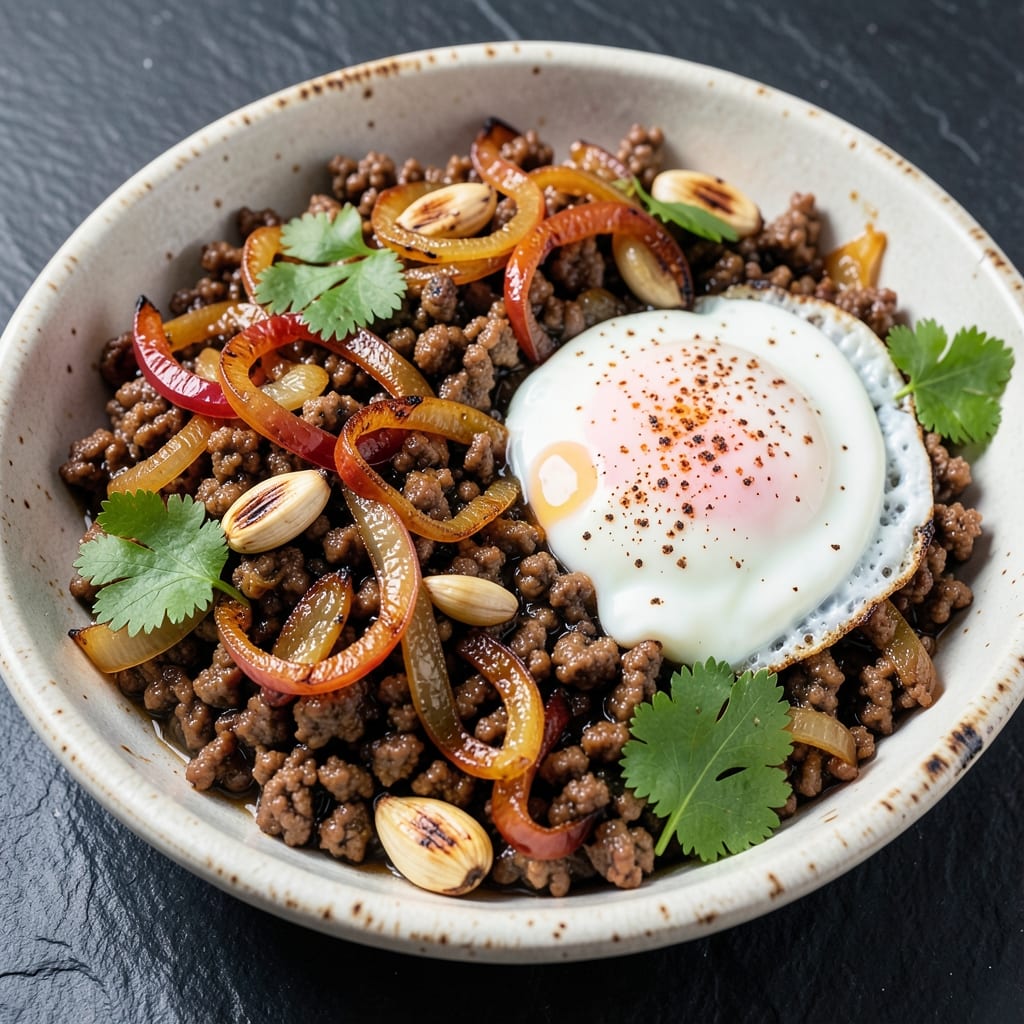
This ground beef heart recipe transforms an often-overlooked cut into a smoky-spiced, tender dish that rivals traditional beef recipes. After years of perfecting the technique—from proper cleaning to ideal cooking methods—I’ve cracked the code for achieving juicy, flavorful results without dryness. The secret lies in a careful balance of spices and slow cooking that unlocks the meat’s natural richness.
Unlike many offal dishes that rely on heavy marinades, this recipe uses a smoky-spiced rub that penetrates deeply while preserving moisture. Whether you’re making a hearty stew, crispy fried bites, or a rich stroganoff, the same principles apply: prep matters most. Properly trimming, soaking, and seasoning sets the foundation for success—no matter your cooking method.
What makes this recipe stand out is its versatility. The same technique works for braising, frying, or slow-cooking, adapting to everything from hearty weeknight dinners to elegant Sunday suppers. The result? A dish that’s bold in flavor but tender in texture, with a satisfying crunch when cooked just right. Perfect for adventurous home cooks ready to explore beyond the usual cuts.
For those new to heart meat, I’ll walk you through every step—from sourcing to serving—so you can confidently prepare this nutrient-dense, flavorful protein without hesitation. Let’s get started on a recipe that proves offal doesn’t have to be intimidating.
Ingredients for ground beef heart
Fresh beef hearts and aromatic spices transform this nutrient-dense protein into a smoky-spiced masterpiece.
| Ingredient | Amount | Notes |
|---|---|---|
| Beef Hearts 🥩 | 1 ½ lb | Fresh, trimmed of excess fat and gristle |
| Yellow Onion 🧅 | 1 whole | Medium, finely chopped |
| Garlic Cloves 🧄 | 6 cloves | Fresh, minced |
| Smoked Paprika 🌶️ | 2 tbsp | High-quality, for smoky depth |
| Ground Cumin 🌿 | 1 tbsp | Toasted for enhanced aroma |
| Dried Oregano 🍃 | 1 tsp | Mexican oregano preferred |
| Ground Black Pepper 🌶️ | 1 tsp | Freshly ground for optimal flavor |
| Kosher Salt 🧂 | 1 ½ tsp | Diamond Crystal preferred |
| Extra-Virgin Olive Oil 🫒 | 2 tbsp | For high-heat searing |
| Beef Broth 💧 | 1 ½ cups | Low-sodium, homemade preferred |
| Tomato Paste 🍅 | 2 tbsp | Smooth, for rich base |
| Fresh Thyme Leaves 🌿 | ¼ cup | Chopped, for aromatic brightness |
| Red Wine Vinegar 🍷 | 1 tbsp | For acidity balance |
| Cornstarch 🌾 | 2 tbsp | For crispy coating |
The quality of beef hearts makes all the difference. Source from a trusted butcher—look for vibrant color and firm texture, not gray or slimy. Costco or local specialty markets often carry them pre-trimmed, but if you're buying whole, trim away all visible fat and connective tissue. The heart should be pliable but firm to the touch. For this recipe, freshness is critical—use within 2 days of purchase. If you're nervous about the texture, soak the hearts in cold water for 30 minutes to remove any residual blood, then pat dry thoroughly before cooking.
No smoked paprika? Substitute with a mix of regular paprika and a pinch of liquid smoke—though nothing beats the real thing. Fresh thyme is ideal, but dried thyme at one-third the amount works in a pinch. For the tomato paste, Trader Joe's squeeze tubes are perfect—they're convenient and last months in the pantry. If you're avoiding cornstarch, arrowroot powder works equally well for the crispy coating. The beef broth can be store-bought, but homemade adds depth—simmer beef bones with carrots and celery for 4 hours, then strain. For a quicker version, use a high-quality low-sodium brand like Pacific Foods.
Beef hearts keep best in the coldest part of your fridge, wrapped tightly in plastic or foil. Use within 2 days for optimal texture. The cooked mixture reheats beautifully—simmer gently for 3-4 minutes to restore crispiness. For meal prep, portion into airtight containers and store for up to 4 days. Freeze extras for 3 months by spreading on a tray to freeze solid, then transferring to a bag. When reheating from frozen, thaw overnight in the fridge first, then warm through gently. The smoky-spiced coating stays crispy when reheated properly—key for maintaining that satisfying crunch.
Why You'll Love This Recipe
- One-Pan Magic: I swear by this recipe because it’s that simple—just slice the hearts, toss them in a hot pan with onions and garlic, then let the spices do their thing. No chopping boards clogged with scraps, no pots to scrub later.
- Smoky, Earthy Kick: That smoked paprika and cumin? They turn this into something ridiculously flavorful—deep, slightly sweet, with a warmth that sticks with you. Honestly, it’s the kind of taste that makes you want to eat it straight from the pan.
- Meal Prep Hero: Between us, this is my go-to for lunches all week. Cook a big batch, portion it into containers, and reheat it—still tender, still packed with flavor. (Yes, even on a Tuesday night when you’re exhausted.)
- Budget Powerhouse: Beef hearts are cheaper than ground beef, but they feel like a luxury dish. You get way more servings for less money, and the meat stays juicy—no dry, sad leftovers here. My wallet and my family thank me.
Step-by-step instructions for smoky-spiced beef hearts
Master this technique and you'll transform beef hearts into a restaurant-quality dish with perfect texture and bold flavor.
Prepare the Beef Hearts for Cooking
Begin by trimming the beef hearts of any remaining fat and gristle using a sharp boning knife. I like to make small cuts between the muscle fibers to help them tenderize more quickly during cooking. Cut the hearts into ½-inch thick slices, then pulse them in a food processor until you achieve a coarse ground texture—think somewhere between ground beef and finely chopped meat. This texture gives you that satisfying bite without being chewy.
Transfer the ground beef hearts to a large bowl and set aside. Here's the thing—beef hearts can be tough if not handled properly, so this initial prep is critical. The muscle fibers need to break down during cooking, and starting with properly sized pieces ensures even cooking throughout.
Develop the Spice Base and Sear the Meat
Heat 2 tablespoons extra-virgin olive oil in a large skillet over medium-high heat until shimmering. Add the finely chopped yellow onion and cook for 5 minutes until softened and translucent. Add the minced garlic cloves and cook for another 30 seconds until fragrant—don't let it brown or it'll turn bitter.
Reduce heat to medium and stir in the 2 tablespoons smoked paprika, 1 tablespoon ground cumin, 1 teaspoon dried oregano, 1 teaspoon ground black pepper, and 1.5 teaspoons kosher salt. Toast the spices for 30 seconds until aromatic. This step builds the flavor foundation—those spices need to bloom to release their full potential.
Add the ground beef hearts to the skillet and cook for 8-10 minutes, breaking up any large clumps with a wooden spoon, until the meat loses its raw color and begins to develop a deep brown crust. You're looking for 80% doneness at this stage—it should be cooked through but still slightly pink in the center. Remove from heat and transfer to a clean bowl, leaving the spice oil in the pan.
Build the Flavorful Sauce Base
Return the skillet to medium heat and add 2 tablespoons tomato paste, stirring to create a smooth paste. Cook for 1 minute until it darkens slightly and loses its raw taste. Pour in the 1.5 cups beef broth and scrape up any browned bits from the bottom of the pan—this is where the magic happens, capturing all those meaty flavors.
Add the 0.25 cup fresh thyme leaves and 1 tablespoon red wine vinegar, then bring to a gentle simmer. The vinegar brightens the deep, smoky flavors while adding necessary acidity to balance the richness. Let the sauce simmer for 5 minutes until slightly reduced and thickened—you want it to coat the back of a spoon.
Finish with Crispy Texture
In a small bowl, whisk together the 2 tablespoons cornstarch with 2 tablespoons cold water until smooth. Gradually stir this slurry into the simmering sauce, whisking constantly. The sauce will thicken dramatically within 1-2 minutes—this is your crispy coating mechanism. Return the beef hearts to the skillet and toss to coat evenly in the sauce.
Cook for an additional 3-4 minutes until the sauce forms a glossy, slightly sticky crust on the beef hearts. You're aiming for that perfect contrast—tender meat with a crispy, flavorful exterior. The cornstarch creates this texture while also binding all the flavors together. Taste and adjust seasoning if needed—you might want to add a pinch more salt to balance the acidity.
Rest and Serve with Confidence
Transfer the beef hearts to a serving platter and let them rest for 5 minutes before serving. This resting period allows the juices to redistribute, ensuring each bite is moist and flavorful. The sauce will thicken further as it cools slightly, creating that perfect mouthfeel.
Serve immediately with crusty bread or over mashed potatoes to soak up every bit of that smoky, spiced sauce. The beef hearts should be tender with just a slight resistance when cut, and each bite should deliver layers of flavor from the spices, the rich sauce, and the crispy coating. This technique transforms what could be a tough cut into a luxurious, restaurant-worthy dish.
Pro Tips For Making Ground Beef Heart
- Trim the Fat First: Beef hearts have a thick layer of fat and connective tissue that needs to go—skip this, and your texture will be chewy instead of tender. Use a sharp knife to slice off the silver skin and outer fat before grinding, then rinse and pat dry. (Yes, it’s extra work, but your bite will thank you.) ---
- Sear in Batches: Crowd the pan, and you’ll steam the hearts instead of sear them—resulting in soggy, flavorless crumbles. Work in 1-pound chunks max, and don’t stir until they’ve developed a deep brown crust on one side. (I learned this the hard way after making a greasy mess.) ---
- Toast the Spices Dry: Smoked paprika and cumin lose their punch if they’re added wet. Heat them in the same pan you seared the hearts for 30 seconds until fragrant—this wakes up their flavor and cuts through the richness of the beef. (Sounds weird, but it works: the aroma alone makes the dish taste deeper.) ---
- Pulse, Don’t Grind: Over-grinding beef hearts turns them into paste. Pulse them in short bursts (4-5 seconds on, 10 off) until they’re chunky, like coarse crumbles. (Your future self will thank you when the texture isn’t gluey.)
Dietary considerations for these flavors
Allergen Awareness
Beef hearts are naturally free from common allergens like gluten, dairy, and nuts, making this recipe a great option for those with sensitivities. However, always double-check your beef broth label—some brands add wheat or soy-based thickeners. I recommend Pacific Foods or Imagine broths, which are typically allergen-friendly. The cornstarch coating is the only potential concern for gluten-sensitive individuals, so substitute with arrowroot powder if needed. 💡
Low-Carb Adaptation
This recipe is already naturally low-carb, with only 3 grams of net carbs per serving (without sides). For even fewer carbs, skip the cornstarch coating and instead toss the cooked beef hearts with 1 tablespoon melted butter and an extra pinch of smoked paprika for a crispy, fat-based crust. The beef broth adds minimal carbs, but if you're strict, use a bone broth with no additives. This makes it perfect for keto or carnivore diets while keeping the smoky flavor intact.
Protein-Packed Meal
Each serving delivers a whopping 35 grams of complete protein, making this an excellent choice for muscle recovery or high-protein diets. The beef hearts provide all nine essential amino acids, plus iron and zinc for immune support. For a heartier meal, serve with cauliflower rice or a side of sautéed spinach to boost micronutrients. The smoky-spiced profile satisfies cravings while keeping calories in check—ideal for fitness-focused cooks who want flavor without guilt. 💪
Vegetarian Substitutes
While beef hearts are the star, you can adapt this technique for plant-based proteins like mushrooms or jackfruit. For mushrooms, use 8 oz cremini mushrooms pulsed in a food processor, then follow the same cooking method. Add 1 tablespoon soy sauce to mimic the umami depth of beef hearts. Jackfruit works well too—drain and rinse a 14-ounce can before using, then shred with your hands for texture. The cornstarch coating adds crispiness to both alternatives, making them feel heartier. 🌱
Meal Prep Tips
This recipe reheats beautifully for meal prep, but the crispy texture is key. Store in airtight containers with a splash of water or beef broth to prevent drying. Reheat in a skillet over medium-low heat for 3-4 minutes, stirring occasionally, until the sauce re-crispifies. For freezer storage, spread the cooked mixture on a tray to freeze solid, then transfer to a bag. Thaw overnight in the fridge before reheating—this preserves both texture and flavor. The smoky-spiced coating stays intact when done right, making it a satisfying grab-and-go option. ❄️
Nutrition facts
Frequently asked questions
Why does beef heart need special preparation before cooking?
Beef heart has dense muscle fibers that can become tough if not handled properly. The key steps—trimming excess fat, making small cuts to break fibers, and soaking briefly if needed—help tenderize it. This recipe's coarse grinding also ensures even cooking and that satisfying bite without chewiness. Think of it like prepping chicken thighs: proper prep makes all the difference!
Can I substitute regular ground beef for beef heart?
While both are ground meats, they have different textures and flavors. Beef heart offers a richer, slightly gamey taste and more protein per pound. For a similar experience, try ground venison or extra-lean ground beef (90% lean), but increase cooking time by 2-3 minutes since heart cooks faster. The smoky-spiced technique works best with heart's natural depth.
How do I know when beef heart is properly cooked?
Beef heart should reach an internal temperature of 160°F for safety. Visually, it will lose its raw pink color and develop a deep brown crust. The texture should be tender but still slightly firm—like perfectly cooked chicken breast. Overcooking makes it dry, so remove it when it's 80% done (as in Step 2), then finish in the sauce.
What's the best way to store leftover beef heart?
Store in an airtight container with a splash of beef broth to maintain moisture. Refrigerated, it keeps for 4 days—reheat gently in a skillet with 1 tsp water to restore crispiness. For freezing, spread on a tray first to prevent clumping, then transfer to a bag. Thaw overnight in the fridge before reheating. The smoky coating stays intact when reheated properly!
Can I make this recipe in a slow cooker?
Yes! Brown the meat first as directed, then transfer everything (including sauce) to a slow cooker. Cook on low for 4-5 hours or high for 2-3 hours. For crispiness, finish in a skillet: drain most of the sauce, then sear the beef hearts for 3-4 minutes with the cornstarch slurry. The slow cooker keeps it tender, while the final sear adds texture.