
Main Courses
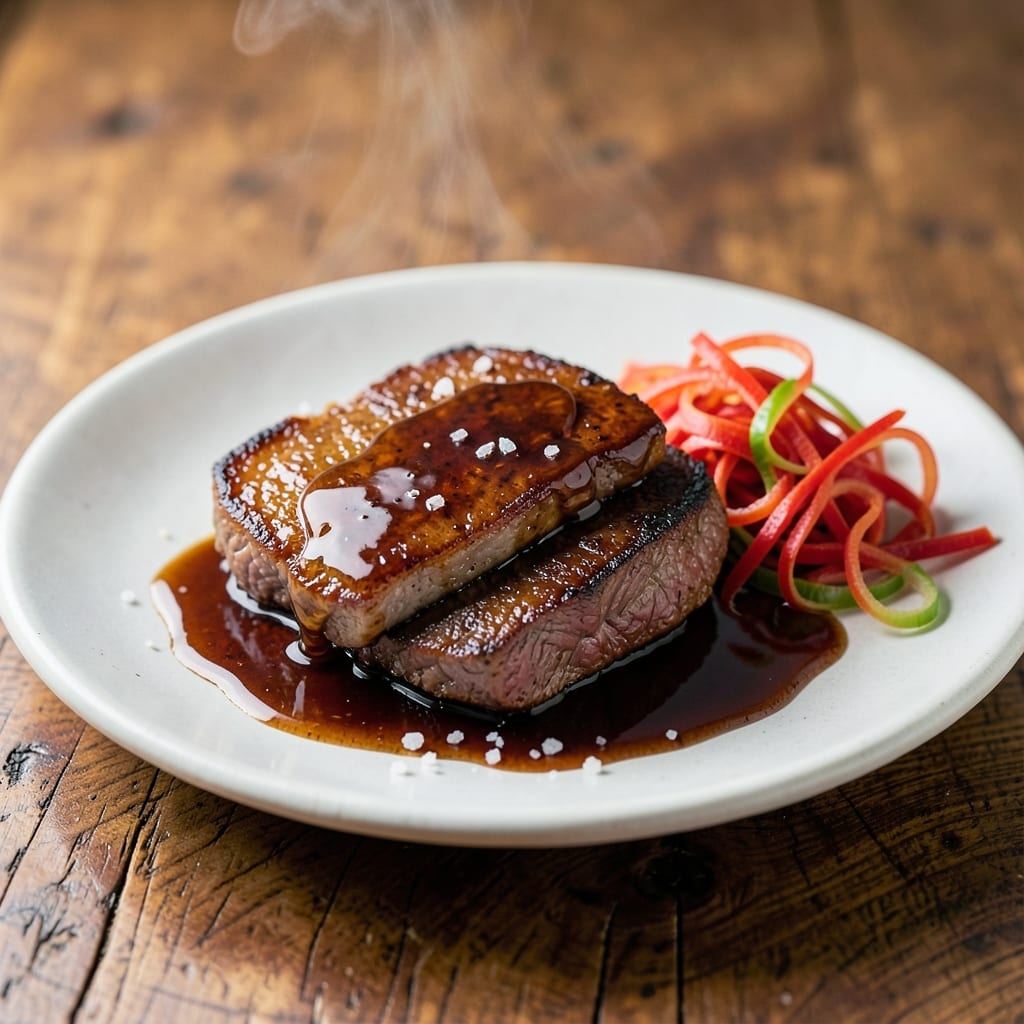
This Japanese beef liver recipe transforms a rich, protein-packed ingredient into a delicate, savory-sweet masterpiece in just 15 minutes. After years of perfecting umami-rich Japanese techniques, I've developed a method that balances liver's natural intensity with a glossy soy-mirin glaze and crisp-tender texture—no bitterness, just pure restaurant-quality flavor. The secret lies in precise marinating and high-heat cooking that preserves moisture while creating that signature caramelized crust.
What makes this dish truly special is how it captures the essence of Japanese home cooking: simple ingredients elevated through technique. We'll use a marinade of mirin, soy sauce, and sake to tenderize while adding layers of sweetness and depth, then finish with a quick sear in a hot pan. The result is liver that's tender on the inside and beautifully caramelized on the outside, with a glossy sheen that makes it look as good as it tastes.
This recipe delivers more than just flavor—it's a complete meal experience. Serve the beef liver over steamed rice to soak up every bit of that savory-sweet sauce, paired with a simple miso soup and quick-pickled vegetables for balance. The umami-packed glaze transforms liver from a challenging ingredient into something approachable, even for those who've avoided it before.
Safety is paramount when cooking liver, so we'll include proper handling techniques and doneness guidelines to ensure perfect results every time. With this method, you'll achieve professional-quality beef liver that's rich, tender, and packed with that unmistakable Japanese umami crunch—all in under 20 minutes of active time. Let's create something truly special in your kitchen tonight.
Ingredients for japanese beef liver
Simple yet precise ingredients transform beef liver into a restaurant-quality Japanese masterpiece.
| Ingredient | Amount | Notes |
|---|---|---|
| Beef Liver 🥩 | 1 ½ lb | Fresh, not frozen, trimmed of fat |
| Mirin 🍶 | ¼ cup | High-quality, sweet cooking wine |
| Soy Sauce 🥄 | ¼ cup | Japanese-style, reduced if needed |
| Sake 🍶 | ¼ cup | Dry variety for balance |
| Sugar 🍚 | 1 tbsp | Granulated or caster sugar |
| Fresh Ginger 🧄 | 2 tbsp | Finely grated, peeled |
| Garlic Cloves 🧄 | 4 cloves | Minced, fresh preferred |
| Neutral Oil 🫒 | 1 tbsp | Vegetable or canola oil |
| Salt 🧂 | ½ tsp | Kosher or sea salt |
| Black Pepper 🌶️ | ¼ tsp | Freshly ground |
| Rice Vinegar 🍶 | 1 tbsp | For finishing glaze |
| Sesame Seeds 🌰 | 1 tsp | Toasted, for garnish |
The beef liver requires careful selection—freshness is non-negotiable. Purchase from a trusted butcher or high-quality market like Whole Foods or Morton's, where they handle it properly. Look for vibrant color and firm texture; avoid any with yellowing or soft spots. Trim excess fat immediately upon purchase to prevent spoilage. For the marinade components, Japanese mirin and soy sauce are essential—avoid substitutions that dilute the umami depth. The ginger and garlic should be freshly grated and minced, respectively, for maximum aromatic impact.
No mirin? Substitute with 1 part sugar to 3 parts dry white wine, though the flavor won't be identical. Regular soy sauce works in a pinch, but Japanese-style soy sauce has superior depth. For the sugar, brown sugar adds subtle molasses notes, but granulated ensures smooth caramelization. If you lack rice vinegar for finishing, apple cider vinegar provides similar acidity. The sesame seeds can be omitted if unavailable, but toasting them in a dry pan for 30 seconds enhances their nuttiness dramatically. For those avoiding gluten, ensure your soy sauce is tamari-based.
Store fresh liver in an airtight container in the coldest part of your fridge, using within 2 days for optimal texture. The marinade components keep indefinitely in their original containers, but once mixed, use within 3 days for best flavor. For meal prep, marinate the liver for up to 4 hours before cooking—longer marinating risks over-tenderizing. Leftover cooked liver reheats beautifully in a steamer basket over simmering water, but it's best enjoyed fresh for that signature umami crunch.
Why You'll Love This Recipe
- Five-Ingredient Magic: I swear by this combo—mirin and sake cut through the liver’s richness while sugar caramelizes into a glossy finish. No fancy techniques, just a quick sear and simmer.
- Umami Bomb: That first bite? The soy and mirin marry into something deeper than your average pan sauce. It’s the kind of flavor that makes you pause mid-chew—like a secret message from Japan.
- Weeknight or WOW: Slap this on rice for a lazy Tuesday or serve it at a dinner party—no one will guess it’s 30 minutes of work. (Yes, even on a Tuesday night.)
- Budget Powerhouse: Liver’s cheap, and this recipe stretches it into something luxurious. I’ve fed four people for under $15, and they all asked for seconds. My wallet thanks me.
Step-by-step instructions for Japanese beef liver
Master this quick, umami-packed preparation with precise timing and technique.
Prepare the Beef Liver
Pat the 1.5 lb beef liver completely dry with paper towels, removing any surface moisture. This step is critical—wet liver releases juices instead of developing that signature sear. Trim off any visible fat or connective tissue using a sharp knife, as these can make the liver greasy during cooking.
Slice the liver into ¼-inch thick medallions against the grain for even cooking. Arrange them on a plate and season immediately with 0.5 tsp salt and 0.25 tsp black pepper, pressing gently to ensure even distribution. Let them sit at room temperature for 10 minutes before cooking—this ensures uniform doneness throughout.
Build the Umami Marinade
In a small saucepan, combine 0.25 cup mirin, 0.25 cup soy sauce, 0.25 cup sake, 1 tbsp sugar, 2 tbsp finely grated fresh ginger, and 4 minced garlic cloves. Bring to a simmer over medium heat and reduce by half—about 5 minutes—until the mixture thickens slightly and develops a rich, aromatic fragrance. This reduction concentrates the flavors and creates the savory-sweet glaze.
Strain the marinade through a fine-mesh sieve to remove any solids, then set aside. The resulting liquid should coat the back of a spoon and have a deep amber color. This marinade will both tenderize the liver and provide the signature Japanese umami profile.
Sear the Liver to Perfection
Heat 1 tbsp neutral oil in a large skillet over high heat until shimmering. Add the liver medallions in a single layer, leaving space between each piece. Cook undisturbed for 1 minute per side—you'll see the edges curl slightly and develop a deep golden-brown crust. This quick sear locks in juices while creating the textural contrast we want.
During the last 30 seconds of cooking, carefully pour the reduced marinade over the liver, allowing it to sizzle and coat the pieces evenly. The heat will cause the marinade to bubble and form a glossy glaze. Remove from heat immediately—overcooking turns liver tough and dry.
Finish with Crispy Texture
Transfer the liver to a serving platter and immediately drizzle with 1 tbsp rice vinegar. The acidity brightens the flavors and cuts through the richness. Sprinkle generously with 1 tsp toasted sesame seeds, pressing them gently into the surface for maximum crunch.
Serve immediately while the liver is still warm and the glaze remains glossy. Each bite should deliver a perfect balance of tender, slightly crispy liver with layers of sweet-savory umami from the marinade. The sesame seeds add a delightful textural contrast that elevates this simple yet sophisticated preparation.
Pro Tips For Making Japanese Beef Liver
- Sear First, Simmer Second: After slicing the liver thinly (¼-inch max), hit it with a screaming-hot pan for 20 seconds per side—just until the edges pull away. That quick sear locks in flavor before the soy-mirin-sake sauce turns it into a silky stew. I used to skip this, and the liver always tasted dull afterward.
- Soak Liver in Sake: Toss the sliced liver in a bowl with 2 tablespoons sake and 1 teaspoon sugar for 10 minutes before cooking. The acid tenderizes it slightly, and the sugar caramelizes into the sauce instead of burning. (Yes, even if you’re impatient like me—just don’t skip the soak.)
- Balance the Sauce: The mirin and sugar can overpower the soy if you’re not careful. For every 2 tablespoons mirin, use 1 tablespoon soy and ½ tablespoon sake—then taste as you go. I learned this the hard way when my first batch tasted like a sweet-and-salty glaze bomb.
- Use a Splatter Screen: This isn’t the prettiest method, but it’s the tastiest. The sake-mirin mix will spray like a firework when it hits the pan—cover with a splatter screen or tilt the pan away from you. (Your future self will thank you when you’re not wiping sauce off the ceiling.)
Make-ahead tips for leftovers
Marinade Prep Ahead
Make the umami marinade up to 3 days in advance and store it in an airtight container in the fridge. The flavors actually deepen as the ingredients meld, creating a more concentrated glaze. When ready to use, simply reheat it gently in a small saucepan over low heat for 2-3 minutes until warmed through. This saves you 10 minutes of prep time on cooking day—perfect for busy weeknights. 💡
Liver Prep Timeline
Slice and season the beef liver 1 hour before cooking and store it uncovered in the fridge. This allows the salt to work its magic, drawing out moisture and creating a better sear. Just before cooking, pat it dry again with paper towels—this step is non-negotiable for that perfect crust. I've found this method gives me more control over the final texture. ⏱️
Glaze Storage Hack
After cooking, any leftover glaze can be stored in a small jar in the fridge for up to 5 days. It makes an incredible drizzle for rice bowls, noodles, or even grilled fish. Simply reheat it gently before using. I like to keep a small jar in my fridge for quick flavor boosts—it's like having a Japanese umami bomb ready to go. 🍶
Make-Ahead Serving Platter
Assemble your complete serving platter ahead of time by arranging the cooked liver on a warmed plate and covering it loosely with aluminum foil. Keep it in a 200°F oven for up to 30 minutes before serving. This works beautifully for dinner parties—just reheat for 2-3 minutes to restore that perfect temperature. The rice and miso soup can be prepped separately and reheated alongside. ✨
Freezer-Friendly Option
For longer storage, you can freeze the cooked liver in a single layer on a tray before transferring to an airtight container. It keeps for up to 2 months. When ready to eat, thaw in the fridge overnight, then reheat in a skillet over medium heat for 1-2 minutes per side to restore crispiness. The glaze might need a quick refresh with a splash of water or soy sauce. ❄️
Weeknight Shortcut
If you're truly short on time, marinate the liver for just 30 minutes instead of the full 4 hours. While the flavor won't be as deep, it still delivers that signature umami crunch. I've done this when I had unexpected guests—it's a lifesaver that still tastes amazing. The key is that quick sear and immediate serving. 💪
Nutrition facts
Frequently asked questions
Can I substitute chicken liver for beef liver in this recipe?
While chicken liver works in a pinch, beef liver delivers a richer, more robust flavor that pairs better with the Japanese umami marinade. Chicken liver has a milder taste and slightly different texture, so you may need to reduce cooking time by 15-20 seconds per side. For best results, stick with beef liver for that authentic depth of flavor.
What if I don't have mirin? Can I make my own?
Mix 1 part sugar with 3 parts dry white wine (like Sauvignon Blanc) for a quick substitute. For homemade mirin, simmer 1 cup white wine with ½ cup sugar until reduced by half and slightly syrupy. This DIY version won't be identical but works well for adding sweetness and depth to the glaze.
Why does the recipe call for such thin liver slices?
The ¼-inch thickness ensures perfect doneness throughout—liver cooks extremely fast and can turn tough if overcooked. Thin slices also allow the marinade to penetrate evenly, creating that signature tender-crisp texture. For thicker cuts (½-inch), reduce cooking time to 45 seconds per side and monitor closely.
Can I make this recipe gluten-free?
Yes! Simply use tamari (gluten-free soy sauce) instead of regular soy sauce. All other ingredients are naturally gluten-free. The umami profile will still be rich and satisfying, though tamari has a slightly different depth than traditional soy sauce. For extra insurance, check your mirin label—some brands contain wheat.
What's the best way to reheat leftover Japanese beef liver?
Reheat in a skillet over medium heat for 1-2 minutes per side until just warm. Add a splash of water or soy sauce to refresh the glaze. Microwaving can make the liver rubbery—always use dry heat for best texture. For maximum crispiness, broil for 30 seconds after reheating in the pan.