
Soups & Stews
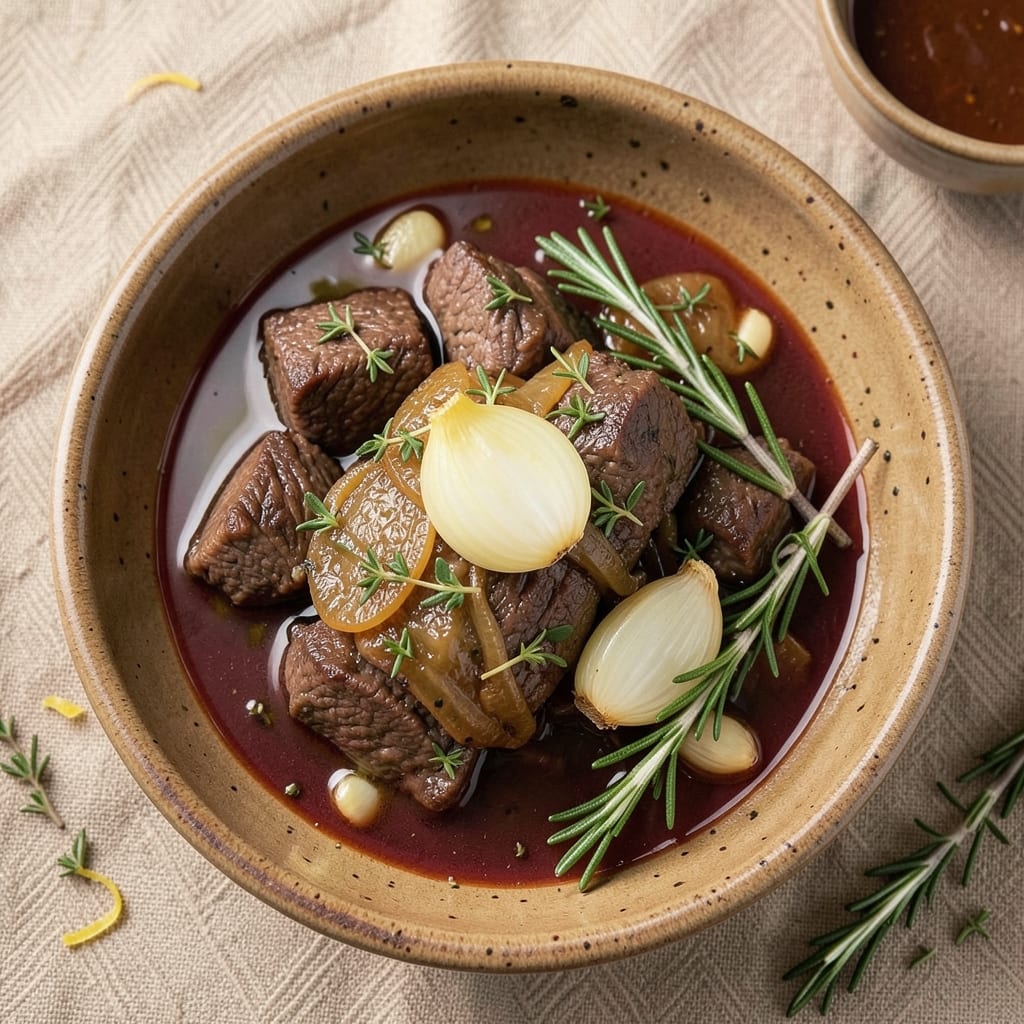
That bowl of leftover beef stew deserves a second life—one-pot revival that transforms tired ingredients into something even more flavorful. I developed this method after realizing how wasteful it was to let perfectly good stew go uneaten, and it's become my go-to for turning leftovers into a hearty, restaurant-quality meal without extra dishes.
The secret lies in deepening the flavors through slow simmering and strategic additions like fresh herbs, a splash of broth, or even a sprinkle of cornstarch to thicken the sauce. This technique works with any leftover beef stew, whether it's your own homemade version or store-bought—no need to start from scratch. The result? A richer, more concentrated dish that tastes even better the second time around.
What you'll end up with is a one-pot wonder—tender beef, softened vegetables, and a sauce that's thicker and more flavorful than before. The aroma alone will have everyone asking what's for dinner, and the best part is that it requires minimal effort. Just reheat, adjust, and serve—no complicated steps or extra pots needed.
Perfect for busy weeknights, meal prep, or when you've simply got more stew than you can eat in one sitting. This method ensures you get every last drop of flavor out of your ingredients, making it both practical and delicious. Let's get started on turning those leftovers into a standout meal.
Ingredients for leftover beef stew
Turn last night's stew into tonight's star with these flavor-boosting ingredients—no waste, all flavor.
| Ingredient | Amount | Notes |
|---|---|---|
| Leftover Beef Stew 🍲 | 4 cups | With vegetables and broth |
| Fresh Thyme Leaves 🌿 | ¼ cup | Chopped, stems removed |
| Fresh Rosemary Sprigs 🌿 | 2 whole | Finely chopped |
| Yellow Onion 🧅 | 1 whole | Diced, medium size |
| Garlic Cloves 🧄 | 3 cloves | Minced, fresh preferred |
| Beef Broth 💧 | 1 cup | Low-sodium preferred |
| Cornstarch 🌾 | 1 tbsp | For sauce thickening |
| Russet Potatoes 🥔 | 1 lb | Peeled, cubed small |
| Extra-Virgin Olive Oil 🫒 | 2 tbsp | For sautéing |
| Kosher Salt 🧂 | 1 tsp | Adjust to taste |
| Ground Black Pepper 🌶️ | ½ tsp | Freshly ground |
| Bay Leaves 🌿 | 1 whole | Removed before serving |
| Fresh Parsley 🌿 | 0.15 cup | Chopped, for garnish |
The fresh herbs are where the magic happens. Whole Foods or your local farmers market are best for thyme and rosemary—look for vibrant, fragrant sprigs. If you're using dried herbs, cut the amounts in half, but honestly, fresh makes a world of difference. Potatoes? Russets hold up best when cubed small—they'll soak up all that rich stew flavor. The beef broth should be low-sodium unless you're craving extra saltiness. I always keep a carton of Swanson Low-Sodium on hand for this exact purpose.
No fresh herbs? Dried works in a pinch—just use a third the amount. Swapping beef broth? Vegetable broth keeps it vegetarian-friendly, though the flavor will be subtly different. Cornstarch is non-negotiable for that perfect sauce thickness, but if you're gluten-free, arrowroot powder does the same job. The potatoes can be any variety, but Yukon Golds add a creamy texture if you want to splurge. And if your stew is already perfectly thick? Skip the cornstarch—trust your instincts.
This revival stew reheats beautifully—5 minutes on low heat is all it takes. Store leftovers in the fridge for 4-5 days or freeze for up to 3 months. I like to portion mine into individual containers so I can grab a single serving for lunch without thawing the whole batch. The herbs and potatoes can be prepped ahead too—just keep them separate until you're ready to revive the stew.
Why You'll Love This Recipe
- No-Chop Needed: I swear by this trick—just slice that onion and garlic once, then let the stew simmer while you sip coffee. The herbs infuse effortlessly, so you’re basically hands-off after the initial prep.
- Herb-Packed Punch: That rosemary and thyme? They turn bland leftovers into something rich and fragrant. I’ll be real: the first time I added them, my husband asked for seconds before the bowl even hit the table.
- Potluck Hero: Bring this to a gathering, and you’ll be the MVP. It’s hearty enough for a chilly evening but light enough to pack in a thermos—no one will guess it started as leftovers.
- Zero-Waste Magic: Turns yesterday’s dinner into today’s meal without extra cost. Honestly, I make this twice a week—once for dinner, once for lunch—and still have enough for tomorrow’s sandwiches.
Step-by-step instructions for leftover beef stew revival
Transform your beef stew into a restaurant-worthy dish using simple techniques and fresh flavors.
Sauté Aromatics to Build Deep Flavor
Heat the 2 tablespoons extra-virgin olive oil in a large Dutch oven or heavy pot over medium heat. Add the diced yellow onion and cook for 5 minutes until softened and translucent. This is where the magic starts—you want the onions to caramelize slightly without browning.
Add the 3 minced garlic cloves and cook for 30 seconds until fragrant. Here's the thing—garlic burns fast, so keep an eye on it. Immediately add the 2 finely chopped fresh rosemary sprigs and 0.25 cup chopped fresh thyme leaves, stirring for 1 minute until the herbs release their aromatic oils. The pot should smell like a French countryside kitchen at this point.
Incorporate Potatoes and Leftover Stew
Add the 1 pound peeled and cubed russet potatoes to the pot, stirring to coat them in the aromatic oil. Pour in the 4 cups leftover beef stew (with all its vegetables and broth) and bring to a gentle simmer over medium-low heat. The potatoes should be mostly submerged—if not, add a splash of water.
Add the 1 whole bay leaf and 1 teaspoon kosher salt, then stir gently. Let the stew simmer uncovered for 15 minutes, stirring occasionally. This allows the potatoes to absorb some of the stew's flavor while starting to tenderize. You'll see the potatoes begin to soften and the liquid reduce slightly—this is exactly what we want.
Thicken the Sauce for Richness
In a small bowl, whisk together the 1 tablespoon cornstarch with 2 tablespoons cold water until smooth. Slowly pour this mixture into the simmering stew while stirring constantly. The cornstarch will begin to thicken the sauce almost immediately, creating a velvety texture that coats the potatoes and beef.
Continue simmering for 5-7 minutes until the sauce reaches your desired consistency—it should coat the back of a spoon but still be spoonable. Taste and adjust seasoning with 0.5 teaspoon ground black pepper and additional salt if needed. The herbs should be infused throughout, adding bright, fresh notes to the rich stew.
Finish and Garnish for Presentation
Remove the stew from heat and let it sit for 5 minutes to allow the flavors to meld. Fish out and discard the bay leaf—it's done its job. Ladle the stew into bowls, making sure each serving gets a generous portion of potatoes and beef.
Garnish each serving with 0.15 cup chopped fresh parsley just before serving. The parsley adds a pop of color and freshness that balances the richness of the stew. Serve immediately while the potatoes are still warm and tender, and the flavors are at their peak. This one-pot transformation takes your leftovers from ordinary to extraordinary.
Pro Tips For Making Leftover Beef Stew
- STRAIN AND REFRIGERATE FIRST: Your stew’s broth will taste flat if you reheat it straight from the pot—all that starch thickens and dulls the flavors. Strain out the meat and veggies, chill the broth overnight, then skim off the hardened fat before reheating. The broth will be crystal clear, and the meat will absorb fresh, bright flavors when you add it back.
- TOAST THE HERBS: Fresh thyme and rosemary sprigs smell amazing but can taste bitter if thrown in raw. Heat a dry skillet over medium for 30 seconds, add the herbs whole, and let them sizzle for 10 seconds until fragrant—just enough to wake up their oils. Remove immediately (they’ll burn fast) and plop them into the stew. This step makes the difference between "meh" and "wow."
- SWEAT THE ONION LOW: Skip the high heat—sautéing onions at medium-low for 8-10 minutes until they’re deep golden and translucent (not browned) builds sweetness that carries through the stew. I used to rush this, and the onions just tasted raw. Let them break down properly, or you’ll be left with a dish that tastes like it’s missing something.
- REHEAT IN BATCHES: Leftover stew reheats unevenly—thick chunks in the middle, watery edges. Divide it into two pots: one for broth/meat, one for veggies/herbs. Heat the broth first until simmering, then add the meat to warm through. Toss in the veggies last, just to heat through (3-4 minutes max). This keeps everything tender and prevents a sad, mushy texture.
Troubleshooting this recipe
Stew Too Thin?
If your leftover stew is watery, don't panic—this is an easy fix. I've found that cornstarch slurry (1 tbsp cornstarch mixed with 2 tbsp cold water) works wonders. Whisk it into the simmering stew and let it cook for 3-5 minutes until thickened. For a gluten-free option, use arrowroot powder instead—just reduce the amount to 1 tsp since it's more potent. 💫
Potatoes Still Hard?
Undercooked potatoes ruin the dish, so if yours are tough after simmering, add ½ cup hot beef broth and cover the pot. Let it steam on low heat for 10-15 extra minutes—this gentle method keeps them from turning mushy. Pro tip: Cut them ¼-inch smaller next time for even cooking.
Flavor Fading Fast?
When stew sits too long, flavors dull. Revive it by adding 1 tsp Worcestershire sauce or a splash of red wine (like a dry Cabernet Sauvignon) to deepen the umami. Fresh herbs like thyme or rosemary also brighten things up—just stir in 1 tbsp chopped fresh herbs right before serving. 🌿
Greasy or Oily?
If your stew looks too greasy, skim off excess fat with a paper towel or spoon. For a cleaner finish, chill the stew in the fridge overnight—the fat solidifies on top and can be easily removed. Alternatively, blend ½ cup of the stew and stir it back in to emulsify the fat naturally.
Vegetables Mushy?
Overcooked veggies? Add them back later—right before serving. Toss ½ cup fresh carrots or celery into the pot for 5 minutes to restore their crunch. For a different texture, swap in roasted potatoes (tossed in olive oil and roasted at 400°F for 20 minutes) instead of boiled ones.
Too Salty?
Adding fresh ingredients dilutes saltiness. Stir in ½ cup unsalted broth or 1 cup diced tomatoes to balance the flavor. For a quick fix, mix 1 tbsp milk or cream into the stew—it neutralizes salt without altering the dish's richness. 💡
Nutrition facts
Frequently asked questions about reviving leftover beef stew
Can I use this method with store-bought beef stew?
This revival technique works perfectly with store-bought stew. Just check the ingredients first—some commercial versions contain added preservatives or thickeners that might affect the final texture. If it's too thin, use the cornstarch slurry method to thicken it up. The fresh herbs and potatoes will still elevate the flavor significantly.
What if I don't have fresh herbs?
No problem! Use dried herbs instead—just reduce the amount by a third. For example, 1 teaspoon dried thyme replaces the 0.25 cup fresh. You can also boost flavor with 1 teaspoon smoked paprika or ½ teaspoon onion powder if you're missing aromatics. The dish will still taste amazing, just with a slightly different depth.
How can I make this into a meal prep-friendly version?
Prep everything ahead of time! Store the leftover stew, potatoes, and sautéed onions/garlic in separate containers in the fridge. When ready to cook, simply combine everything in one pot and simmer. For extra convenience, make a double batch of the cornstarch slurry and freeze it in ice cube trays—just pop out what you need when reviving the stew.
Can I add other vegetables to this revival stew?
Yes, but add them strategically. Tender vegetables like zucchini, mushrooms, or green beans should go in during the final 5-7 minutes of cooking. Heartier veggies like carrots or celery can simmer for the full 15 minutes. For a different texture, try adding ½ cup frozen peas at the end—they'll thaw and add color without overcooking.
What's the best way to reheat plain leftover stew without making it dry?
For plain reheating, use low heat and add 1-2 tablespoons of broth or water per cup of stew. Cover the pot and let it simmer gently for 10-12 minutes, stirring occasionally. If it's still thick, add a splash more liquid. The key is patience—rushing will make the stew dry and tough. For extra richness, stir in 1 tablespoon butter at the end.