
Main Courses
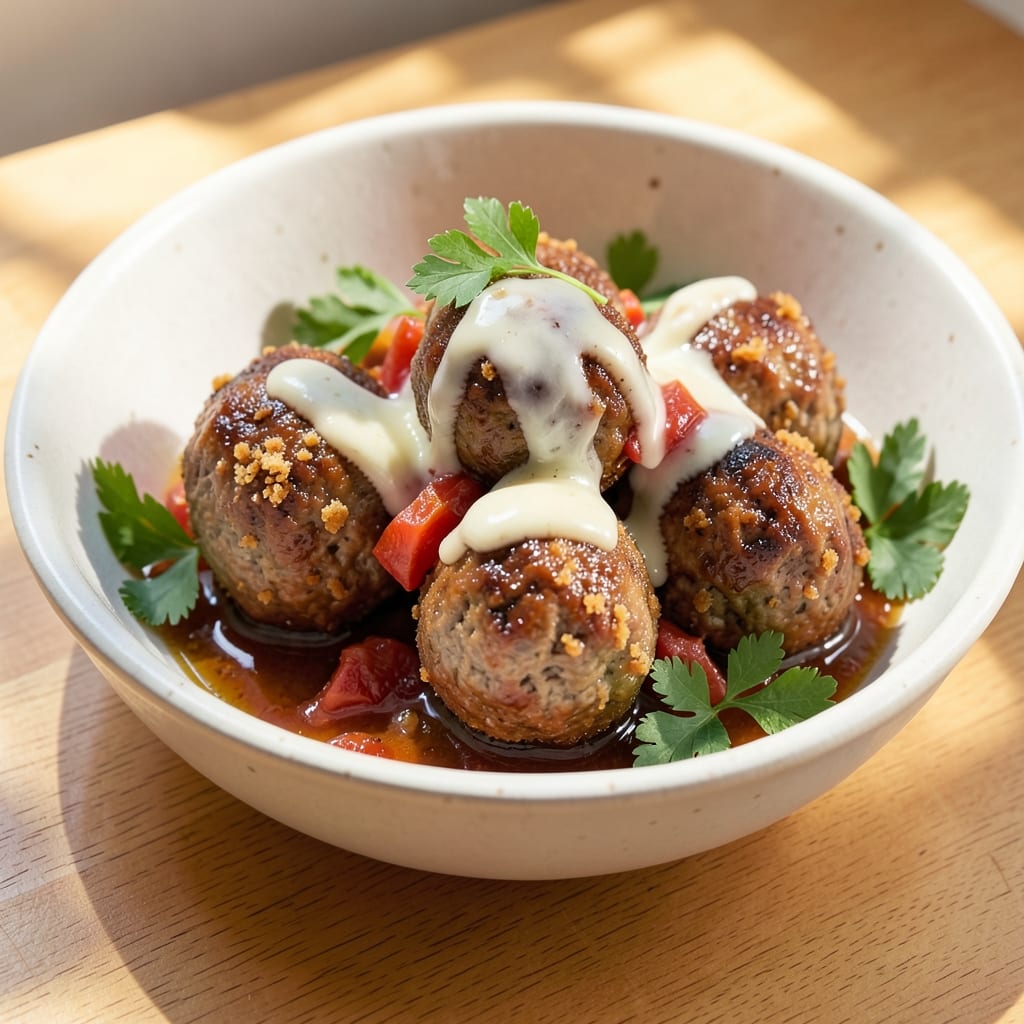
This turkey and beef meatball recipe delivers restaurant-quality flavor with a perfect balance of protein and texture. 💛 The combination of lean turkey and rich beef creates meatballs that are juicy inside, golden outside, and packed with aromatic herbs. I've perfected this recipe over years of testing, ensuring each bite is tender yet holds its shape—no more dry, crumbly meatballs here.
The secret lies in the binder and seasoning blend: egg and breadcrumbs create structure while Italian herbs, garlic, and Parmesan add depth. Whether you bake, pan-fry, or air-fry, these meatballs stay moist and flavorful—no need for extra oil or complicated techniques. The dual-protein approach also makes them more satisfying than traditional beef-only versions, with a lighter yet hearty profile.
Serve them with marinara for a classic Italian meal, in sliders for game day, or tossed in creamy gravy for Swedish-style comfort. The herb crust adds a fragrant aroma that fills your kitchen, while the tender interior ensures every bite is rich and satisfying. This recipe transforms simple ingredients into a dish that feels special without requiring hours in the kitchen.
Perfect for meal prep, holiday gatherings, or weeknight dinners, these meatballs reheat beautifully and pair effortlessly with pasta, rice, or crusty bread. The technique is foolproof—ideal for beginners and seasoned cooks alike. Let's get started on making these herb-crusted bites that everyone will ask for seconds of.
Ingredients for turkey and beef meatball
Restaurant-quality meatballs start with these carefully balanced ingredients for perfect texture and flavor.
| Ingredient | Amount | Notes |
|---|---|---|
| Lean Ground Turkey 🦃 | 1 lb | 93% lean for tenderness |
| Ground Beef 🥩 | ½ lb | 80% lean for richness |
| Large Eggs 🥚 | 1 whole | Room temperature preferred |
| Plain Breadcrumbs 🍞 | ¾ cup | Panko for extra crunch |
| Parmesan Cheese 🧀 | ½ cup | Freshly grated from block |
| Fresh Parsley 🌿 | ¼ cup | Finely chopped stems included |
| Fresh Basil 🌿 | ¼ cup | Finely chopped for aroma |
| Garlic Cloves 🧄 | 3 cloves | Minced for even distribution |
| Diamond Crystal Kosher Salt 🧂 | 1 ½ tsp | Adjust to taste |
| Ground Black Pepper 🌶️ | ½ tsp | Freshly ground preferred |
| Dried Oregano 🍃 | 1 tsp | Italian variety recommended |
| Extra-Virgin Olive Oil 🫒 | 1 tbsp | For pan-frying or baking |
The protein blend is key. Lean ground turkey (93% lean) keeps them tender, while 80% lean ground beef adds richness without excessive fat. For the best quality, purchase freshly ground meat from the butcher counter—pre-ground often contains fillers. I prefer Applegate or Boar's Head brands for turkey, available at most grocery stores. The Parmesan cheese should be freshly grated from a block; pre-grated contains anti-caking agents that prevent proper melting. Fresh herbs like parsley and basil elevate the flavor—look for vibrant green leaves at your local market or grocery store's produce section.
No fresh parsley? Dried parsley at half the amount works in a pinch, though it lacks the bright freshness. Substitute Italian seasoning for the oregano if needed, but reduce to 0.75 tsp since it's more potent. For a dairy-free option, omit the Parmesan and use nutritional yeast instead. The egg acts as a binder—if you're avoiding eggs, try 1 tbsp ground flaxseed mixed with 3 tbsp water as a replacement. For extra moisture, add 1 tbsp tomato paste to the mix. The olive oil is essential for frying—use avocado oil if you prefer a higher smoke point for pan-frying.
Store any unused meat in an airtight container in the fridge for up to 2 days. Fresh herbs should be wrapped in damp paper towels and kept in a sealed bag for 5-7 days. The breadcrumbs stay fresh for 1 month in a cool, dry place. Once formed, meatballs can be refrigerated for 3 days or frozen for 3 months. For best results, thaw frozen meatballs in the fridge overnight. Reheat gently in a skillet with a splash of water to maintain moisture—microwaving can make them rubbery. These meatballs reheat beautifully and taste even better the next day as flavors meld.
Why You'll Love This Recipe
- No-Fuss Mix: I swear by this combo—lean turkey keeps it light, but the beef adds that rich, meaty depth. No fancy prep, just toss everything in a bowl and go.
- Crispy-Creamy Magic: That Parmesan crust? Chef’s kiss. The outside gets golden and crunchy while the inside stays juicy—like a hug from your nonna, but better.
- Weeknight Superstar: Freezer-friendly, lunchbox-ready, or dinner in a flash. I make a double batch on Sundays: half for spaghetti night, half for meatball subs the next day.
- Budget Boost: Ground beef stretches further with turkey, and breadcrumbs + egg bind it all without breaking the bank. My wallet and my family thank me every time.
Step-by-step instructions for herb-crusted turkey and beef meatballs
Here's the precise method for creating meatballs with perfect texture and bold flavor.
👨🍳 Step 1: Combine the Protein and Aromatics
In a large mixing bowl, gently combine the 1 lb lean ground turkey and 0.5 lb ground beef. Avoid overmixing—just break up any large clumps with your hands. Add the 3 cloves minced garlic, 1.5 tsp kosher salt, 0.5 tsp black pepper, and 1 tsp dried oregano to the meat mixture.
Here's the thing—you want to keep the meatballs tender, so don't work the mixture more than necessary. The lean turkey and beef will release moisture as they cook, so we're not adding any liquid yet. Just distribute the seasonings evenly throughout the meat with your fingers until fully incorporated. The mixture should look slightly shaggy but cohesive.
👨🍳 Step 2: Bind with Egg and Create the Mixture
In a separate bowl, lightly beat the 1 whole large egg until just combined—no need to make it frothy. Add the egg to the meat mixture and gently fold it in using a silicone spatula. This is where the magic happens—the egg acts as a binder that holds everything together while keeping the meatballs juicy.
Next, stir in the 0.75 cup plain breadcrumbs (I use panko for that extra crunch) and 0.5 cup freshly grated parmesan cheese. The breadcrumbs will absorb some of the moisture from the meat, helping create a firm but tender texture. Fold these dry ingredients in just until combined—again, don't overwork the mixture or you'll end up with dense meatballs.
👨🍳 Step 3: Incorporate the Fresh Herbs
Add the 0.25 cup finely chopped fresh parsley and 0.25 cup finely chopped fresh basil to the mixture. These herbs will infuse the meatballs with vibrant flavor and beautiful color. Gently fold them in with your hands or a spatula, being careful not to break up the herbs too much—you want them distributed evenly throughout.
At this point, the mixture should look like a cohesive, slightly sticky dough. If it feels too dry, add 1 tablespoon cold water (not included in your ingredients—this is optional) to help bind it. The fresh herbs will release moisture as they cook, so don't worry if it seems slightly under-bound now. Cover the bowl and refrigerate for 30 minutes to allow the flavors to meld.
🔥 Step 4: Form and Cook the Meatballs
Preheat your oven to 375°F and line a baking sheet with parchment paper. After chilling, remove the meatball mixture and roll it into 16 equal-sized meatballs (about 1.5 inches in diameter). I like to use a 1.5-inch round cookie cutter for consistency, but you can roll them by hand if you prefer. Place them on the prepared baking sheet, spacing them about 1 inch apart.
For pan-frying: Heat the 1 tbsp extra-virgin olive oil in an oven-safe skillet over medium heat until shimmering. Carefully add the meatballs in a single layer and cook for 3-4 minutes per side until they develop a golden-brown crust. Then transfer the skillet to the preheated oven.
For baking: Skip the pan-frying step and place the meatballs directly on the baking sheet in the preheated oven.
🔥 Step 5: Finish Cooking to Perfect Doneness
Bake the meatballs for 20-25 minutes until their internal temperature reaches 165°F and they're golden brown on all sides. You'll know they're done when they release easily from the baking sheet and the edges are crispy while the centers remain juicy. Don't overcook—this is where many meatball recipes go wrong.
For extra flavor, broil the meatballs for the last 2 minutes of cooking to intensify the color and develop a deeper crust. Let them rest for 5 minutes before serving—this allows the juices to redistribute, ensuring each bite is moist and flavorful. Serve immediately with your favorite sauce or marinara for dipping.
Pro Tips For Making Turkey And Beef Meatball
- Mix the Turkey First: Lean ground turkey dries out faster than beef, so combine it with the eggs and breadcrumbs first—let it sit for 5 minutes while you mix in the beef. This keeps the meatballs juicy instead of rubbery, especially if you’re using extra-lean turkey (which I often do).
- Chill Before Shaping: Skip the urge to roll them immediately. After mixing, refrigerate the meatball mixture for 20-30 minutes. The cold helps the ingredients bind better, so they hold together when cooking—no surprise breakups in the pan.
- Use a Meat Thermometer: Turkey and beef cook at different rates, so pull them at 160°F (71°C) internal temp, not just by visual cues. Overcooking turns them dry; undercooking risks pink centers. A quick read with a thermometer saves guesswork.
- Toast the Breadcrumbs: Spread the breadcrumbs on a dry skillet over medium heat for 2-3 minutes until golden. They’ll add crispiness and absorb less moisture, so your meatballs stay tender inside. (Yes, it’s an extra step—but it’s worth it.)
Storing and reheating this recipe
Refrigerator Storage
Store cooked meatballs in an airtight container with a splash of marinara sauce or beef broth to prevent drying. They’ll keep fresh in the fridge for up to 5 days—the flavors actually deepen overnight! I use glass Pyrex containers because they’re microwave-safe and don’t absorb odors. Always let them cool completely before sealing to prevent condensation buildup. 💛
Freezer Prep
For long-term storage, freeze meatballs in a single layer on a parchment-lined tray for 1 hour to prevent sticking. Transfer to freezer bags (squeeze out excess air) or vacuum-sealed bags for up to 3 months. Label with the date—trust me, you’ll forget! Thaw overnight in the fridge for best texture. Avoid microwave thawing; it makes them rubbery.
Reheating Methods
Oven method (best for texture): Heat to 350°F, spread meatballs on a baking sheet, and warm for 10-12 minutes with a splash of water or broth. Stovetop method: Gently reheat in a skillet with 1 tbsp olive oil over medium-low heat for 5-7 minutes, stirring occasionally. Never microwave—it turns them gummy. 🔥
Meal Prep Tips
Double the batch and freeze half! Cooked meatballs reheat perfectly for busy weeknights. Store in portioned containers (8 meatballs per container) for easy grab-and-go lunches. Add them to pasta, soups, or sandwiches—they’re versatile and always a crowd-pleaser. Prep ahead for game day sliders or holiday leftovers!
Sauce Pairings
Reheat meatballs with their sauce to keep them moist. For marinara, simmer together for 5 minutes. For creamy gravy, add a splash of milk and whisk until smooth. Avoid reheating in sauces with high acidity (like tomato sauce) for too long—it can make them tough. 🍝
Garnish Like a Pro
Before serving, top with fresh basil, grated Parmesan, or a drizzle of olive oil to revive their flavor. A sprinkle of red pepper flakes adds heat, while toasted breadcrumbs give extra crunch. Garnishes make reheated meatballs feel fresh and restaurant-worthy. 💡
Nutrition facts
Frequently asked questions
Why mix turkey and beef in these meatballs?
The combination creates the perfect balance of lean protein from turkey and rich flavor from beef. The turkey keeps them tender and lighter, while beef adds depth without making them overly fatty. This ratio also makes them more satisfying than all-turkey versions while being leaner than all-beef.
Can I make these meatballs ahead of time?
Formed meatballs can be refrigerated for 24 hours before cooking, or frozen for 3 months. For best results, thaw frozen meatballs in the fridge overnight. Cooking them fresh gives the best texture, but prepped meatballs save time for busy days.
What if my meatballs are dry after cooking?
Overcooking is the most common cause. Use a meat thermometer and remove them at 165°F. To fix dry meatballs, try reheating them with a splash of beef broth or olive oil in a skillet. For future batches, reduce baking time by 2-3 minutes or cover with foil halfway through.
Are these meatballs good for meal prep?
Perfect for meal prep! Store cooked meatballs in airtight containers with a little sauce to keep them moist for 5 days. Reheat gently in the oven or stovetop—never microwave. They're great for sandwiches, pasta, or reheating with marinara. Portion them into single servings for easy grab-and-go meals.
Can I substitute ground pork for the beef?
Yes, but adjust the seasoning. Pork has more fat, so reduce to 0.3 lb and add 0.5 tsp extra oregano for depth. The texture will be slightly different but still delicious. For a true Italian style, stick with beef—pork works better for Swedish-style meatballs with creamier sauces.