
Sauces & Condiments
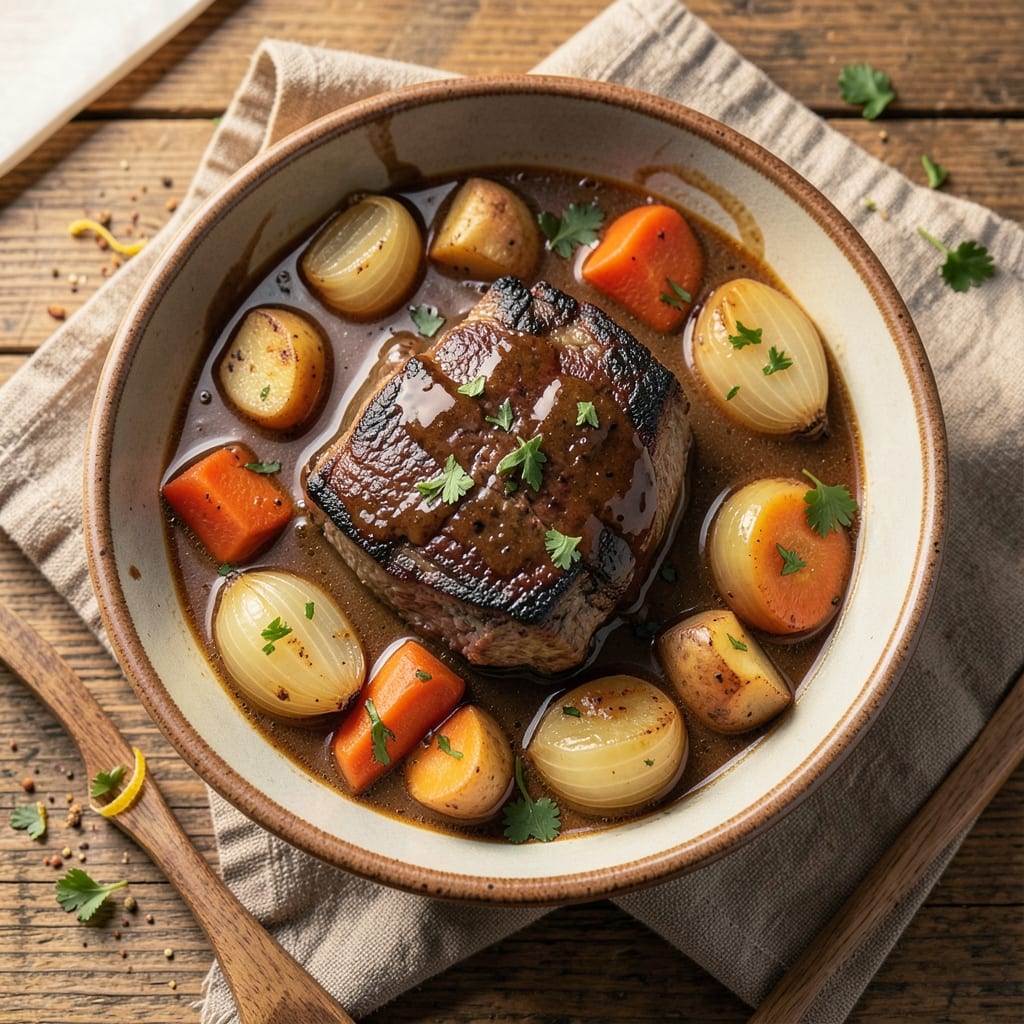
A1 steak sauce transforms beef stew into a rich, caramelized masterpiece with deep umami layers that cling to every bite. This recipe turns tough cuts into melt-in-your-mouth beef while developing a glossy, molasses-like crust that elevates the entire dish. The secret lies in reducing the sauce with beef drippings, creating a concentrated flavor bomb that penetrates the broth and meat. What sets this stew apart is the dual texture contrast—tender beef chunks paired with caramelized onions and potatoes that develop a satisfying bite. The A1 steak sauce doesn't just flavor the stew; it builds complexity through slow reduction, turning simple ingredients into something restaurant-worthy. Professional chefs rely on this technique to create stews with depth and character that home cooks can replicate. By the final serving, you'll have a pot of stew where each spoonful delivers silky beef, caramelized vegetables, and a glossy sauce that coats every bite. The aroma alone will have everyone gathering at the table, and the first taste will make them ask for seconds. This isn't just comfort food—it's a flavor experience that transforms an ordinary weeknight into something special. Serve with crusty bread to soak up every last drop of that glossy, umami-rich sauce, or pair with roasted vegetables for a complete meal. The beauty of this recipe is its versatility—equally impressive as a family dinner or a cozy solo meal. Let's create this stew that tastes like it's been simmering all day.
Ingredients for a1 steak sauce beef stew
Six pounds of beef and bold flavors create a stew with restaurant-quality depth and umami richness.
| Ingredient | Amount | Notes |
|---|---|---|
| Chuck Roast 🥩 | 3 lb | Well-marbled, cut into 1.5-inch cubes |
| Yellow Onions 🧅 | 3 whole | Thinly sliced, about 4 cups |
| Russet Potatoes 🥔 | 3 lb | Peeled, cut into 1.5-inch chunks |
| Carrots 🥕 | 1 ½ lb | Whole, cut into 1-inch pieces |
| A1 Steak Sauce 🍖 | ½ cup | Original A1 sauce, not imitation |
| Beef Broth 💧 | 4 cups | Low-sodium preferred, homemade or quality brand |
| Tomato Paste 🍅 | ¼ cup | High-quality, no sugar added |
| Garlic Cloves 🧄 | 6 cloves | Minced, about 1.5 tbsp |
| Worcestershire Sauce 🍶 | 2 tbsp | Original, not vegetarian |
| Dry Red Wine 🍷 | 1 cup | Bold variety like Cabernet Sauvignon |
| Bay Leaves 🌿 | 2 whole | Fresh preferred, dried works |
| Thyme 🌿 | 1 tbsp | Fresh, leaves only, or 1 tsp dried |
| Black Peppercorns 🌶️ | 1 tsp | Freshly cracked, not ground |
| Salt 🧂 | 1 ½ tsp | Diamond Crystal kosher salt |
| Olive Oil 🫒 | 2 tbsp | Extra-virgin for caramelization |
The chuck roast is non-negotiable here—its marbling breaks down into silky texture during slow cooking. Costco or local butcher shops offer the best quality, often at lower prices than grocery stores. Look for cuts with visible fat marbling; this ensures both tenderness and flavor. If you can't find chuck, short ribs work beautifully but require longer cooking. For the onions, yellow onions caramelize best—red onions add color but can turn bitter. Thinly slice them for maximum surface area during the slow cook. The potatoes should be russet for their fluffy texture, but Yukon Golds add a creamier bite if you prefer.
No A1 sauce? Worcestershire sauce plus a dash of soy sauce gets you close, though the molasses depth won't be identical. The tomato paste can be substituted with crushed tomatoes (1 cup), but reduce the broth by 1 cup to maintain balance. Short on red wine? Beef broth with 1 tbsp balsamic vinegar mimics the acidity. Fresh thyme is ideal, but dried thyme at one-third the amount works in a pinch. For the carrots, baby carrots are fine, but whole carrots develop a sweeter, deeper flavor when cooked whole. The bay leaves should be removed before serving—never eat them whole, as they're not digestible.
This stew tastes even better the next day as flavors meld. Store in an airtight container in the fridge for up to 5 days, or freeze for 3 months in portion-sized containers. For reheating, add 2 tbsp broth or water per serving to prevent drying. The sauce thickens as it cools, so stir in a splash of broth if it seems too concentrated. Portion into individual containers with a scoop of sauce on top—perfect for meal prep. The beef drippings are liquid gold; reserve them for future stews or as a flavor base for gravy.
Why You'll Love This Recipe
- One-Pot Magic: I swear by this recipe because it’s literally one pot—no extra bowls, no messy pans. Just dump the chuck roast, onions, and veggies in, let the A1 steak sauce work its caramelized wonder, and boom. Done. My lazy Sundays thank me every time.
- Deep Umami Bomb: That A1 steak sauce isn’t just a drizzle—it’s the star. It cuts through the richness of the chuck roast, giving the stew this smoky, tangy kick that makes every bite feel like a little reward. Honestly, I’ve tried other beef stews, but this one? It’s ridiculously addictive.
- Leftovers That Don’t Suck: Between us, most stew leftovers taste sad. Not this one. The potatoes stay fluffy, the carrots melt just enough to get sweet, and the sauce only gets better after a day or two. I make a double batch on Sundays—lunches, dinners, even reheated sandwiches. (Yes, even on a Tuesday night.)
- Budget Beef Feast: A chuck roast is cheap, and this recipe stretches it far—easily feeds six for under $20. The A1 steak sauce adds luxury without breaking the bank, and the potatoes and carrots bulk it up so no one feels shortchanged. My wallet and my family both win.
Step-by-step instructions for A1 steak sauce beef stew
This method delivers a rich, umami-packed stew with tender beef and caramelized vegetables.
Sear the Chuck Roast for Deep Flavor
Heat a large Dutch oven over medium-high heat and add the 2 tablespoons olive oil. Working in batches if needed, sear the 3 lb chuck roast on all sides until deeply browned, about 4-5 minutes per side. This step develops the Maillard reaction, creating that irresistible crust we'll build upon later.
Remove the roast and set it aside. You'll notice the pan has developed a rich, caramelized fond—this is pure flavor we can't afford to miss. Here's the thing: don't rush this searing. You want those pieces to develop a deep mahogany color before we move to the next stage. If your pan isn't hot enough, the meat will steam instead of sear.
Build the Umami Base with Aromatics
In the same Dutch oven, reduce heat to medium and add the 3 whole yellow onions and 1.5 lb carrots cut into 1-inch pieces. Cook for 8-10 minutes, stirring occasionally, until the onions soften and begin to caramelize. This process takes patience—don't walk away. You're looking for golden edges on those onions.
Add the 6 cloves garlic cloves (minced), 1 tablespoon thyme, 1 teaspoon black peppercorns, and 1.5 teaspoons salt. Stir for 1 minute until fragrant. Now add the 0.25 cup tomato paste and cook for another 2 minutes, stirring constantly. This creates a thick, flavorful paste that will form the foundation of our sauce.
Deglaze and Develop the Sauce
Pour in the 1 cup dry red wine and scrape up all those browned bits from the bottom of the pan with a wooden spoon. This deglazing step captures all that concentrated beef flavor. Let it simmer for 3-4 minutes until reduced by half. You'll smell that rich, complex aroma developing—this is where the magic happens.
Add the 4 cups beef broth, 0.5 cup A1 steak sauce, and 2 tablespoons Worcestershire sauce. Bring to a gentle boil, then reduce heat to low. Return the chuck roast to the pot along with the 2 whole bay leaves. The liquid should come about halfway up the roast. If it's too shallow, add a splash of water or broth to help the roast cook evenly.
Slow Cook Until Tender
Cover the Dutch oven and transfer to a 300°F oven. Cook for 3 hours, turning the roast occasionally to ensure even cooking. This slow, gentle process breaks down the tough connective tissue in the chuck roast, transforming it into fork-tender beef. The stew should develop a rich, glossy sauce that coats everything beautifully.
After 3 hours, remove the roast and shred it with two forks directly in the pot. Discard the bay leaves. Return the shredded beef to the pot and stir well. If the sauce is too thin at this point, simmer uncovered for another 10-15 minutes to thicken slightly. The beef should be so tender it falls apart easily when you pull it with tongs.
Add Vegetables and Finish
Add the 3 lb russet potatoes cut into 1.5-inch chunks to the stew. Return to a gentle simmer and cook uncovered for 30-40 minutes, until the potatoes are fork-tender with crisp edges. You'll know they're done when they pierce easily but still have a slight resistance in the center.
Taste and adjust seasoning with additional salt if needed. The A1 steak sauce should provide enough umami flavor, but you might want to add a pinch more salt to balance the dish. Serve immediately with crusty bread to soak up that rich, velvety sauce. Each bite should deliver tender beef, caramelized vegetables, and layers of savory depth from the A1 steak sauce.
Pro Tips For Making A1 Steak Sauce Beef Stew
- Sear the Chuck First: I learned this the hard way—skipping the sear means flavorless beef. Get your Dutch oven screaming hot, pat that chuck dry, and let it brown deeply on all sides before adding onions. The crust locks in juices and adds a smoky depth that A1 sauce alone can’t fix.
- Cut Potatoes Uniformly: Uneven potatoes mean some mushy, some rock-hard. Slice them into 1-inch chunks—every single one—so they cook at the same rate. Russets break down fast; don’t let a few stubborn pieces ruin the batch.
- Add A1 Sauce Late: Dumping it in early turns your stew into a thin, saucy mess. Wait until the last 20 minutes of simmering—when the beef is tender and flavors melded—to stir in the A1. This keeps the sauce thick and glossy, not watered down.
- Deglaze with Beer or Broth: That browned crust on the pot? Don’t scrape it off—it’s flavor gold. Splash in ½ cup of beer (or beef broth) right after searing, let it bubble for 2 minutes, then add onions. It dissolves the fond without extra effort, and the depth of flavor is worth the few seconds.
Make-ahead tips for this dish
Prep Ahead Essentials
Start by prepping all your vegetables the night before—this cuts your cooking day in half. Thinly slice the 3 yellow onions and cut the 3 lb russet potatoes and 1.5 lb carrots into even chunks. Store them in separate airtight containers in the fridge. The onions will keep for 3 days, while the potatoes and carrots stay fresh for 5 days. I like to marinate the chuck roast overnight in 2 tbsp olive oil, 1 tsp salt, and ½ tsp black pepper—this keeps it juicy and adds extra flavor. 🧂
Sauce Reduction Shortcut
Here's my pro trick: reduce the A1 steak sauce and Worcestershire sauce mixture ahead of time. Combine ½ cup A1 sauce, 2 tbsp Worcestershire, and ¼ cup beef broth in a small saucepan. Simmer uncovered over medium heat for 10 minutes—this concentrates the flavors into a thick, glossy paste. Store it in the fridge until ready to use. It'll keep for 1 week and adds instant depth to your stew.
Slow Cooker Adaptation
For a hands-off approach, use a 6-quart slow cooker—it's perfect for this recipe. After searing the beef and building your base, transfer everything (except potatoes) to the slow cooker. Cook on low for 8 hours or high for 5 hours. In the final 1 hour, add the potatoes. The slow cooker maintains consistent heat, ensuring perfectly tender beef without constant monitoring. I love this method for busy weeknights—just dump everything in and let it work its magic. 🍲
Freezer-Friendly Assembly
Assemble the entire stew (without potatoes) up to Step 4—after the beef has shredded but before adding potatoes. Let it cool completely, then transfer to freezer-safe containers. The stew freezes beautifully for 3 months. When ready to serve, thaw overnight in the fridge, add potatoes, and simmer for 30-40 minutes. The texture remains silky, and the flavors deepen during freezing—it's like time-traveling taste! Just avoid freezing with potatoes, as they absorb too much moisture.
Portion Control Tips
Divide the stew into individual portions while still hot for easy reheating. Use 16-ounce mason jars—they're perfect for single servings. Store with a thin layer of broth on top to prevent a skin from forming. When reheating, add 2 tbsp broth per serving to maintain moisture. I like to portion with a scoop of sauce on top—it makes the stew look restaurant-worthy and ensures every bite is flavorful. Label containers with the date to track freshness. ❄️
Make-Ahead Mistakes
Avoid these common pitfalls: Don't add potatoes to the freezer—they'll turn mushy. Also, never skip the final simmer when reheating—this step reactivates the sauce and ensures even heating. If your stew seems too thick after reheating, add a splash of broth or water. And remember, the longer it sits, the better it tastes—this stew peaks after 24 hours** in the fridge. Trust the process, and don't rush the flavors! 💡
Nutrition facts
Frequently asked questions
Can I substitute A1 steak sauce in this recipe?
The sauce is essential for that deep umami flavor, but you can use 2 tbsp Worcestershire sauce + 1 tbsp soy sauce + 1 tsp molasses as a substitute. For best results, reduce this mixture first to concentrate the flavors—simmer for 5-7 minutes until slightly thickened. The taste won't be identical, but it'll still add rich depth to your stew.
How do I know when the chuck roast is tender enough?
Use the fork test: After 3 hours in the oven, remove a small piece of beef and pierce it with a fork. If it falls apart completely with no resistance, it's done! For extra assurance, cut into a piece—it should be fork-tender with no chewy bits. Never overcook, or the meat will turn dry and stringy.
Why does my stew sauce turn out too thin?
This usually happens when you don't reduce the sauce enough or add too much broth. After shredding the beef, simmer uncovered for 10-15 minutes to thicken naturally. For instant thickening, mix 1 tbsp cornstarch with 2 tbsp cold water, stir into the stew, and simmer for 2 minutes until glossy. The A1 sauce should give a natural richness, but don't overdo it—½ cup is perfect.
Can I make this stew in an Instant Pot?
Yes! Sear the beef first, then sauté onions, carrots, and garlic as directed. Add all remaining ingredients (except potatoes) and cook on high pressure for 45 minutes, then quick-release. Shred the beef, add potatoes, and cook on sauté mode for 10 minutes until tender. The Instant Pot version cooks faster but requires close monitoring to avoid overcooking the potatoes.
What's the best way to reheat leftovers?
Reheat gently on the stovetop over low heat for 10-15 minutes, stirring occasionally and adding 2 tbsp broth per serving to prevent drying. Never microwave directly from the fridge—this creates a rubbery texture. For extra flavor, add a splash of red wine or beef broth while reheating. The stew tastes even better the next day as flavors meld!