
Soups & Stews
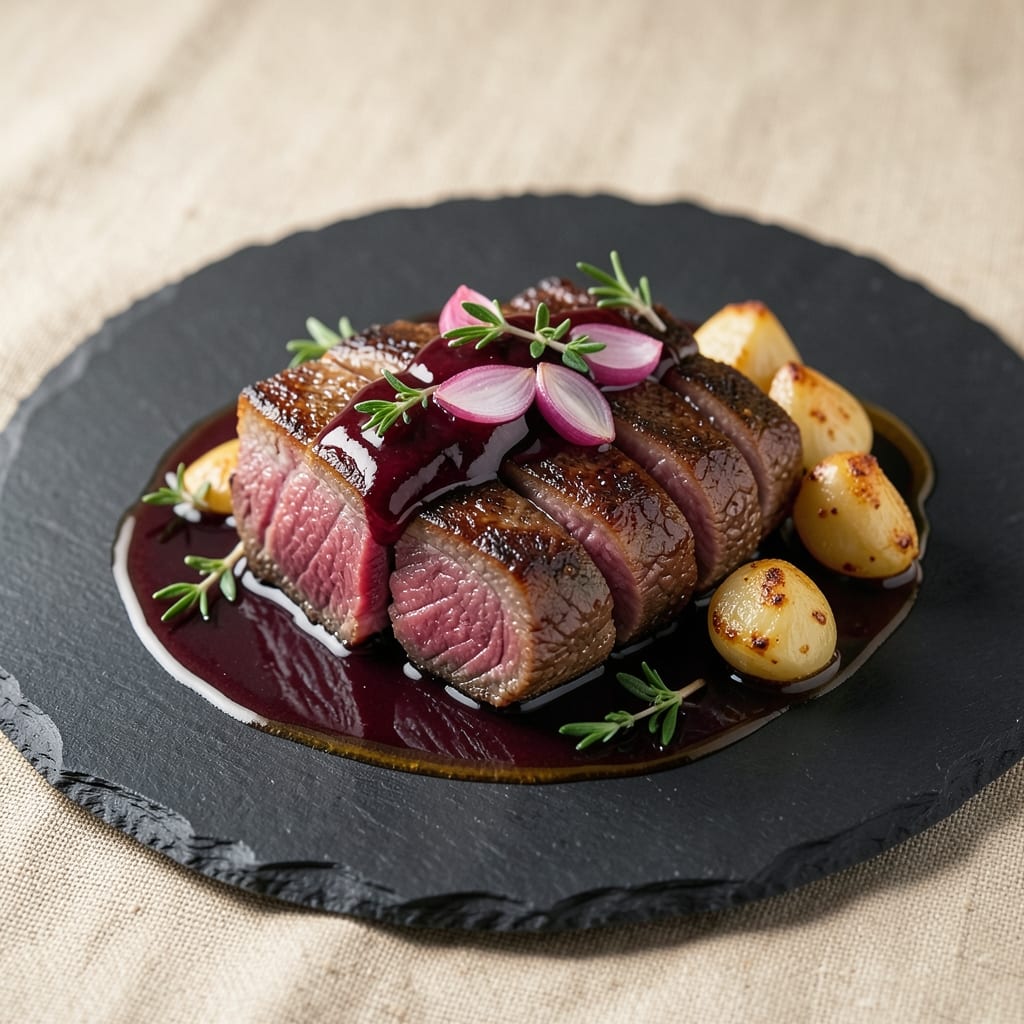
A5 Wagyu beef recipe transforms a simple sear into a luxurious dining experience—where every bite reveals layers of buttery fat and deep umami flavor. This isn’t just beef; it’s a premium ingredient that deserves careful handling to preserve its legendary marbling and tenderness. The secret lies in a delicate balance of high-heat searing followed by a slow reduction in red wine and aromatic herbs, ensuring the meat remains juicy while developing rich, complex flavors.
The process begins with a quick sear in a screaming-hot pan to lock in those prized fat cap layers, then transitions to a gentle simmer that infuses the beef with the depth of Cabernet Sauvignon and fresh thyme. This method respects the beef’s natural qualities while adding sophistication—no heavy marinades or aggressive techniques that could compromise its delicate texture. The result? A dish that feels both rustic and refined, perfect for special occasions or when you want to impress without fuss.
What makes this recipe truly special is how it elevates the beef’s inherent qualities—those melt-in-your-mouth fat ribbons and melt-in-your-mouth tenderness—while letting the wine and herbs shine as supporting stars. The dish pairs beautifully with Japanese short-grain rice to soak up every last drop of the luxurious sauce, or alongside roasted seasonal vegetables for a balanced plate. It’s the kind of meal that turns a weeknight into a memorable experience.
For those who treat cooking as an art, this method delivers restaurant-quality results at home. The key is patience: letting the beef rest before slicing against the grain to ensure each piece remains tender. Serve with a side of miso soup or a crisp arugula salad to cut through the richness, and you’ve created a dish worthy of any high-end steakhouse—without the price tag. Let’s get started.
Ingredients for a5 wagyu beef
Premium A5 Wagyu deserves premium handling—this list focuses on quality ingredients that elevate its natural marbling and umami depth.
| Ingredient | Amount | Notes |
|---|---|---|
| A5 Wagyu Beef 🥩 | 1 ½ lb | Ribeye or strip cut, 1-inch thick slices |
| Cabernet Sauvignon 🍷 | 1 cup | Bold, dry red wine, preferably aged |
| Fresh Thyme 🌿 | ¼ cup | Stems removed, loosely packed |
| Garlic Cloves 🧄 | 4 cloves | Peeled, smashed lightly |
| Shallots 🧅 | 2 whole | Peeled, thinly sliced |
| Beef Bone Broth 💧 | 1 cup | Homemade or high-quality store-bought |
| Unsalted Butter 🧈 | 2 tbsp | Cold, cut into small cubes |
| Japanese Short-Grain Rice 🍚 | 1 cup | Uncooked, for serving |
| Olive Oil 🫒 | 1 tbsp | High smoke point for searing |
| Kosher Salt 🧂 | 1 ½ tsp | Diamond Crystal preferred |
| Freshly Ground Black Pepper 🌶️ | ½ tsp | Coarse grind for texture |
| Miso Paste 🍶 | 1 tbsp | White miso for delicate flavor |
| Fresh Arugula 🌱 | 2 cups | Baby leaves for garnish |
The A5 Wagyu is the star here, so source it from a reputable supplier like Snake River Farms or US Wellness Meats. Look for cuts with visible marbling—those white fat ribbons are what make this beef legendary. If you can't find A5, Japanese Wagyu is the next best option, but avoid anything labeled 'Wagyu-style' as it lacks the same fat content. The beef should feel soft to the touch, not firm or rubbery. For the wine, Cabernet Sauvignon from Napa Valley adds depth, but any bold, dry red will work—just avoid sweet varieties. Fresh thyme and shallots are best bought from local farmers markets where they're harvested the same day.
No Cabernet? Merlot or Malbec both work well, but avoid Pinot Noir—it's too light for this dish. If you're short on time, beef broth with 1 tbsp balsamic vinegar mimics the wine's acidity. The miso paste is non-negotiable for that umami kick, but if you can't find white miso, red miso at half the amount adds depth without overpowering. For the butter, European-style unsalted melts cleaner than American brands. The arugula can be swapped for baby spinach if preferred, though arugula's peppery bite cuts through the richness beautifully. Always use freshly ground pepper—pre-ground loses potency within weeks.
The Wagyu should rest at room temperature for 30 minutes before cooking to ensure even searing. Store any unused beef in vacuum-sealed bags for up to 1 week in the fridge, or freeze for 6-12 months without losing quality. The sauce can be made ahead and reheated gently—it actually improves overnight as flavors meld. For serving, keep the rice in a rice cooker with a lid to maintain moisture. The arugula stays fresh in the fridge for 5-7 days if wrapped in a damp paper towel.
Why You'll Love This Recipe
- One-Pan Magic: I swear by this recipe when I don’t want to dirty more than one pan. The wagyu sears in its own juices while the wine and shallots reduce into a glossy sauce—no flipping, no fussing, just done.
- Rich Umami Bomb: That Cabernet Sauvignon doesn’t just cook the beef—it transforms it. The garlic and thyme steep into the wine, giving every bite this deep, savory-sweet punch that makes even the simplest sides shine.
- Weeknight Luxury: Between us, I treat myself to wagyu like it’s a fancy dinner, but this recipe works for Tuesday takeout too. Thinly sliced steak cooks in minutes, and the leftovers? Chef’s kiss—reheat with a splash of wine for the same restaurant-quality melt.
- Leftovers That Lie: Honestly, I make this on purpose just to have seconds the next day. The beef stays tender, the sauce clings perfectly, and I’ve even frozen portions for lazy Sunday brunches. No one believes it’s "just leftovers" when it tastes this good.
Step-by-step instructions for marbled Wagyu beef in red wine reduction
This method transforms premium A5 Wagyu into a luxurious centerpiece with deep wine flavors and tender texture.
Sear the Wagyu for Maximum Flavor Development
Pat the 1.5 lb A5 Wagyu Beef slices dry with paper towels—this ensures a perfect sear. Heat 1 tablespoon olive oil in a heavy skillet over medium-high heat until shimmering. Place the beef in the pan and sear for 2-3 minutes per side until deeply browned with a crust forming. The marbling will render slightly, creating irresistible aroma.
Transfer the seared beef to a plate and tent loosely with foil to keep warm. Don't walk away—the residual heat continues cooking. The goal is medium-rare, so aim for 125-130°F internal temperature when finished. If you prefer rare, remove it slightly earlier.
Build the Red Wine Reduction
In the same skillet (no need to clean it—the browned bits are flavor gold), reduce heat to medium and add 2 tablespoons unsalted butter. Let it melt completely, then add 2 whole shallots and 4 cloves garlic cloves, cooking for 2 minutes until softened but not colored. This step develops the aromatic base.
Pour in the 1 cup Cabernet Sauvignon and scrape up any browned bits from the bottom. Bring to a simmer and reduce by half—about 5-7 minutes)—until the liquid coats the back of a spoon. The wine should smell rich and concentrated, with deeper fruity notes. If it reduces too quickly, lower the heat slightly to prevent burning.
Simmer with Herbs and Broth
Add the 1 cup beef bone broth, 0.25 cup fresh thyme, 1 tablespoon miso paste, 1.5 teaspoons kosher salt, and 0.5 teaspoon freshly ground black pepper to the wine reduction. Stir well and bring to a gentle simmer. Return the seared beef to the pan, spooning the reduction over it completely. Cover and simmer on low heat for 10-12 minutes.
The beef will finish cooking in the sauce, absorbing those complex flavors. You'll know it's done when it reaches 130-135°F internally and the sauce has thickened slightly. The thyme should be fragrant but not bitter—remove any stems that float to the surface. This simmering step transforms simple ingredients into a restaurant-worthy sauce.
Plate with Japanese Short-Grain Rice
Cook the 1 cup Japanese short-grain rice according to package instructions—it should be fluffy and slightly sticky. Divide among plates and top each serving with a Wagyu slice. Spoon the reduction generously over the beef, allowing some to pool on the plate for dipping. The sauce should coat the rice lightly, enhancing rather than overwhelming it.
Garnish with 2 cups fresh arugula arranged artistically around the plate. The peppery greens provide a fresh contrast to the rich beef and wine. Serve immediately while the beef is still warm and the sauce is at its peak consistency. The contrast between the silky rice, tender beef, and vibrant greens creates a visually stunning dish that's equally delicious.
Pro Tips For Making A5 Wagyu Beef
- Sear Fast, Then Pause: Throw your A5 Wagyu in a screaming-hot pan for just 30 seconds per side—it’ll brown beautifully without overcooking. Then pull it out and let it rest under foil for 5 minutes. I learned this the hard way when my first slice turned out chewy because I rushed straight to the wine reduction. ---
- Reduce Wine Slow: Simmer that Cabernet Sauvignon on low heat until it’s syrupy, not boiled dry. High heat turns it bitter, and you want the rich fruit notes to shine. I used to rush it and ended up with a sad, alcohol-heavy glaze instead of a glossy, flavor-packed sauce. ---
- Bloom Garlic in Butter: Melt 1 tablespoon of butter first, then add minced garlic and shallots. Let them sizzle for 30 seconds until fragrant—this builds flavor without burning. Skipping this step means your dish tastes like raw garlic instead of caramelized depth. ---
- Thyme Bundles, Not Chopped: Tie 3-4 thyme sprigs into a bundle with kitchen twine and toss it into the pan with the beef. It infuses the wine reduction without turning your sauce into a herb slurry. I was skeptical until I tried it—now I never chop thyme for this dish.
Storing and reheating this recipe
Refrigerator Storage
A5 Wagyu beef is best stored in the refrigerator for no longer than 3-4 days after purchase to preserve its delicate marbling and flavor. Use a vacuum-sealed bag or airtight container lined with parchment paper to prevent direct contact with moisture. Store on the coldest shelf, typically the bottom, where temperatures stay closest to 34-36°F. I always label the bag with the date to track freshness—this beef doesn’t last like regular cuts. 🧊
The wine reduction sauce can be stored separately in an airtight container for up to 3 days, but I recommend reheating it gently on the stovetop over low heat to maintain its rich texture. The miso paste and thyme add depth that actually improves overnight, so don’t hesitate to make extra sauce for leftovers. Just reheat the sauce alone—never microwave the beef.
Freezer Preservation
For longer storage, freeze the A5 Wagyu in vacuum-sealed bags or heavy-duty freezer wrap for up to 12 months without losing quality. The marbling remains intact when frozen properly, though texture may become slightly firmer upon thawing. I prefer vacuum-sealing because it prevents freezer burn and preserves the beef’s natural flavors. Label each bag with the date and portion size—this beef is too precious to waste. ❄️
To freeze the wine reduction sauce, cool it completely before transferring to a freezer-safe container. Leave ½ inch headspace for expansion, and press plastic wrap directly on the sauce’s surface to minimize ice crystals. Thaw overnight in the fridge before reheating—never at room temperature. The sauce will thicken slightly after freezing, so add a splash of beef broth when reheating.
Reheating Methods
When reheating A5 Wagyu, always use the stovetop over low heat to avoid drying it out. Place the beef in a skillet with 1 tablespoon olive oil and heat for 2-3 minutes per side until reaching 130°F internally. The residual fat will render beautifully, creating a second sear effect. Never microwave—it turns the beef rubbery. 🔥
For the wine reduction sauce, reheat in a saucepan over medium-low heat until warmed through, stirring occasionally. If the sauce thickens too much, add 1-2 tablespoons beef broth to restore its silky consistency. I like to finish with a pinch of freshly ground black pepper and a sprig of thyme to revive its aroma. Serve the reheated beef and sauce immediately over freshly cooked rice.
Thawing Safely
Thaw A5 Wagyu in the refrigerator overnight for the best results—this maintains its texture and prevents bacterial growth. Place the vacuum-sealed bag in a bowl to catch any potential drips. If you’re in a hurry, use the cold water method: seal the beef in a leak-proof bag and submerge it in cold water, changing the water every 30 minutes. Never thaw at room temperature—this risks spoilage. 💧
Once thawed, pat the beef dry with paper towels before reheating to ensure a proper sear. The marbling will render more quickly after thawing, so monitor the pan closely. If the beef feels unusually firm, let it sit at room temperature for 10-15 minutes before cooking to even out the temperature. This step is crucial for achieving that perfect crust and juicy interior.
Nutrition facts
Frequently asked questions
What makes A5 Wagyu different from regular Wagyu?
A5 Wagyu is the highest grade of Japanese Wagyu beef, rated on a scale from A1-A5 based on marbling, texture, and color. The "A5" designation means it has the most abundant fat marbling—those beautiful white ribbons of fat that melt at mouth temperature. This results in a buttery, ultra-tender eating experience unlike regular Wagyu or other beef cuts. The marbling also gives it a rich, almost sweet flavor profile that's truly unmatched.
Can I substitute Cabernet Sauvignon with another wine?
Yes, but choose a bold, dry red wine like Merlot or Malbec—avoid light varieties like Pinot Noir. The key is acidity and body to complement the beef's richness. If you're short on time, use 1 cup beef broth with 1 tbsp balsamic vinegar for a similar depth of flavor. Just remember: the wine's tannins help tenderize the beef slightly during the simmer.
How do I know when the beef is perfectly cooked?
Use a meat thermometer for precision! For medium-rare (recommended for A5 Wagyu), aim for 125-130°F internal temperature. The beef will continue rising 5°F while resting. For rare, pull it at 115-120°F. The color should be deep red in the center with a slight pink hue. Never overcook—this premium beef doesn't need it. The marbling will render beautifully at these temperatures.
What's the best way to slice A5 Wagyu for maximum tenderness?
Always slice against the grain (perpendicular to the muscle fibers) for maximum tenderness. Use a very sharp knife and cut at a 45-degree angle for elegant presentation. For the thickest slices, cut into ½-inch thick portions to showcase the marbling. Let the beef rest for 10 minutes after cooking before slicing—this allows juices to redistribute.
Can I make this recipe with frozen A5 Wagyu?
Yes, but thaw it properly first! Use the refrigerator method (overnight) or cold water bath (change water every 30 minutes). Never thaw at room temperature. Pat the beef completely dry before cooking—this ensures a perfect sear. The marbling may render slightly faster after freezing, so monitor the pan closely. For best results, cook the beef immediately after thawing.