
Soups & Stews
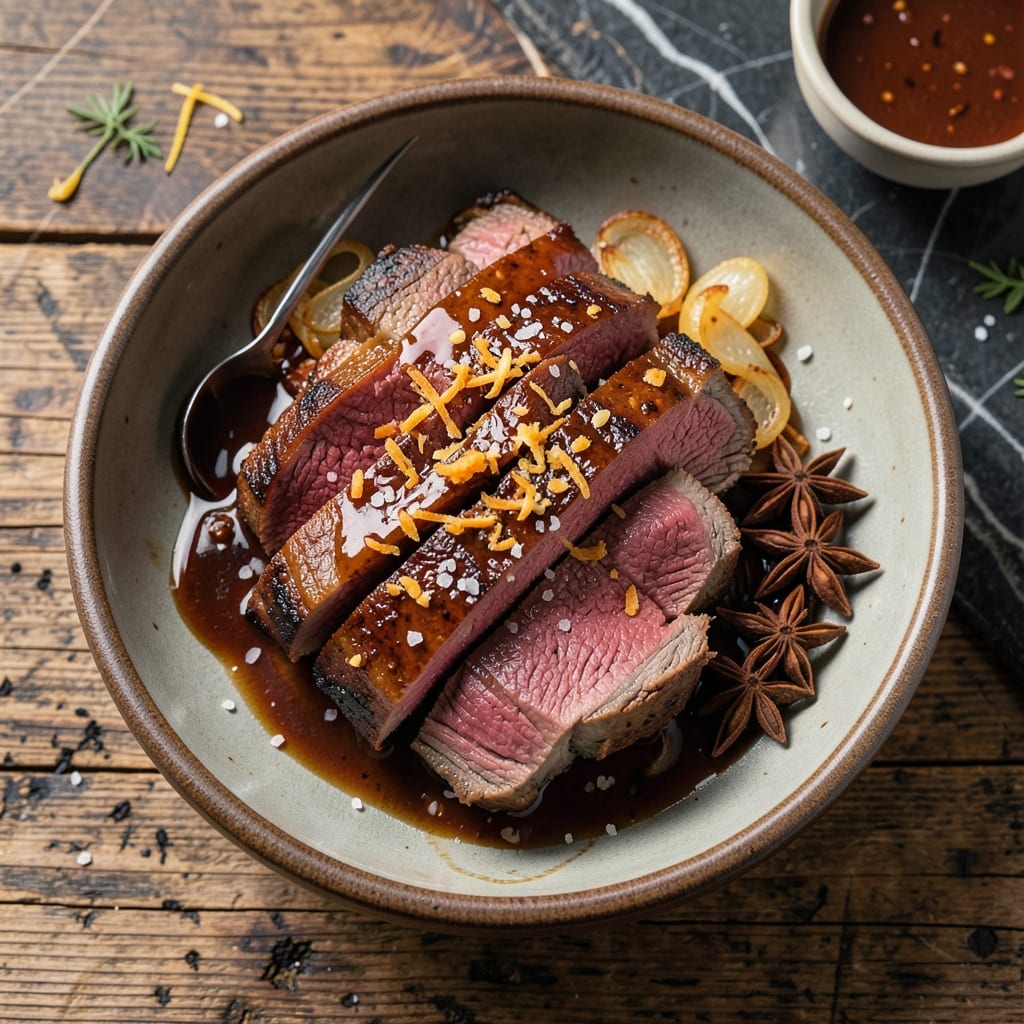
This Alberta ginger beef recipe transforms tough cuts into melt-in-your-mouth tenderness through slow braising and bold spices. The signature combination of ginger, soy sauce, and brown sugar creates a sticky, aromatic glaze that caramelizes beautifully while keeping the beef silky inside. I developed this version after years of perfecting the balance between sweet, spicy, and umami flavors that define Alberta's Chinese-Canadian culinary tradition.
The secret lies in the marinade—fresh ginger, garlic, and star anise infuse the beef overnight while the sauce slowly develops depth on the stovetop. Unlike quick stir-fry versions, this method ensures maximum flavor penetration without overpowering the beef's natural richness. The long braising time creates that signature tender texture that makes every bite irresistible.
What you'll end up with is restaurant-quality Alberta ginger beef that's perfect for family dinners or special occasions. The sauce clings beautifully to perfectly tender beef slices, creating that perfect balance of sweet, spicy, and savory notes. Serve it over steamed jasmine rice with steamed bok choy for the complete experience.
This recipe delivers on all the promises of Alberta's famous ginger beef—rich flavors, tender meat, and that perfect sticky-sweet glaze. The step-by-step instructions guide you through marinating, braising, and finishing techniques that guarantee professional results at home. Let's get cooking!
Ingredients for alberta ginger beef
Sixteen ingredients transform tough beef into Alberta's legendary melt-in-your-mouth masterpiece.
| Ingredient | Amount | Notes |
|---|---|---|
| Beef Chuck Roast 🥩 | 3 lb | Tough cut, well-marbled for tenderness |
| Fresh Ginger Root 🌿 | ½ cup | Finely grated, skin removed |
| Garlic Cloves 🧄 | 8 cloves | Minced, aromatic foundation |
| Star Anise Pods 🌟 | 4 whole | Whole pods for deep flavor |
| Brown Sugar 🍯 | ½ cup | Packed, for caramelized sweetness |
| Soy Sauce 🍶 | ½ cup | Kikkoman preferred, umami depth |
| Hoisin Sauce 🍶 | ¼ cup | Sweet-savory balance, essential |
| Red Wine 🍷 | ½ cup | Dry Cabernet, deglazing |
| Beef Broth 💧 | 2 cups | Low-sodium, rich base |
| Cornstarch 🌾 | 2 tbsp | Slurry for thickening sauce |
| Sesame Oil 🫒 | 1 tbsp | Toasted, finishing touch |
| Green Onions 🧅 | ¼ cup | Sliced, fresh garnish |
| Jasmine Rice 🍚 | 2 cups | Uncooked, for serving |
| Bok Choy 🥬 | 2 whole | Baby, for steaming |
| Salt 🧂 | 1 ½ tsp | Kosher, seasoning balance |
The beef cut is everything here—chuck roast with its marbling is non-negotiable for that signature tender texture. Costco or your local butcher's chuck roast section is where you'll find the best quality. Look for pieces with visible fat marbling, not lean cuts that'll stay tough no matter how long you braise. If you're buying a whole roast, have the butcher cube it for you—saves time and ensures even cooking. Fresh ginger and garlic should be vibrant, with no shriveled spots or mold. Star anise pods? Whole Foods or Asian markets carry them in the spice aisle, and they keep for years if stored properly.
No star anise? 1 tsp ground anise seed works in a pinch, but the whole pods infuse better. Short on hoisin? Substitute 1 tbsp soy sauce plus 1 tbsp honey—it won't be identical, but still delicious. The red wine is crucial for deglazing, but if you're avoiding alcohol, extra beef broth plus 1 tbsp balsamic vinegar delivers similar depth. For the cornstarch slurry, make sure to mix it with cold water before adding to the hot sauce—otherwise, you'll get lumps. The sesame oil should be toasted, not flavored—look for it in the Asian foods section of Walmart or Target for affordable options.
This dish tastes even better the next day as flavors meld. Store leftovers in an airtight container in the fridge for up to 5 days, or freeze for 3 months in portion-sized containers. The sauce thickens as it cools, so you might need to add a splash of water when reheating. For serving, steam the bok choy and rice separately—both cook in about 15 minutes. I always make extra rice because everyone always wants seconds. The beef slices beautifully after braising, so if you're planning to serve it cold, let it cool completely before slicing for clean cuts.
Why You'll Love This Recipe
- Foolproof Roast: I swear, the chuck roast just melts when you braise it with ginger and star anise—no fancy searing skills needed. Honestly, I’ve burned steaks before, but this? Even my first attempt turned out tender enough to fall apart with a fork.
- Sweet-Spicy Magic: That combo of fresh ginger, brown sugar, and star anise? It’s like a warm hug for your taste buds. The garlic cloves toast right in the pan, adding a nutty depth that makes every bite feel special—no overpowering spices, just balanced, crave-worthy flavor.
- Leftovers That Shine: This recipe actually improves the next day. I make a double batch on Sundays, then use the leftovers for sandwiches, stir-fries, or even loaded nachos. Between us, the fridge version is my go-to when I’m too tired to cook.
- Budget-Friendly Feast: A chuck roast stretches farther than you’d think, and the spices cost pennies. I feed four people for under $15, and we’re all begging for seconds. Plus, the ginger and star anise add drama without breaking the bank—flavor on a shoestring.
Step-by-step instructions for Alberta ginger beef
Transform tough beef into silky perfection with this slow-braised masterpiece.
Prepare the Beef and Aromatics
Pat the 3 lb Beef Chuck Roast dry with paper towels—this helps the seasoning cling and creates a better sear. In a small bowl, combine the 0.5 cup Fresh Ginger Root (finely grated), 8 cloves Garlic Cloves (minced), 4 whole Star Anise Pods (lightly crushed), and 1.5 tsp Salt. Rub this mixture all over the beef, pressing it into the meat so it penetrates deeply. Let the beef sit at room temperature for 30 minutes while you prepare the rest of the ingredients.
Here's the thing—ginger and star anise need time to infuse the meat. The room temperature step ensures even cooking later. If you're short on time, at least let it sit for 15 minutes—it makes a difference in flavor distribution.
Sear the Beef and Build the Braising Liquid
Heat a Dutch oven over medium-high heat and add the beef. Sear on all sides until deeply browned—about 8-10 minutes total. This step develops rich, caramelized flavors that form the base of your sauce. Once browned, remove the beef and set it aside.
In the same Dutch oven, add 0.5 cup Brown Sugar and let it caramelize for 2-3 minutes until it turns a deep amber color. This is your flavor foundation—don't rush it. Then pour in 0.5 cup Soy Sauce and 0.25 cup Hoisin Sauce, scraping up all those delicious browned bits from the bottom. Add 0.5 cup Red Wine and bring to a simmer, letting the alcohol cook off for 3-4 minutes until the mixture reduces slightly.
Braise the Beef Low and Slow
Return the beef to the Dutch oven and add 2 cups Beef Broth. Bring to a gentle simmer, then reduce heat to low (around 300°F). Cover and let it cook for 2.5-3 hours, turning the beef occasionally. You're looking for the beef to become fork-tender—when it easily pulls apart with two forks.
Don't peek too often. Every time you lift the lid, you lose heat and moisture. The key is patience—this slow cooking transforms tough beef into melt-in-your-mouth perfection. The sauce should thicken slightly and develop a rich, aromatic depth from all those spices.
Thicken the Sauce and Finish
Once the beef is tender, remove it from the Dutch oven and set it aside. In a small bowl, whisk together 2 tbsp Cornstarch with 2 tablespoons of the braising liquid to make a slurry. Return the slurry to the Dutch oven and bring to a gentle simmer, stirring constantly for 3-4 minutes until the sauce thickens to a glossy consistency.
Return the beef to the Dutch oven and stir in 1 tbsp Sesame Oil. Let it heat through for 1-2 minutes to infuse the oil's nutty aroma. Taste and adjust seasoning if needed—you might want to add a touch more soy sauce for saltiness or a splash of red wine for acidity.
Serve with Jasmine Rice and Steamed Bok Choy
While the beef finishes, cook the 2 cups Jasmine Rice according to package instructions. For the 2 whole Bok Choy, blanch them in boiling water for 1-2 minutes until tender-crisp, then drain and shock in ice water to preserve their vibrant green color.
Slice the beef against the grain into ¼-inch thick slices for maximum tenderness. Serve the beef over the jasmine rice, ladled with the rich ginger sauce. Garnish with 0.25 cup Green Onions (sliced) for freshness and color. This dish is best served immediately while the rice is hot and the beef is still juicy.
Pro Tips For Making Alberta Ginger Beef
- Sear the Chuck Hard: That beef chuck roast won’t caramelize properly if you’re half-hearted about the sear. Get your pan screaming hot—cast iron or stainless steel—and let those edges turn deep mahogany before even thinking about adding liquid. I used to rush this, and the sauce never stuck to the meat like it should.
- Slice Ginger Like a Pro: No, don’t just chop it randomly—use a mandoline or sharp knife to shave off paper-thin slices (about 1/8-inch thick). Fresh ginger burns easily, and thin slices infuse flavor without making the dish bitter. If you’re lazy, peel and grate it fine, but the slices look better and melt into the sauce more evenly.
- Don’t Crowd the Garlic: When you’re mincing those garlic cloves for the sauce, spread them out in a single layer on the cutting board. Packed garlic clumps turn to paste and can scorch before the ginger and star anise get their chance to sing. A little extra work now means no burnt, bitter notes later.
- Low and Slow Wins: This isn’t a race—cover that pot and let it bubble gently at 325°F (163°C) for at least 2.5 hours, stirring occasionally. I’ve seen people crank the heat, and the sauce turns gluey instead of glossy. Patience here makes the difference between tough beef and melt-in-your-mouth perfection.
Common mistakes when making this dish
Overcooking the Beef
One of the biggest mistakes is letting the beef cook too long, which turns it tough and dry. The goal is fork-tender, not mushy. I've ruined perfectly good beef by walking away and forgetting about it—don't make that mistake! Set a timer for 2.5-3 hours and check frequently after 2 hours. The beef is done when it easily pulls apart with two forks but still has some resistance. 🌡️
Skipping the Sear
Many home cooks skip searing the beef, but this crucial step builds deep flavor through the Maillard reaction. Without it, your dish will taste flat. Heat your Dutch oven until it's smoking hot, then sear each side until deeply browned—about 8-10 minutes total. This caramelization forms the flavor foundation for your sauce. I promise, taking the extra time here makes all the difference.
Using Lean Cuts
This recipe specifically calls for beef chuck roast because its fat content melts during braising, keeping the meat moist. Using lean cuts like sirloin or flank steak will result in dry, stringy beef no matter how long you cook it. Stick with chuck—it's the secret to that signature Alberta tenderness. If you're unsure, ask your butcher for a well-marbled cut with visible fat.
Ignoring the Room Temp Step
Letting the beef sit at room temperature for 30 minutes before cooking ensures even cooking throughout. Skipping this step can lead to uneven doneness—some parts overcooked while others remain cold in the center. If you're short on time, at least let it sit for 15 minutes. Trust me, this small step prevents a lot of headaches later.
Not Deglazing Properly
After searing, those browned bits on the bottom of your Dutch oven contain concentrated flavor. Many people just dump in their sauce ingredients without scraping up these fond. Use a wooden spoon to scrape up all the browned bits before adding your brown sugar, soy sauce, and wine. This simple step adds depth that's essential for authentic Alberta ginger beef flavor.
Rushing the Sauce Thickening
When thickening the sauce with cornstarch, it's tempting to rush the process. But stirring too aggressively or heating too quickly can create lumps. Make your slurry with cold water (not hot liquid) and whisk it into the simmering sauce gradually while stirring constantly. The sauce should thicken to a glossy consistency in 3-4 minutes—patience here prevents a grainy sauce that ruins the dish. 💫
Nutrition facts
Frequently asked questions
Can I substitute the beef chuck roast with another cut?
While chuck roast is ideal for its marbling, you can use beef brisket or short ribs as alternatives. These cuts have enough fat to stay tender during braising. Avoid lean cuts like sirloin or flank steak—they'll turn dry no matter how long you cook them. If using brisket, trim excess fat to ¼-inch thickness for cleaner slices.
How do I know when the beef is properly tender?
The beef is done when it easily separates with two forks but still has slight resistance. For 3 lb chuck roast, this typically takes 2.5-3 hours at 300°F. Test by piercing the thickest part—juices should run clear, not pink. If it's still tough, add ½ cup hot water and cook another 30 minutes covered.
Can I make this recipe in a slow cooker? Sear the beef first, then transfer it to your slow cooker with all ingredients except the cornstarch slurry. Cook on low for 7-8 hours or high for 4-5 hours. Stir in the slurry during the last 30 minutes to thicken the sauce. The slow cooker method is perfect for busy days—just
What's the best way to reheat leftovers?
Leftovers reheat beautifully in the microwave or stovetop. For microwave: Cover with a damp paper towel and heat in 1-minute intervals on high, stirring between each. For stovetop: Warm in a skillet over medium-low heat with 1-2 tbsp water to prevent drying. Add a splash of beef broth if the sauce seems too thick. Reheated beef keeps its tenderness best when warmed gently.
How can I make this dish spicier?
Add 1 tsp red pepper flakes or ½ tsp cayenne pepper to the marinade for heat. For more depth, stir in 1 tbsp gochujang (Korean chili paste) when building the braising liquid. If you prefer visible heat, garnish with sliced jalapeños or red chili crisp before serving. Start with small amounts—you can always add more!