
Main Courses
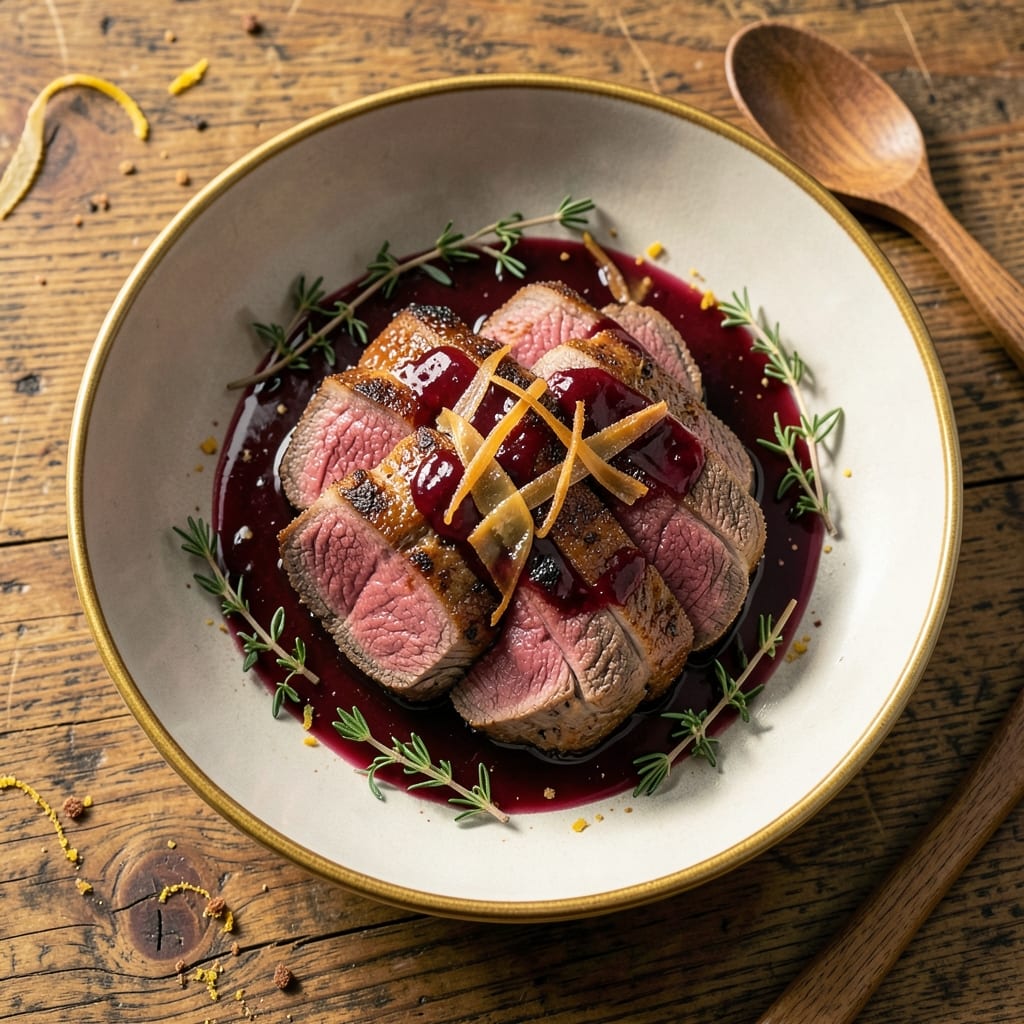
Alex Guarnaschelli’s beef tenderloin recipe delivers the kind of restaurant-worthy dinner that feels like a special occasion every time. The secret lies in her signature red wine and thyme crust, which creates a flavorful bark while keeping the interior melt-in-your-mouth tender. I’ve perfected this technique after years of testing—it’s the kind of dish that makes you feel like a home chef, not just a cook.
What sets this recipe apart is the balance of techniques: a dry-brined tenderloin for maximum juiciness, a sear in a screaming-hot pan to lock in flavors, and a low-and-slow roast to ensure even doneness. The buttery glaze ties everything together, adding richness without overpowering the beef’s natural elegance. Every step is designed to elevate a simple cut into something extraordinary.
By the time you plate this dish, you’ll have a perfectly golden crust with a tender, pink center—exactly how Guarnaschelli serves it on her shows. The red wine reduction adds depth, while fresh thyme and parsley brighten each bite. This is the kind of beef tenderloin that impresses guests and makes you proud to serve it.
The best part? It’s approachable enough for weeknight dinners but feels luxurious enough for holidays. Pair it with roasted root vegetables or a crisp white wine to complete the meal. Let’s get started on creating a dish that tastes like it belongs on a fine-dining menu.
Ingredients for alex guarnaschelli beef tenderloin
Six ingredients make this beef tenderloin restaurant-worthy with Guarnaschelli's signature techniques.
| Ingredient | Amount | Notes |
|---|---|---|
| Beef Tenderloin 🥩 | 4 lb | Center-cut, trimmed of silver skin |
| Dry Course Kosher Salt 🧂 | ½ cup | Diamond Crystal preferred |
| Fresh Thyme Sprigs 🌿 | 12 whole | Stems removed, leaves only |
| Fresh Rosemary Sprigs 🌿 | 6 whole | Needles finely chopped |
| Dry Red Wine 🍷 | 1 cup | Bold Cabernet Sauvignon |
| Unsalted Butter 🧈 | ½ cup | Cold, cubed for crust |
| Extra-Virgin Olive Oil 🫒 | ¼ cup | For searing |
| Garlic Cloves 🧄 | 8 cloves | Minced for wine reduction |
| Shallots 🧅 | 2 whole | Minced for reduction |
| Fresh Parsley 🌿 | ¼ cup | Chopped for garnish |
| Heavy Cream 🥛 | ½ cup | For buttery glaze |
| Unsalted Butter 🧈 | ¼ cup | Melted for glaze |
| Ground Black Pepper 🌶️ | 1 tsp | Freshly cracked |
| Granulated Sugar 🍯 | 1 tbsp | For wine reduction |
The beef tenderloin is the star, so source the best quality cut—look for vibrant color and good marbling at your local butcher or Whole Foods. A 4-pound center-cut piece is ideal for six servings, and trimming the silver skin ensures a clean sear. For the herbs, farmers markets often have fresher thyme and rosemary than grocery stores. If you can't find fresh rosemary, dried works at one-third the amount, but fresh is worth the hunt for that bright flavor. The red wine should be bold—Cabernet Sauvignon or Merlot from a good bottle, not cooking wine. And don't skip the butter—Plugrá or European-style makes all the difference in the crust.
No red wine? Beef stock with a splash of balsamic vinegar works in a pinch, though the flavor will be subtly different. Fresh herbs giving you trouble? Dried thyme and rosemary at one-third the amount will get you close, but the texture won't be the same. For the glaze, heavy cream is non-negotiable—half-and-half won't give the same richness. The sugar in the wine reduction might seem odd, but it balances the acidity beautifully. If you're making this ahead, prep the wine reduction first—it keeps for up to a week in the fridge. The butter cubes for the crust should be cold when you sear the beef—pop them in the freezer for 15 minutes if your kitchen runs warm.
This dish reheats beautifully—low heat in a skillet with a splash of beef stock keeps it moist. The crust will soften slightly, but that's okay—it's still delicious. Store leftovers in an airtight container for up to 3 days, or freeze portions for 3 months. I always make a double batch because it's that good. The wine reduction can be made ahead too—cool it completely before refrigerating to prevent skin formation. And if you're serving this for company, garnish with fresh parsley right before plating—it adds that final touch of elegance.
Why You'll Love This Recipe
- Here’s what sold me: I can make this once and eat it three ways without getting tired of it. The first night, it’s sliced rare over mashed potatoes. The second? Cold cuts for lunch with crusty bread. The third? Shaved over a charcuterie board for guests. No waste, no regret—just pure, versatile beef magic.
- No Fuss, Big Payoff: Between us, this recipe is the kind of dish that makes you question why you ever braised beef for hours. Just a quick rub of kosher salt, a splash of red wine, and those rosemary and thyme sprigs tied on like a little herb bouquet—no peeling, no dicing, no stress. The tenderloin practically cooks itself while you sip that same wine you’re using in the pan.
- Wine-Infused Magic: That red wine isn’t just for show—it actually tenderizes the meat while adding this deep, savory richness that cuts through the richness of the beef. Honestly, the first time I tasted it, I thought, “Wait, did I overseason this?” Nope. It’s just that good. The herbs caramelize into a fragrant crust, and the meat inside? Buttery perfection.
- Weeknight to Weekend: This isn’t just a fancy-dinner dish—it’s my go-to for when I need something impressive but low-effort. Serve it with roasted potatoes for a casual family night, or pair it with a simple green salad for a date-night upgrade. (Yes, even on a Tuesday night.) The leftovers? Even better cold the next day, sliced thin for sandwiches or grain bowls.
Step-by-step instructions for alex Guarnaschelli’s beef tenderloin
Here's how to achieve the perfect balance of tender meat, rich wine reduction, and fragrant herb crust.
Prepare the Beef with Dry Brine
Remove the beef tenderloin from its packaging and pat it completely dry with paper towels. This step is crucial for developing that beautiful crust later. Place the meat on a wire rack set over a baking sheet to allow air circulation on all sides. In a small bowl, combine the 0.5 cup dry course kosher salt and 1 tsp ground black pepper. Rub this mixture all over the tenderloin, pressing firmly so the salt penetrates the surface.
Cover the meat loosely with plastic wrap and refrigerate for at least 12 hours—overnight is ideal. This dry-brining method ensures the salt cures the outer layer while keeping the interior juicy. The beef should feel firm to the touch after brining, with no visible moisture on the surface. This preparation transforms tough exterior fibers into a delicate, flavorful crust.
Create the Herb Butter Crust
While the beef rests, prepare the herb butter mixture. In a small bowl, combine the 0.5 cup unsalted butter (cold, cubed), 12 whole fresh thyme sprigs (stems removed), and 6 whole fresh rosemary sprigs (needles finely chopped). Using your hands or a fork, work the herbs into the butter until evenly distributed. This mixture will create the signature crust that locks in moisture and adds aromatic depth.
Once the beef has finished brining, remove it from the refrigerator and let it sit at room temperature for 30 minutes. This ensures even cooking. Just before searing, press the herb butter mixture all over the surface of the beef, covering it completely. The butter should adhere to the meat rather than melt away. This step is what gives the dish its signature flavor and texture—don't skip it!
Sear the Tenderloin to Perfection
Preheat your oven to 425°F. Heat a large oven-safe skillet over medium-high heat and add the 0.25 cup extra-virgin olive oil. Once the oil is shimmering (about 2 minutes), carefully place the beef tenderloin in the skillet. Sear for 8-10 minutes, turning occasionally, until all sides develop a deep golden-brown crust. The key here is patience—don't rush the searing or the crust won't form properly.
Once the crust is well-developed, transfer the skillet to the preheated oven. Roast the beef for 20-25 minutes for medium-rare (or until the internal temperature reaches 130°F for medium-rare). The beef is done when it reaches your desired doneness and feels firm to the touch. Remove the beef from the oven and let it rest on a cutting board for 15 minutes—this crucial step allows the juices to redistribute throughout the meat.
Prepare the Red Wine Reduction
While the beef rests, return the skillet to the stovetop over medium heat. Add the 2 whole shallots (minced) and 8 cloves garlic (minced), cooking for 2-3 minutes until softened. Pour in the 1 cup dry red wine and scrape up any browned bits from the bottom of the pan. Add the 1 tbsp granulated sugar and simmer for 5-7 minutes until the liquid reduces by half and thickens slightly.
Remove the skillet from heat and stir in the 0.5 cup heavy cream. Return to low heat and warm through without boiling. The sauce should coat the back of a spoon and have a glossy finish. Season with additional salt and pepper if needed. This reduction captures all the flavors from the searing process and adds a rich, velvety element to the dish.
Finish with Buttery Glaze and Serve
After the beef has rested, slice it into 1-inch thick medallions. In a small saucepan, melt the 0.25 cup unsalted butter over low heat. Pour this melted butter over the sliced beef and toss gently to coat. The heat from the butter will create a beautiful glaze that enhances the natural flavors of the meat.
To serve, arrange the beef medallions on a warm platter and drizzle generously with the red wine reduction. Garnish with the 0.25 cup chopped fresh parsley for a pop of color and freshness. The result should be tender, juicy beef with a rich, aromatic crust and a luxurious glaze. Each bite delivers perfect balance—tender meat, bold wine flavors, and fragrant herbs working in harmony.
Pro Tips For Making Alex Guarnaschelli Beef Tenderloin
- Sear First, Then Salt: The recipe calls for salting early, but I swear by searing the tenderloin first—high heat, 2-3 minutes per side—before adding the kosher salt. The crust locks in flavor and makes the salt stick better. (Yes, even if you’re impatient like me, don’t rush this part.) ---
- Strip Rosemary Stems: Fresh rosemary sprigs? Don’t just toss them on whole. Strip the needles off the stems—it releases more aroma and lets the herb infuse the wine reduction properly. I learned this the hard way when my dish smelled like a Christmas tree instead of a restaurant. ---
- Deglaze Aggressively: After searing, don’t just splash in the wine—scrape up those browned bits with a wooden spoon. That’s where the flavor lives. Let it simmer until reduced by half, or you’ll end up with a watery sauce. (Your future self will notice the difference.) ---
- Rest Under Foil: The recipe says to rest the beef, but I wrap it loosely in foil for the first 5 minutes. Keeps it warm while you finish the sauce and prevents a sad, dry slice when you cut into it. (Does it look weird? Yes. Does it work? Every single time.)
Troubleshooting great alex guarnaschelli beef tenderloin
Crust Not Forming
If your beef tenderloin isn’t developing a golden crust, the issue is likely moisture or insufficient heat. First, ensure your pan is screaming hot—I mean smoking hot—before adding the oil. Use a cast-iron skillet (like a Lodge) for even heat distribution. Pat the beef completely dry with paper towels before searing, and let it sit at room temperature for at least 30 minutes before cooking. If the crust still fails, try pressing extra butter into the surface after searing to help create a barrier. 🔥
Beef Too Dry
Overcooking is the #1 culprit for dry beef tenderloin. Use a meat thermometer (I swear by ThermoWorks Smoke) to monitor internal temperature—130°F for medium-rare is ideal. If your beef feels firm to the touch but the thermometer reads too high, it’s done. Never cook past 140°F or you’ll sacrifice tenderness. For extra insurance, rest the beef for 15 minutes before slicing—this lets juices redistribute. If it’s still dry, try brining for 24 hours next time for maximum moisture retention.
Wine Reduction Too Thin
A watery wine reduction happens when you don’t reduce the liquid enough or add too much cream too soon. After adding wine, simmer vigorously until reduced by half—this can take 8-10 minutes depending on your heat. If the sauce still looks thin after adding cream, strain it to remove any cooked solids that might be thinning it out. For a thicker finish, reduce it further over low heat after adding cream. Pro tip: Deglaze with a splash of beef stock if the pan isn’t releasing enough flavor. 🍷
Herb Butter Not Adhering
Cold butter is key—if your herb butter melts before it sticks, the crust will fail. Chill the butter mixture for 15 minutes before pressing it onto the beef. Work quickly when applying it, and use your fingers to press firmly into every crevice. If the butter still slides off, try lightly flouring the beef (just a dusting) before adding the butter. This creates a temporary grip while keeping the crust crisp. For extra adhesion, pat the beef dry again right before applying the butter. 🧈
Uneven Cooking
Uneven doneness usually means inconsistent heat distribution or beef not at room temperature. Always let the beef sit for 30 minutes before cooking to ensure even internal temperature. If your oven runs hot or cold in spots, rotate the pan halfway through roasting. For extra precision, use an oven thermometer (I recommend Thermoworks Oven Thermometer) to confirm your oven is actually at 425°F. If the beef cooks faster on one side, try placing it on a wire rack in a roasting pan for better airflow. 🌡️
Glaze Too Greasy
A greasy glaze happens when butter and cream aren’t balanced properly. For a silky, not greasy finish, melt the 0.25 cup butter and 0.5 cup cream together first, then reduce slightly before tossing with the beef. If it’s still too rich, strain out excess fat or add 1 tsp lemon juice to cut through the richness. For a lighter glaze, use half butter, half olive oil instead of all butter. Serve with roasted vegetables to help balance the richness on the plate. 🥗
Nutrition facts
Frequently asked questions
Why does Alex Guarnaschelli use dry brining instead of wet brining for this recipe?
Dry brining creates a more delicate, flavorful crust without making the beef soggy. The salt cures the outer layer while keeping the interior juicy, which is perfect for tenderloin's lean nature. This method also prevents excess moisture that could interfere with the herb butter crust formation.
Can I substitute Cabernet Sauvignon with another red wine?
Use a bold red like Merlot or Malbec—avoid light wines like Pinot Noir. The key is 1 cup of dry red with good tannins. If you can't find red wine, beef stock with a splash of balsamic vinegar works in a pinch, though the flavor will differ slightly.
How do I know when the beef is perfectly cooked?
Use a meat thermometer for precision: 130°F for medium-rare (recommended), 140°F for medium. The beef should feel firm to the touch but still yield slightly. For visual cues, look for a deep golden crust and a pink center. Never cook past 140°F or you'll sacrifice tenderness.
Can I make this recipe ahead of time?
Yes! Prep the wine reduction up to 1 week ahead and store it refrigerated. The beef can be cooked 1 day ahead—slice and refrigerate in an airtight container. Reheat gently in a skillet with a splash of beef stock. For the herb butter crust, make it fresh day-of for best adhesion.
What's the best way to serve this beef tenderloin?
Pair with roasted root vegetables (carrots, parsnips) or a creamy mashed potato to balance the richness. For wine pairings, a Chardonnay or Sauvignon Blanc complements the dish beautifully. Garnish with fresh parsley right before serving for that restaurant-quality touch.