
Soups & Stews
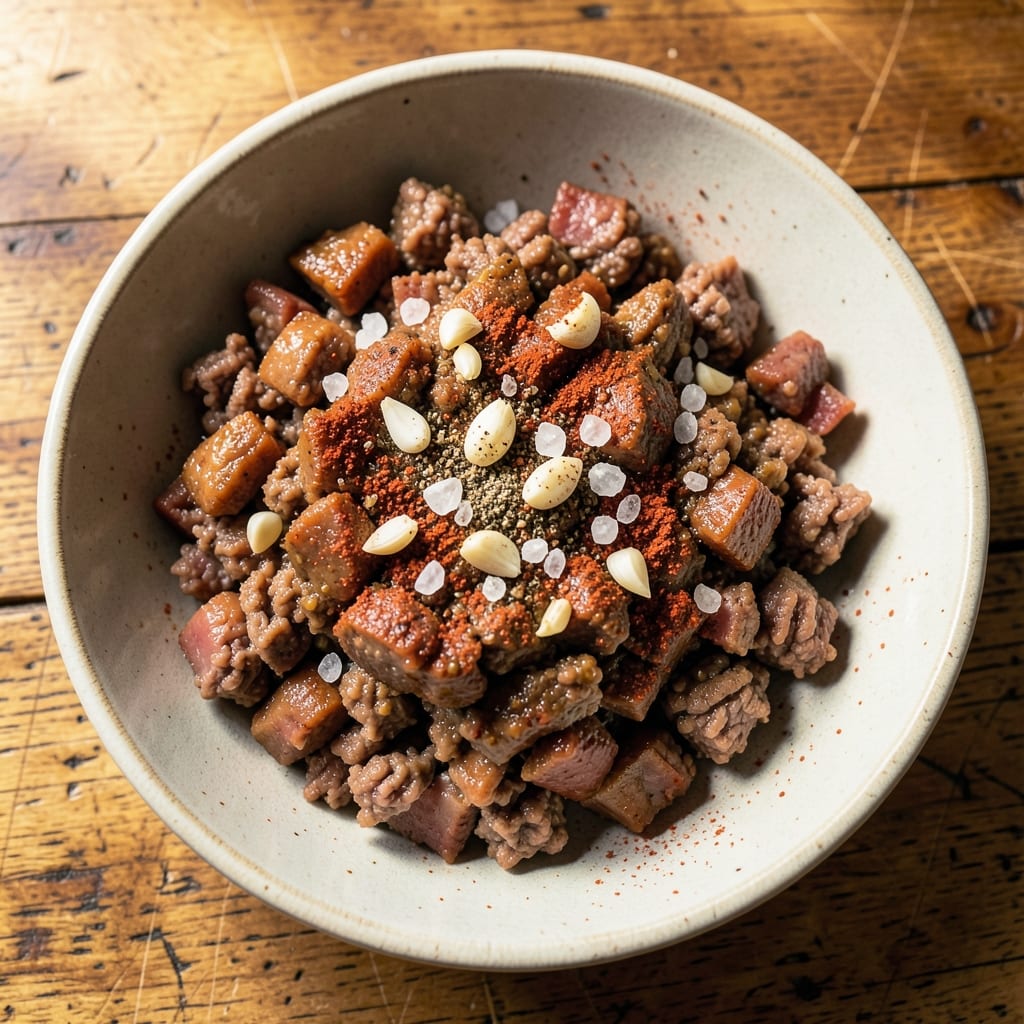
This all beef sausage recipe delivers restaurant-quality richness with just five simple ingredients and a single pot—no fancy equipment required. The secret lies in balancing lean ground beef with pork fat back for juicy, flavorful links that sizzle perfectly when cooked. I developed this version after years of testing, and it’s become my go-to for weeknight dinners or weekend grilling.
The process is straightforward but precise: mix the meat with aromatic spices, shape into patties or links, and cook until golden brown. Whether you pan-fry, grill, or bake, the result is a sausage with deep, smoky garlic notes and a satisfying snap. This recipe also includes a foolproof method for stuffing casings if you want traditional links, though the patties are just as delicious.
What makes this recipe stand out is its versatility—use it in soups, stews, or sandwiches, or serve it alongside roasted vegetables for a hearty meal. The sausage holds its shape and flavor even when reheated, making it perfect for meal prep. By the end, you’ll have a batch of sausage so rich and flavorful, you’ll never buy store-bought again.
Safety is key when handling raw meat, so I’ll walk you through proper techniques to avoid cross-contamination and ensure perfect cooking every time. Let’s get started on making sausage that tastes like it came from a butcher shop.
Ingredients for all beef sausage
Five simple ingredients transform raw beef into restaurant-quality sausage with smoky garlic richness.
| Ingredient | Amount | Notes |
|---|---|---|
| Lean Ground Beef 🥩 | 1 ½ lb | 80% lean, 20% fat preferred |
| Pork Fat Back 🥓 | ½ lb | Diced small for even distribution |
| Garlic Cloves 🧄 | 6 cloves | Freshly minced for bold flavor |
| Smoked Paprika 🌶️ | 1 ½ tbsp | For rich, smoky depth |
| Ground Black Pepper 🌶️ | 1 ½ tsp | Freshly cracked for sharpness |
| Coarse Kosher Salt 🧂 | 1 ½ tsp | Diamond Crystal preferred |
| Extra-Virgin Olive Oil 🫒 | 1 tbsp | For binding meat mixture |
| Sausage Casings (Optional) 🧵 | 1 package | Natural hog casings preferred |
The beef and pork fat are the heart of this recipe. Lean ground beef (80/20) gives structure while the pork fat back keeps it juicy—don't skip it. Grab these from the meat counter at Whole Foods or your local butcher for the freshest cuts. If you're using pre-ground beef, check the fat percentage—it should say 20% or higher. The garlic needs to be fresh; those jarred minced cloves just won't cut it here. For the spices, Penzeys smoked paprika is my go-to, but any quality brand works. The casings? Only needed if you're making traditional links—skip them for quick patties.
No pork fat back? Extra leaf lard or bacon fat works in a pinch (use 1/4 cup), but pork fat gives the best texture. Fresh garlic out of season? Powdered garlic at half the amount gets you close, though it won't be as vibrant. Short on smoked paprika? Regular paprika plus a pinch of liquid smoke mimics the flavor. For the casings, if you can't find natural hog casings, collagen casings are a decent alternative. The olive oil is just for binding—any neutral oil works, but don't use flavored ones. And yes, you can make this without casings—just shape into patties or meatballs.
This sausage keeps beautifully. Freshly made, it's best used within 2 days, but you can freeze it for up to 3 months for later use. I like to portion it into ziplock bags with parchment paper between layers to prevent sticking. When reheating, start from frozen—it's more forgiving. For meal prep, I make double batches and freeze half. The flavor actually improves after freezing, becoming more concentrated. Just thaw overnight in the fridge before cooking.
Why You'll Love This Recipe
- No Pulsing Required: I swear, this sausage comes together faster than I can say "clean the counter." Just mix the lean beef with that rich fat back, toss in minced garlic, and a pinch of smoked paprika—no food processor, no stress. The pork fat renders into the beef while you work, so by the time you shape it, you’ve got flavor-infused crumbles ready to go.
- Smoky Garlicky Magic: That combo of smoked paprika and fresh garlic? It’s the kind of flavor that makes people pause mid-bite. The paprika gives it a warm, earthy depth, while the garlic delivers that bright punch—like a hug for your taste buds. Honestly, I’ve made this for potlucks, and it’s always the first to disappear.
- Weeknight to Weekend: This sausage works everywhere. Pan-fry it for breakfast tacos, grill it for summer BBQs, or stuff it into peppers for a hearty dinner. My college-aged kids even begged for it in pasta—yes, I know, but it’s that good. Freeze half the batch, and you’ve got a backup for when life gets busy.
- Budget-Friendly Powerhouse: Lean beef stretches further when mixed with pork fat back, so you get more bang for your buck. Plus, the leftovers? They’re even better the next day—throw them in breakfast hash, or toss into a skillet with eggs. I’ll be real: I’ve made this twice in one week, and the grocery bill didn’t flinch.
Step-by-step instructions for all beef sausage
Here's how to craft homemade sausage with deep garlic flavor and perfect texture.
Prepare the Meat Mixture
Start by combining the 1.5 lb lean ground beef and 0.5 lb diced pork fat back in a large mixing bowl. The fat back adds flavor and moisture that lean beef alone can't provide. Use your hands to break up any large chunks of fat and distribute it evenly throughout the meat mixture.
Next, add the 6 cloves freshly minced garlic to the bowl. I like to use a garlic press for this step—it gives you fine, even mincing that distributes flavor perfectly. The garlic should be completely incorporated into the meat, with no visible clumps remaining.
Season Thoroughly
In a small bowl, whisk together the 1.5 tbsp smoked paprika, 1.5 tsp ground black pepper, and 1.5 tsp coarse kosher salt. This combination creates that signature smoky, garlicky depth we're after. Sprinkle the seasoning mixture evenly over the meat mixture, then use your hands to thoroughly combine everything.
Work the seasoning into the meat for about 2 minutes, pressing and kneading until the mixture feels cohesive and the spices are evenly distributed. You'll notice the mixture darken slightly as the spices meld with the meat's natural juices. This step is crucial—don't rush it, or you'll miss out on the flavor development.
Add Binding Agent and Chill
Add the 1 tbsp extra-virgin olive oil to the seasoned meat mixture. The oil acts as a binder, helping the mixture hold together when we stuff it later. Using your hands again, work the oil into the meat until it's fully incorporated and the mixture feels slightly tacky but not greasy.
Cover the bowl with plastic wrap and refrigerate for at least 30 minutes (or up to 24 hours). This chilling step is essential—it firms up the fat and makes the mixture easier to handle when stuffing. I like to press the plastic wrap directly against the surface of the meat to prevent any drying out during chilling.
Stuff the Sausage (If Using Casings)
If you're using the optional sausage casings, prepare them first by soaking in warm water for about 30 minutes to make them pliable. Set up your sausage stuffer with a funnel attachment and place a large bowl underneath to catch any drips.
Scoop the chilled meat mixture into the stuffer and begin filling the casings, working in one continuous strand. I like to twist the sausage every 6-8 inches to create individual links. If you're not using casings, you can shape the mixture into patties or leave it as a loose mixture for immediate cooking.
Cook to Perfect Doneness
For whole sausages, cook in a skillet over medium heat for about 15-20 minutes, turning occasionally, until they reach an internal temperature of 160°F. You'll know they're ready when they're browned on the outside and the meat is firm to the touch but still juicy inside.
If you made patties, cook them in the same skillet for 3-4 minutes per side until they reach 160°F internally and develop a nice brown crust. For loose mixture, brown it in the skillet for 5-7 minutes, stirring occasionally, until it reaches 160°F and takes on a slightly crispy texture around the edges.
Pro Tips For Making All Beef Sausage
- CHOP FAT SMALL: The pork fat back needs to be diced into pea-sized pieces—any larger and you’ll end up with greasy pockets instead of even distribution. I used to skip this step and wondered why my sausage tasted like a meatloaf with a side of bacon. A sharp knife and a little patience here make all the difference.
- REST MEAT FIRST: Pull the lean ground beef out of the fridge 30 minutes before mixing—cold meat gets tough when worked. I learned this the hard way when my first batch turned out dense and rubbery. Room temp also helps the fat render evenly during cooking.
- SALT THE FAT: Sprinkle a pinch of salt directly onto the diced pork fat back before mixing—it keeps the fat from shrinking away during cooking. This isn’t just about flavor; it’s about texture. Unsalted fat behaves differently, and you’ll lose moisture if you skip it.
- COOK LOW AND SLOW: After browning the sausage, finish cooking at 325°F (165°C) instead of cranking the heat—this prevents the lean beef from drying out while letting the fat render slowly. I used to rush this, and my sausage ended up tough. Patience here guarantees juicy results.
Best sauces and condiments for these flavors
Classic BBQ Glaze
Brush your cooked sausage with a homemade BBQ glaze made from ½ cup ketchup, 2 tbsp apple cider vinegar, 1 tbsp brown sugar, and ½ tsp smoked paprika. Simmer for 5 minutes until thickened, then glaze the sausages during the last 2-3 minutes of cooking. This adds a sweet-tangy contrast that balances the smoky garlic. 🔥
Spicy Mustard Sauce
Combine ¼ cup whole-grain mustard, 2 tbsp honey, 1 tbsp Dijon mustard, and 1 tsp hot sauce for a bold, tangy dip. Heat gently in a saucepan until the honey melts, then drizzle over sausages or serve on the side. The mustard cuts through the richness while adding a subtle kick. I love this with grilled sausages and roasted potatoes.
Garlic-Herb Butter
Melt 2 tbsp unsalted butter with 1 minced garlic clove, 1 tsp chopped fresh parsley, and a pinch of smoked paprika. Brush this over finished sausages for a luxurious finish. The butter adds richness while the herbs echo the sausage's flavor profile. Perfect for special occasions or when you want to impress guests.
Red Wine Reduction
Simmer ½ cup dry red wine with 1 tbsp balsamic vinegar and 1 tsp brown sugar until reduced by half. Deglaze the pan where you cooked the sausages with this mixture for a deep, savory sauce. The wine's acidity brightens the dish while adding complexity. Pair with a bold Cabernet Sauvignon for a complete meal.
Caramelized Onion Jam
Slow-cook 2 cups thinly sliced onions with 1 tbsp olive oil and 1 tsp brown sugar until deeply caramelized (30-40 minutes). Spread this jam on toasted bread and top with sliced sausage. The sweetness of the onions complements the smoky sausage beautifully, creating a comforting, hearty bite. 💛
Hot Honey Drizzle
Infuse ½ cup honey with 1 tsp red pepper flakes and 1 crushed garlic clove by simmering for 5 minutes. Drizzle over finished sausages for a sweet-spicy contrast. This works especially well with grilled sausages and fresh arugula salads. The honey adds moisture while the heat keeps things interesting.
Nutrition facts
Frequently asked questions
Can I make this sausage without casings?
This recipe works perfectly without casings. Shape the chilled meat mixture into 1-inch thick patties or leave it as a loose crumble for dishes like pasta or soups. The flavor stays rich and juicy—casings are just for traditional links.
What's the best way to store homemade sausage?
Fresh sausage keeps for 2 days in the fridge wrapped tightly in plastic. For longer storage, freeze portions in airtight containers for up to 3 months. Thaw overnight in the fridge—never at room temperature. The flavor actually improves after freezing!
Can I substitute pork fat with something else?
Yes, but pork fat is ideal for authentic texture. Use extra leaf lard or bacon fat (¼ cup) as a 1:1 substitute. For a leaner option, add 1 tablespoon olive oil to compensate for lost moisture. The flavor won't be identical, but it'll still be delicious.
How do I know when the sausage is fully cooked?
Use a meat thermometer to check for 160°F internal temperature. The sausage should be golden brown outside and firm but still juicy inside. If using casings, the links should hold their shape without being rubbery. Never rely on color alone—always verify with temperature!
Why did my sausage turn out dry?
Overcooking or skipping the pork fat are common causes. Always cook to 160°F and avoid high heat that burns before the inside cooks. The fat back is crucial—it keeps the sausage moist. If it's still dry, try adding 1 tablespoon water or broth to the mixture next time.