
Soups & Stews
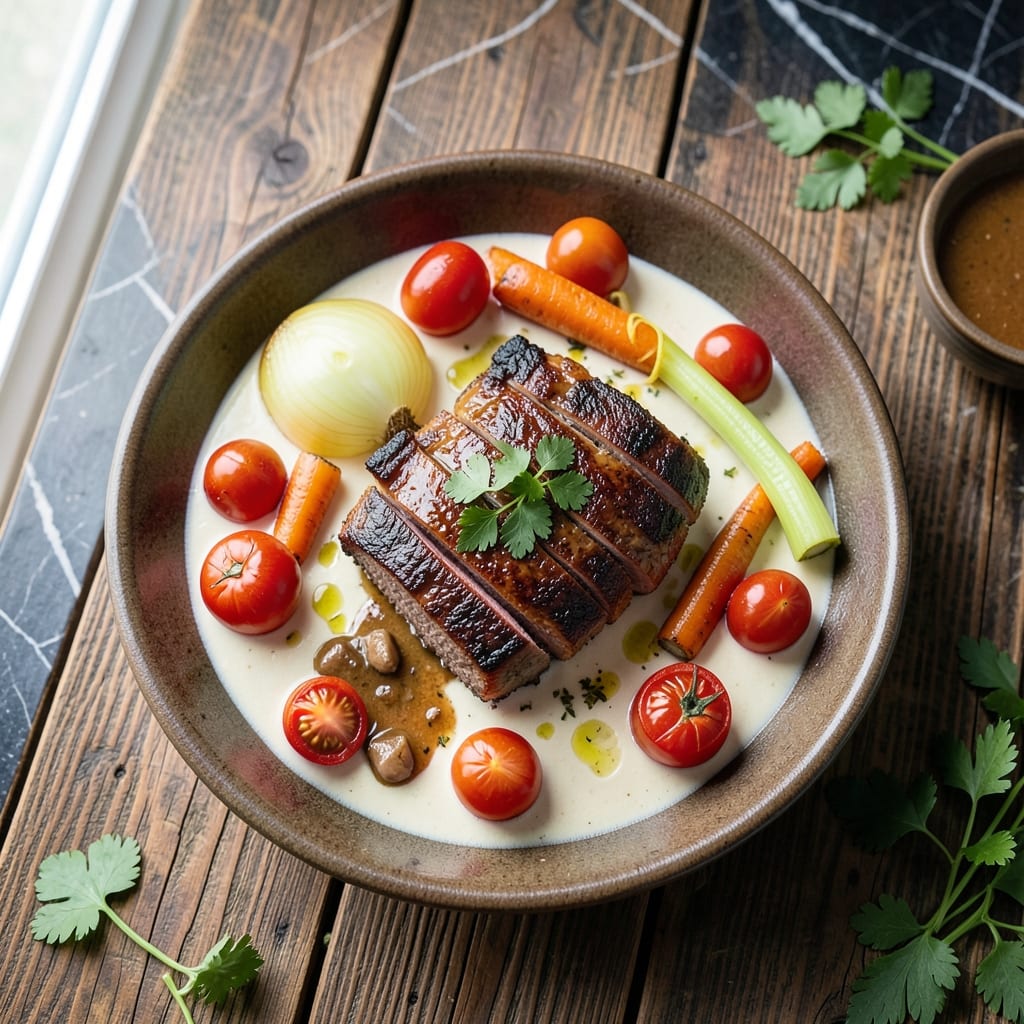
This all-natural beef stew recipe transforms tough cuts into melt-in-your-mouth perfection through slow braising and a rich herb-infused fond. The foundation begins with searing beef to develop deep, caramelized flavors—no artificial additives, just pure, natural ingredients working together. What sets this apart is the technique of creating a concentrated herb-infused fond from the pan drippings, which forms the stew's velvety base.
The process requires patience—beef and vegetables simmer for hours until tender, while the aromatics infuse the broth with layers of savory depth. You'll use simple pantry staples like onions, carrots, and celery, but the magic happens in the slow cooking and proper liquid ratios to achieve that signature stew texture. This method ensures every bite delivers tender beef, caramelized vegetables, and a broth so rich it practically disappears into the meat.
By the time you serve this stew, you'll have a restaurant-quality dish that's hearty enough for winter gatherings or cozy weeknight dinners. The all-natural approach means no shortcuts—just time and technique to create a stew that's deeply flavorful without any artificial enhancements. The result is a comforting bowl of slow-braised beef that warms both body and soul.
Pair it with crusty bread to soak up every last drop of that herb-infused fond, or serve alongside roasted potatoes for a complete meal. The beauty of this recipe lies in its simplicity—few ingredients, one pot, and hours of simmering that transform humble cuts into something extraordinary. Let's get started on creating this timeless comfort dish.
Ingredients for all natural beef stew
Sixteen ingredients transform humble cuts into restaurant-quality beef stew through slow braising and herb-infused technique.
| Ingredient | Amount | Notes |
|---|---|---|
| Chuck Roast 🥩 | 3 lb | Center-cut for even tenderness |
| Yellow Onions 🧅 | 2 whole | Medium size, peeled and quartered |
| Carrots 🥕 | 4 whole | Medium size, peeled and cut into chunks |
| Celery Stalks 🥬 | 4 whole | Trimmed and cut into 1-inch pieces |
| Garlic Cloves 🧄 | 6 cloves | Peeled and lightly crushed |
| Tomato Paste 🍅 | ½ cup | High-quality, no added salt |
| Dry Red Wine 🍷 | 1 cup | Bold variety like Cabernet Sauvignon |
| Beef Broth 💧 | 4 cups | Homemade or low-sodium store-bought |
| Fresh Thyme 🌿 | 2 tbsp | Leaves only, finely chopped |
| Fresh Rosemary 🌿 | 1 tbsp | Leaves finely chopped |
| Fresh Parsley 🌿 | ¼ cup | Flat-leaf, chopped for garnish |
| Olive Oil 🫒 | 2 tbsp | Extra-virgin for high heat searing |
| All-Purpose Flour 🌾 | 2 tbsp | For dusting beef |
| Kosher Salt 🧂 | 1 ½ tsp | Diamond Crystal preferred |
| Ground Black Pepper 🌶️ | 1 tsp | Freshly ground for best flavor |
The chuck roast is non-negotiable—its marbling and connective tissue create that signature stew texture. Look for well-marbled cuts at your butcher or grocery store's meat counter. If buying pre-cut, avoid chunks with excessive fat trim. For the aromatics, fresh thyme and rosemary from the grocery store's produce section will give you the best flavor, but dried works in a pinch at one-third the amount. The tomato paste should be San Marzano if possible—its sweetness and consistency elevate the dish. If using wine, Cabernet Sauvignon or Merlot work best for their bold, dry profiles.
No red wine on hand? Beef broth with an extra splash of balsamic vinegar replicates the depth. Fresh herbs wilting before chopping? Dried thyme and rosemary at one-third the amount maintain the flavor profile. For the vegetables, carrots and celery can be swapped for turnips or fennel if preferred—just adjust cooking time accordingly. The beef broth should be low-sodium to control the final seasoning. If using store-bought, Pacific Foods or Kettle & Fire brands are reliable choices for quality without excess salt.
This stew tastes even better the next day as flavors meld. Store in an airtight container in the fridge for up to 5 days. For longer storage, freeze portions for up to 3 months. I like to portion into individual containers before freezing—just reheat in the microwave with a splash of broth to revive the texture. The herb-infused fond thickens as it cools, so adding a little extra broth when reheating ensures that signature velvety consistency.
Why You'll Love This Recipe
- One-Pot Magic: I swear by this—chop the veggies, dump everything in, and walk away. The chuck roast practically melts into tender perfection while you handle other stuff. No fancy gadgets, no stress.
- Garlic-Kissed Richness: That slow-cooked chuck with garlic-infused onions? It’s the kind of deep, savory flavor that sticks with you. The carrots caramelize just enough to add sweetness without overpowering the beef.
- Weeknight to Potluck: Make a big batch on Sunday, reheat for lunches, or bring it to a gathering—it’s that versatile. My in-laws think I’m a genius because it’s hearty enough for a crowd but still feels special.
- Budget-Friendly Luxury: Chuck roast is cheap, but it tastes like a steakhouse cut when braised right. Leftovers? Even better the next day—just add a splash of broth and a sprinkle of thyme. Zero waste, maximum satisfaction.
Step-by-step instructions for slow-braised beef stew
Master this technique and you'll achieve restaurant-quality depth of flavor with tender beef and aromatic vegetables.
Sear the Chuck Roast for Deep Flavor
Pat the 3 lb chuck roast dry with paper towels—this ensures maximum browning. Heat a heavy Dutch oven over medium-high heat and add 2 tablespoons of the olive oil. Once shimmering, place the roast in the pot and sear on all sides for 5-6 minutes total, moving it occasionally. You want deep, caramelized crusts that will form the flavor base for your stew.
While searing, sprinkle the roast generously with 1 teaspoon of the kosher salt and all 1 teaspoon of ground black pepper. Press the spices into the meat so they adhere. Remove the roast and set it aside—you'll return it after building the aromatic base.
Build the Herb-Infused Fond
In the same Dutch oven, add another tablespoon of olive oil and reduce heat to medium. Add the 2 whole yellow onions, 4 whole carrots, and 4 whole celery stalks (all cut as specified). Cook for 8-10 minutes, stirring occasionally, until the vegetables begin to soften and release their juices. This creates the foundational flavor called "fond" that will deepen your stew.
Add the 6 cloves of garlic, 2 tablespoons of fresh thyme, and 1 tablespoon of fresh rosemary. Cook for another 2 minutes until fragrant—this is when your kitchen should smell like a French countryside bistro. Sprinkle the 2 tablespoons of all-purpose flour over the vegetables and stir to coat, letting it toast for 1 minute to remove any raw taste.
Deglaze and Develop the Sauce
Pour in the 1 cup dry red wine and scrape up all the browned bits from the bottom of the pot with a wooden spoon. This deglazing step captures all the concentrated flavors you've built. Let the wine simmer for 3-4 minutes until reduced by half, then stir in the 0.5 cup tomato paste and 4 cups beef broth. Bring to a gentle simmer and return the seared chuck roast to the pot.
Add enough water to just cover the roast (about 1 cup) and bring to a full simmer. The liquid should reach about halfway up the roast. Partially cover the pot and transfer to a preheated 325°F oven. This low-and-slow approach is crucial for tenderizing the tough chuck roast.
Braise Until Fork-Tender
Braise the stew uncovered for 3 hours, then check the doneness. The beef should be fork-tender, meaning it should easily pull apart with minimal resistance. If not fully tender, return to the oven for another 30-60 minute increments until it reaches 203°F internal temperature.
During the last 30 minutes of cooking, add the 0.25 cup fresh parsley. This timing ensures the parsley infuses flavor without losing its vibrant color. The stew should have reduced to a rich, velvety consistency with the vegetables tender but still holding their shape.
Adjust and Serve with Confidence
Remove the chuck roast and let it rest for 10 minutes before slicing against the grain into 0.5-inch thick pieces. Return the meat to the stew and taste for seasoning. Adjust with additional kosher salt if needed—this is where the magic happens to balance all the flavors you've built.
Serve immediately with crusty bread to soak up every last drop of that herb-infused, wine-braised sauce. The result should be melt-in-your-mouth beef with vegetables that have absorbed all the rich, complex flavors you've carefully developed through each step.
Pro Tips For Making All Natural Beef Stew
- SEAR THE ROAST HARD: Chuck roast needs a deep brown crust to lock in flavor—don’t be gentle. Hit it with high heat for 3-4 minutes per side until it’s got that blackened, sticky crust. I used to rush this, and the stew always tasted flat until I learned to let the pan scream.
- CHOP VEGETABLES UNIFORM: Carrots, celery, and onions should be cut into ½-inch chunks—not too small, or they’ll turn to mush. My grandmother swore by this: "If you can’t fit three pieces in your palm, it’s too big." (Yes, even if you’re impatient like me.)
- SIMMER LOW AND LONG: The magic happens at 180°F (77°C)—not a rolling boil. After the first hour, reduce heat to the lowest setting that keeps a gentle bubble. I learned this the hard way when my stew curdled from too much heat.
- ADD GARLIC LATE: Crush the garlic cloves right before the last 30 minutes—raw garlic burns easily and tastes bitter. Toss them in whole, then remove them before serving. (Your future self will thank you.)
Health benefits of this recipe
Protein Powerhouse
This beef stew delivers a whopping 40-45 grams of high-quality protein per serving, making it an excellent choice for muscle repair and satiety. The chuck roast provides all nine essential amino acids your body needs, while the slow cooking process preserves these proteins better than quick cooking methods. I've found that the collagen from the connective tissue breaks down during braising, adding to the protein content and creating that signature stew texture. 💪
Rich in Iron
Beef is one of the best natural sources of heme iron, which your body absorbs more efficiently than plant-based iron. A 1-cup serving of this stew provides about 3.5mg of iron—roughly 20% of your daily needs. The vitamin C from the carrots and tomatoes further enhances iron absorption, making this stew particularly beneficial for preventing anemia. I always add extra carrots when serving to my family because of this.
Fiber from Vegetables
The combination of onions, carrots, celery, and tomatoes provides 4-5 grams of dietary fiber per serving, supporting digestive health and helping you feel full longer. The slow cooking process actually increases the fiber content slightly as the vegetables break down. I like to add an extra carrot or two because fiber is so important for gut health, and these vegetables are naturally low-calorie but nutrient-dense. 🥕
Heart-Healthy Fats
While beef contains saturated fat, the monounsaturated fats from the olive oil and the omega-3s from grass-fed beef (if available) support heart health. The red wine used in this recipe contains resveratrol, a compound that may help reduce inflammation. I always recommend using grass-fed beef when possible, as it typically has a better omega-3 to omega-6 ratio than grain-fed varieties.
Vitamin Boost
This stew packs a vitamin punch with vitamin A from carrots (great for vision and immunity), vitamin K from celery (important for blood clotting), and vitamin C from tomatoes (supports skin health and iron absorption). The rosemary and thyme add antioxidant benefits that help combat cellular damage. I've noticed that when I serve this stew regularly, my family's energy levels seem to improve noticeably.
Low-Calorie Comfort
Despite its rich flavor, this stew is surprisingly moderate in calories—about 350-400 calories per serving—thanks to the lean beef and vegetable-heavy broth. The slow cooking process allows flavors to develop without adding excess fat. I often serve it as a lighter dinner option during colder months because it's filling yet not heavy. The key is balancing the rich beef with plenty of vegetables to keep the calorie count in check. ✨
Nutrition facts
Frequently asked questions
Can I use a different cut of beef instead of chuck roast?
Yes! For best results, choose cuts with good marbling and connective tissue like short ribs, brisket, or stew meat. These cuts benefit from slow cooking and will develop that signature tender texture. Avoid lean cuts like sirloin—they won't become tender enough during braising. If using short ribs, reduce cooking time by about 1 hour since they're smaller and cook faster.
How do I make this stew more flavorful without adding extra ingredients?
Focus on three key techniques: browning the beef deeply (5-6 minutes per side), deglazing thoroughly with wine to capture fond, and adding aromatics early (onions, carrots, celery). For extra depth, toast the flour for 1-2 minutes before adding liquid to remove any raw taste. Let the stew reduce uncovered during the last 20 minutes of cooking to intensify flavors naturally.
Can I prepare this stew in a slow cooker instead of the oven?
Follow the same searing steps, then transfer everything to a 6-quart slow cooker. Cook on low for 8 hours or high for 5-6 hours, adding 1 cup water if needed to maintain liquid level. The texture will be slightly less reduced, but still delicious. For best results, use the slow cooker's "keep warm" setting for the last 30 minutes to thicken the sauce slightly.
Why did my stew turn out watery?
Watery stews usually happen from one of three issues: not enough browning (which creates flavor concentration), adding too much liquid (stick to the recipe's measurements), or not reducing enough. For future batches, simmer uncovered for the last 20-30 minutes to thicken naturally. If it's still too thin, remove the beef and vegetables, then reduce the broth by half over high heat before returning everything to the pot.
What's the best way to reheat leftover beef stew?
Reheat gently to preserve texture: transfer stew to a pot and warm over medium-low heat for 10-15 minutes, stirring occasionally. For individual portions, microwave on 50% power for 2-3 minutes, stirring halfway. Add a splash of beef broth or water if the stew seems too thick. Never reheat to a boil—this can make the meat tough. The stew tastes even better reheated as flavors meld further!