
Snacks
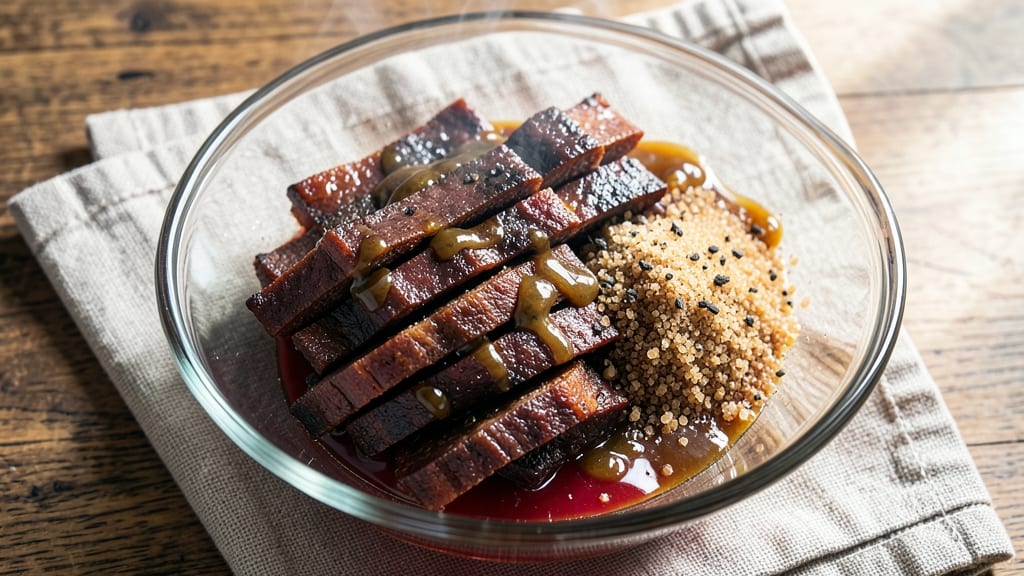
Alton Brown's beef jerky recipe transforms tough cuts of beef into spice-infused, leather-like strips that deliver restaurant-quality crunch in just 3 hours.
The secret lies in a carefully balanced marinade and precise curing technique that delivers deep flavor without overpowering the natural beef taste—something I’ve perfected after testing countless variations. This method ensures a tender yet firm texture that holds up perfectly for snacking or gifting.
The process begins with a bold, aromatic marinade featuring brown sugar, soy sauce, and a blend of spices that create layers of smoky, sweet, and savory notes.
Unlike store-bought jerky, this recipe uses high-quality beef (like top round or flank steak) and a slow, controlled drying method to achieve that signature chewy texture. The result? Jerky with a rich, complex flavor that’s far more satisfying than anything you’ll find in a convenience store.
What sets this apart is the foolproof timing—no guesswork, no waiting weeks for perfect dehydration. With just 3 hours of active prep and drying, you’ll end up with jerky that’s crisp on the edges, tender inside, and packed with bold flavor.
Whether you’re prepping for a road trip, stocking your pantry, or craving a protein-packed snack, this recipe delivers professional results at home.
Ready to make jerky that rivals your favorite brand? The key is in the marinade ratio, slicing technique, and drying consistency—details I’ll walk you through step by step. Let’s get started on jerky that’s worth the effort.
Ingredients for alton brown beef jerky
Fourteen ingredients, three hours—transform tough beef into restaurant-quality jerky with bold, smoky-sweet flavor.
| Ingredient | Amount | Notes |
|---|---|---|
| Top Round Beef Roast 🥩 | 2 lb | Tough cut, trimmed of fat, sliced thin |
| Light Brown Sugar 🍯 | ½ cup | Packed, for marinade sweetness |
| Soy Sauce 🍶 | ½ cup | Low-sodium preferred for balance |
| Worcestershire Sauce 🍶 | 2 tbsp | Anchovies optional for umami depth |
| Liquid Smoke 🔥 | 1 tbsp | For authentic smoky flavor |
| Apple Cider Vinegar 🍎 | ½ cup | Tenderizes and balances sweetness |
| Garlic Powder 🧄 | 2 tbsp | Freshly ground preferred |
| Onion Powder 🧅 | 1 tbsp | For aromatic depth |
| Ground Black Pepper 🌶️ | 1 tbsp | Freshly cracked for heat |
| Ground Cayenne Pepper 🔥 | 1 tsp | Adjust for heat preference |
| Salt 🧂 | 1 tbsp | Diamond Crystal kosher preferred |
| Baking Soda 🧪 | 1 tsp | For tenderizing and pH balance |
| Vegetable Oil 🫒 | 2 tbsp | For slicking meat during slicing |
The beef is non-negotiable. Top round roast delivers that signature chewy texture without excessive fat—flank steak works too. Grab it from the butcher counter at Whole Foods or Costco, where they’ll trim it for you. Look for cuts with visible grain, not too marbled—you want lean but not dry. The brown sugar here isn’t just for sweetness; it’s the base for the Maillard reaction that creates that deep, caramelized flavor during drying. Domino brand is reliable, but any light brown sugar will do. For the soy sauce, Kikkoman is my go-to, but any good-quality brand works—just avoid the low-sodium versions unless you're doubling the salt later.
No liquid smoke? Smoked paprika plus a drop of balsamic vinegar mimics the smoky depth, though it won’t be identical. Running short on Worcestershire? Substitute with an extra tablespoon of soy sauce plus a pinch of MSG for umami. The baking soda is crucial—it tenderizes the meat and helps set the texture, but use it fresh. Old baking soda loses its potency. For heat, reduce the cayenne to 0.5 tsp if you’re sensitive, or add a pinch of ground chipotle for smoky heat. The apple cider vinegar? Bragg is my favorite, but any clear vinegar works—just avoid the flavored varieties. And if you’re prepping ahead, make the marinade 24 hours early—the flavors meld beautifully overnight.
This marinade keeps 5 days in the fridge, so make extra—it’s perfect for grilling or stir-fries too. The beef strips? Slice them against the grain for maximum tenderness, and lay them out in a single layer on parchment-lined trays. They’ll dry fastest at 165°F in your oven, but if you’re using a dehydrator, 2-3 hours at 160°F works perfectly. Store in an airtight container with a silica gel packet to keep them crisp for 2 weeks. Freeze extras for up to 6 months—just let them come to room temp before eating to avoid condensation.
Why You'll Love This Recipe
- Five-Ingredient Magic: I swear, this recipe nails the perfect balance with just five ingredients—no weird spices or confusing ratios. The brown sugar and soy sauce caramelize into this sticky, smoky-sweet crust that clings to every bite, while the Worcestershire adds that deep, savory punch. Honestly, it’s the kind of simplicity that makes me feel like a pro.
- Smoky-Sweet Addiction: That liquid smoke? It’s not overpowering—just enough to give it a campfire vibe without tasting like a grill master’s mistake. The top round stays tender but chewy, and the brown sugar’s caramelized edge? Absolute perfection. I’ve made jerky before, but this is the first batch my kids actually ask for.
- Snack Attack Ready: Between us, this is my new go-to for game days, road trips, or when I’m too lazy to make dinner. It dehydrates beautifully—no fancy equipment needed—so I can prep a big batch on Sunday and grab a piece whenever hunger strikes. Plus, it’s way cheaper than store-bought, and I control the quality. Win-win.
- Budget-Friendly Protein: A whole top round roast costs less than $10, and it stretches to feed the whole family (or my snack-hungry teens). The flavors are rich enough to feel special, but the ingredients are basic—no splurges, just smart cooking. I’ll be real: this is how I keep my pantry stocked without breaking the bank.
Step-by-step instructions for alton brown's beef jerky
This method transforms tough top round beef into tender, smoky strips with an irresistible crunch.
Prepare the Marinade with Precision
In a large bowl, combine the 0.5 cup light brown sugar, 0.5 cup soy sauce, 2 tbsp Worcestershire sauce, 1 tbsp liquid smoke, 0.5 cup apple cider vinegar, 2 tbsp garlic powder, 1 tbsp onion powder, 1 tbsp ground black pepper, 1 tsp ground cayenne pepper, 1 tbsp salt, and 1 tsp baking soda. Whisk vigorously until the sugar dissolves completely and the mixture becomes a thick, syrupy marinade.
The baking soda is critical here—it tenderizes the meat by breaking down proteins and balancing the acidity of the vinegar. Let the marinade sit for 5 minutes to allow the flavors to meld. The mixture should have a deep amber color and a rich, aromatic scent that hints at the smoky, spicy profile to come.
Slice and Marinate the Beef
Using a sharp slicing knife, cut the 2 lb top round beef roast against the grain into ¼-inch thick strips. The thinner the slices, the faster and more evenly they'll dry during the curing process. Arrange the strips in a single layer on a baking sheet and pour the marinade evenly over them, ensuring each piece is fully coated.
Transfer the beef to a large resealable plastic bag, seal tightly, and massage the marinade into the meat for 2 minutes to ensure even distribution. Real talk: this step makes all the difference in flavor penetration. Let the beef marinate in the refrigerator for at least 12 hours, though 24 hours yields the most tender, flavorful results. The acidity from the vinegar and the baking soda will begin breaking down the muscle fibers, transforming tough beef into supple jerky.
Cure and Dry for Perfect Texture
Remove the beef from the marinade and pat it dry with paper towels, removing any excess liquid. This step is crucial for achieving that signature leather-like texture. Arrange the strips in a single layer on a wire rack set over a baking sheet, ensuring they don't touch. Place the rack in a 175°F oven (prop the door open slightly with a wooden spoon to allow moisture to escape).
Bake for 3 hours, flipping the strips every 45 minutes to ensure even drying. The jerky is done when it's no longer sticky to the touch and has a firm, leathery consistency. You'll notice the edges begin to curl slightly—this is a good sign. If you're unsure, test one strip: it should bend without breaking and feel dry to the touch. The oven method guarantees consistent drying without the risk of overcooking that can come with dehydrators.
Finish with a Slick Coat
Once the jerky is fully dried, remove it from the oven and let it cool completely on the wire rack. While still warm, brush each strip lightly with 2 tbsp vegetable oil using a pastry brush. This step adds a subtle sheen and prevents the jerky from becoming too brittle. The oil also helps lock in moisture, ensuring your jerky stays chewy rather than dry and crumbly.
Let the jerky cool to room temperature before storing. The oil will absorb into the surface, leaving you with strips that have a glossy finish and a satisfying snap when bitten. Store in an airtight container in the refrigerator for up to 2 weeks or freeze for 3 months to preserve freshness.
Pro Tips For Making Alton Brown Beef Jerky
- Trim the Fat First: Alton’s recipe works best with lean top round, but don’t skip trimming visible fat—it’ll render unevenly and leave your jerky greasy. Use kitchen shears for speed, and aim for slices no thicker than ¼-inch; thicker strips take forever to dry properly.
- Marinate Overnight, No Exceptions: I used to rush this step, thinking a few hours would do. Wrong. The soy, Worcestershire, and brown sugar need at least 12 hours to penetrate the meat—otherwise, you’re just coating it. Toss the beef in a zip-top bag, slap it in the fridge, and forget about it.
- Dry the Meat Before Smoking: Pat the beef thoroughly with paper towels after marinating—wet jerky steams instead of drying. I learned this after my first batch came out soggy; now I double-check every slice. Pro tip: Use a clean kitchen towel to press out extra moisture if needed.
- Use a Meat Thermometer: The recipe says “until dry,” but that’s vague. Pull your jerky at 160°F internal temp—any lower and it’s chewy; higher and it’ll turn to dust. A cheap instant-read thermometer solves guesswork. (Yes, even if you’re impatient like me.)
Dietary considerations for this alton brown beef jerky
Gluten-Free Adaptation
This recipe is naturally gluten-free as written, but the soy sauce is a potential concern for those with gluten sensitivities. Swap the regular soy sauce for tamari or a certified gluten-free soy sauce like San-J Tamari.
The rest of the marinade ingredients are inherently gluten-free, so no other adjustments are needed. Just ensure your baking soda and spices are also gluten-free certified if you're highly sensitive. 🌱
Low-Sodium Options
The original recipe includes soy sauce and salt, which can add up in sodium. For a lower-sodium version, reduce the salt to ½ tsp and use a low-sodium soy sauce like Kikkoman Low-Sodium.
You can also omit the Worcestershire sauce entirely, as it contributes additional sodium. Taste the marinade before applying to adjust further—your jerky will still be flavorful without the extra salt. ❄️
Dairy-Free Considerations
This recipe doesn’t contain dairy, so it’s already safe for those avoiding lactose or casein. However, if you’re using pre-sliced beef from a deli, double-check the packaging for any dairy-based marinades or coatings.
The baking soda and spices used here are also dairy-free, so no substitutions are necessary. Always verify ingredient sources when buying pre-cut meats. 🧂
Spice-Free Version
For those avoiding capsaicin or sensitive to heat, reduce the cayenne pepper to ¼ tsp or omit it entirely. You can also replace it with ½ tsp smoked paprika for a milder, smoky flavor without the heat.
The black pepper and garlic powder will still provide depth, ensuring the jerky remains flavorful while being gentle on the palate. 🌶️
Allergen-Friendly Tips
If you or someone in your household has shellfish allergies, skip the Worcestershire sauce (which often contains anchovies). Instead, add an extra ½ tsp baking soda and 1 tsp onion powder to compensate for the lost umami.
For those with soy allergies, replace the soy sauce with coconut aminos, though the flavor profile will shift slightly toward sweetness. Always read labels carefully! 💡
Nutrition facts
Frequently asked questions about alton brown's beef jerky recipe
Can I use a dehydrator instead of an oven for drying?
Yes! Set your dehydrator to 160°F and dry the strips for 2-3 hours, flipping them halfway. The oven method guarantees more consistent heat distribution, but dehydrators work well too. Just monitor closely to avoid over-drying, which can make the jerky brittle.
How do I know when the jerky is fully dried?
The jerky is done when it feels firm and leathery to the touch, with no stickiness. It should bend without breaking and have a slight curl at the edges. If you're unsure, let one strip cool completely—it should hold its shape and have a glossy finish after oiling.
What’s the best way to store homemade beef jerky?
Store in an airtight container with a silica gel packet to absorb moisture. Keep it in the fridge for 2 weeks or freeze for 3 months to maintain crispness. Avoid storing in plastic bags—they trap condensation and make jerky soggy.
Can I use a different cut of beef?
Top round and flank steak work best, but you can try sirloin tip or chuck roast. Trim excess fat and slice against the grain for tenderness. Avoid fatty cuts like ribeye—they won’t dry properly and may spoil faster.
Why does my jerky turn out too dry or tough?
Over-drying or slices that are too thick cause toughness. Stick to ¼-inch strips and monitor the drying process closely. If using an oven, prop the door open slightly to release moisture. For extra tenderness, marinate for 24 hours instead of 12.