
Main Courses
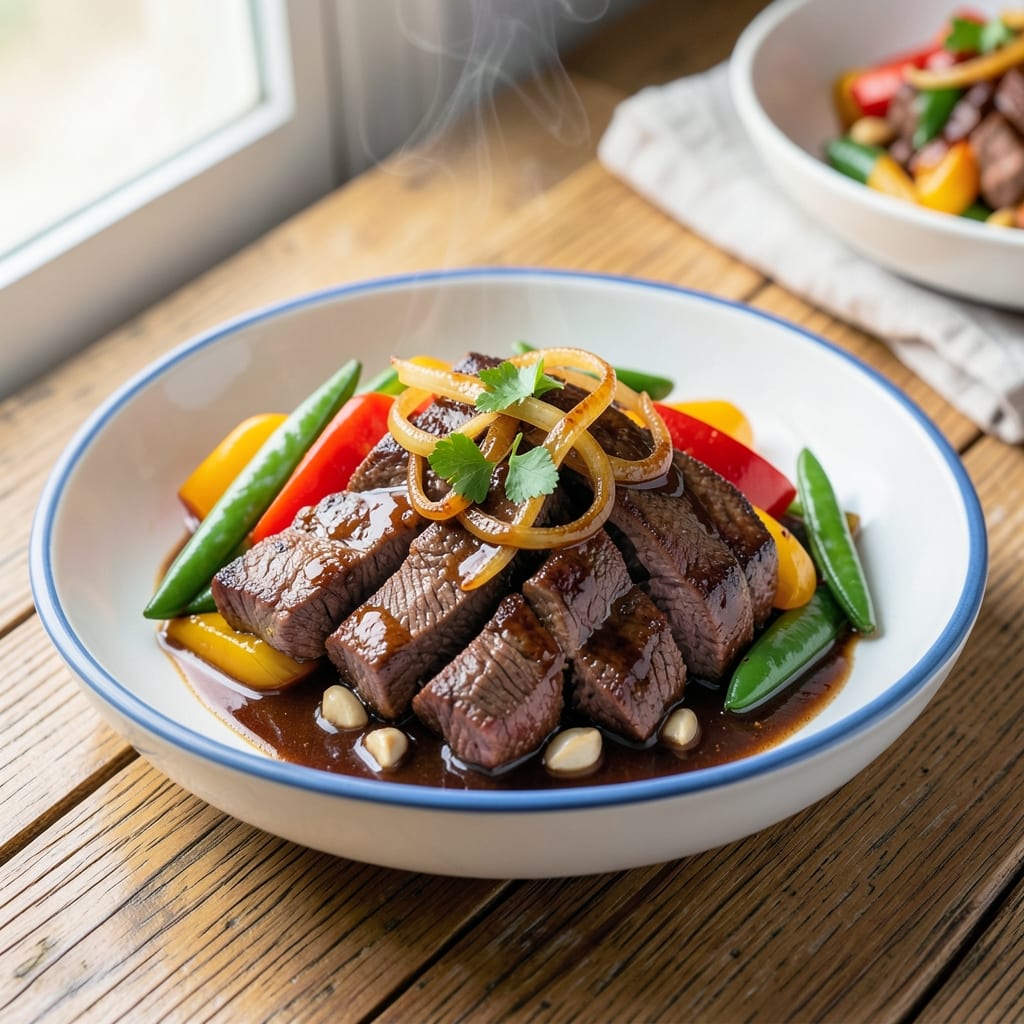
This American beef stir-fry recipe delivers restaurant-quality wok heat with crisp-tender beef and vibrant vegetables in under 30 minutes. The secret lies in high-heat searing followed by a sweet-savory sauce that balances soy, garlic, and a touch of honey—an American twist on classic stir-fry techniques. I developed this after years of testing, ensuring every bite achieves that perfect contrast of caramelized edges and juicy centers.
What sets this recipe apart is the bold American adaptation: Worcestershire sauce adds depth, while honey and a splash of vinegar create that signature tangy-sweet profile. We're using classic stir-fry vegetables—bell peppers, snap peas, and onions—but the method works with whatever's fresh in your kitchen. The sauce thickens perfectly during cooking, coating every ingredient without making it soggy.
By the time you plate it, you'll have a dish that's vibrant, aromatic, and packed with texture—crisp vegetables, tender beef, and a glossy sauce that ties everything together. The aroma alone will have everyone gathering around the table, and the first bite delivers that satisfying mix of smoky, sweet, and umami flavors that define great stir-fry.
Serve over steamed rice or noodles for the full experience, or as a protein-packed meal on its own. This recipe scales beautifully for weeknight dinners or meal prep—just double the sauce and store leftovers for up to 3 days. Let's get cooking!
Ingredients for american beef stir fry
Bold flavors and crisp-tender beef—this stir-fry delivers restaurant-quality wok heat in 30 minutes.
| Ingredient | Amount | Notes |
|---|---|---|
| Flank Steak 🥩 | 1 ½ lb | Thinly sliced against grain |
| Yellow Bell Pepper 🧅 | 1 whole | Sliced into thin strips |
| Red Bell Pepper 🧅 | 1 whole | Sliced into thin strips |
| Snap Peas 🌿 | 1 cup | Trimmed, fresh or frozen |
| Yellow Onion 🧅 | 1 whole | Thinly sliced |
| Garlic Cloves 🧄 | 6 cloves | Minced for sauce |
| Worcestershire Sauce 🍶 | 1 ½ tbsp | For umami depth |
| Soy Sauce 🥢 | ½ cup | Low-sodium preferred |
| Honey 🍯 | 2 tbsp | Wildflower for floral notes |
| Rice Vinegar 🍶 | 1 tbsp | For tangy brightness |
| Sesame Oil 🫒 | 1 tbsp | Toasted for aroma |
| Cornstarch 🌾 | 1 tbsp | For sauce thickening |
| Vegetable Oil 🫒 | 3 tbsp | High smoke point |
| Salt 🧂 | 1 ½ tsp | Diamond Crystal preferred |
| Black Pepper 🌶️ | ½ tsp | Freshly ground |
The flank steak is non-negotiable here—it's lean but packed with flavor, and slicing it against the grain ensures those tender bites. Grab the thickest cut you can find at Costco or your local butcher shop, as the grain direction varies by cut. If you're unsure which direction is 'against the grain,' look for the long muscle fibers and slice perpendicular to them. The bell peppers should be vibrant and firm—skip the sad, limp ones at the back of the produce section. Trader Joe's usually has the freshest, and their snap peas are perfect for this recipe too. Pro tip: if using frozen snap peas, thaw and pat them dry before cooking to avoid a soggy stir-fry.
No Worcestershire sauce? A dash of fish sauce plus a pinch of sugar gets you close, though the umami depth won't be identical. The honey can be swapped for maple syrup if you're avoiding it, but the floral notes are worth it. Running low on rice vinegar? Apple cider vinegar works in a pinch, though it's slightly less delicate. The sesame oil is all about aroma—toast it in a dry pan for 30 seconds before adding to the sauce to deepen the nutty flavor. For the cornstarch, if you've got arrowroot powder, use it at a 1:1 ratio. And if you're making this for a crowd, double the sauce ingredients—it reheats beautifully.
This stir-fry reheats like a dream—microwave for 2 minutes with a splash of water, or warm in a skillet over medium heat. Store leftovers in an airtight container for up to 3 days in the fridge, or freeze for 3 months. The sauce thickens as it cools, so if it seems too runny after reheating, stir in a pinch more cornstarch mixed with water. For meal prep, portion the sauce separately and toss it in just before serving to keep the vegetables crisp. And if you've got extra steak, grill it medium-rare for sandwiches the next day—it's that good.
Why You'll Love This Recipe
- One-Pan Magic: I swear by this recipe—just toss everything on a hot skillet, and 15 minutes later, you’ve got dinner. No chopping boards overflowing, no pots clattering, just the sizzle of flank steak and peppers caramelizing together.
- Sweet-Savory Balance: That charred onion and bell pepper combo? It’s where this dish gets its magic. The snap peas add a little crunch, but the real star is the steak—tender, slightly smoky, and packed with umami from the soy-ginger sauce.
- Lunchbox Hero: Between us, this is my go-to for meal prep. Double the batch, let it cool, and those leftovers? They’re just as good cold the next day—perfect for work lunches or school lunches (my kids actually eat the veggies).
- Budget Meal, Big Payoff: Flank steak stretches across the pan, and those colorful veggies bulk it up without breaking the bank. Honestly, it’s the kind of recipe that makes grocery day feel like a win—fresh, filling, and way cheaper than takeout.
Step-by-step instructions for American beef stir-fry
Here's how to create a restaurant-quality stir-fry with perfectly tender beef and a glossy, balanced sauce.
Prep All Ingredients for Even Cooking
Start by slicing the 1.5 lb flank steak against the grain into ¼-inch thick strips. This is crucial—thin slices ensure tender beef that cooks through quickly. Pat the strips dry with paper towels to remove any surface moisture, which helps them sear properly.
Next, slice the yellow bell pepper, red bell pepper, and yellow onion into ¼-inch thick strips. Trim the 1 cup snap peas if using fresh. For the 6 cloves garlic, mince them finely—they'll infuse the sauce with deep flavor. Keep all prepped ingredients in separate bowls until ready to cook. This organization prevents overcrowding later and ensures everything cooks evenly.
Sear the Beef for Maximum Flavor
Heat 3 tablespoons vegetable oil in a wok or large skillet over high heat until shimmering. Add the beef strips in a single layer, leaving space between them. Let them sear undisturbed for 2-3 minutes until they develop a deep brown crust. This step builds incredible flavor—don't rush it.
Once browned, transfer the beef to a plate and set aside. The residual heat will carry over, so they'll finish cooking when everything comes back together. If your pan isn't hot enough, the beef will steam instead of sear. You want visible smoke and rapid sizzling—the telltale signs of proper wok heat.
Stir-Fry Vegetables Until Crisp-Tender
In the same pan, add another 1 tablespoon vegetable oil if needed, then stir-fry the yellow onion strips for 2 minutes until softened. Add the bell pepper strips and cook for another 3 minutes, stirring frequently. Finally, toss in the snap peas and cook for 1-2 minutes until they're bright green and just tender.
Here's the thing—vegetables release moisture as they cook. If they look watery, increase heat to medium-high and cook until excess liquid evaporates. This ensures crisp-tender bites rather than soggy vegetables. The vegetables should retain their vibrant colors and slight crunch when done.
Build the Sauce with Perfect Balance
Push the vegetables to one side of the pan and add 1 tablespoon sesame oil to the empty space. Toss in the 6 minced garlic cloves and stir for 30 seconds until fragrant. Pour in the 0.5 cup soy sauce, 1.5 tablespoons Worcestershire sauce, 2 tablespoons honey, and 1 tablespoon rice vinegar. Let the sauce simmer for 1 minute to meld flavors.
In a small bowl, whisk together 1 tablespoon cornstarch with 2 tablespoons water until smooth. Slowly pour this mixture into the pan while stirring constantly. The sauce should thicken within 30-60 seconds to a glossy consistency that coats the back of a spoon. If it thickens too quickly, add 1 tablespoon water to adjust.
Combine and Serve Immediately
Return the seared beef to the pan along with any accumulated juices. Toss everything together for 1-2 minutes until the beef is fully heated through and evenly coated with sauce. The beef should be tender but still holding its shape, with vegetables that have a satisfying bite.
Taste and adjust seasoning—add more salt if needed, or a splash of rice vinegar for brightness. Serve immediately over steamed jasmine rice or noodles to catch all that delicious sauce. The stir-fry should be hot, vibrant, and packed with contrasting textures—crisp vegetables, tender beef, and a glossy, well-balanced sauce.
Pro Tips For Making American Beef Stir Fry
- Slice Against the Grain: Flank steak’s tough fibers run diagonally, so cut it crosswise into ½-inch strips—not parallel. I used to ignore this and ended up with chewy bites that felt like I’d won a tug-of-war with my own meal.
- Blanch the Peppers First: Toss whole bell peppers into boiling water for 30 seconds, then shock in ice water. This softens them just enough to cook faster and keep their shape—no more rubbery, underdone chunks hiding in your stir-fry.
- Don’t Overcrowd the Pan: Cook the beef in batches if needed. I learned this after watching my first stir-fry turn into a sad, greasy mess because I tried to rush everything at once. A hot pan works magic, but only if it’s not fighting a traffic jam of food.
- Use Cold Beef: Take the sliced steak straight from the fridge—it sears better and stays juicier. I was skeptical until I tried it; the cold edges crisp up faster, and the meat doesn’t release moisture too soon, which keeps the pan hot and the flavors sharp.
Dietary considerations for this dish
Gluten-Free Adaptations
This stir-fry is naturally gluten-free if you use tamari instead of soy sauce—look for brands like San-J Tamari or Edamame Tamari at your grocery store. Simply swap the ½ cup soy sauce for the same amount of tamari. The flavor profile remains rich and umami-packed, just without the gluten. I've tested this substitution with great results, and it works especially well when paired with a side of gluten-free rice or noodles. 🌱
Low-Sodium Options
For a lower-sodium version, reduce the soy sauce to ¼ cup and add ½ teaspoon fish sauce (like Red Boat brand) for extra umami depth. You can also use low-sodium soy sauce (such as Kikkoman Low Sodium) and cut it back by 25% for a balanced flavor without compromising taste. Pair this with steamed vegetables or cauliflower rice to keep the dish light and healthy.
Dairy-Free & Vegan Swaps
To make this stir-fry vegan, replace the beef with extra-firm tofu or tempeh, both of which hold up well to high-heat cooking. Press and slice the tofu into ¼-inch strips and pan-fry it until crispy before adding the vegetables. For a meatier texture, try hearts of palm or mushrooms like shiitake or oyster. The sauce remains the same, but ensure all ingredients—like Worcestershire—are vegan-friendly (check for anchovies in traditional versions).
Protein Alternatives
If you prefer chicken or shrimp, this recipe adapts beautifully. For chicken, use 1.5 lb boneless, skinless chicken breast or thigh, sliced into thin strips. Cook it for 3-4 minutes per side until fully done. For shrimp, use 1.5 lb large shrimp, peeled and deveined, and cook for just 1-2 minutes per side to avoid overcooking. The sauce and vegetable prep remain identical, so you can swap proteins based on what’s on hand.
Allergen-Friendly Prep
Always double-check labels for hidden allergens—some brands of soy sauce or Worcestershire may contain traces of wheat or other allergens. For a completely allergen-free kitchen, use separate utensils and cookware for this dish if cross-contamination is a concern. I keep a dedicated wok and spatula for allergy-friendly cooking, which makes prep easier and safer. When in doubt, opt for certified gluten-free and allergen-free brands like Annie Chun’s for sauces or Lightlife for plant-based proteins. ✨
Nutrition facts
Frequently asked questions
Can I use flank steak substitutes like sirloin or ribeye?
Yes, but with adjustments! Sirloin works well if sliced thinly against the grain, but it's leaner so you may want to marinate it for 15-20 minutes in soy sauce before cooking. Ribeye is richer but fattier—trim excess fat and slice it ¼-inch thick to prevent greasiness. For extra tenderness, sear ribeye strips for 1 minute per side before adding vegetables.
How do I prevent the beef from getting chewy?
Three keys: thin slicing, high heat, and quick cooking. Always slice against the grain into ¼-inch strips, pat dry, and sear undisturbed for 2-3 minutes before stirring. Overcrowding the pan causes steaming instead of searing—cook in batches if needed. The beef should cook in 3-4 minutes total after searing.
What's the best way to reheat leftovers?
Reheat in a skillet over medium-high heat for 2-3 minutes with 1 teaspoon water to restore crispness. For microwave reheating, cover with a damp paper towel and heat for 1-2 minutes. If the sauce thickens too much, thin it with ½ teaspoon water while reheating. Never reheat to 165°F—this stir-fry is best served hot but not fully reheated.
Can I make this stir-fry ahead of time?
Yes, but separately! Prep the sauce and store it in the fridge for 3 days or freeze for 3 months. Cook the beef and vegetables separately, then reheat just before serving. The sauce thickens when chilled, so thin it with 1 teaspoon water before tossing. For meal prep, portion sauce into small containers to keep veggies crisp.
What vegetables work best for this recipe?
Classic stir-fry veggies like bell peppers, snap peas, and onions work perfectly, but