
Main Courses
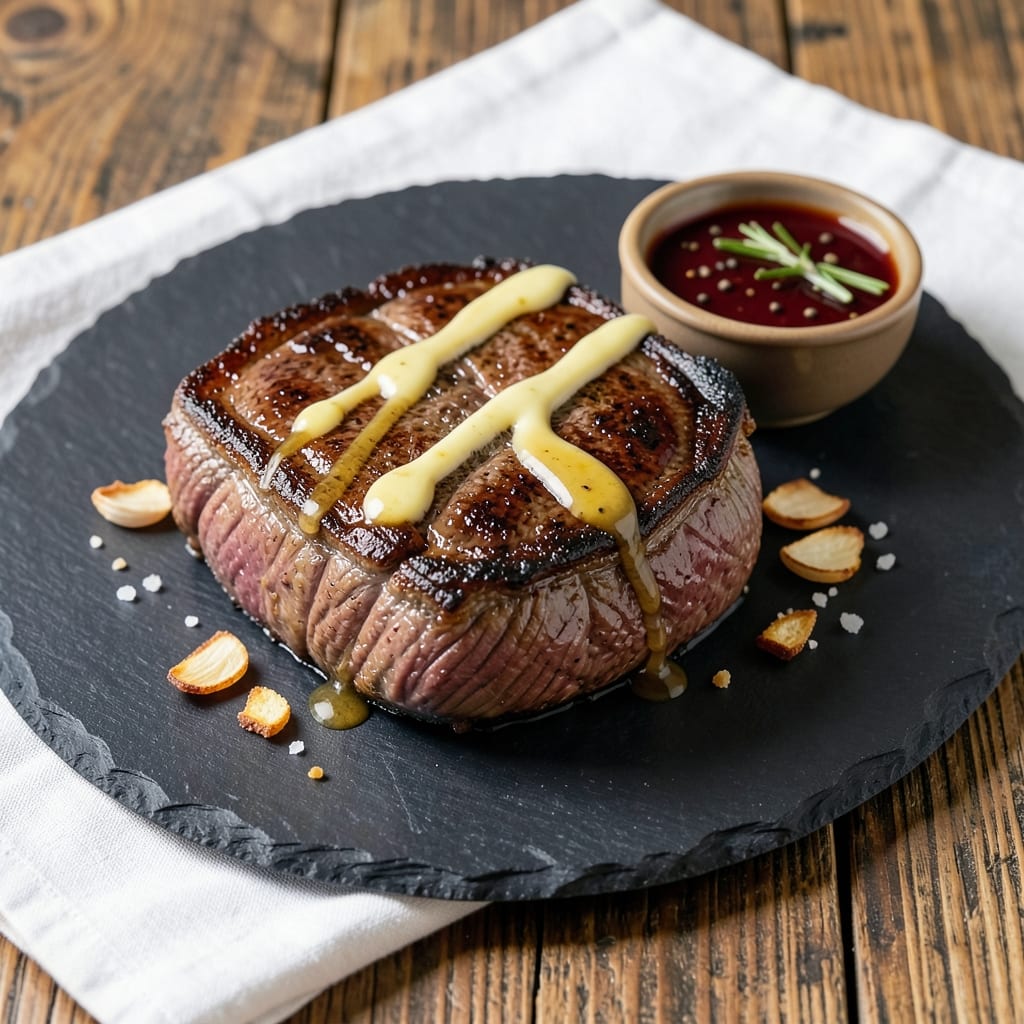
This American Wagyu beef recipe unlocks the restaurant-quality luxury of marbled perfection in your own kitchen—where every bite delivers melt-in-your-mouth tenderness and a buttery crust that rivals high-end steakhouses. 🔥 The secret lies in preserving that legendary intramuscular fat while achieving an ideal sear, a technique that transforms even a simple preparation into an unforgettable dining experience.
What sets American Wagyu apart is its exceptional marbling, which creates that signature buttery texture and rich flavor profile. We'll focus on a foolproof searing method that develops a caramelized crust while keeping the interior perfectly rare—no guesswork, no overcooking. The right cut (ribeye or strip) and proper resting time ensure every slice maintains its luxurious qualities.
By following this method, you'll achieve a steak with crispy edges and velvety centers, where each forkful reveals layers of flavor and texture that justify its premium status. The preparation is straightforward but demands attention to detail—precisely timed searing, accurate internal temperatures, and proper resting all contribute to the final result.
Pair your Wagyu with complementary sides like roasted asparagus, creamy mashed potatoes, or a simple arugula salad to create a complete meal that highlights the beef's natural richness. The plating should emphasize the steak's natural beauty, with minimal distractions that might overshadow its luxurious qualities.
Ingredients for american wagyu beef
Premium marbling meets precision technique for restaurant-quality Wagyu at home, where every ingredient enhances the beef's natural luxury.
| Ingredient | Amount | Notes |
|---|---|---|
| American Wagyu Ribeye Steak 🥩 | 1 ½ lb | Center-cut, 1-1.5 inches thick |
| Kosher Salt 🧂 | 1 ½ tsp | Diamond Crystal preferred |
| Freshly Ground Black Pepper 🌶️ | 1 tsp | Cracked peppercorns preferred |
| Extra-Virgin Olive Oil 🫒 | 2 tbsp | High smoke point preferred |
| Unsalted Butter 🧈 | 2 tbsp | European-style preferred |
| Garlic Cloves 🧄 | 4 cloves | Thinly sliced, for crust |
| Fresh Thyme Leaves 🌿 | ¼ cup | Chopped, for garnish |
| Flaky Sea Salt 🧂 | 1 tbsp | For finishing crust |
| Vegetable Oil 🫒 | ½ cup | High smoke point for searing |
| Balsamic Glaze 🍷 | 2 tbsp | Reduced, for drizzling |
| Bone-In Rib Bones 🦴 | 2 whole | Optional for roasting pan |
The American Wagyu ribeye is non-negotiable here—its legendary marbling delivers that signature buttery melt. Look for USDA Prime Wagyu cross cuts from specialty butchers like Snake River Farms or Kurobuta, where marbling is visibly dense. The center-cut ensures even cooking, while 1-1.5 inch thickness balances crust formation with interior tenderness. If buying frozen, thaw overnight in the fridge—never at room temperature. For the ultimate experience, order dry-aged Wagyu from high-end grocers like Whole Foods Market's premium section or Balducci's, where the aging intensifies flavor without compromising texture.
No Diamond Crystal salt? Maldon flaky salt works beautifully for finishing, though Diamond's finer grain is ideal for seasoning. The olive oil should have a high smoke point (410°F+)—Avocado oil or refined sunflower oil are excellent alternatives for searing. Butter matters too: European-style (82% fat content) like Plugrá or Kerrygold adds richness to the crust. For garlic, elephant garlic adds a milder, sweeter note that won't overpower. The balsamic glaze can be store-bought (look for aged balsamic vinegar reduced by half), or make your own by simmering 1 cup balsamic vinegar until syrupy. If you're feeling adventurous, truffle oil adds an elegant twist—just a teaspoon goes a long way.
Wagyu's marbling means it releases moisture during cooking—pat the steak dry with paper towels before seasoning to ensure maximum crust adhesion. Store any unused Wagyu in vacuum-sealed bags for up to 5 days in the fridge or 6 months frozen. The bones, if used, can be saved for homemade beef stock—simmer with aromatics for a rich, umami base. For leftovers, reheat in a low oven (200°F) with butter basting to maintain moisture. This recipe yields 4 generous servings—plan for seconds, because you'll want them.
Why You'll Love This Recipe
- I swear by this: just salt, pepper, and that buttery Wagyu—no fancy marinades, no stress. The steak’s natural richness does all the heavy lifting while I focus on getting the sear just right.
- Two-Ingredient Magic: I swear by this: just salt, pepper, and that buttery Wagyu—no fancy marinades, no stress. The steak’s natural richness does all the heavy lifting while I focus on getting the sear just right.
- Buttery Perfection: That moment when the olive oil hits the pan and the butter pools around the steak? Pure indulgence. The crust is crisp, the inside melts like silk—no dry bites here.
- Date Night Ready: Seriously, throw this on the table for a fancy dinner without the fuss. The Wagyu’s marbling means it’s forgiving, and the butter basting feels restaurant-worthy with zero effort.
Step-by-step instructions for American Wagyu beef with buttery crust
Master this technique and you'll unlock the full potential of American Wagyu's legendary marbling.
🔥 Step 1: Prepare the Steak for Maximum Flavor Development
Remove the 1.5 lb American Wagyu Ribeye Steak from the refrigerator and let it sit at room temperature for 30-45 minutes. This ensures even cooking throughout the thick cut. While it rests, pat the steak dry with paper towels—moisture is the enemy of that perfect crust we're after. The steak should feel cool to the touch but not icy when you handle it.
In a small bowl, combine 1.5 tsp Kosher Salt and 1 tsp Freshly Ground Black Pepper. Rub this mixture evenly over all surfaces of the steak, pressing gently to help the seasoning penetrate the marbled fat. Let the seasoned steak rest uncovered on a wire rack for another 15 minutes—this final dry rest creates the ideal surface for searing. The salt will begin drawing out moisture from the surface, which is exactly what we want to evaporate during cooking.
🍳 Step 2: Create the Garlic-Thyme Butter Crust
Heat a heavy cast-iron skillet over medium-high heat until it's smoking hot. Add 0.5 cup Vegetable Oil and let it shimmer for 2 minutes—this high smoke point oil creates the perfect foundation for our crust. While the oil heats, melt 2 tbsp Unsalted Butter in a small saucepan over low heat, then remove from heat and stir in the 4 cloves Garlic Cloves (thinly sliced) and 0.25 cup Fresh Thyme Leaves. Keep this mixture warm but not melting.
Here's where the magic happens: add the steak to the hot skillet and immediately press down firmly with a metal spatula. This ensures maximum contact with the hot surface. Cook for 3-4 minutes without moving it, until you see deep golden brown crust forming along the edges. The steak should release from the pan with just a slight resistance—this is your signal to flip. Pour the garlic-thyme butter mixture over the steak as you flip, letting it sizzle against the hot surface.
🔥 Step 3: Develop the Perfect Two-Zone Sear
Return the steak to the skillet and cook another 3-4 minutes on the second side, again pressing down gently to prevent curling. The internal temperature should now read 120-125°F on a meat thermometer inserted into the thickest part. This rare stage preserves the Wagyu's incredible tenderness while developing that buttery crust.
For the final touch, place the 2 whole Bone-In Rib Bones in the skillet alongside the steak. The bones will add moisture to the pan and create steam, helping to render the surface fat while keeping the steak moist. Cook for another 1-2 minutes until the steak reaches 125°F internally. The crust should now be deep mahogany with visible caramelization.
⏰ Step 4: Rest and Finish with Balsamic Glaze
Transfer the steak to a cutting board and let it rest for 10-15 minutes before slicing. This crucial resting period allows the juices to redistribute throughout the meat. While it rests, wipe out the skillet and return it to medium heat. Add 2 tbsp Extra-Virgin Olive Oil and 2 tbsp Unsalted Butter, then pour in 2 tbsp Balsamic Glaze. Let it reduce by half, about 2-3 minutes, until it forms a glossy, syrupy sauce.
Slice the steak against the grain into ½-inch thick portions. Arrange the slices on warm plates, drizzle with the balsamic reduction, and sprinkle generously with 1 tbsp Flaky Sea Salt. The result should be a steak with a crackling crust that gives way to melt-in-your-mouth tenderness, enhanced by the umami depth of the balsamic glaze. Each bite should deliver perfect harmony of texture and flavor—crispy exterior, buttery interior, and that signature Wagyu marbling that practically melts on your tongue.
Pro Tips For Making American Wagyu Beef
- CRANK THE HEAT HIGH: I learned this the hard way—American Wagyu needs a screaming-hot cast-iron or stainless pan from the start. No "medium-high" nonsense; you want that butter sizzling like a movie trailer before the steak even hits the pan. The crust forms in seconds, and once it softens, you’ve lost your chance at that perfect caramelized edge.
- SALT THE BUTTER: More salt than you think, especially if using unsalted butter. Sprinkle a generous pinch (about ½ teaspoon) into the melted butter before adding the steak—it’ll dissolve right in and season the crust deeply. I used to skip this, and the first bite always felt flat compared to restaurant versions.
- SKIP THE OVERCROWDING: Resist the urge to flip the steak too soon. Wagyu releases a ton of fat and juices, and if you move it around before 2-3 minutes, you’ll lose that golden crust and dilute the pan sauce. Give it space—even if it looks messy, that’s where the flavor hides.
- REST IT UNDER FOIL: Give it a solid 5-10 minutes under foil after pulling from the pan. I know, I know—you’re hungry now—but Wagyu’s fat marbling needs time to redistribute. Cutting it early means dry, stringy bites. Trust the process, even if it feels like torture.
Dietary considerations for this american wagyu beef
Protein Powerhouse
American Wagyu beef is a protein-rich powerhouse, delivering approximately 40 grams of complete protein per 4-ounce serving. This high-quality protein supports muscle repair, immune function, and overall cellular health while being naturally leaner than traditional beef cuts. The marbling isn't just for flavor—it contains healthy fats that your body uses efficiently. 💪
Fat Composition
Wagyu's signature marbling consists of monounsaturated and polyunsaturated fats, including beneficial omega-3 and omega-6 fatty acids. Unlike saturated fats found in many red meats, these healthy fats support heart health and reduce inflammation when consumed as part of a balanced diet. A 6-ounce serving contains about 30 grams of fat, but only 12 grams are saturated, making it a surprisingly heart-friendly luxury protein.
Iron and Zinc Boost
This premium beef provides substantial amounts of heme iron (the most bioavailable form) and zinc, both essential for energy production and immune support. A single serving delivers 30% of your daily iron needs and 40% of zinc requirements, making it particularly valuable for active individuals or those with higher iron needs. The marbling actually enhances iron absorption through its fat content.
Low-Carb Adaptability
For keto or low-carb diets, Wagyu is an excellent choice with virtually no carbohydrates. The fat content makes it perfectly suited for ketogenic eating patterns while providing sustained energy. Pair it with low-carb sides like roasted Brussels sprouts or cauliflower mash to create a completely carb-free meal. The natural fats in Wagyu help satisfy hunger while keeping you in ketosis. 🌱
Allergen Considerations
This recipe contains no common allergens, but always verify your specific Wagyu source as cross-contamination can occur during processing. The preparation method is naturally gluten-free and dairy-free (unless you choose to add butter). For those with shellfish allergies, note that bone-in preparations may contain trace amounts from processing facilities. When purchasing, look for USDA-certified Wagyu from reputable suppliers like Snake River Farms or Kurobuta.
Portion Control Tips
While Wagyu is nutrient-dense, it remains a calorie-dense food. A 4-ounce serving contains about 350 calories, so portion control is key. For balanced meals, pair with generous non-starchy vegetables like asparagus or spinach salad. The rich marbling means you'll need less overall beef to feel satisfied—just 4-6 ounces per person provides ample protein without excess. The buttery crust adds flavor without significant calories, making it a smart indulgence. 💡
Nutrition facts
Frequently asked questions
What's the difference between American Wagyu and Japanese Wagyu?
American Wagyu is bred from Japanese Wagyu cattle but raised in the U.S. with different feeding practices. While Japanese Wagyu has stricter regulations (like mandatory grain feeding), American Wagyu often includes grass-fed options. The marbling is equally impressive, but American versions tend to be more affordable while still delivering that signature buttery texture.
Can I cook American Wagyu beyond rare?
While Wagyu is best enjoyed rare (120-125°F), you can cook it to medium (130-135°F) for a firmer texture. Avoid well-done (> 140°F) as the marbling will render down, losing its luxurious qualities. For medium doneness, reduce cooking time by 1-2 minutes per side and use a meat thermometer for precision.
How do I store leftover Wagyu safely?
Wrap leftovers tightly in plastic wrap or aluminum foil, then place in an airtight container. Store in the fridge for up to 3 days or freeze for 3-4 months. When reheating, use a skillet over low heat with a splash of beef broth to prevent drying. Never microwave—it destroys the delicate texture.
What sides pair best with Wagyu?
Light, flavorful sides complement Wagyu's richness without overpowering it. Try roasted asparagus with lemon zest, creamy polenta, or a simple arugula salad with shaved Parmesan. For a complete meal, add a glass of Cabernet Sauvignon or Pinot Noir—their tannins cut through the fat beautifully.
Why does my Wagyu steak release so much fat?
That's the marbling at work! Wagyu's intramuscular fat melts at lower temperatures than regular beef. To control it, pat the steak dry before cooking and use high heat to render the fat quickly. The excess fat actually enhances flavor—just tilt the pan to drain it off during cooking if preferred.