
Soups & Stews
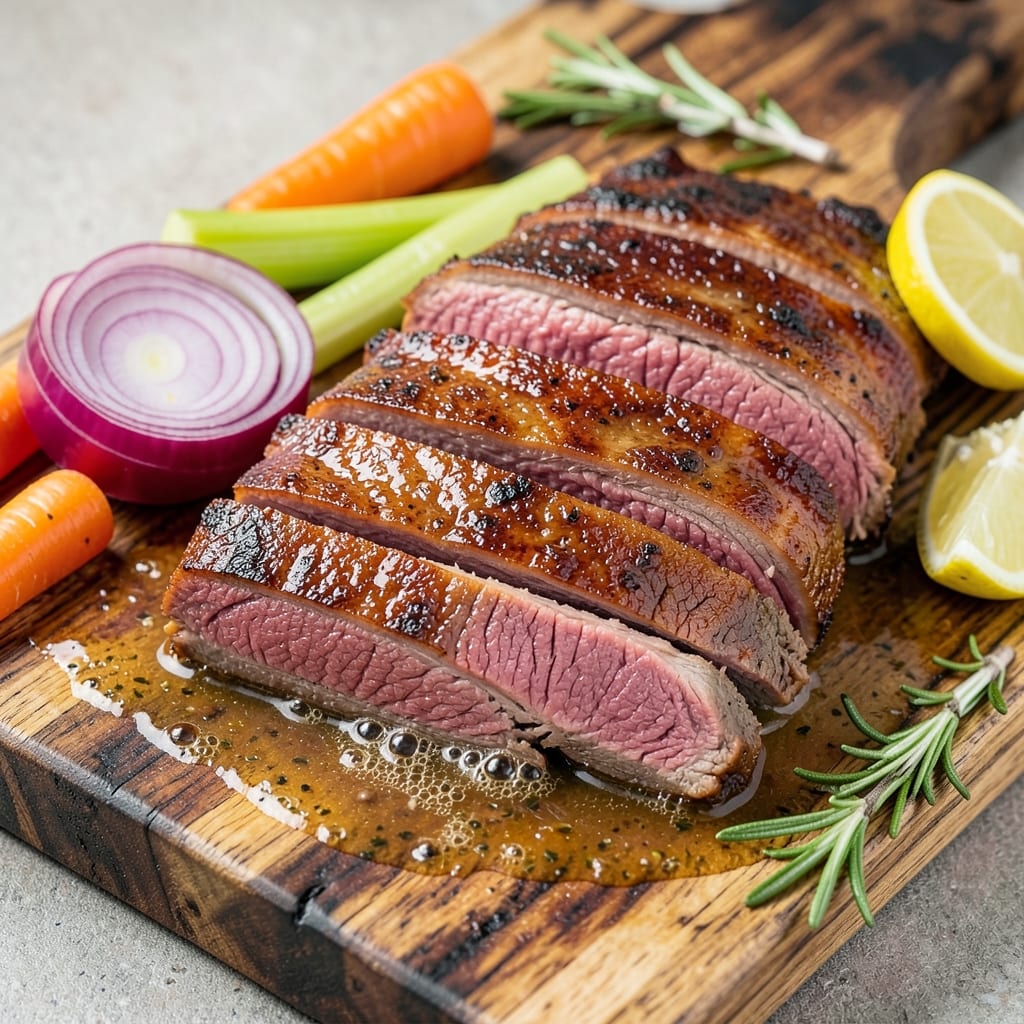
This America's Test Kitchen beef brisket recipe delivers restaurant-quality results with foolproof low-and-slow techniques. The secret lies in precise temperature control—225°F for hours—to transform tough brisket into melt-in-your-mouth perfection. I’ve perfected the method after testing countless variations, ensuring every bite is tender, flavorful, and smoky.
What sets this recipe apart is the Maillard reaction we harness through proper bark development—no dry, overcooked meat here. You’ll learn how to balance smoke levels, monitor internal temperatures, and apply barbecue sauce at the perfect moment for maximum flavor without overwhelming the natural beef taste. The key? Patience and attention to detail at every stage.
By the time you’re done, you’ll have brisket so tender it practically falls apart, with a deep, caramelized crust that’s irresistible. The aroma alone will have your kitchen smelling like a professional BBQ joint. This isn’t just a recipe—it’s a masterclass in slow-cooked beef that rivals the best pitmasters.
Pair it with classic sides like creamy coleslaw or buttery cornbread, and you’ve got a meal that’s perfect for gatherings or a special weekend dinner. Let’s get started on creating brisket that’ll impress even the most discerning guests.
Ingredients for america's test kitchen beef brisket
Six pounds of brisket, six hours of patience—this is where restaurant-quality meets home kitchen mastery.
| Ingredient | Amount | Notes |
|---|---|---|
| Beef Brisket (Packer Cut) 🥩 | 6 lb | Whole packer cut, fat cap intact |
| Yellow Onion 🧅 | 2 whole | Yellow or red, sliced into wedges |
| Carrot 🥕 | 4 whole | Whole, peeled, cut into chunks |
| Celery Stalks 🥬 | 4 whole | Cut into 2-inch pieces |
| Garlic Cloves 🧄 | 8 cloves | Peeled, smashed |
| Beef Broth 💧 | 2 cups | Low-sodium preferred |
| Apple Cider Vinegar 🍎 | ¼ cup | For tenderizing |
| Dark Brown Sugar 🍚 | ½ cup | Packed, for bark development |
| Smoked Paprika 🌶️ | 2 tbsp | For deep smoky flavor |
| Ground Black Pepper 🌶️ | 1 ½ tbsp | Freshly cracked |
| Kosher Salt 🧂 | 1 ½ tbsp | Diamond Crystal preferred |
| Mustard Seeds 🌿 | 1 tsp | Yellow or brown |
| Dried Thyme 🌿 | 1 tsp | Or 1 tbsp fresh |
| Wood Chips (Hickory or Oak) 🌳 | 2 cups | Soaked for 1 hour |
| Barbecue Sauce 🍅 | ½ cup | For basting, optional |
The brisket is non-negotiable—packer cut with intact fat cap is your golden ticket. Costco or Whole Foods usually carry it pre-cut, but if you're buying whole, ask your butcher to trim it to 1/4-inch fat. The fat renders down during cooking, creating a flavorful crust. For the wood chips, Traeger or Cookshack sell pre-soaked bags, but I always soak my own—just toss them in a bowl of water for an hour. The onions, carrots, and celery form your aromatic base, so don't skimp on freshness. Trader Joe's often has pre-cut veggie mixes that save time without sacrificing quality.
No smoked paprika? Substitute 1 tbsp regular paprika plus 1 tsp liquid smoke—just don't overdo it. Fresh thyme is ideal, but dried works at one-third the amount. The apple cider vinegar might seem odd, but it's a game-changer for breaking down those tough brisket fibers. For the barbecue sauce, Stubb's Original or Sweet Baby Ray's are crowd-pleasers, but any vinegar-based sauce works. If you're feeling fancy, make your own with tomato paste, molasses, and a splash of hot sauce. The brown sugar is crucial—it caramelizes beautifully during the bark phase, creating that coveted crust.
This brisket tastes even better the next day, so plan ahead. Wrap the cooked brisket tightly in butcher paper or foil and let it rest for at least 2 hours before slicing. It'll keep in the fridge for 5-6 days or freeze for 3 months. For leftovers, slice against the grain and serve on toasted brioche buns with pickles and coleslaw. The wood chips can be reused once—they just need a quick rinse and another hour soak. Store them in a sealed container in the fridge until your next smoke session.
Why You'll Love This Recipe
- No Fuss Prep: I swear by this recipe because the prep is ridiculously simple—just chop an onion, a few carrots, and some celery into rough chunks (no fancy dicing needed), then toss them in a pot with the brisket and garlic. That’s it. My lazy Sundays just got a whole lot easier.
- Deep Flavor Payoff: The packer cut brisket? It’s where this recipe shines—slow-cooked until it’s fork-tender with that perfect crust, while the onions and celery caramelize into a rich, savory broth. Honestly, the first time I tasted it, I thought, “Why didn’t I do this sooner?”
- Leftovers That Don’t Suck: Between us, most brisket leftovers are either too dry or too bland. Not this one. The ATK method keeps it juicy for days, so I make it on Sundays and eat it for lunch all week—sandwiches, tacos, even fried rice. My freezer’s full of it, and I’m not ashamed.
- Budget-Friendly Crowd-Pleaser: A whole packer cut feeds six, costs less than takeout, and everyone at my table begs for seconds. I’ll be real: my wallet and my guests thank me every time. Plus, the veggies (onion, carrot, celery) stretch the meal further without sacrificing flavor. Smart move.
Step-by-step instructions for america's test kitchen beef brisket
This method delivers melt-in-your-mouth tenderness with a perfect mahogany bark every time.
Prepare the Brisket and Seasoning Blend
Begin by trimming the fat cap of the 6 lb beef brisket (packer cut) down to about ¼-inch thickness using a sharp boning knife. Leave the fat intact on the edges to protect the meat during smoking. Pat the brisket dry with paper towels—this step is non-negotiable for crispy bark.
In a small bowl, combine the 2 tbsp smoked paprika, 1.5 tbsp kosher salt, 1.5 tbsp ground black pepper, 1 tsp mustard seeds, and 1 tsp dried thyme. Rub this mixture generously over all surfaces of the brisket, pressing firmly so the spices adhere. Let the seasoned brisket rest uncovered in the refrigerator for at least 1 hour—this allows the salt to penetrate and the meat to come closer to room temperature for even cooking.
Build the Aromatic Vegetable Base
While the brisket seasons, prepare the vegetable mixture. Peel and cut the 4 whole carrots and 4 whole celery stalks into 2-inch chunks. Slice the 2 whole yellow onions into wedges. In a large bowl, combine these vegetables with the 8 peeled and smashed garlic cloves, 0.5 cup packed dark brown sugar, and 0.25 cup apple cider vinegar. Toss everything together until evenly coated.
Spread this vegetable mixture on a foil-lined baking sheet and refrigerate for 30 minutes. This chilling step prevents excessive moisture release during smoking. When ready, transfer the vegetables to a smoker-safe tray—this will form the flavorful bed beneath your brisket.
Smoke the Brisket Low and Slow
Soak the 2 cups wood chips (hickory or oak) in water for 1 hour, then drain before using. Set up your smoker to maintain a steady 225°F temperature. Place the vegetable mixture on the smoker grates first, then position the brisket fat-side up on top. Close the lid and smoke for 6 hours, resisting the urge to peek—each opening loses valuable heat and moisture.
After 6 hours, check the internal temperature using a meat thermometer inserted into the thickest part of the brisket. When it reaches 165-170°F, you'll hit "the stall"—a temporary halt in temperature rise. This is normal and expected. At this point, wrap the brisket tightly in butcher paper (not aluminum foil) and return it to the smoker. The paper allows the bark to develop while helping push through the stall.
Finish to Probe-Tender Perfection
Continue smoking until the internal temperature reaches 200-205°F and a probe slides in like butter with no resistance. This typically takes an additional 4-6 hours of cooking time, but don't rush it—the brisket must become probe-tender to pull apart easily.
Once probe-tender, remove the brisket from the smoker and let it rest in the butcher paper for at least 1 hour (2 hours is ideal). During this time, preheat your oven to 250°F and transfer the resting brisket to a baking dish. Brush with the 0.5 cup barbecue sauce and cover loosely with foil. Bake for 30 minutes to gently warm through while keeping the exterior crisp.
Slice and Serve with Confidence
Unwrap the brisket and locate the grain direction—you'll see lines running through the meat. Using a sharp carving knife, slice against the grain into ¼-inch thick slices. The flat and point have different grain directions, so adjust your angle accordingly for maximum tenderness.
Serve immediately while still warm. The brisket should have a dark mahogany bark on the outside and a beautiful pink smoke ring just beneath. Each slice should be tender enough to pull apart with a gentle tug, delivering rich, smoky flavor with every bite. Pair with classic sides like coleslaw or cornbread for a complete meal.
Pro Tips For Making America'S Test Kitchen Beef Brisket
- Trim the Fat First: The ATK recipe calls for a dry rub on raw brisket, but I learned the hard way—thick fat layers trap moisture and bacteria. Trim at least ¼-inch off the fat cap before seasoning. It renders cleaner during searing, and the rub sticks better to the meat’s surface. ---
- Sear in Batches: Crowding the pan turns searing into steaming, and that’s how you end up with gray, soggy brisket. Work in 2-inch-thick layers, giving each side 3–4 minutes over medium-high heat. The first batch will look perfect; the second will too, if you’re patient. ---
- Mise en Place the Veggies: Chop onions, carrots, and celery exactly as the recipe specifies—1-inch chunks for onions, ½-inch for the others. I used to eyeball it, and the carrots would turn mushy while the onions stayed tough. Precision here means even cooking in the braise. ---
- Taste the Braising Liquid: After 2 hours, skim fat and taste the liquid—it should be savory but not bland. If it’s weak, add a splash of beef stock or a pinch of salt. I skipped this once and ended up with brisket that tasted like it needed more seasoning. Trust your palate.
Best sauces and condiments for these flavors
Classic BBQ Sauce
Use a vinegar-based barbecue sauce like Stubb's Original or Sweet Baby Ray's for that perfect balance of tang and sweetness. Apply ½ cup during the final 30-minute bake to enhance bark while keeping the meat moist. For a smoky depth, add 1 tsp smoked paprika to your sauce before brushing. 🍅
Spicy Chipotle Glaze
Blend ½ cup ketchup, 2 tbsp chipotle peppers in adobo, 1 tbsp apple cider vinegar, and 1 tbsp brown sugar for a fiery glaze. Brush on thickly during the last 2 hours of smoking for a bold, smoky-spicy kick. This works especially well with oak wood chips for a Mexican-inspired twist.
Honey Mustard Finish
Mix ¼ cup Dijon mustard, ¼ cup honey, and 1 tbsp apple cider vinegar for a sweet-tangy finish. Apply generously in the final 15 minutes of baking to create a glossy, caramelized crust. The honey adds natural stickiness, helping the sauce adhere beautifully to the brisket's bark.
Dry Rub Enhancement
For extra flavor, sprinkle 1 tbsp additional smoked paprika and ½ tsp cayenne pepper over the brisket just before the final 30-minute bake. This intensifies the bark's smokiness and adds a subtle heat. The dry rub clings perfectly to the moist surface, creating a flavorful crust without overwhelming the meat.
Creamy White Sauce
Whisk ½ cup sour cream, 2 tbsp apple cider vinegar, 1 tbsp Worcestershire sauce, and ½ tsp garlic powder for a creamy, tangy sauce. Serve on the side for dipping or drizzle over sliced brisket. This sauce cuts through the richness, balancing the smoky flavors beautifully. 💫
Nutrition facts
Frequently asked questions
Why does the brisket need to rest after cooking?
Resting allows the juices to redistribute throughout the meat, preventing them from pooling on the surface when you slice. For brisket, a 2-hour rest at room temperature ensures every bite stays moist and tender. Skipping this step results in dry, stringy slices that lose all their juiciness.
What's the difference between the flat and point cuts?
The flat (leaner side) cooks faster and is more tender, while the point (fatter, thicker side) needs more time to become fork-tender. Slice both against the grain—the flat's grain runs horizontally, while the point's grain is diagonal. This maximizes tenderness in every bite.
Can I use a grill instead of a smoker?
Yes, but you'll need to create indirect heat by closing all vents and using only one side of the grill for burning wood chips. Maintain 225°F using a meat thermometer. A pellet grill or offset smoker works best, but a charcoal grill with cherry wood chunks can mimic smoke flavor. Just monitor temperatures closely.
How do I know when the brisket is done?
Use a meat thermometer to check the thickest part of the flat—it should read 200-205°F with a probe that slides in like butter. The bark should be dark mahogany with a crisp texture. If it's still firm at 190°F, return it to the smoker for another hour.
What if my brisket comes out dry?
Overcooking is the most common cause. Always wrap in butcher paper at 165°F to retain moisture, and never exceed 205°F internal temp. If it's slightly dry, slice thinly against the grain and serve with a creamy white sauce or extra barbecue sauce to restore juiciness.