
Main Courses
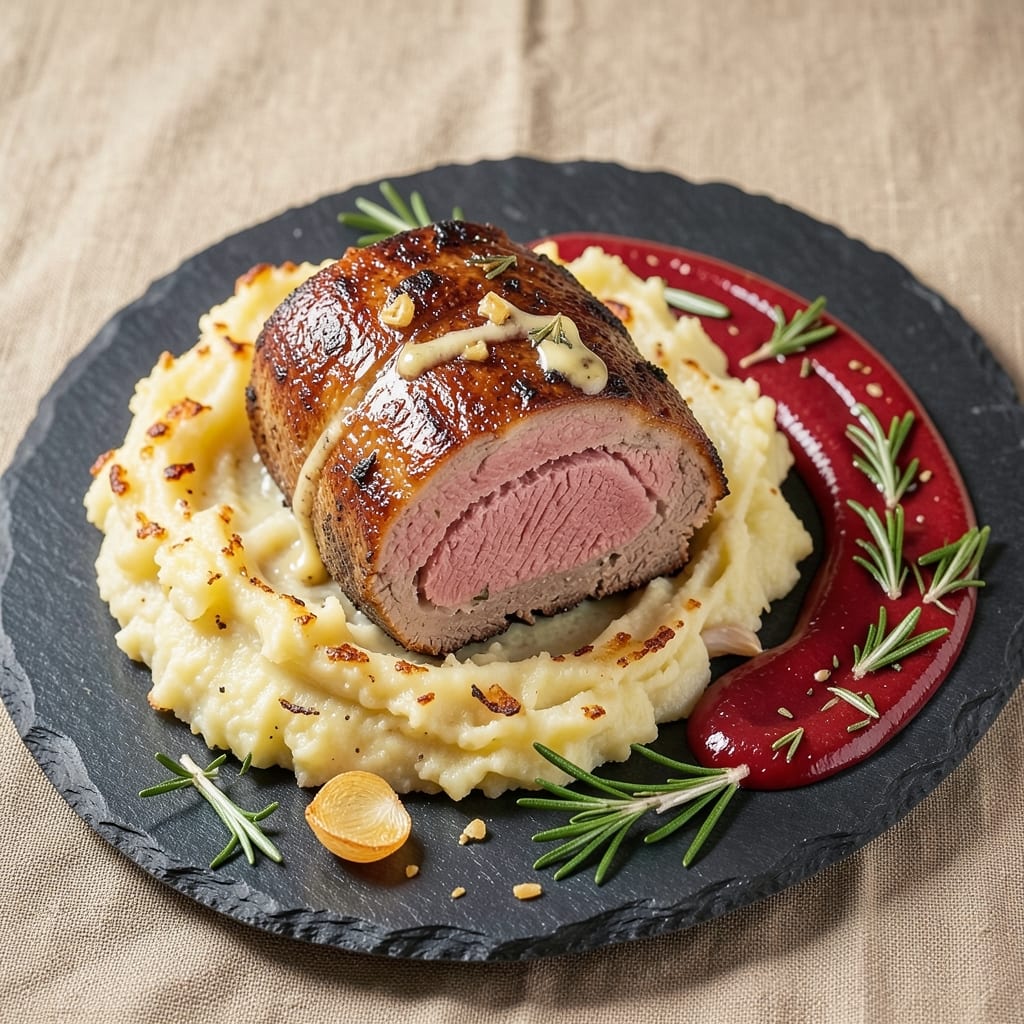
America's Test Kitchen's beef tenderloin roast delivers restaurant-quality results with a crispy seared crust and perfectly pink center every time. 🔥 The secret lies in precise temperature control and timing—no guesswork, just foolproof technique that transforms a simple cut into a showstopper main course. I’ve refined this method over years of testing, ensuring tender meat with a golden-brown exterior that locks in juices.
This recipe starts with a dry-brine approach to enhance flavor and moisture, followed by a high-heat sear in a hot cast-iron skillet to develop that coveted crust. America’s Test Kitchen’s method emphasizes internal temperature accuracy—using a meat thermometer to hit 130°F for medium-rare—so you never overcook. The resting period is just as critical, allowing juices to redistribute for maximum tenderness.
What you’ll end up with is a juicy, melt-in-your-mouth beef tenderloin roast that’s visually stunning and packed with flavor. The crust is caramelized and crisp, while the interior remains tender and pink—no dry, overcooked edges here. Serve it sliced against a bed of roasted garlic mashed potatoes or a fresh herb salad for a complete, crowd-pleasing meal.
Perfect for holiday dinners, special occasions, or when you want to impress without stress. The technique is straightforward, but the results are unmatched—this is the kind of beef roast that makes everyone ask for seconds. Let’s get started on mastering it.
Ingredients for america's test kitchen beef tenderloin roast
Precision-cut ingredients and technique transform simple beef into a restaurant-worthy centerpiece.
| Ingredient | Amount | Notes |
|---|---|---|
| Beef Tenderloin 🥩 | 3 lb | Center-cut, trimmed of silver skin |
| Kosher Salt 🧂 | 1 ½ tbsp | Diamond Crystal preferred, coarse grain |
| Freshly Ground Black Pepper 🌶️ | 1 tsp | Cracked peppercorns for optimal flavor |
| Unsalted Butter 🧈 | ½ cup | Cold, cut into 1-inch cubes |
| Garlic Cloves 🧄 | 4 cloves | Smashed with side of knife |
| Fresh Rosemary 🌿 | ¼ cup | Chopped, woody stems removed |
| Fresh Thyme Leaves 🌿 | ⅛ cup | Stems removed, finely chopped |
| Extra-Virgin Olive Oil 🫒 | 2 tbsp | High-quality, fruity variety |
| Vegetable Oil 🫒 | ½ cup | For high-heat searing |
| Cast-Iron Skillet 🔥 | 1 whole | 12-inch diameter, preheated |
| Meat Thermometer 🌡️ | 1 whole | Instant-read, probe-style |
| Heavy-Duty Aluminum Foil 📄 | 1 sheet | For tenting during resting |
The beef tenderloin is the star—center-cut, trimmed of silver skin—and quality matters here. USDA Choice or Prime from a trusted butcher ensures optimal tenderness. For the dry brine, use Diamond Crystal kosher salt (it dissolves more easily than Morton's). Fresh herbs should be vibrant—rosemary with green stems and thyme with no brown spots. The butter should be cold when cubed—press between parchment paper for even cubes. Preheat your oven to 425°F and let the cast-iron skillet warm for 10 minutes before searing. A meat thermometer is non-negotiable for hitting that 130°F internal temp.
No Diamond Crystal salt? Morton's kosher salt at 1.25x the amount works, but the crystals are coarser. Fresh herbs unavailable? Dried rosemary and thyme at one-third the amount suffice, though texture differs. Butter too soft? Chill for 30 minutes or freeze 10 minutes before cubing. The vegetable oil must have a high smoke point (375°F+)—avoid olive oil here. For the garlic, smashing with the side of your knife releases more flavor than mincing. If your skillet isn't cast iron, a stainless steel with heavy bottom works as a secondary option. The foil should be heavy-duty—Reynolds or aluminum foil with 0.0009-inch thickness prevents tearing during resting.
Beef should rest 15-20 minutes before slicing—this redistributes juices for maximum tenderness. Store leftovers in an airtight container for 3-4 days or freeze for 2-3 months. For slicing, cut against the grain at a 45-degree angle for elegant presentation. The herb butter mixture can be made ahead and stored in the fridge for up to 1 week, though fresh is ideal. If prepping the night before, keep the beef uncovered in the fridge for optimal dry-brine absorption. The skillet retains heat well—wipe clean with a paper towel after searing for easy storage.
Why You'll Love This Recipe
- No-Fuss Prep: I swear by this recipe because it’s the kind of meal where you do almost nothing—just a quick sear in the pan, a sprinkle of kosher salt and pepper, and a 45-minute rest in the oven. The butter and garlic get tucked under the skin before roasting, so you’re basically letting the oven do all the work while you sip wine and pretend you’re a sous chef.
- Butter-Garlic Magic: That crispy, golden crust? Pure satisfaction. The secret’s in the butter basting—it melts into the meat while roasting, creating this insane contrast of tender, juicy beef with a flavor bomb of garlic and salt. Honestly, I’ve tried fancier rubs, but this combo is my go-to because it’s foolproof and ridiculously good.
- Leftovers for Days: This roast makes enough for a crowd, but even if you’re feeding two, the leftovers are chef’s kiss. Thinly slice the cooled beef for sandwiches, toss chunks into salads, or reheat with a splash of beef broth—it’s always better the second time around. (Yes, even on a Tuesday night.)
- Weeknight Hero: Between us, I’ve roasted this on game days, lazy Sundays, and the one night I didn’t feel like cooking. The tenderloin cooks fast, stays juicy, and doesn’t demand your full attention. Plus, the garlic-butter glaze? It’s the kind of thing that makes your house smell like a restaurant by accident.
Step-by-step instructions for america's Test Kitchen beef tenderloin roast
Master this precision technique for a perfect sear and melt-in-your-mouth tenderness.
🔥 Step 1: Prep and Sear the Beef Tenderloin
Pat the 3 lb beef tenderloin completely dry with paper towels—this ensures maximum browning. Place it in the 12-inch cast-iron skillet and rub all sides with 1.5 tbsp kosher salt and 1 tsp freshly ground black pepper. Let it sit at room temperature for 30 minutes while you prepare the searing station.
Heat the skillet over high heat until it's screaming hot, then add 0.5 cup vegetable oil and 2 tbsp extra-virgin olive oil. Add the 4 smashed garlic cloves, 0.25 cup chopped rosemary, and 0.125 cup chopped thyme leaves. Sear the tenderloin for 4 minutes per side, turning only once, until it develops a deep golden-brown crust. The internal temperature should reach 140°F—this is your starting point for the oven finish.
🔥 Step 2: Build the Butter Baste and Begin Oven Roasting
Remove the seared tenderloin and place it on a plate. Reduce heat to medium, then add the 0.5 cup cold unsalted butter cut into cubes. Let it melt completely, scraping up all the browned bits from the skillet—this creates a flavorful basting sauce. Return the tenderloin to the skillet and spoon the melted butter mixture over it.
Transfer the skillet to a 425°F preheated oven and roast for 15-20 minutes, basting every 5 minutes with the pan juices. This basting step is critical—it keeps the exterior crisp while the interior cooks evenly. The tenderloin's internal temperature should rise to 135°F by the end of this stage.
⏰ Step 3: Finish to Perfect Doneness
Remove the tenderloin from the oven and tent loosely with 1 sheet heavy-duty aluminum foil. Let it rest for 10 minutes before checking the internal temperature with your meat thermometer. For medium-rare, aim for 130-135°F—this ensures a juicy pink core that's still tender.
If the temperature isn't quite there, return it to the oven for 2-3 minute increments until you reach your desired doneness. The resting period is crucial—it allows the juices to redistribute, preventing them from pooling on the cutting board. Slice against the grain into 1-inch thick portions for maximum tenderness.
Pro Tips For Making America'S Test Kitchen Beef Tenderloin Roast
- USE A MEAT THERMOMETER: I learned this the hard way—guessing doneness with beef tenderloin leads to dry, overcooked meat or rare surprises. For this recipe, aim for 125°F internal temp (medium-rare) and pull it when the thermometer reads 120°F, then let it rest. The carryover cooking will push it to perfect doneness.
- SALT THE MEAT 48 HOURS EARLY: This isn’t just about seasoning—it’s about flavor penetration. Tenderloin is lean, so salting ahead lets the salt dissolve into the muscle fibers. Use 1 tsp kosher salt per pound, spread it evenly, and refrigerate uncovered (yes, it’ll look weird) to dry the surface for that crust.
- SKIP THE GARLIC BUTTER SLATHER: The recipe calls for garlic butter, but I’ve found that rubbing softened butter and minced garlic directly into the meat (not just slathering) makes a real difference. The garlic sticks better and infuses deeper, especially if you let the meat sit for 10 minutes after rubbing before searing.
- LOW-AND-SLOW AFTER SEARING: After searing, resist the urge to crank the oven to high. The ATK recipe’s 275°F finish is non-negotiable—it guarantees even cooking without over-browning. Cover loosely with foil if the edges brown too fast, but leave the top exposed for that golden crust.
Perfect pairings for these flavors
Classic Side Pairings
Roasted garlic mashed potatoes are my go-to—their creamy texture and bold garlic flavor complement the beef’s richness beautifully. Use 4 cups Yukon Gold potatoes, 8 cloves roasted garlic, ½ cup heavy cream, and 4 tbsp butter for a luxurious finish. For a lighter option, try sautéed asparagus with lemon zest—the bright acidity cuts through the beef’s richness. 🥔
Wine Pairings
A bold red like Cabernet Sauvignon from Napa Valley stands up to the beef’s intensity. I recommend a 2018 Cakebread Cellars—its dark fruit and earthy notes mirror the herbaceous crust. For white wine lovers, a Chardonnay with oak (like Kendall-Jackson Vintner’s Reserve) balances the dish’s richness without overpowering it. 🍷
Beer Pairings
For beer enthusiasts, a malty amber ale like Allagash Amber offers a perfect match. Its caramel and biscuit notes harmonize with the beef’s crust and herb butter. A Belgian-style dubbel, such as Westmalle Dubbel, adds a fruity contrast that brightens the plate. Avoid heavy stouts—they’ll clash with the tenderloin’s delicate flavors. 🍺
Sauce Enhancements
Drizzle the sliced beef with a red wine reduction made from 1 cup dry red wine, 1 tbsp shallots, and 1 tsp balsamic vinegar. Simmer until thickened for a glossy finish. For a lighter touch, add fresh thyme sprigs and a pinch of flaky sea salt to the plate. The sauce elevates the dish without overwhelming it. ✨
Vegetable Sides
Grilled zucchini ribbons with a sprinkle of lemon zest and toasted pine nuts add freshness and crunch. For heartier sides, try wild mushroom risotto with parmesan cheese—the earthy umami complements the beef’s herbaceous notes. Both options keep the meal balanced and visually appealing. 🌿
Dessert Pairings
Finish the meal with a dark chocolate tart with raspberry coulis—the tartness contrasts the beef’s richness. For a lighter option, serve vanilla bean ice cream with a drizzle of honey and crushed pecans. The sweetness cleanses the palate and leaves guests satisfied. 🍫
Nutrition facts
Frequently asked questions
Why does America's Test Kitchen recommend a dry brine for beef tenderloin?
The dry brine enhances both flavor and moisture by allowing the salt to penetrate the meat's surface. This creates a deeper seasoning and helps retain juices during cooking—critical for a 3 lb tenderloin where even distribution matters. The 30-minute room temp rest before searing also ensures even cooking.
Can I use a different cut of beef instead of tenderloin?
This recipe is specifically designed for tenderloin due to its natural tenderness and lack of connective tissue. For other cuts like ribeye or sirloin, you'd need longer cooking times and different techniques to avoid toughness. Tenderloin's lean nature also means it cooks faster—15-20 minutes in the oven vs. 30+ minutes for other cuts.
What if my meat thermometer shows 135°F but the center still looks pink?
Beef's color can vary based on age, cut, and cooking method. At 130-135°F, the center should be pink but firm to the touch. If it feels very soft, it may need 2-3 more minutes. The key is texture—press gently with your finger; it should spring back slightly.
How do I prevent the beef from drying out during the oven finish?
Basting every 5 minutes with the pan juices and melted butter keeps the exterior moist. Also, avoid opening the oven door frequently—each time you do, 10-15°F of heat escapes. The 10-minute rest after cooking is equally important; it lets juices redistribute rather than pool on the cutting board.
Can I make this recipe ahead of time?
Prep the herb butter mixture up to 1 week ahead and store it in the fridge. For the beef, trim and season it the night before, then refrigerate uncovered for optimal dry-brine absorption. Cook it fresh for the best texture, but you can slice and serve leftovers within 3-4 days if stored properly in an airtight container.