
Soups & Stews
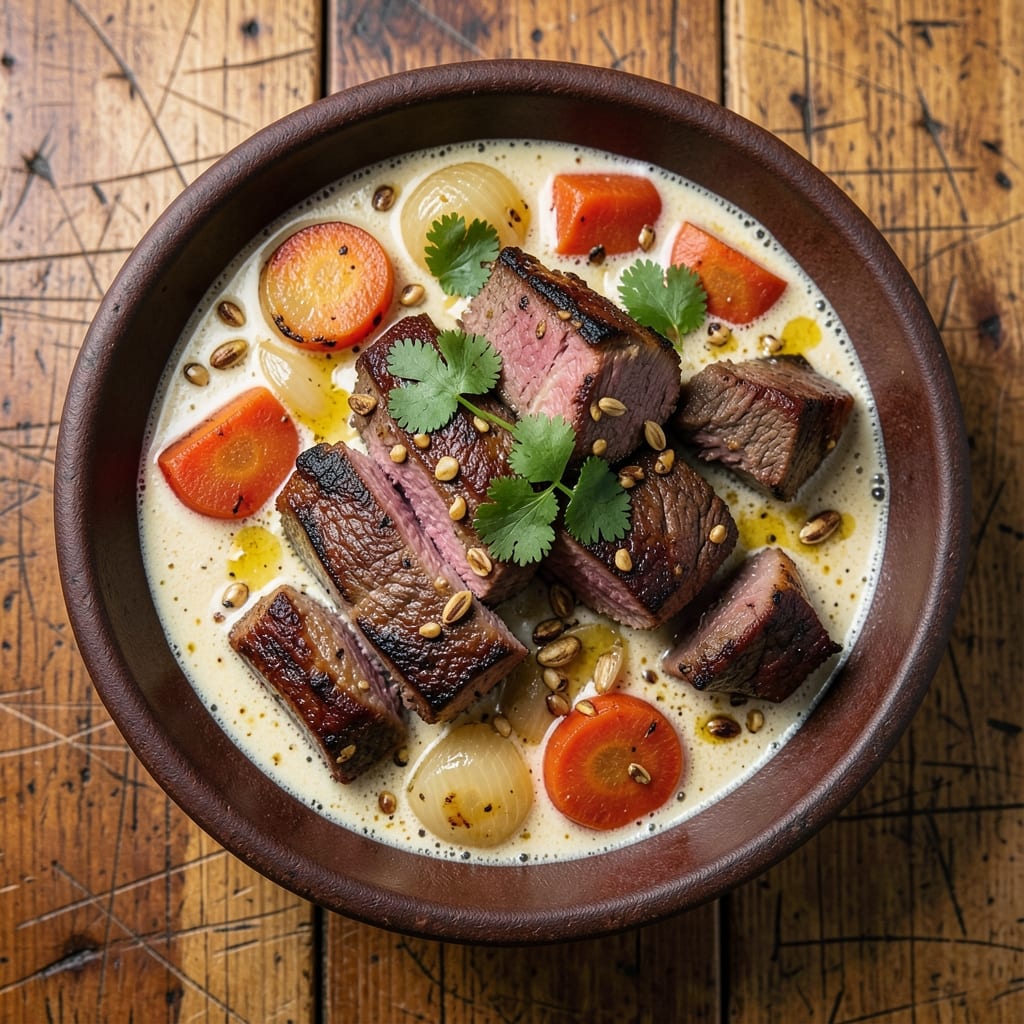
This Anglo-Indian beef stew recipe blends British slow-cooking traditions with bold Indian spices, creating a dish that's rich, aromatic, and deeply satisfying. The secret lies in layering spices—cardamom, cinnamon, and cloves—while yogurt tenderizes the beef and balances the heat. I developed this recipe after years of experimenting with colonial-era techniques, where British cooks adapted Indian flavors to their own methods, resulting in a stew that's both comforting and complex.
The process begins with browning beef chunks for deep flavor, then simmering them in a fragrant broth infused with whole spices and tangy vinegar—a nod to Anglo-Indian fusion. The yogurt, gently cooked into the stew, adds creaminess without curdling, while cardamom and cloves lend warmth and depth. What you’ll end up with is a velvety, slow-simmered stew with tender beef, fragrant spices, and a sauce that clings perfectly to every bite.
This dish is ideal for chilly evenings or special dinners, served with crusty bread or steamed rice to soak up the rich flavors. The spices develop even more as it sits, making it taste better the next day—a hallmark of traditional Anglo-Indian cooking. Whether you're recreating colonial-era meals or simply craving a hearty, flavorful stew, this recipe delivers restaurant-quality results at home.
For extra authenticity, serve with pickled onions or a side of mint chutney. The balance of tangy, spiced, and creamy elements makes this stew unforgettable. Let’s get cooking!
Ingredients for anglo indian beef stew
British slow-cooking meets Indian spice: hearty beef, velvety yogurt, and cardamom's aromatic embrace.
| Ingredient | Amount | Notes |
|---|---|---|
| Chuck Roast Beef 🥩 | 2 ½ lb | Cut into 1.5-inch chunks |
| Plain Whole Milk Yogurt 🥛 | 1 cup | Full-fat preferred for creaminess |
| Yellow Onions 🧅 | 2 whole | Diced into 0.5-inch pieces |
| Carrots 🥕 | 3 whole | Medium size, peeled and sliced |
| Garlic Cloves 🧄 | 6 cloves | Minced for aromatic base |
| Green Cardamom Pods 🌿 | 6 whole | Lightly crushed for fragrance |
| Cinnamon Sticks 🌿 | 2 whole | Each 3-inch length |
| Black Cardamom Pods 🌿 | 2 whole | Lightly crushed for depth |
| Cloves 🌶️ | 4 whole | Whole for subtle spice |
| White Vinegar 💧 | ¼ cup | For tangy brightness |
| Tomato Paste 🍅 | 2 tbsp | High-quality for depth |
| Extra-Virgin Olive Oil 🫒 | ½ cup | For searing and finishing |
| Vegetable Broth 💧 | 4 cups | Low-sodium preferred |
| Kosher Salt 🧂 | 1 ½ tsp | Diamond Crystal preferred |
| Ground Black Pepper 🌶️ | ½ tsp | Freshly ground for heat |
The beef selection is critical—chuck roast delivers that signature Anglo-Indian tenderness, while sirloin stays too firm. Look for cuts with visible marbling at Whole Foods or your local butcher, where they can source the freshest options. For the cardamom, Penzeys Spices offers the highest quality pods, but even the grocery store's bulk section works if the pods are plump and vibrant. The yogurt must be full-fat—Fage or Siggi's are ideal for their creamy texture, but any plain whole milk yogurt will do. Don't skip the vinegar; it's what balances the richness and makes this stew truly Anglo-Indian.
No cardamom? Double the cinnamon and cloves, though you'll lose some of that floral complexity. Short on beef? Substitute lamb shoulder—it holds up beautifully and adds a different depth. The tomato paste can be skipped entirely if you prefer, but it adds that essential umami backbone. For the broth, homemade vegetable stock is ideal, but even the high-quality canned versions like Pacific Foods work in a pinch. The carrots can be swapped for turnips or parsnips if you're feeling adventurous, though they'll change the stew's subtle sweetness profile.
This stew tastes even better the next day as the flavors meld—plan ahead. Store in an airtight container in the fridge for up to 5 days, or freeze portions for 3 months. The yogurt will separate slightly when reheated, so give it a gentle stir and add a splash of broth if it thickens too much. For serving, toast some sourdough bread to soak up those rich, spiced juices. The leftovers make fantastic sandwiches or lunches—just reheat with a splash of water to loosen the sauce.
Why You'll Love This Recipe
- One-Pot Magic: I swear by this recipe when I’m too tired to scrub pots—just brown the beef, toss in onions, carrots, and garlic, then let the yogurt work its creamy sorcery. The slow simmer does all the heavy lifting while I sip tea and pretend I’m not cooking.
- Yogurt Secret Weapon: Between us, that plain whole milk yogurt is the real MVP here. It thickens the stew into something rich and velvety without needing heavy cream, and the tang cuts through the beef’s richness. Honestly, I’ve tried shortcuts, but nothing beats the authentic depth of this combo.
- Weeknight Workhorse: This stew is my go-to for busy nights, but it also shines at gatherings—just double the batch. Serve it with naan for a full meal, or let it cool for packed lunches. My roommate’s a picky eater, and he still asks for seconds when this is on the table.
- Budget-Friendly Luxury: Chuck roast is affordable, carrots last forever, and onions/garlic stretch across multiple meals. The yogurt adds a restaurant-quality touch without breaking the bank. I’ll be real: this is the kind of dish that makes me feel like I’m feeding a crowd without stressing my wallet.
Step-by-step instructions for Anglo-Indian beef stew
Master this fusion of British and Indian techniques for a stew that balances rich spices with creamy yogurt.
Sear the Beef for Deep Flavor
Heat the 0.5 cup extra-virgin olive oil in a heavy Dutch oven over medium-high heat until shimmering. Working in batches, add the 2.5 lb chuck roast beef cut into 1.5-inch chunks, ensuring they don't overcrowd the pan. Sear for 3-4 minutes per side until deeply browned and developing a crust.
This browning creates the Maillard reaction that forms complex flavors. Don't rush this step—patience here builds the stew's depth. Remove the beef and set aside, leaving the rich browned bits in the pot for later.
Build the Spiced Aromatic Base
In the same pot, add 2 whole yellow onions diced into 0.5-inch pieces and cook for 5-6 minutes until softened and golden. Add 3 whole carrots sliced into rounds and cook another 3 minutes until they begin to caramelize.
Stir in the 6 cloves minced garlic, 6 lightly crushed green cardamom pods, 2 whole cinnamon sticks, 2 lightly crushed black cardamom pods, and 4 whole cloves. Cook for 1 minute until fragrant—you should smell warm spices and toasted notes. This aromatic base forms the stew's signature complexity.
Develop the Yogurt-Tomato Sauce
Reduce heat to medium-low and stir in the 2 tbsp tomato paste, cooking for 1 minute until it darkens slightly. Slowly whisk in the 1 cup plain whole milk yogurt and 0.25 cup white vinegar, stirring constantly to prevent curdling. Add the 4 cups vegetable broth and bring to a gentle simmer.
The yogurt adds creamy richness while the vinegar brightens the flavors. This combination creates the signature Anglo-Indian balance. Return the seared beef to the pot and add the 1.5 tsp kosher salt and 0.5 tsp ground black pepper.
Slow-Simmer for Tender Perfection
Partially cover the Dutch oven and simmer gently for 2.5-3 hours until the beef is fork-tender and falls apart easily. The stew should reduce slightly, creating a thick, velvety consistency with a glossy sheen.
Check periodically and add 2-3 tablespoons water if the stew becomes too thick. The spices should infuse the broth, creating layers of warm cardamom, subtle cinnamon, and earthy clove notes that complement the beef's richness.
Finish and Serve
Remove the cinnamon sticks and whole spices, then adjust seasoning if needed. Serve the stew hot, ladled over buttery basmati rice or crusty bread, with a sprinkle of fresh cilantro for brightness.
Each spoonful should deliver tender beef, aromatic spices, and a creamy-yogurt finish that balances the hearty beef. The slow cooking transforms tough chuck into melt-in-your-mouth pieces while developing deep, complex flavors characteristic of Anglo-Indian cuisine.
Pro Tips For Making Anglo Indian Beef Stew
- Sear the Chuck First: The yogurt in this stew is rich and tangy, but it won’t magically fix undercooked beef. Sear the chuck roast in batches over high heat until it’s deep brown—this builds flavor and locks in moisture. I learned this the hard way when my first attempt tasted more like a braise than a stew.
- Slice Onions Thinly: Anglo-Indian stews rely on layers of flavor, and onions are the backbone. Cut them into paper-thin slices so they soften quickly without turning to mush. My grandmother swore by this, and she was right: thick chunks just sit there, uncooked.
- Don’t Rush the Yogurt: Adding yogurt too early will curdle it, turning your stew into a sad, lumpy mess. Wait until the onions and garlic are fully cooked—about 10 minutes of simmering—before stirring in the yogurt. This isn’t the prettiest method, but it’s the tastiest.
- Carrots Last, Not First: Tossing carrots in at the start means they’ll turn to mush while the beef stays tough. Add them halfway through cooking—after the beef has browned and the onions have softened. They’ll keep their bite and sweetness, just like in a proper Anglo-Indian dish.
Dietary considerations for anglo indian beef stew
Vegetarian Adaptations
Swap the beef for extra-firm tofu or hearty mushrooms like portobello, both of which absorb the yogurt and spice flavors beautifully. Press tofu for 20 minutes to remove excess water, then cut into 1.5-inch cubes and sear in the same way as beef. For mushrooms, use 1.5 lbs sliced into thick rounds. Both options work well with the slow simmer, though tofu may require 15 extra minutes to reach tenderness. 🌱
Gluten-Free Considerations
This recipe is naturally gluten-free, but always double-check your vegetable broth label—many store-bought versions contain hidden gluten. Opt for certified gluten-free brands like Pacific Foods or make your own broth with fresh vegetables. The yogurt and spices are also gluten-free, so no substitutions are needed beyond verifying the broth. Always use clean utensils and avoid cross-contamination with gluten-containing ingredients like flour or soy sauce.
Dairy-Free Modifications
Replace the yogurt with coconut yogurt or a dairy-free alternative like Silk Unsweetened Coconut Yogurt for a similar creamy texture. For added richness, stir in 1 tbsp coconut cream during the simmer. The vinegar and spices will still balance the flavors, though the coconut will add a subtle sweetness that pairs well with the cardamom. Ensure your broth is also dairy-free, which it naturally is in this recipe. 🥥
Spice Sensitivity Adjustments
If you're sensitive to heat, reduce the black cardamom to 1 pod and omit the black pepper entirely. The green cardamom and cinnamon provide warmth without sharpness. For extra mildness, add ½ tsp ground ginger to complement the spices without adding heat. Taste the broth before adding the beef to adjust seasoning—this stew is forgiving, so you can always add more salt or a splash of vinegar later. 🌿
Protein Swaps for Dietary Needs
For a pescatarian version, replace the beef with firm white fish like cod or halibut, cut into 1-inch cubes. Simmer for only 15-20 minutes to avoid overcooking. For a poultry option, use chicken thighs (bone-in for extra flavor) and reduce the simmer time to 1.5 hours. Both alternatives work well with the yogurt and spices, though fish requires shorter cooking. Always adjust seasoning after adding the protein to taste. 🍗
Nutrition facts
Frequently asked questions
Why does this stew need to simmer for so long?
The 2.5-3 hour simmer is essential to transform tough chuck roast into tender, melt-in-your-mouth pieces. Anglo-Indian cuisine traditionally relies on slow cooking to develop deep, complex flavors from the spices like cardamom and cinnamon, which infuse the broth over time. This method also allows the yogurt to gently cook without curdling, creating that signature creamy texture.
Can I make this stew in a slow cooker?
Brown the beef first in a skillet, then transfer everything to your slow cooker. Cook on low for 7-8 hours or high for 4-5 hours. The slow cooker maintains the same tenderizing effect, though you may need to add ½ cup water if the stew becomes too thick during cooking. Just don't skip the initial searing—it's what builds the stew's rich foundation.
What's the best way to store leftovers?
Store in an airtight container in the fridge for up to 5 days or freeze for 3 months. The flavors actually improve after resting! When reheating, add a splash of broth or water to prevent thickening. The yogurt may separate slightly—just stir gently and adjust seasoning. This stew tastes even better the next day as the spices meld further.
How can I make this stew less spicy?
Reduce the black cardamom to 1 pod and omit the black pepper entirely. The green cardamom and cinnamon provide warmth without heat. For extra mildness, add ½ tsp ground ginger or a pinch of nutmeg to complement the flavors. Always taste the broth before adding the beef—you can adjust with more salt or vinegar later if needed.
What's the secret to balancing the yogurt flavor?
The key is the white vinegar, which cuts through the richness of the yogurt and beef. Add it gradually while whisking to prevent curdling. The slow simmer also helps the yogurt blend smoothly into the stew. For extra tang, finish with a squeeze of lemon juice before serving. This balance is what makes Anglo-Indian stews so distinctive!