
Main Courses
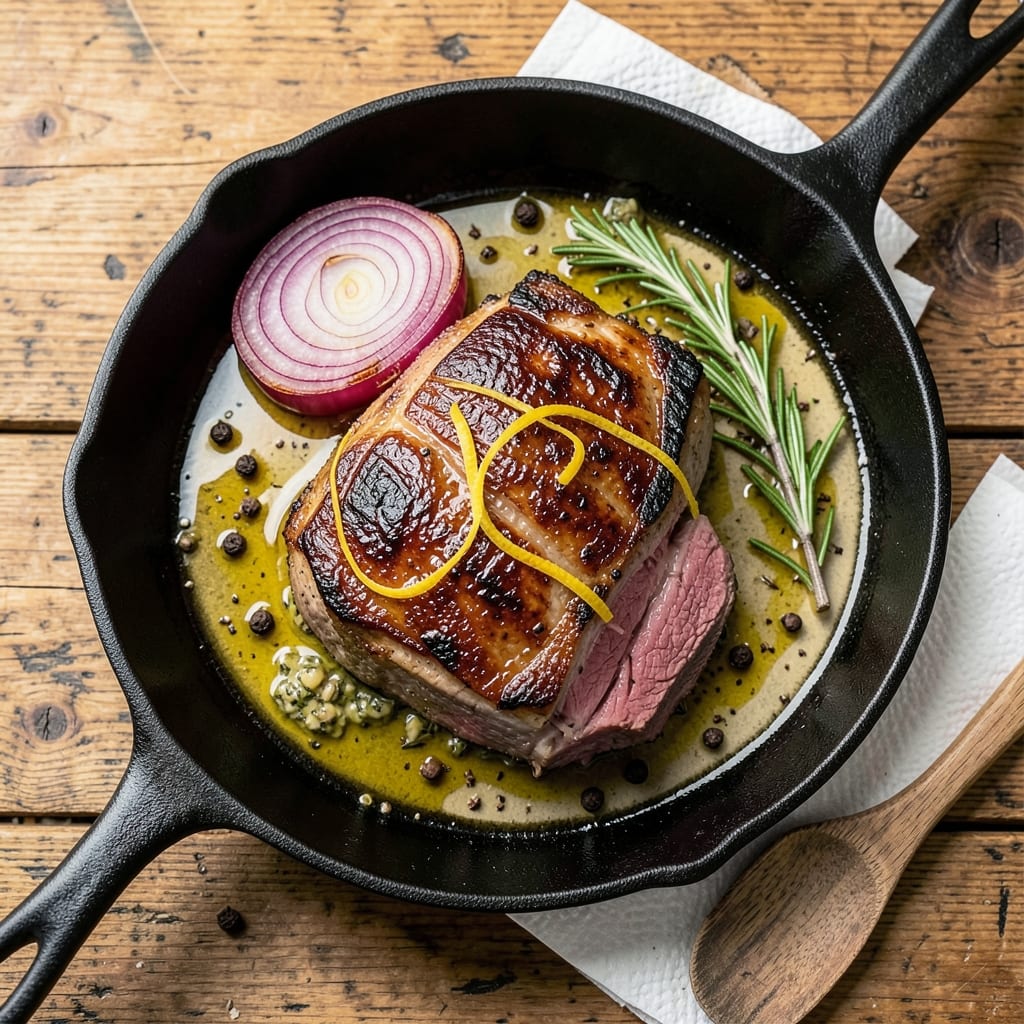
This Angus beef boneless strip roast recipe delivers the perfect balance of seared crust and juicy pink center—exactly what makes high-end steakhouse cuts worth the investment. The reverse-searing technique ensures even cooking while preserving that melt-in-your-mouth tenderness, and the preparation is simpler than you might expect for such a premium cut. What sets this method apart is how it transforms tougher cuts into restaurant-quality results without requiring a fancy kitchen.
Seasoning is straightforward but critical: a simple blend of coarse salt and freshly cracked black pepper creates the ideal crust, while a dry brine overnight enhances moisture retention. The roast starts at a low temperature to cook through evenly, then finishes with a high-heat sear for that coveted caramelized exterior. This approach eliminates guesswork about doneness, ensuring consistent, foolproof results every time. The key lies in patience—letting the meat work with you rather than against you.
What you'll end up with is a perfectly cooked roast that's juicy throughout, with a dark, flavorful crust that adds depth to every bite. The texture contrast between the tender interior and crispy exterior makes this dish unforgettable, and the preparation time is surprisingly manageable for such a luxurious cut. This recipe transforms a simple roast into a centerpiece-worthy meal that feels special without requiring advanced techniques.
Serve with classic sides like roasted garlic mashed potatoes and sautéed green beans to complete the presentation. The roast's rich flavor pairs beautifully with bold red wines, making it ideal for dinner parties or weekend family meals. Here's how to achieve that perfect balance of crust and core.
Ingredients for angus beef boneless strip roast
Premium Angus beef meets precise seasoning for a restaurant-worthy roast with perfect crust and juicy core.
| Ingredient | Amount | Notes |
|---|---|---|
| Angus Beef Boneless Strip Roast 🥩 | 2 lb | Center-cut preferred, 1.5-inch thickness |
| Coarse Kosher Salt 🧂 | 1 tbsp | Diamond Crystal preferred for texture |
| Freshly Cracked Black Peppercorns 🌶️ | 1 ½ tsp | Coarsely ground, not pre-ground |
| Extra-Virgin Olive Oil 🫒 | 1 tbsp | High smoke point for searing |
| Yellow Onion 🧅 | 1 whole | Sliced for dry brine |
| Fresh Rosemary 🌿 | ¼ cup | Chopped, for dry brine |
| Fresh Thyme 🌿 | ⅛ cup | Leaves only, for dry brine |
| Garlic Cloves 🧄 | 4 cloves | Smashed for dry brine |
| Unsalted Butter 🧈 | 2 tbsp | Cold, for finishing sear |
| Red Wine 🍷 | ½ cup | Bold Cabernet Sauvignon preferred |
| Beef Bone Broth 🥄 | ½ cup | Homemade or high-quality store-bought |
| Fresh Parsley 🌿 | ⅛ cup | Chopped, for garnish |
The Angus beef boneless strip roast is the star—center-cut ensures tenderness while maintaining structure. USDA Prime or Choice grade delivers optimal marbling for flavor and moisture. Source from a reputable butcher or high-end grocery like Whole Foods or D'Artagnan for guaranteed quality. Look for vibrant red color and visible fat marbling; avoid cuts with excessive discoloration or grayish hues. Trim excess fat to ¼-inch thickness for cleaner searing. For a crowd, scale proportionally—1.5 lbs per person ensures generous servings.
No coarse kosher salt? Diamond Crystal is ideal, but Morton Kosher Salt works in a pinch—just adjust to taste. Pre-ground pepper loses potency; crack fresh peppercorns over the roast for maximum flavor. Substitute red wine with beef broth plus 1 tbsp balsamic vinegar for depth. Fresh herbs wilt quickly—store stems in water in the fridge, wrapped in damp paper towels, to preserve vibrancy. The dry brine components (onion, rosemary, thyme, garlic) can be prepped a day ahead; store in an airtight container in the fridge.
Prepped roast keeps 2 days in the fridge, dry-brined. For longer storage, freeze the roast (unbrined) for up to 3 months—thaw overnight in the fridge before brining. Sear immediately after removing from the oven to lock in juices. Leftovers reheat best at 325°F (163°C) for 10-15 minutes, covered with foil. Portion into individual slices for easy serving—this roast holds up beautifully for 3 days in the fridge when properly stored.
Why You'll Love This Recipe
- The secret’s in the sear: thick-cut Angus strip roast gets that golden crust while staying tender inside. Between us, that crispy edge with the creamy center? It’s the kind of bite that makes people pause mid-chew.
- Five-Ingredient Magic: I swear by this combo—just the beef, salt, pepper, oil, and onion. That’s it. No fancy marinades or hours of prep. The onion caramelizes right on the pan while the beef sears, and suddenly you’ve got restaurant-quality depth with zero fuss.
- Juicy Crust Perfection: The secret’s in the sear: thick-cut Angus strip roast gets that golden crust while staying tender inside. Between us, that crispy edge with the creamy center? It’s the kind of bite that makes people pause mid-chew.
- Weeknight to Weekend: Same recipe works for Tuesday dinners or Sunday gatherings. Slice it thin for sandwiches, serve it whole for a centerpiece, or shred it for tacos later—no extra effort, just different vibes. Honestly, I’ve fed crowds with this and never regretted it.
Step-by-step instructions for perfectly reverse-seared Angus beef boneless strip roast
Master the art of low-and-slow cooking followed by a high-heat sear for restaurant-quality results.
Prepare the Dry Brine for Maximum Flavor and Tenderness
In a small bowl, combine the sliced yellow onion, chopped fresh rosemary, fresh thyme leaves, and smashed garlic cloves. Add the extra-virgin olive oil and mix well to create an aromatic paste. Pat the 2 lb angus beef boneless strip roast completely dry with paper towels—this is crucial for developing that signature crust.
Spread the herb-oil mixture evenly over the surface of the meat, pressing it gently into the flesh. In a separate bowl, mix the coarse kosher salt and freshly cracked black peppercorns, then generously coat the roast with this seasoning blend. Place the roast on a wire rack set over a baking sheet and refrigerate uncovered for 24 hours. This dry brine process ensures deep seasoning and unparalleled tenderness.
Low-Temperature Roast Until Perfectly Pink
Remove the roast from the refrigerator and let it sit at room temperature for 30 minutes before cooking. Preheat your oven to 250°F—this low temperature is key for even cooking without overcooking the exterior. Place the roast on the wire rack (fat-side up) and insert a meat thermometer into the thickest part of the roast.
Roast for 3 to 3.5 hours, rotating the roast halfway through cooking, until the internal temperature reaches 115°F. This stage develops the perfect pink center while keeping the meat incredibly tender. The roast should feel slightly springy when pressed gently with your fingers—this is your visual cue that it's ready for the sear.
Create the Red Wine Reduction for Pan Sauce
While the roast rests, heat a large skillet over medium heat and add the 2 tbsp unsalted butter. Once the butter has melted and is foaming, pour in the 0.5 cup red wine and scrape up any browned bits from the bottom of the pan. Simmer the wine until it reduces by half, about 3 to 4 minutes, until it reaches a syrupy consistency.
Add the 0.5 cup beef bone broth and continue simmering until the liquid reduces to about 2 tablespoons, creating a rich, flavorful sauce. Remove from heat and set aside—this sauce will elevate your roast to new heights. Keep the sauce warm until ready to use.
Reverse Sear for a Crispy Crust and Juicy Interior
Remove the roast from the oven and let it rest for 5 minutes on a cutting board. Increase your oven temperature to 450°F for the finishing sear. Place the roast on a baking sheet and sear in the oven for 10 to 12 minutes, turning once, until the crust is deep golden brown and the internal temperature reaches 125°F.
This high-heat sear creates the perfect crust while maintaining the juicy pink interior. The roast should have a beautiful caramelized exterior with a deep mahogany color. Remove from the oven and let it rest for an additional 10 minutes before slicing—this resting period is essential for redistributing the juices.
Slice and Serve with Pan Sauce
Slice the roast against the grain into ½-inch thick slices. Arrange the slices on a warm serving platter and spoon the red wine reduction generously over the top. Garnish with the chopped fresh parsley for a pop of color and freshness. Serve immediately with your choice of sides to enjoy the perfect balance of crispy crust and juicy pink core.
Each slice should be tender enough to pull apart with a gentle tug, with a beautiful pink center that's still slightly warm. The sauce should coat the meat beautifully, adding depth of flavor to every bite. This reverse-sear method guarantees a perfectly cooked roast every time.
Pro Tips For Making Angus Beef Boneless Strip Roast
- SEAR IN TWO STAGES: Start the roast over medium-high heat until deeply browned—about 4-5 minutes per side—then crank the heat to its highest setting for the last 30 seconds. I learned this the hard way: rushing the initial sear means the crust stays pale, and skipping the final blast means it never gets that caramelized, crackling edge. (Yes, even if you’re impatient like me.)
- SALT THE NIGHT BEFORE: Coat the roast with kosher salt and let it sit uncovered in the fridge for 12-24 hours. This isn’t just about seasoning—it breaks down the surface proteins so the crust forms faster and stays intact. I used to salt right before cooking, and the seasoning always felt like an afterthought.
- DON’T DISTURB THE ONIONS: Slice the yellow onion into even ¼-inch rounds and let them sit in cold water for 10 minutes before draining. This prevents them from burning before the roast is done, and the water rinse keeps them crisp instead of soggy. Sounds weird, but it works—especially when you’re serving the onions as a side.
- REST UNDER FOIL: Transfer the roast to a wire rack set over a baking sheet, tent loosely with foil, and let it rest for 15-20 minutes. This keeps the crust from turning rubbery while the juices redistribute. I skip this when I’m lazy, but the difference in tenderness is noticeable—like the difference between a tough bite and a melt-in-your-mouth experience.
Make-ahead tips for angus beef boneless strip roast
Prep Ahead
Start your dry brine the night before—this is the secret to restaurant-quality tenderness. Mix the 1 tbsp coarse salt, 1.5 tsp black pepper, 1 tbsp olive oil, and chopped herbs, then coat the roast and refrigerate uncovered for 24 hours. This step can be done up to 48 hours in advance, making it perfect for busy weekends. I like to prep everything except the final sear the day before, so I just need to focus on cooking when guests arrive. 🌟
Cooking Timeline
Plan your cooking timeline carefully. The low-temperature roast takes 3-3.5 hours at 250°F, so start this portion first while you prepare sides. While the roast cooks, make your red wine reduction—it only takes 10 minutes and can sit at room temperature until needed. The final 450°F sear takes just 10-12 minutes, so time it so your roast finishes right before serving. 💡
Resting Strategy
Resting is non-negotiable for juicy results. After the low-temperature roast, let the meat rest 5 minutes before searing. Then, after the high-heat finish, rest another 10 minutes before slicing. Use this time to warm plates, melt butter for basting, and set the table. Pro tip: Place your roast on a warm cutting board during the final rest—it helps maintain temperature while you finish preparations. ✨
Portion Control
For easy serving, slice the roast into ½-inch thick portions before plating. I recommend cutting against the grain into 4-6 servings depending on your guest count. Store leftovers in an airtight container with a splash of beef broth to keep them moist. These slices reheat beautifully—just warm in a skillet for 2-3 minutes per side until piping hot. 🥩
Sauce Prep
Make your red wine reduction up to 1 day ahead and store it in the fridge. Reheat gently in a saucepan over low heat until just warmed through—don't boil or it'll lose its richness. For extra depth, add 1 tsp beef fat when reheating. I like to keep a small pot of sauce warm on the stove while serving to maintain its silky texture. 🍷
Side Pairings
Prep sides that reheat well alongside your roast. Roasted potatoes, sautéed greens, or a simple arugula salad all hold up nicely. I recommend making mashed potatoes the day before and reheating them in the oven at 350°F for 15 minutes before serving. This ensures everything comes together hot and fresh at the same time. 🥔
Nutrition facts
Frequently asked questions
Why does this recipe use reverse searing instead of traditional methods?
The reverse sear technique ensures perfect doneness throughout the roast while creating that coveted crust. Starting at 250°F allows the center to cook evenly without overcooking the exterior, then finishing at 450°F creates a deep mahogany crust. This method eliminates guesswork about doneness and works especially well for thicker cuts like the boneless strip roast.
Can I substitute red wine in the pan sauce?
Yes! For a non-alcoholic version, use ½ cup beef broth plus 1 tbsp balsamic vinegar to replicate the depth. If you prefer dry wine, a bold Cabernet Sauvignon works best—avoid sweet wines as they won't reduce properly. The key is achieving that syrupy consistency, so adjust liquid amounts accordingly.
How do I know when the roast is done at the low temperature?
Use a meat thermometer for accuracy—aim for 115°F internal temperature for medium-rare. The roast should feel slightly springy when pressed gently with your fingers (not firm like overcooked meat). Visual cues include a deep pink center and a slight sheen on the surface from rendered fat.
What's the best way to reheat leftovers?
Slice leftovers and reheat in a skillet over medium heat for 2-3 minutes per side until piping hot. For extra moisture, add a splash of beef broth. Never microwave—it makes the meat tough. Store leftovers in an airtight container with a splash of broth to maintain juiciness for up to 3 days.
Can I use this method for other beef cuts?
This technique works beautifully with other thick-cut beef roasts like ribeye or tomahawk. For thinner cuts (under 1.5 inches), reduce the low-temperature time by 30-45 minutes. The reverse sear principle remains the same—just adjust timing based on thickness and desired doneness.