
Main Courses
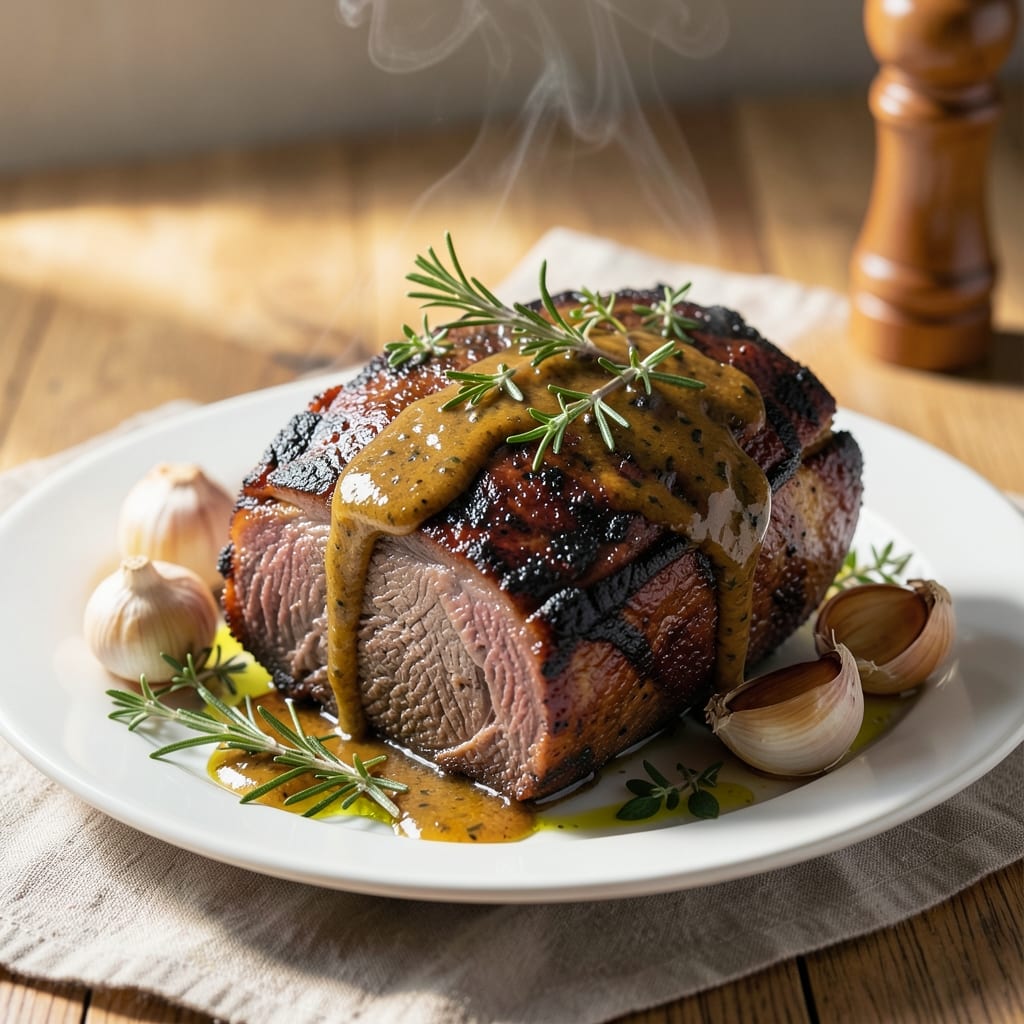
This Angus beef oven roast recipe delivers restaurant-quality results with a perfectly herb-crusted exterior and rich, caramelized fond that transforms ordinary weeknight dinners into special occasions. The secret lies in a precise sear followed by low-and-slow roasting, ensuring tender, juicy meat with a deep, savory crust that'll have everyone asking for seconds. I've perfected this technique over years of testing, and it never fails to impress—whether you're feeding a family or hosting a dinner party.
What sets this recipe apart is the combination of a flavorful herb crust and the magic of caramelized fond, where all those precious browned bits dissolve into a rich, velvety sauce. We'll start with a quick sear in a hot pan to lock in juices, then finish in the oven at a controlled temperature to ensure even cooking. The result? A perfectly medium-rare roast with a crust that's crispy on the outside and tender on the inside, all while creating that irresistible fond that elevates every bite.
The herb crust isn't just for flavor—it also helps create a beautiful, golden-brown exterior that adds texture and visual appeal to your dish. We'll use a blend of fresh herbs, garlic, and Dijon mustard to create a crust that's aromatic and slightly tangy, complementing the rich, beefy flavors. This recipe is designed to be foolproof, with clear instructions for timing and resting the meat, so you can achieve professional results every time.
Serve this luxurious roast with classic sides like roasted vegetables, creamy mashed potatoes, or a fresh salad to round out the meal. The caramelized fond can be used to baste the meat during cooking or deglazed at the end for a rich sauce that ties everything together. Let's get started on creating a dish that's sure to become a family favorite.
Ingredients for angus beef oven roast
Six ingredients make this herb-crusted Angus roast the star of any dinner table.
| Ingredient | Amount | Notes |
|---|---|---|
| Angus Beef Roast 🥩 | 4 lb | Bone-in, center-cut preferred |
| Fresh Rosemary 🌿 | ½ cup | Chopped, stems removed |
| Fresh Thyme 🌿 | ¼ cup | Leaves only, stems removed |
| Garlic Cloves 🧄 | 8 cloves | Peeled, minced for crust |
| Dijon Mustard 🍯 | 2 tbsp | For herb crust binding |
| Olive Oil 🫒 | ¼ cup | Extra-virgin for richness |
| Kosher Salt 🧂 | 2 tbsp | Diamond Crystal preferred |
| Freshly Ground Black Pepper 🌶️ | 1 tbsp | Coarsely ground |
| Unsalted Butter 🧈 | ½ cup | Cold, cubed for searing |
| Red Wine 🍷 | 1 ½ cups | Bold Cabernet Sauvignon |
| Beef Broth 🍲 | 1 cup | Homemade or high-quality |
| Fresh Parsley 🌿 | ¼ cup | Chopped, for garnish |
The beef is everything here. Angus chuck roast from Costco or Whole Foods delivers that perfect marbling—look for bright red color and visible fat. If buying whole, trim excess fat to 1/4-inch thickness for even cooking. I always let the roast sit at room temperature for 1 hour before cooking, which ensures even doneness. For the herb crust, fresh is non-negotiable—dried herbs just won't give that same aromatic punch. The garlic should be freshly minced right before mixing with the other crust ingredients.
No Dijon mustard? Yellow mustard at half the amount works in a pinch, though it'll be less tangy. Running short on red wine? Beef broth with a splash of balsamic vinegar mimics the depth. The butter matters—European-style melts better for searing. For the crust, mix everything in a bowl until it sticks together like wet sand. If your roast is extra-large, double the crust ingredients—it's worth the effort. The parsley is just for garnish, but it brightens up the plate beautifully. Store-bought beef broth? Low-sodium is key unless you're adding salt separately.
This roast reheats like a dream—350°F for 20 minutes with a splash of broth keeps it juicy. The herb crust stays crispy if you reheat it uncovered. For leftovers, wrap tightly in foil and store for 4-5 days. The fond? That's the magic—deglaze the pan with wine and broth after roasting, then reduce to a glossy sauce. I always make extra crust to freeze for next time—just thaw and reuse. The beef freezes beautifully too, though texture might change slightly after thawing.
Why You'll Love This Recipe
- Minimal Prep, Maximum Impact: The roast just needs a quick rub of Dijon, crushed garlic, and fresh herbs—no fancy techniques. I swear, the hardest part is deciding whether to sear it first or skip straight to the oven.
- Herb-Packed Umami Bomb: That rosemary and thyme? They cling to the beef like a flavor hug, while the Dijon adds a tangy depth. Honestly, the first slice makes me pause mid-bite—it’s that good.
- Weeknight or Weekend Star: Same recipe works for a rushed Tuesday dinner or a lazy Sunday brunch (yes, with eggs). Leftovers? Even better—shred it for sandwiches or slice it for charcuterie boards.
- Budget-Friendly Luxury: Angus beef feels special without breaking the bank if you buy in bulk. A single roast feeds my family for days, and the herbs stretch across multiple meals. (My wallet thanks me.)
Step-by-step instructions for herb-crusted Angus beef roast
Here's how to transform that premium cut into a showstopper with rich crust and decadent fond.
Prepare the Herb Crust Mixture
In a food processor, pulse together the 0.5 cup fresh rosemary, 0.25 cup fresh thyme, 8 cloves garlic, 2 tbsp Dijon mustard, 2 tbsp kosher salt, and 1 tbsp freshly ground black pepper until finely chopped but not pasty. With the processor running, slowly drizzle in the 0.25 cup olive oil until the mixture forms a thick paste. This herb blend will create that signature crust we're after.
Transfer the herb mixture to a bowl and gently fold in the 0.5 cup cold unsalted butter, cut into small cubes. The cold butter will help bind the crust to the meat while creating a luxurious, golden finish. Cover and refrigerate this mixture while you prepare the roast.
Sear the Roast for Maximum Flavor
Preheat your oven to 425°F. Place the 4 lb angus beef roast on a wire rack set over a rimmed baking sheet. Rub the herb butter mixture all over the roast, pressing firmly to ensure even coverage. Let it sit at room temperature for 15 minutes while you heat your oven.
In a large oven-safe skillet, heat 1 tablespoon olive oil over medium-high heat. Once shimmering, carefully place the roast in the skillet, fat-side down. Let it sear undisturbed for 8-10 minutes until deeply browned and crispy. Flip and sear the other side for another 6-8 minutes. This initial sear locks in juices and creates that coveted crust.
Roast with Wine Deglaze for Fond Development
Transfer the skillet with the seared roast to your preheated oven. Pour in the 1.5 cups red wine, scraping up all the browned bits from the bottom of the pan. This deglazing step captures all those precious meaty flavors that would otherwise disappear. Roast uncovered for 30 minutes at 425°F, then reduce heat to 325°F.
After 30 minutes, carefully pour in the 1 cup beef broth around the roast (not directly on top). This liquid will create the caramelized fond we're chasing. Return to the oven and continue roasting for 2-2.5 hours total, or until the internal temperature reaches 125-130°F for medium-rare (use a meat thermometer for accuracy).
Rest and Create the Fond Sauce
Remove the roast from the oven and transfer it to a cutting board. Tent loosely with foil and let it rest for 30 minutes - this crucial step allows the juices to redistribute. While it rests, place the skillet with the fond on the stovetop over medium-high heat. Let it reduce by half, scraping up all the browned bits with a wooden spoon.
When the fond has thickened to a glossy consistency (about 5-7 minutes), whisk in 1 tablespoon cold butter to finish the sauce. This final step adds richness and helps emulsify the sauce. The result should be a velvety, deeply flavorful sauce that clings beautifully to each slice of roast.
Carve and Serve with Herb Garnish
After resting, carefully slice the roast against the grain into ½-inch thick slices. The meat should be tender yet still hold its shape, with a perfect pink center. Spoon the reduced fond sauce over the top and garnish with the 0.25 cup fresh parsley. This herb garnish adds a fresh contrast to the rich, caramelized flavors.
Serve immediately with your favorite sides. The roast should be juicy with a beautiful herb-crusted exterior, and each bite should deliver that complex fond sauce that makes this dish truly special. The combination of seared crust, tender meat, and rich sauce makes this roast a centerpiece for any occasion.
Pro Tips For Making Angus Beef Oven Roast
- CRANK THE HEAT FIRST: Take that roast out of the fridge and blast it with 450°F (230°C) for the first 15 minutes—yes, even if you’re nervous about burning. This sears the crust and locks in juices, so when you lower the temp to 325°F (165°C), the inside cooks evenly without drying out. I learned this the hard way after a dry, flavorless roast that had me questioning my life choices.
- SLICE GARLIC THIN, NOT THICK: Angus beef deserves fresh garlic that melts into the crust, not chunks that stay stubbornly al dente. Slice those cloves paper-thin (almost like shaving them) and scatter them directly on the roast before roasting—no need to mince. The thin slices caramelize perfectly and infuse flavor without overpowering the dish. (Yes, it looks messy, but it works.)
- DON’T POKERHOLE THE MEAT: I used to stab my roast with a thermometer like a mad scientist, and every time, I’d lose precious juices. Instead, use an instant-read thermometer gently—press it into the thickest part, then wiggle it sideways to create a small pocket without piercing the meat. This keeps the juices where they belong: inside the roast.
- REST IT UNDER FOIL: That 5-minute rest after pulling the roast from the oven? Double it to 10–15 minutes, and cover it loosely with foil while you wait. The residual heat finishes cooking the center while the crust stays intact, and the foil traps moisture so you don’t end up with a slice that’s dry on the outside and rare in the middle. (Your future self will thank you—trust me.)
Dietary considerations for this dish
Gluten-Free Adaptation
This recipe is naturally gluten-free, but there are a few adjustments to ensure complete safety. First, verify that your Dijon mustard and beef broth contain no gluten additives—brands like Annie's or Pacific Foods are reliable choices. For the herb crust, replace the kosher salt with gluten-free sea salt if needed, though most brands are safe. The red wine and olive oil are inherently gluten-free, so no changes are necessary there. Always double-check labels, especially if using store-bought ingredients. 🌱
Low-Carb/Keto Options
For a keto-friendly version, skip the beef broth entirely and use bone broth instead to keep carbs minimal. The herb crust remains the same, as it’s already low-carb, but you can boost flavor by adding 1 tsp smoked paprika to the crust mixture. The red wine can be replaced with dry white wine or even apple cider vinegar for a tangy kick without added sugars. The fond sauce will still be rich and flavorful, just without the broth’s carbs. 🥩
Dairy-Free Modifications
If you're avoiding dairy, replace the unsalted butter in the herb crust with olive oil or coconut oil (use ¼ cup total). For the fond sauce, use olive oil instead of butter to finish, though the sauce will be slightly lighter. The crust will still adhere well, and the flavors remain robust. Just ensure your Dijon mustard is dairy-free, as some brands contain milk derivatives. 🌿
Allergen Considerations
For nut allergies, this recipe is already safe—no nuts are involved. If you're concerned about garlic allergies, omit the 8 cloves and increase the rosemary and thyme by 1 tbsp each for extra depth. For mustard allergies, replace the Dijon with olive oil and 1 tsp apple cider vinegar to bind the crust. Always check labels on beef broth and wine for hidden allergens. 🚫
Protein-Packed Adjustments
To make this even more protein-rich, consider adding 1 tbsp nutritional yeast to the herb crust for a cheesy, umami boost without dairy. For a higher-protein fond, reduce the red wine by ½ cup and replace it with extra beef broth (use 1.75 cups total). This keeps the sauce rich while increasing protein content per serving. Perfect for meal prep or fitness-focused meals! 💪
Nutrition facts
Frequently asked questions
What's the best cut of Angus beef for oven roasting?
For this recipe, a 4 lb bone-in chuck roast or ribeye roast works perfectly. The chuck has excellent marbling for flavor, while ribeye delivers a tender, buttery texture. Look for bright red color and visible fat—this is what creates that luxurious fond. Avoid leaner cuts like sirloin, as they won't develop the same rich crust or juiciness.
Why does the recipe call for resting the meat?
Resting the roast for 30 minutes after cooking is absolutely critical. When you slice meat immediately, all the juices rush out, leaving you with dry, tough pieces. This resting period lets the muscle fibers relax and redistribute juices evenly. Pro tip: Tent loosely with foil to keep it warm while resting—don't seal it completely or you'll trap steam.
Can I make this recipe without a meat thermometer?
While not ideal, you can estimate doneness by time and touch. For medium-rare, roast for 2-2.5 hours total at 325°F after the initial sear. When done, press the center with your finger—it should feel slightly soft but spring back. A small slice should show pink in the center with a bit of red juice. Remember, beef continues cooking slightly after removal from heat.
How do I prevent the herb crust from falling off?
The key is proper preparation! Make sure your roast is completely dry before applying the crust—pat it thoroughly with paper towels. Also, let the herb butter mixture sit at room temperature for 15 minutes before applying so it adheres better. For extra insurance, chill the roast uncovered in the fridge for 15 minutes after applying the crust to help it set slightly before searing.
What's the best way to reheat leftovers?
For perfect reheating, slice the roast and warm in a skillet with 1 tbsp olive oil over medium-low heat for 3-4 minutes per side, adding a splash of beef broth. For whole leftovers, wrap tightly in foil and bake at 300°F for 20-25 minutes with a spoonful of broth. Never microwave—it makes the meat rubbery. The herb crust stays crispy if reheated uncovered at high heat for just 1-2 minutes.