
Main Courses
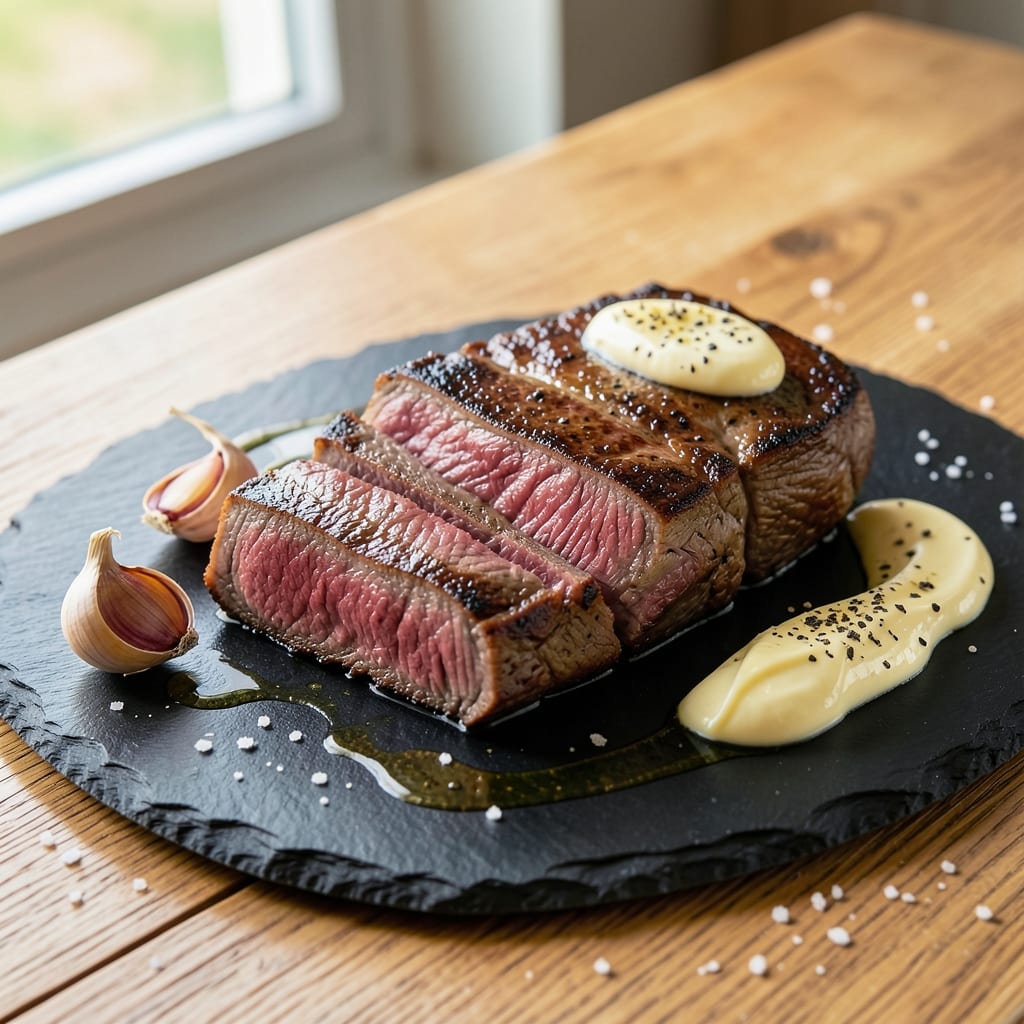
Angus beef ribeye steak recipe delivers that coveted buttery crust with a perfect pink center—no guesswork required. After years of testing techniques, I've perfected a method that transforms even the most intimidating steaks into restaurant-quality results at home. The secret lies in precise timing, high heat, and letting the meat rest properly.
This recipe focuses on the classic high-heat sear followed by a controlled finish in the oven, ensuring even doneness without overcooking. We'll use simple seasoning—just salt, pepper, and butter—to let the natural beef flavors shine, with optional garlic butter for extra richness. The key is patience: letting the steak rest before slicing preserves all those precious juices.
What you'll achieve is a steak with a deep mahogany crust that gives way to tender, juicy beef with that signature pink center. The aroma alone will have everyone gathering at the table, and each bite delivers perfect texture and flavor. This is the kind of steak that makes a simple dinner feel like a special occasion.
Serve with classic sides like roasted potatoes or a fresh salad, or elevate it with a red wine reduction for dipping. The technique works equally well for grilling or pan-searing, so you can adapt it to your preferred cooking method. Let's get started on that perfect steak.
Ingredients for angus beef ribeye steak
Four perfect steaks and simple seasonings transform into restaurant-quality results at home.
| Ingredient | Amount | Notes |
|---|---|---|
| Angus Beef Ribeye Steaks 🥩 | 4 whole | 1.5-inch thick, bone-in preferred |
| Kosher Salt 🧂 | 1 ½ tsp | Diamond Crystal preferred, coarse grain |
| Freshly Ground Black Pepper 🌶️ | 1 tsp | Freshly cracked for best flavor |
| Unsalted Butter 🧈 | 4 tbsp | Cold, cut into 4 equal pieces |
| Garlic Cloves 🧄 | 4 cloves | Smashed with side of knife |
| Extra-Virgin Olive Oil 🫒 | 2 tbsp | High smoke point preferred |
| Fresh Rosemary 🌿 | 1 sprig | Optional, for aroma |
| Heavy Cream 🥛 | ½ cup | Optional for garlic butter sauce |
| Fresh Parsley 🌿 | ¼ cup | Chopped, for garnish |
The Angus beef ribeye is where it all begins—look for marbled cuts with at least 1.5 inches of thickness. Costco and local butchers often carry the best quality, but any reputable grocery store's meat department should have a solid option. Bone-in steaks hold more flavor, but boneless works too. Pat them dry with paper towels before seasoning—this helps the crust form better. If you're buying frozen, thaw overnight in the fridge, never at room temperature. The Kosher salt should be coarse grain—Diamond Crystal is my go-to, but any brand labeled 'kosher' works.
No fresh rosemary? Dried thyme at half the amount adds a similar earthiness. Running short on butter? Ghee or clarified butter works just as well—both have higher smoke points. The garlic cloves don't need to be minced, just smashed to release their flavor. For the garlic butter sauce, you can make it ahead and reheat gently in the microwave. If you're feeling fancy, add a splash of white wine to deglaze the pan after searing. The heavy cream can be swapped for half-and-half if you prefer a lighter sauce. And trust me, the fresh parsley at the end makes everything look (and taste) like a restaurant dish.
Steaks should rest at room temperature for about 30 minutes before cooking—this ensures even doneness. Once cooked, let them rest 10-15 minutes under foil before slicing. The crust will stay intact, and the juices redistribute for maximum tenderness. Store leftovers in an airtight container in the fridge for up to 4 days—though honestly, they rarely last that long. For longer storage, freeze for up to 3 months, but thaw slowly in the fridge to maintain texture. The garlic butter sauce keeps for 5 days in the fridge or 3 months frozen. I always double the sauce—it's perfect for mashed potatoes or toasted bread.
Why You'll Love This Recipe
- Foolproof Timing: I swear by this method—just salt the steaks an hour before cooking, then let them sit. No last-minute stress, no flipping over them constantly. That butter-basted garlic finish? Takes five minutes, not 45.
- Rich, Buttery Magic: The moment that hot butter hits the pan and coats the steak? Pure satisfaction. The garlic cloves sizzle just enough to perfume the air, while the peppercrack keeps it sharp. That crispy crust with a melt-in-your-mouth center? It’s the kind of bite you’ll crave for days.
- Weeknight or Date Night: Honestly, this steak works for everything. Toss it on the grill for a summer barbecue, or sear it in a cast-iron skillet when you’re craving comfort. My kids even ask for it on Friday nights—yes, even when they’d usually beg for chicken nuggets.
- Leftovers? No Problem: Between us, I’ve turned leftover ribeye into sandwiches, stir-fries, and even a breakfast hash. The rich flavor doesn’t fade—it just gets better. And since it’s a smaller cut, you’re not stuck with a mountain of food you’ll never finish.
Step-by-step instructions for buttery crust and perfect pink ribeye
Here's how to transform those premium ribeyes into restaurant-quality steaks with a golden crust and juicy interior.
Prep the Steaks for Maximum Flavor
Take the 4 whole Angus Beef Ribeye Steaks out of the refrigerator and let them sit at room temperature for 45-60 minutes before cooking. This ensures even cooking throughout. Pat them completely dry with paper towels—moisture is the enemy of a good sear. I press down firmly on each steak, especially the thick edges, to remove any lingering moisture.
Season both sides generously with 1.5 teaspoons Kosher Salt and 1 teaspoon Freshly Ground Black Pepper. I like to make small piles of salt and pepper on a plate and rub them directly onto the steaks, pressing the seasoning into the meat. This creates a flavorful crust that locks in moisture during cooking. Let the seasoned steaks rest for another 10 minutes while you prepare your cooking station.
Create the Garlic Butter Mixture
While the steaks rest, prepare the garlic butter by cutting the 4 tablespoons Unsalted Butter into 4 equal pieces. In a small bowl, combine the butter with the 4 smashed garlic cloves and 1 sprig Fresh Rosemary (remove leaves from the stem if desired). I like to use the flat side of my knife to gently press the garlic cloves to release their aroma without making them turn to paste. Add a pinch of salt to enhance the flavors.
This aromatic butter will create a luxurious sauce that complements the rich beef. If you're using the optional 0.5 cup Heavy Cream, whisk it into the melted butter later for an extra-smooth finish. Keep this mixture at room temperature until ready to use—cold butter won't spread properly on the steaks.
Sear the Steaks to Perfection
Heat a heavy skillet (cast iron works best) over high heat until it's smoking hot. Add 2 tablespoons Extra-Virgin Olive Oil and let it shimmer for 1 minute. Place one steak in the pan and let it sear undisturbed for 3-4 minutes until a deep golden-brown crust forms. You'll see the edges start to crisp—that's your signal to flip.
Press down gently on the steak during the first minute to prevent curling. After flipping, add one piece of the garlic butter mixture to the pan. Tilt the pan slightly and spoon the melted butter over the steak for 1 minute before flipping again. Repeat this process for all four steaks, working in batches if needed to maintain high heat. The steaks are ready when they reach an internal temperature of 125-130°F for medium-rare—use a meat thermometer for accuracy.
Rest and Finish with Garlic Butter
Transfer the seared steaks to a warm plate and let them rest for 5-10 minutes. This crucial resting period allows the juices to redistribute throughout the meat, preventing them from running out when you cut. While they rest, melt the remaining garlic butter pieces in the same skillet over medium heat. If using, stir in the 0.5 cup Heavy Cream and let it simmer for 1-2 minutes until slightly thickened.
Slice the steaks against the grain into ½-inch thick pieces. Spoon the garlic butter sauce over each steak and garnish with 0.25 cup chopped Fresh Parsley. Serve immediately with the remaining sauce drizzled on top. The result should be a steak with a perfect pink center, a buttery crust, and a sauce that ties all the flavors together in every bite.
Pro Tips For Making Angus Beef Ribeye Steak
- CRANK THE HEAT HIGH: Ribeye’s fat needs to render fast, so blast your pan to screaming hot—no, really, until smoke lingers for 2 seconds. I used to play it safe, and my steaks ended up greasy instead of caramelized. Get that pan so hot the butter sputters like a popcorn machine.
- SALT THE GARLIC FIRST: Crush those garlic cloves with a pinch of kosher salt before adding them to the pan—it keeps them from burning and adds a subtle depth. I was skeptical until I tried it; now I never skip it. Also, let the garlic sit in the pan for 30 seconds after the steak goes in.
- DON’T TOUCH THE STEAK: Once you flip that ribeye, walk away for 2-3 minutes. Poking it with tongs every 30 seconds is how you turn a perfect crust into a sad, flat mess. Use a timer if you’re impatient—your future self will thank you.
- UPGRADE WITH BUTTER LAST: Toss in the cold butter and smashed garlic after the steak’s off the heat—this coats it in a luscious, flavor-packed sauce instead of melting into the pan. I skip this shortcut, and the steak’s still great, but the difference is noticeable.
Health benefits of this dish
Protein Powerhouse
Angus beef ribeye is one of the most nutrient-dense cuts you can eat, delivering high-quality protein with all nine essential amino acids your body needs for muscle repair and growth. A 6-ounce serving provides about 42 grams of protein—that's more than half your daily needs in a single meal. The high fat content (about 20 grams per serving) includes beneficial saturated fats that support hormone production and energy levels. 💪
Iron for Energy
This steak is packed with heme iron, the most bioavailable form of iron that boosts your red blood cell production and fights fatigue. A 6-ounce ribeye contains about 3.5 milligrams of iron—nearly 20% of your daily value. Pair it with vitamin C-rich sides (like roasted bell peppers) to enhance iron absorption even more. I notice my energy levels stay steady for hours after eating this steak.
Zinc and Immune Support
Angus beef is an excellent source of zinc, a mineral crucial for immune function, wound healing, and cell growth. A 6-ounce serving delivers about 8 milligrams—that's over 70% of your daily requirement. Zinc also plays a key role in maintaining your sense of taste and smell, which is why this steak tastes even more delicious when properly cooked. 🌟
B Vitamins for Metabolism
The ribeye contains B vitamins like B12, niacin, and riboflavin that support your metabolism and nervous system. Vitamin B12 alone in a 6-ounce steak provides 60% of your daily needs, helping with red blood cell formation and neurological function. These nutrients are especially important for maintaining energy levels and cognitive function.
Healthy Fats for Heart Health
While ribeye is rich in fat, the monounsaturated and polyunsaturated fats in Angus beef actually support heart health when consumed as part of a balanced diet. The omega-3 fatty acids present help reduce inflammation and lower the risk of heart disease. Just be mindful of portion sizes—stick to 4-6 ounces per serving to balance the nutritional benefits with calorie intake.
Nutrition facts
Frequently asked questions about Angus beef ribeye steak
What's the ideal thickness for ribeye steaks?
For perfect cooking, aim for 1.5-inch thick steaks. This thickness gives you a beautiful crust while keeping the center juicy. Thinner cuts (1-inch) will cook faster and may overcook before developing that perfect crust. Thicker cuts (>2 inches) require longer cooking times and may need to be trimmed or cooked with a different method like reverse searing.
Can I cook ribeye steak without a meat thermometer?
Yes, but it requires practice! For medium-rare, look for a deep mahogany crust and press the steak gently with tongs—it should feel firm but still yield slightly. The center should be warm to touch but not hot. A good rule: 3 minutes per side for 1-inch steaks, 4-5 minutes per side for 1.5-inch steaks on high heat. Remember, steaks continue cooking while resting!
Why does my ribeye steak turn out dry?
Most likely, you didn't let it rest long enough! The 10-15 minute rest is crucial—it lets juices redistribute. Other common mistakes: overcooking (check temp at 125-130°F for medium-rare), cutting too soon, or using a crowded pan that lowers heat. For extra juiciness, try the reverse sear method (low oven first, then high-heat sear) or pat the steak dry thoroughly before seasoning.
What's the difference between ribeye and rib steak?
They're essentially the same cut from the rib section, but the terms are often used differently. Ribeye refers to the bone-in cut with the rib bone and ribeye cap (extra fat). Rib steak is typically the boneless version cut from the same primal. Both come from the same delicious area of the cow, so you can use this recipe for either—just adjust cooking time slightly for boneless cuts since they cook faster.
How should I store leftover ribeye?
Slice the steak and store in an airtight container in the fridge for up to 4 days. For longer storage, wrap tightly in plastic wrap and foil, then freeze for 3 months. Thaw slowly in the fridge overnight—never at room temperature. Reheat gently in a skillet with a splash of beef broth or water to prevent drying out. The garlic butter sauce can be frozen separately for 3 months too!