
Main Courses
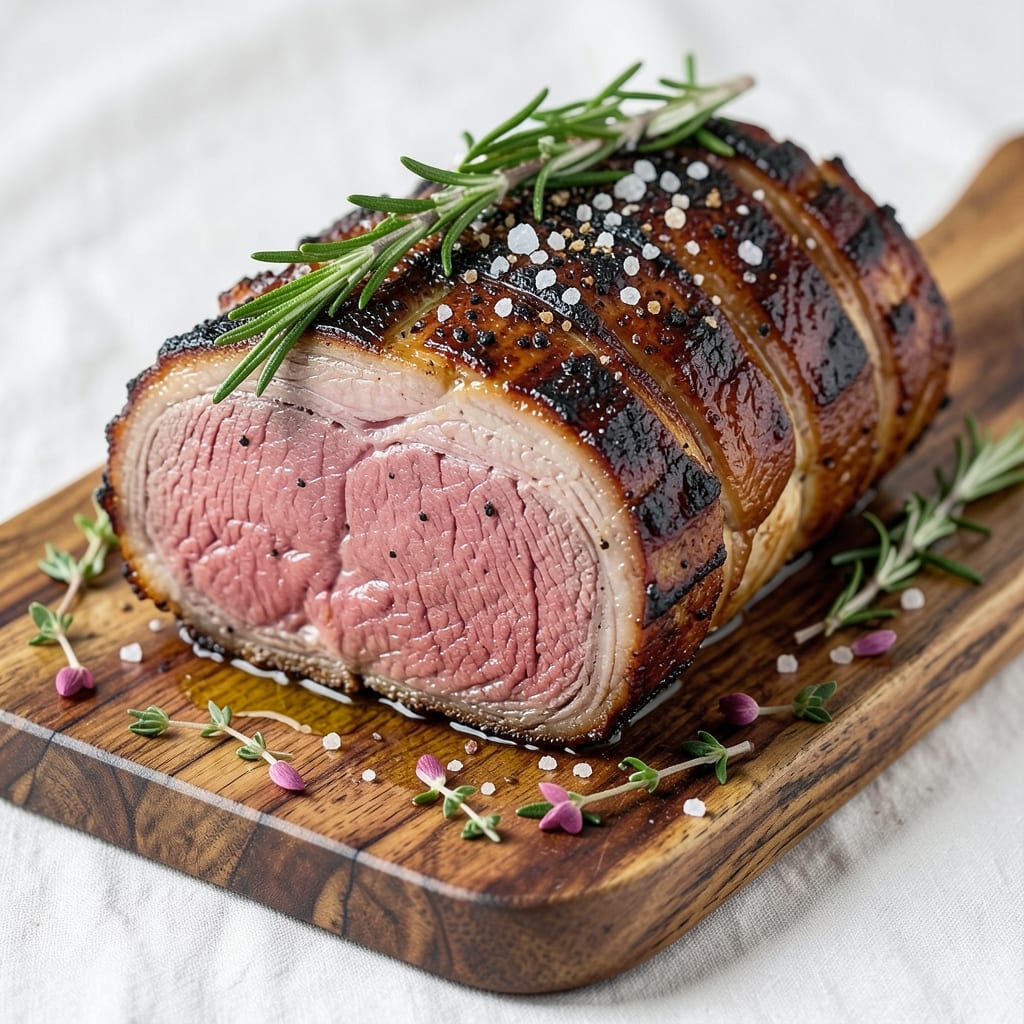
This Angus beef rump roast recipe delivers the perfect balance of a crisp, caramelized crust and a juicy pink core that melts in your mouth. The secret lies in the reverse-sear method—slow-roasting first to tenderize the meat, then finishing with high heat for that coveted crust. I've perfected this technique over years of hosting dinner parties, ensuring every bite is restaurant-quality without requiring a sous vide machine.
The process starts with a simple seasoning—just coarse salt and black pepper—to let the rich, beefy flavor shine through. We'll cook it at a low temperature for hours, allowing the connective tissues to break down and the meat to become fork-tender. The final sear in a screaming-hot pan locks in those juices and creates that deep, golden crust that makes this dish irresistible.
What you'll end up with is a showstopping centerpiece that pairs beautifully with red wine reductions, roasted root vegetables, or a crusty baguette. The meat is so tender it practically falls apart, while the crust adds a satisfying contrast with every bite. This is the kind of roast that makes you the star of the dinner table—no fancy plating required.
Whether you're cooking for a holiday feast or a special weeknight dinner, this foolproof method ensures success every time. The key is patience and precision, but the results are worth it. Let's get started on creating a roast that will have everyone asking for seconds.
Ingredients for angus beef rump roast
Six ingredients transform this premium cut into a showstopping centerpiece with perfect crust and juicy core.
| Ingredient | Amount | Notes |
|---|---|---|
| Angus Beef Rump Roast 🥩 | 4 lb | Center-cut for even cooking |
| Coarse Kosher Salt 🧂 | 1 ½ tbsp | Diamond Crystal preferred |
| Freshly Ground Black Pepper 🌶️ | 1 ½ tsp | Cracked peppercorns preferred |
| Extra-Virgin Olive Oil 🫒 | 2 tbsp | For final sear |
| Fresh Rosemary 🌿 | 2 sprigs | For aroma (optional) |
| Fresh Thyme 🌿 | 2 sprigs | For aroma (optional) |
| Yellow Onion 🧅 | 1 whole | Quartered for aromatics |
| Garlic Cloves 🧄 | 4 cloves | Smashed for flavor |
| Dry Red Wine 🍷 | ½ cup | Cabernet Sauvignon preferred |
| Beef Bone Broth 💧 | 1 cup | Homemade or quality store-bought |
| Red Wine Vinegar 🍇 | 1 tbsp | For depth of flavor |
| Baguette 🥖 | 1 whole | For serving (optional) |
The Angus beef rump roast is where this dish starts—and quality matters. Look for a center-cut roast with good marbling at Costco or your butcher shop; avoid anything with excessive silver skin. I always ask for it to be trimmed of excess fat, which can interfere with the crust. A 4-pound roast serves six generously, but scale up if you're feeding a crowd. The fresh rosemary and thyme are optional but worth it for that restaurant-quality aroma. Grab them from the grocery store's produce section—just make sure the stems are firm and green.
No red wine? Beef bone broth with a splash of balsamic vinegar works beautifully—just reduce it slightly to concentrate the flavor. The olive oil for searing should be high-quality; California avocado oil has a higher smoke point if you're worried about burning. For the aromatics, garlic and onion can be swapped for shallots if you prefer, but don't skip them—they're the backbone of the flavor. The vinegar adds a touch of acidity that cuts through the richness, so don't skip it. If you're prepping ahead, you can even make the wine-broth reduction the night before and reheat it for basting.
This roast reheats beautifully—3-4 days in the fridge or 3 months frozen—but it's best served fresh. For leftovers, slice against the grain and reheat in a 350°F oven for 15-20 minutes with a splash of broth. The baguette should be toasted in the same pan you sear the roast for extra flavor. Store any unused herbs in a damp paper towel in the fridge for up to 5 days, or freeze them in oil for longer storage. The roast itself keeps well wrapped in butcher paper for 3-4 days in the fridge.
Why You'll Love This Recipe
- Minimal Seasoning, Maximum Impact: I swear by this combo—just salt, pepper, and rosemary rubbed into the rump roast, then a hit of olive oil. That’s it. The beef’s natural richness does all the heavy lifting, and the rosemary adds this earthy, woodsy note that makes every bite feel like a little reward.
- Weeknight Hero: Between us, this is my go-to when I’m too tired to fuss. Toss the roast in the oven, let it do its thing, and you’ve got dinner without chopping onions or stirring sauces. The crust forms beautifully on its own, and honestly? It’s the kind of meal that makes you feel like you’ve earned your wine.
- Leftover Goldmine: I make this roast on Sundays because the leftovers are chef’s kiss—perfect for sandwiches, grain bowls, or even breakfast hash the next day. The meat stays tender for days, and the flavor only deepens. My kids beg for it, and my partner takes seconds without asking.
- Budget-Friendly Luxury: Angus rump roast might sound fancy, but it’s actually a smart splurge. A single roast feeds my family for days, and the simple seasoning means you’re not wasting money on expensive marinades or sauces. It’s the kind of dish that makes you feel special without breaking the bank.
Step-by-step instructions for reverse-seared Angus beef rump roast
This method guarantees a perfectly juicy pink core with a deep, caramelized crust every time.
Prepare the Roast and Season Generously
Remove the 4 lb Angus Beef Rump Roast from the refrigerator and let it sit at room temperature for 45-60 minutes. This ensures even cooking throughout. Pat the roast dry completely with paper towels—moisture is the enemy of that perfect crust we're after.
In a small bowl, mix together the 1.5 tbsp Coarse Kosher Salt and 1.5 tsp Freshly Ground Black Pepper. Generously rub this mixture all over the roast, pressing it into the meat so it adheres well. The salt will penetrate the surface and enhance the beef's natural flavors while helping to create that coveted crust.
Tuck the 2 sprigs Fresh Rosemary and 2 sprigs Fresh Thyme into the roast's surface, especially around the edges. These herbs will infuse subtle aromatic notes during the cooking process. Place the seasoned roast on a wire rack set over a rimmed baking sheet to allow air circulation on all sides.
Slow Roast to Perfect Medium-Rare Temperature
Preheat your oven to 275°F. This low temperature is crucial for achieving that juicy pink core without overcooking the exterior. Place the roast on the middle rack and cook for 2-2.5 hours, or until the internal temperature reaches 115°F at the thickest part.
I check the temperature using an instant-read thermometer inserted into the thickest portion of the roast, avoiding any fat or bone. The roast should feel soft and tender when pressed gently with tongs. This slow cooking method allows the collagen to break down gradually, ensuring maximum tenderness.
During this time, quarter the 1 whole Yellow Onion and smash the 4 cloves Garlic Cloves lightly with the side of your knife. These will be used later to build flavorful pan juices, so keep them nearby.
Build the Pan Sauce with Aromatics
While the roast rests, heat a large oven-safe skillet over medium heat. Add the quartered onion and cook for 5 minutes until softened but not browned. Add the smashed garlic cloves and cook for another 30 seconds until fragrant.
Deglaze the pan with the 0.5 cup Dry Red Wine, scraping up any browned bits from the bottom. Let it reduce by half, about 3-4 minutes. Then add the 1 cup Beef Bone Broth and 1 tbsp Red Wine Vinegar, scraping the pan again to incorporate all the flavorful fond.
Bring to a gentle simmer and let it reduce by about half again, until it coats the back of a spoon. This rich, flavorful liquid will become our pan sauce. Keep it warm over low heat while you prepare the final sear.
Create the Perfect Crust with a High-Heat Sear
Remove the roast from the oven and let it rest for 10 minutes on a cutting board. This resting period is crucial—it allows the juices to redistribute throughout the meat, preventing them from running out when we slice.
While the roast rests, increase the oven temperature to 450°F. Heat the oven-safe skillet with the pan sauce over high heat until it's smoking slightly. Add the 2 tbsp Extra-Virgin Olive Oil and swirl to coat.
Place the roast in the hot skillet, fat-side down, and sear for 2-3 minutes per side until it develops a deep, golden-brown crust. The high heat creates a Maillard reaction that gives us that beautiful crust while keeping the interior perfectly pink and juicy. The roast should reach an internal temperature of 125-130°F after searing.
Rest and Slice for Maximum Juiciness
Transfer the roast to a cutting board and let it rest for another 10-15 minutes. This final rest is essential—it allows the juices to fully redistribute, ensuring each slice is moist and flavorful. Slice the roast against the grain into ½-inch thick slices for maximum tenderness.
Ladle the warm pan sauce over the sliced roast and serve immediately with the 1 whole Baguette on the side. The contrast between the crispy crust, juicy pink interior, and rich pan sauce creates an unforgettable dining experience. Each bite should deliver perfect texture and depth of flavor.
Pro Tips For Making Angus Beef Rump Roast
- SEAR AT 450°F FIRST: I used to start slow, but a hot sear on all sides—about 3 minutes per side—locks in those rich juices and builds a crust that actually holds up during roasting. After that, drop the heat to 300°F for the rest, or the exterior will dry out before the center cooks.
- SALT THE ROAST 24 HOURS EARLY: This isn’t just about seasoning—it’s about tenderizing. A thick layer of coarse kosher salt (about 1 tablespoon per pound) drawn into the meat breaks down proteins and keeps it juicy. I learned this the hard way after serving a dry roast that tasted like it had been brined in regret.
- DON’T CUT THE FAT CAP: That thick layer of fat on the rump isn’t just for looks—it’s your flavor insurance. If you trim it, you’re losing moisture and richness that’ll make the difference between "good" and "showstopper." Leave it intact, and baste it with olive oil and rosemary during the last hour for extra depth.
- USE A MEAT THERMOMETER: Guessing medium-rare is how you end up with a pink center or a dried-out exterior. The rump’s dense muscle needs precision: pull it at 120°F for rare, 125°F for medium-rare (my go-to), and let it rest 15 minutes before slicing. No excuses—this is the only way to nail it every time.
Wine and beer pairings for this dish
Bold Red Wine Pairings
For this rich, reverse-seared Angus roast, reach for a Cabernet Sauvignon from Napa Valley or a Malbec from Argentina. Their bold tannins and dark fruit flavors stand up to the beef's depth while complementing the wine-broth reduction. I love a 2018 Bogle Vineyards Cabernet Sauvignon—it's approachable yet sophisticated, with notes of black cherry and vanilla that mirror the roast's caramelized crust. 🍷
Earthy Syrah Complements
A Syrah from the Northern Rhône Valley brings spicy pepper notes that cut through the beef's richness. Look for a Crozes-Hermitage—its smoky, leathery character pairs beautifully with the roast's crust while balancing the pan sauce's acidity. I always keep a bottle of Guigal Côtes du Rhône on hand for special occasions.
Beer Options for Balance
For beer lovers, a Belgian Dubbel like Westmalle Tripel offers malty sweetness and subtle spice that contrasts the beef's savory notes. Alternatively, a dark lager such as Samuel Adams Black Lager provides a smooth, slightly roasted profile that won't overpower the dish. Both options work beautifully with the wine-broth reduction. 🍺
Port Wine Reduction Twist
Swap the red wine for ½ cup Ruby Port in the pan sauce to add a velvety, slightly sweet depth. The port's fruitiness enhances the beef's natural richness while maintaining balance. I've found Graham's Six Grapes works perfectly—its raisin and chocolate notes elevate the dish to new heights.
White Wine for Contrast
If you prefer white wine, a Chardonnay with oak notes—like Kim Crawford Reserve Chardonnay—can work surprisingly well. The buttery texture contrasts the beef's crisp crust, while the acidity cleanses the palate. This pairing feels unexpected but refreshingly balanced for summer gatherings.
Non-Alcoholic Pairings
For non-drinkers, serve with sparkling cranberry juice or hibiscus iced tea—both provide acidity to cut through the richness. I also recommend a smoky mezcal cocktail with lime and agave for a sophisticated alternative that complements the roast's caramelized notes. 💛
Nutrition facts
Frequently asked questions
Why does the recipe call for a reverse sear method?
The reverse sear method ensures you get a perfectly juicy pink core with a deep caramelized crust. Slow-roasting first at 275°F breaks down collagen for tenderness, while the final high-heat sear creates that coveted crust without overcooking the interior. This technique works especially well for tougher cuts like rump roast.
Can I cook this roast without a thermometer?
While challenging, you can use the touch test—press the meat gently with tongs. It should feel very soft when reaching medium-rare. For the slow roast, cook until it's 2-2.5 hours at 275°F, then sear until the crust is deep golden brown. However, a thermometer ensures precision and consistency.
What's the best way to serve leftovers?
Slice against the grain and reheat in a 350°F oven for 15-20 minutes with a splash of beef broth. For sandwiches, use the roast in toasted sourdough with caramelized onions and horseradish cream. The meat keeps well for 3-4 days wrapped tightly in butcher paper.
Should I trim all the fat from the roast?
Leave a thin layer of fat (about ¼-inch) for flavor and moisture, but trim any thick pockets. The fat renders during cooking, creating flavorful drippings for the pan sauce. Excess fat can interfere with crust formation and make the meat greasy.
How do I adjust cooking time for a different roast size?
Calculate 15-20 minutes per pound for the slow roast at 275°F to reach 115°F internal temp. For example, a 5 lb roast would take 2.5-3.5 hours. The sear time remains the same (2-3 minutes per side) regardless of size. Always use a thermometer for accuracy.