
Main Courses
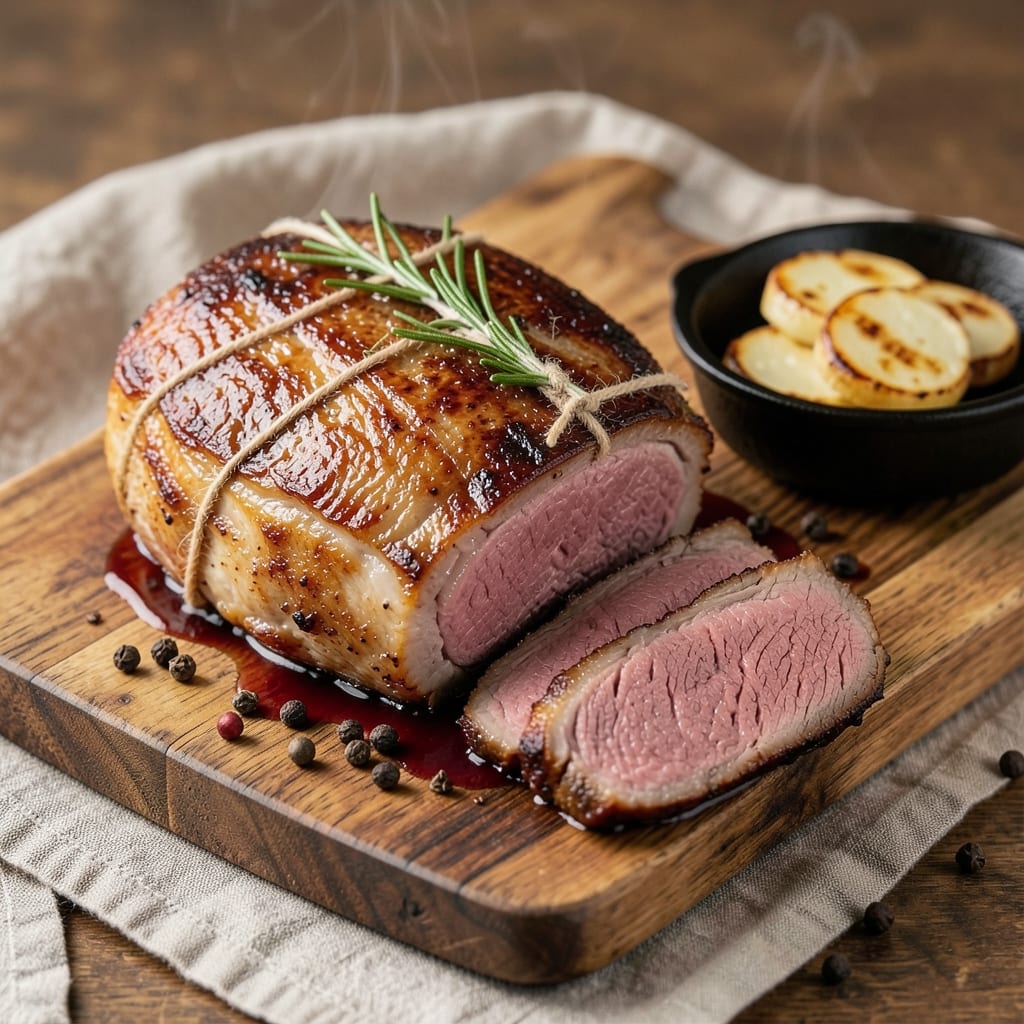
This Angus beef sirloin tip roast recipe delivers the perfect balance of seared crust and melt-in-your-mouth tenderness—exactly what makes high-end steakhouses worth the splurge. The secret lies in a reverse sear technique that ensures even cooking while building that coveted caramelized exterior. After years of perfecting this method, I can confidently say this is the closest you'll get to a butcher shop-quality roast at home, whether you're feeding a family or hosting a dinner party.
What sets this recipe apart is the dry-brining process, which enhances flavor and texture without adding moisture. You'll start by searing the roast over high heat to lock in juices, then finish it in the oven at a controlled temperature to guarantee a perfect medium-rare core every time. The result? A stunning centerpiece that's as impressive to carve as it is to eat, with a crust that's dangerously crisp and a core that's impossibly tender.
Pair this roast with classic sides like garlic mashed potatoes, roasted root vegetables, or a bold red wine reduction to elevate the meal. The make-ahead flexibility makes it ideal for stress-free entertaining—simply prep the roast the night before and let it rest at room temperature before cooking. This isn't just another beef recipe; it's a showstopper that transforms an ordinary dinner into a memorable experience.
The key to success lies in precise temperature control and patience—no rushing, no guessing. With this method, you'll achieve restaurant-quality results that even seasoned home cooks will admire. Let's get started on creating a roast that's worth every bite.
Ingredients for angus beef sirloin tip roast
Six ingredients transform a simple roast into a high-end steakhouse centerpiece—precision matters here.
| Ingredient | Amount | Notes |
|---|---|---|
| Angus Beef Sirloin Tip Roast 🥩 | 4 lb | Center-cut, 2-2.5 inches thick |
| Kosher Salt 🧂 | 1 ½ tbsp | Diamond Crystal preferred |
| Freshly Ground Black Pepper 🌶️ | 1 tsp | Cracked peppercorns preferred |
| Unsalted Butter 🧈 | ½ cup | Cold, cut into 1-inch cubes |
| Garlic Cloves 🧄 | 6 cloves | Smashed, skin-on |
| Fresh Rosemary 🌿 | ¼ cup | Needles finely chopped |
| Fresh Thyme 🌿 | ¼ cup | Leaves only, stems removed |
| Extra-Virgin Olive Oil 🫒 | 2 tbsp | High smoke point preferred |
| Red Wine 🍷 | ½ cup | Bold Cabernet Sauvignon |
| Beef Tallow or Duck Fat 🧈 | 2 tbsp | For high-heat searing |
| Malbec Wine 🍷 | ½ cup | For finishing reduction |
| Yellow Onion 🧅 | 1 whole | Thinly sliced, for garnish |
| Fresh Parsley 🌿 | 0.15 cup | Chopped, for garnish |
The Angus beef sirloin tip is non-negotiable for this recipe—look for USDA Prime or Choice grade with abundant marbling. Local butchers or specialty markets like D'Artagnan or Snake River Farms offer superior cuts. A 4-pound roast yields about 12 servings, perfect for dinner parties. The center-cut section ensures even cooking, while the 2-2.5 inch thickness guarantees proper sear-to-core ratio. If your butcher offers a bone-in option, it adds flavor but requires longer cooking—adjust oven time accordingly. For the dry brine, Diamond Crystal kosher salt will leave a bitter aftertaste, so stick with the former.
No red wine? Substitute with beef stock and a splash of balsamic vinegar—the acidity mimics wine's depth. Fresh herbs can be swapped for dried at one-third the amount, but rosemary's piney notes are essential. The butter should be cold and cubed—room temperature butter will melt prematurely during searing. For the high-heat sear, beef tallow or duck fat works better than olive oil, which can smoke. If you're avoiding alcohol entirely, grape juice reduction adds similar richness. The roast can rest uncovered at room temperature for up to 2 hours before cooking—ideal for stress-free entertaining.
This roast develops peak flavor when rested 20-30 minutes after cooking—don't skip this step. Store leftovers in an airtight container for 3-4 days or freeze for up to 3 months. For make-ahead prep, dry-brine the roast 12-24 hours in advance and store uncovered in the fridge. The crust reheats beautifully—simply broil for 3-5 minutes with a splash of water to restore moisture. Garnish with the red wine reduction and fresh herbs just before serving to maintain presentation.
Why You'll Love This Recipe
- I swear by this: just salt, pepper, and butter on that beautiful sirloin tip. The beef does all the heavy lifting—rich, buttery crust with a tender interior that practically melts when you slice it.
- Two-Ingredient Magic: I swear by this: just salt, pepper, and butter on that beautiful sirloin tip. The beef does all the heavy lifting—rich, buttery crust with a tender interior that practically melts when you slice it.
- Weeknight Hero: Here’s what sold me—it’s ready in 45 minutes (including rest time) and feels fancy without the stress. My husband’s out the door for meetings by 7:30, and this is the only roast that doesn’t make me late.
- Leftovers That Win: Between us, the best part is the next-day slices. Cold or reheated, those slices hold up like a dream—perfect for sandwiches or a quick stir-fry. I make a double batch just for this reason.
Step-by-step instructions for perfectly crusty Angus beef sirloin tip roast
Master this technique and you'll achieve a restaurant-quality roast with a deep mahogany crust and tender interior every time.
Prepare and Season the Roast for Maximum Flavor Development
Remove the 4 lb Angus Beef Sirloin Tip Roast from the refrigerator and pat it completely dry with paper towels, focusing on all sides and the fat cap. This drying step is critical—it prevents steam from forming under the crust, which would otherwise soften it during cooking. Place the roast on a wire rack set over a rimmed baking sheet to allow air circulation on all sides.
In a small bowl, combine the 1.5 tbsp Kosher Salt and 1 tsp Freshly Ground Black Pepper. Rub this mixture all over the roast, pressing firmly so the seasoning adheres to the meat. Pay special attention to the fat cap and any crevices. Let the seasoned roast sit at room temperature for 1 hour before roasting—this ensures even cooking and better crust formation.
Create the Herb Butter Compound for Rich Flavor
While the roast comes to room temperature, prepare the herb butter by combining the 0.5 cup Unsalted Butter (cold, cut into 1-inch cubes), 0.25 cup finely chopped Fresh Rosemary, 0.25 cup Fresh Thyme leaves, 6 smashed Garlic Cloves (skin-on), and 1 tsp Freshly Ground Black Pepper in a food processor. Pulse until the mixture resembles coarse crumbs with butter pieces throughout. Spread this herb butter onto a piece of parchment paper and roll it into a log shape.
This herb butter will create a flavorful crust while keeping the meat moist. The cold butter helps maintain the roast's internal temperature during searing, while the aromatics infuse directly into the meat. Keep this butter log chilled until ready to use.
Sear the Roast with Beef Tallow for Deep Crust Development
Preheat your oven to 425°F. In a large oven-safe skillet or Dutch oven, heat 2 tbsp Extra-Virgin Olive Oil and 2 tbsp Beef Tallow or Duck Fat over medium-high heat until shimmering. Place the roast in the skillet, fat-side down, and sear for 5 minutes. Flip the roast and add the herb butter log to the skillet, pressing it gently against the meat. Sear for another 5 minutes, then flip again and sear the final side for 5 minutes.
You'll know the sear is working when the roast develops a deep golden-brown crust and the fat begins to render. The high heat creates a flavorful crust while the tallow helps render fat that bastes the meat. Don't move the roast during searing—patience here ensures an even crust.
Roast to Perfect Doneness with Wine Reduction
Transfer the skillet with the roast to the preheated oven. Pour in the 0.5 cup Red Wine and 0.5 cup Malbec Wine, scraping up any browned bits from the bottom of the pan. Roast the beef for 20 minutes, then reduce the oven temperature to 300°F and continue roasting for an additional 30-40 minutes, or until the internal temperature reaches 130°F for medium-rare (use a meat thermometer for accuracy).
The wine reduction creates a flavorful pan sauce while the lower temperature ensures even cooking. The roast should have a deep mahogany crust and be tender when pierced with a fork. Remove the roast from the oven and let it rest for 15-20 minutes before slicing—this allows the juices to redistribute throughout the meat.
Finish with Garnish and Serve Immediately
While the roast rests, place the skillet with the wine reduction over medium heat and simmer for 5-7 minutes until reduced by half. Thinly slice the 1 whole Yellow Onion and sauté in the reduced sauce for 2 minutes until softened. Stir in the 0.15 cup Fresh Parsley and season with additional salt and pepper if needed.
Slice the roast against the grain into ½-inch thick slices and serve immediately with the onion-parsley sauce spooned over the top. The combination of the deep crust, tender meat, and flavorful sauce makes this roast truly exceptional—perfect for a special dinner with family or guests.
Pro Tips For Making Angus Beef Sirloin Tip Roast
- USE A MEAT THERMOMETER: I learned this the hard way—guessing doneness with sirloin tip leads to either dry, overcooked beef or rare-center surprises. For medium-rare, pull it at 125°F internal temp (it’ll rise to 130°F while resting), and trust the numbers over time.
- SALT THE ROAST 24 HOURS EARLY: This isn’t the prettiest method, but it’s the tastiest. Generously coat the roast with kosher salt (about 1 tsp per pound) and let it sit uncovered in the fridge—it seasons deeper and keeps the crust intact later. (Yes, even if you’re impatient like me.)
- SEAR IN BATCHES—DON’T CROWD THE PAN: I used to toss the whole roast in at once, and the butter would pool instead of basting. Work in two rounds: sear one side of the roast, flip, then repeat with the other side before adding garlic and butter. The pan stays hot, and the crust forms properly.
- REST IT UNDER FOIL: Skipping this step means juices pooling on the cutting board instead of redistributing. After roasting, tent the beef loosely with foil and let it sit 5–10 minutes—this guarantees tender slices, not a dry first bite. (Your future self will thank you.)
Serving suggestions for leftovers
Classic Sides Pairings
Garlic mashed potatoes are my go-to side—their creamy texture and rich flavor complement the roast perfectly. Use 4 cups Yukon Gold potatoes, ½ cup heavy cream, and 4 tbsp cold butter for the best results. For extra indulgence, fold in ¼ cup grated Parmesan cheese right before serving. 🥔
Roasted root vegetables add a hearty, earthy contrast. Toss 2 lbs carrots, parsnips, and sweet potatoes in 2 tbsp olive oil, 1 tsp thyme, and ½ tsp rosemary, then roast at 400°F for 35-40 minutes until caramelized. The natural sweetness balances the beef's richness beautifully.
Sauce Elevations
My signature red wine reduction takes this dish to the next level. Simmer 1 cup Cabernet Sauvignon with 1 tbsp balsamic vinegar and 1 tsp brown sugar until reduced by half. Finish with 1 tbsp cold butter for a silky texture. Drizzle generously over each slice before serving.
For a lighter option, try a creamy horseradish sauce made with ½ cup sour cream, 1 tbsp prepared horseradish, and 1 tsp lemon juice. The sharpness cuts through the beef's richness while adding a fresh dimension.
Bread Service
A warm, crusty baguette is essential for soaking up all that delicious sauce. Toast slices in the oven at 375°F for 5-7 minutes until golden and crisp. For an extra touch, brush with garlic-infused olive oil before toasting.
For a more elegant presentation, serve with mini dinner rolls brushed with butter and sprinkled with flaky sea salt. These bite-sized options are perfect for sharing and add a refined touch to your table setting.
Vegetable Suggestions
Sautéed green beans with shallots and almonds make a sophisticated side. Cook 1 lb green beans in 1 tbsp butter with 2 sliced shallots until tender-crisp, then finish with 2 tbsp sliced almonds and a squeeze of lemon. The crunch contrasts perfectly with the tender beef. 🌱
For a seasonal twist, try roasted Brussels sprouts with crispy pancetta. Toss 1 lb halved Brussels sprouts with 2 tbsp olive oil and 3 oz chopped pancetta, then roast at 425°F for 20 minutes until caramelized. The salty, smoky flavor pairs wonderfully with the roast.
Nutrition facts
Frequently asked questions
What's the best way to determine if my roast is cooked to perfection?
Use a meat thermometer for accuracy—130°F for medium-rare (ideal for sirloin tip), 140°F for medium, or 150°F for medium-well. Insert the probe into the thickest part, avoiding fat or bone. The roast should feel tender when pierced with a fork, and the juices should run slightly pink for medium-rare.
Can I cook this roast ahead of time and reheat it?
Cook the roast completely (to 145°F for safety), then let it cool. Store in an airtight container in the fridge for 3-4 days or freeze for up to 3 months. To reheat, slice and warm in a skillet with a splash of beef broth over medium-low heat for 3-5 minutes—this restores the crust beautifully.
Why does my crust keep falling apart when I slice?
This usually happens from overcrowding the pan during searing or not letting the roast rest long enough. For a perfect crust:
- Sear in batches if needed,
- Use beef tallow (not olive oil) for high-heat stability, and
- Rest the roast 20-30 minutes before slicing. The internal juices need time to redistribute—rushing this step weakens the crust.
What's the difference between sirloin tip and top sirloin roast?
Sirloin tip roast comes from the rear section of the sirloin, with more connective tissue that breaks down beautifully when cooked low-and-slow. Top sirloin roast is leaner and comes from the top of the sirloin, making it better for quick searing but less forgiving for roasting. For this recipe, sirloin tip delivers superior tenderness and flavor when cooked to medium-rare.
How do I adjust cooking time for a different weight roast?
Use this general rule: 15-20 minutes per pound for a 300°F finish (after initial searing). For example, a 3 lb roast would need 45-60 minutes at 300°F after searing. Always use a meat thermometer—thickness and fat content affect cooking time. A 2-inch roast cooks faster than a 3-inch one of the same weight.