
Main Courses
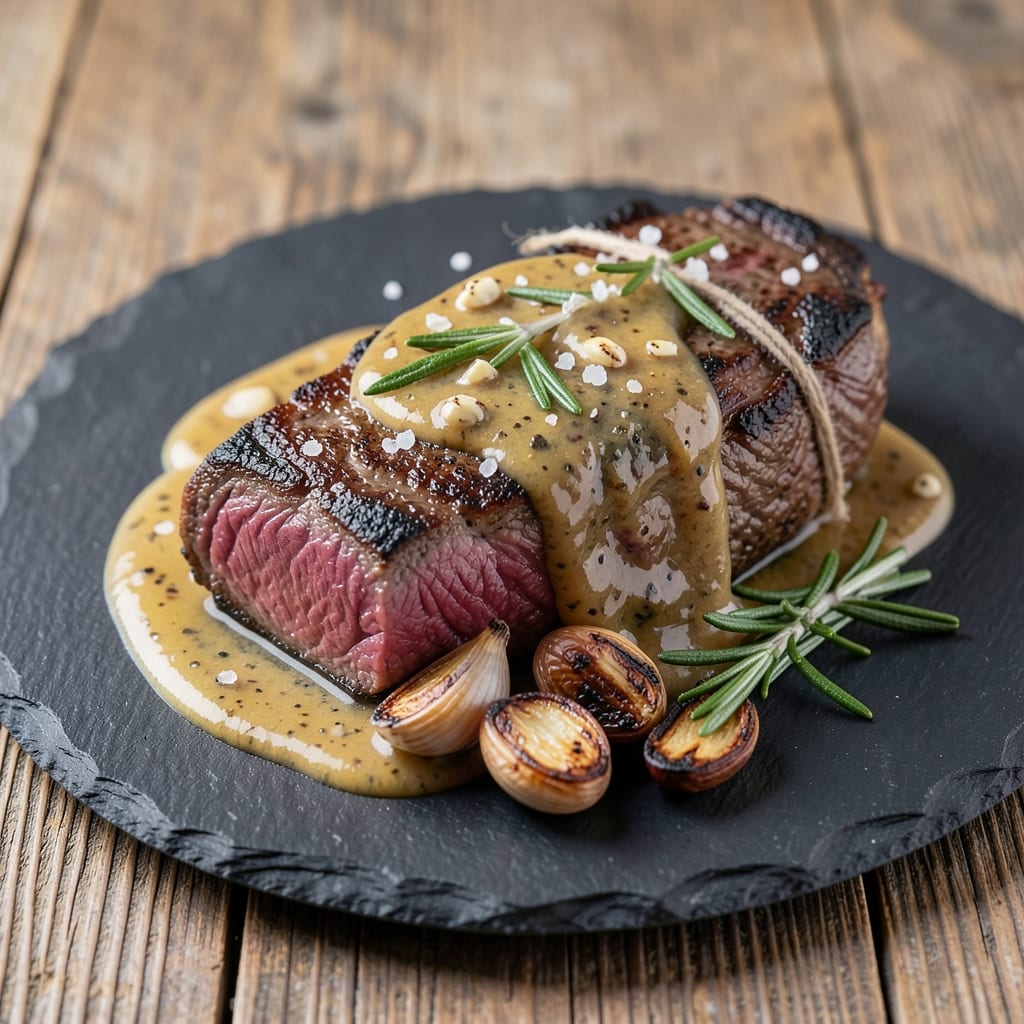
This angus beef sirloin tip steak recipe delivers the perfect balance of a crispy cast iron crust and a buttery, medium-rare interior—every time. The secret lies in high-heat searing followed by precise internal temperature control, a technique that transforms even the toughest cuts into melt-in-your-mouth perfection. With just a few simple steps and the right tools, you’ll achieve restaurant-quality results at home, whether you’re grilling outdoors or searing on the stovetop.
The beauty of sirloin tip steak is its marbling and tenderness, which makes it ideal for high-heat cooking methods like reverse searing or pan-searing. We’ll focus on a foolproof cast iron technique that ensures a caramelized exterior while keeping the center juicy and flavorful. Proper seasoning and resting are just as critical—skipping these steps can turn a great steak into a disappointing one.
By the time you’re done, you’ll have a steak with a deep, savory crust and a velvety interior that practically melts on your tongue. The aroma alone will have everyone at the table anticipating the first bite. Serve it with classic sides like roasted garlic mashed potatoes or grilled asparagus to complete the meal.
This recipe is designed for confidence in the kitchen—no guesswork, no overcooking. Whether you’re cooking for a special occasion or a weeknight dinner, the results will impress even the most discerning steak lovers. Let’s get started on mastering this cut.
Ingredients for angus beef sirloin tip steak
Four key ingredients plus the right tools transform tough steak into restaurant-quality perfection.
| Ingredient | Amount | Notes |
|---|---|---|
| Angus Beef Sirloin Tip Steak 🥩 | 1 ½ lb | Center-cut, 1-1.5 inches thick |
| Kosher Salt 🧂 | 1 ½ tbsp | Diamond Crystal preferred |
| Freshly Ground Black Pepper 🌶️ | 1 ½ tsp | Coarse grind for texture |
| Unsalted Butter 🧈 | ½ cup | Cold, cut into 8 pieces |
| Garlic Cloves 🧄 | 6 cloves | Smashed, skin-on |
| Fresh Rosemary 🌿 | ¼ cup | Chopped, stems removed |
| Extra-Virgin Olive Oil 🫒 | 2 tbsp | High smoke point preferred |
| Cast Iron Skillet 🔥 | 1 whole | 12-inch, well-seasoned |
| Meat Thermometer 🌡️ | 1 whole | Instant-read preferred |
| Wooden Spoon 🪵 | 1 whole | For basting |
| Butcher's Twine 🧵 | 1 piece | For tying steak |
| Aluminum Foil 📄 | 1 sheet | Heavy-duty, for tenting |
The steak choice matters most here—sirloin tip with good marbling is non-negotiable. USDA Prime or Choice cuts from Snake River Farms or your local butcher shop deliver the best results. Look for thick slices (1-1.5 inches) with visible fat marbling—this ensures juiciness. If buying whole, ask for it trimmed to even thickness. The cast iron skillet should be preheated until it's nearly smoking hot; Lodge or Victorio are the gold standards. Don't skip seasoning your pan beforehand with a little oil—this prevents sticking and builds flavor.
No instant-read thermometer? Use the touch test—medium-rare is when the steak feels like a firm handshake. Short on rosemary? Fresh thyme works at double the amount. The butter should be cold and cubed—this creates the perfect crust. For extra flavor, add a pinch of smoked paprika to the butter cubes. The garlic can be roasted ahead (400°F for 10 minutes) to mellow its sharpness. If your steak is thicker than 1.5 inches, cut it in half horizontally before seasoning to ensure even cooking.
Resting is critical—5-10 minutes under foil lets the juices redistribute. The butcher's twine helps maintain shape during searing, but remove it before resting. Leftover steak? Slice against the grain and store in an airtight container for 3-4 days. For reheating, warm in the oven at 200°F for 10 minutes to maintain tenderness. The cast iron pan? Clean it immediately after cooking—hot water and a stiff brush work best while residue is still warm.
Why You'll Love This Recipe
- Two-Ingredient Magic: I swear by this trick—just salt, pepper, and a hot pan. That’s it. The steak’s natural richness does all the heavy lifting while you focus on getting the crust just right.
- Butter-Garlic Bliss: Honestly, the moment I started basting those slices of butter and minced garlic over the steak mid-cook? Everything changed. It’s that simple contrast—crispy edges, melty garlic butter pooling on top—that makes it feel like a restaurant dish.
- Weeknight Hero: Between us, this is my go-to when I’m too tired to fuss. Toss it on the grill or skillet while I chop veggies for the kids—no one complains, and the leftovers reheat like a dream next day.
- Budget-Friendly Luxury: Sirloin tip steak is cheaper than ribeye but tastes like a splurge. I’ll be real: my freezer’s always stocked with it, and I stretch it into stir-fries, tacos, or just sliced thin over mashed potatoes. Best $10 I spend.
Step-by-step instructions for angus beef sirloin tip steak
Here's how to transform tougher sirloin tip into melt-in-your-mouth perfection with a cast iron crust.
Prepare the Steak for Even Cooking
Remove the 1.5 lb angus beef sirloin tip steak from the refrigerator and pat it completely dry with paper towels. I can't stress this enough—any moisture on the surface will prevent that beautiful crust from forming. Place the steak on a cutting board and use the butcher's twine to tie it into an even rectangle, about 1.5 inches thick. This shape ensures even cooking and prevents the edges from curling up in the pan.
Next, create a dry rub by combining the 1.5 tbsp kosher salt and 1.5 tsp freshly ground black pepper in a small bowl. The coarse grind of the pepper will add texture to the crust. Generously coat all sides of the steak with the rub, pressing it into the meat so it adheres well. Let the seasoned steak sit at room temperature for 30 minutes before cooking. This step is crucial—it allows the meat to cook more evenly and prevents shocking the steak with cold meat in a hot pan.
Build the Garlic-Herb Butter and Preheat the Skillet
While the steak seasons, prepare the garlic-herb butter. In a small bowl, mix the 0.5 cup cold unsalted butter with the 6 smashed garlic cloves and 0.25 cup chopped fresh rosemary. The butter should be cold enough to hold its shape when pressed—this ensures it melts beautifully during cooking. Cut the butter mixture into 8 equal pieces using a sharp knife. This makes it easier to baste the steak later.
Place the 12-inch cast iron skillet over high heat until it's screaming hot—you should see a thin layer of steam evaporate when you sprinkle a few drops of water on it. Add the 2 tbsp extra-virgin olive oil and let it shimmer for 1 minute. The oil should be hot enough to sizzle when you touch the steak to it. If you're unsure, it's better to wait—cold oil will absorb into the meat instead of creating that gorgeous sear we're after.
Sear the Steak to Develop Crust and Flavor
Carefully place the steak in the hot skillet, away from you to avoid the oil spray. Let it sear undisturbed for 3 minutes—you'll hear a satisfying sizzle as the crust forms. Press down gently on the steak during the first minute to prevent it from curling. After 3 minutes, use the wooden spoon to flip the steak and add 4 pieces of the garlic-herb butter to the pan. Tilt the skillet slightly and spoon the melted butter over the steak for 1 minute to baste it.
Flip the steak again and baste with the remaining 4 pieces of butter, letting it cook for another 3 minutes. The steak should now have a deep golden-brown crust on both sides. Insert the meat thermometer into the thickest part of the steak—it should read 125°F for medium-rare. If it's not quite there, continue basting and cooking for another 30 seconds to 1 minute, checking frequently. The high heat and butter basting create that perfect contrast of crusty exterior and tender interior.
Rest and Slice for Maximum Juiciness
Once the steak reaches the desired temperature, remove it from the skillet and transfer it to a cutting board. Tent loosely with the aluminum foil and let it rest for 10 minutes. This resting period is non-negotiable—it allows the juices to redistribute throughout the meat. If you skip this step, you'll end up with a dry steak because all the juices will run out onto your plate instead of staying inside where they belong.
After resting, carefully remove the butcher's twine and slice the steak against the grain into ¼-inch thick slices. The grain direction will be visible as lines running through the meat. Serve immediately with any pan juices spooned over the top. Each slice should be tender enough to pull apart with a gentle tug, with a crispy crust that gives way to a buttery, juicy interior. The garlic and rosemary infuse the butter, adding layers of flavor that make this steak truly special.
Pro Tips For Making Angus Beef Sirloin Tip Steak
- CRANK THE HEAT FIRST: Sirloin tip needs a screaming-hot pan—no baby steps. Cast iron or stainless steel, 5-7 minutes until it’s smoking before adding butter. I used to start medium-high and wondered why my crust never formed. High heat sears the fat fast, locking in flavor before you even season.
- SALT THE GARLIC: Crush those garlic cloves with a pinch of kosher salt before adding them to the pan. The salt breaks down the garlic’s cell walls, releasing more aroma and preventing bitter aftertaste. My grandmother swore by this, and she was right: it’s the thing that makes the butter sauce actually sing.
- DON’T STAB THE MEAT: Skip the fork when checking doneness—it lets juices escape. Instead, use your finger to press gently. A 1-inch steak should give slightly at medium-rare (about 130°F internal). I learned this the hard way after a dry, sad steak that looked perfect on the outside.
- REST UNDER FOIL: After resting on a cutting board, cover the steak loosely with foil for the last 5 minutes. This traps residual heat, keeping it juicier longer. Yes, it looks weird, but it works—your future self will thank you when the first slice isn’t a sad, dry mess.
Essential equipment for angus beef sirloin tip steak
Cast Iron Skillet
The 12-inch cast iron skillet is non-negotiable for this recipe—its ability to retain and distribute heat evenly creates that perfect crust. I swear by a well-seasoned Lodge skillet (or Victorio) because they handle high heat without warping. Preheat it until it's nearly smoking hot—this ensures the steak develops a deep, caramelized crust rather than steaming. Always season your pan before use by rubbing it with a thin layer of oil and heating it empty for 10 minutes to prevent sticking. 🔥
Meat Thermometer
A precision meat thermometer is your best friend here—sirloin tip can vary in thickness, and overcooking is easy. I recommend an instant-read model like the ThermoWorks Smoke or Meater for accuracy. Insert the probe into the thickest part of the steak (avoiding fat) and aim for 125°F for medium-rare. The 10-minute rest after cooking lets the internal temperature rise another 5°F, so don’t panic if it hits 130°F at the end of searing. Without a thermometer, you’re guessing—and that’s how dry steak happens.
Wooden Spoon
This humble tool serves two critical purposes: flipping the steak safely (no burned fingers!) and basting with garlic-herb butter. Use a long-handled wooden spoon (like OXO Good Grips) to tilt the skillet and spoon melted butter over the steak—this creates that golden, flavorful crust. Avoid metal utensils while basting, as they can scratch your cast iron or burn the butter. Pro tip: Keep the butter cold until the last minute to maximize its melting effect during searing. 🌿
Butcher's Twine
The butcher's twine might seem optional, but it’s a game-changer for even cooking. Tie the steak into a 1.5-inch-thick rectangle to prevent curling and ensure the crust forms uniformly. I use heavy-duty twine (like Kitchen Twine) because it holds tight without breaking. Remove it before slicing—just run a sharp knife along the twine to loosen it first. For thicker cuts, tie the steak in half horizontally to speed up cooking. Never skip this step if your steak is unevenly shaped!
Aluminum Foil
Heavy-duty aluminum foil is essential for resting the steak properly. Tent it loosely over the cutting board to trap heat while allowing steam to escape—this keeps the steak warm without overcooking. I prefer Reynolds Wrap because it’s sturdy enough to hold its shape. After resting, use the foil to transfer the steak to plates if you’re serving it family-style. For extra crispiness, some chefs tent the steak after searing and finish it under the broiler for 1-2 minutes—just watch it like a hawk! ⏰
Instant-Read Thermometer
If you’re serious about steak, invest in a dual-probe thermometer like the Meater or Thermoworks Smoke—they track both internal temp and surface sear. For this recipe, the instant-read probe ensures you hit 125°F without overcooking. Calibrate it first by testing in boiling water (should read 212°F). Pro move: Clip the thermometer to your cast iron handle so you can monitor the steak hands-free while basting. No thermometer? Use the finger test: medium-rare feels like a firm handshake. 🌡️
Nutrition facts
Frequently asked questions
Can I use sirloin tip steak for reverse searing?
The reverse sear method works perfectly with sirloin tip. Start by baking the steak at 275°F until it reaches 110°F internally (about 30-45 minutes depending on thickness), then finish with a quick sear in the cast iron skillet. This technique ensures a perfect crust while keeping the interior tender. The key is patience—rushing the oven step will result in uneven cooking.
How do I know when sirloin tip is done without a thermometer?
Use the finger test for medium-rare: press your finger on the steak—it should feel like a firm handshake (about 130°F). For medium, press your thumb and index finger together (around 140°F). Remember, sirloin tip benefits from a 10-minute rest—the internal temp will rise 5°F during this time. The steak should also have a deep golden crust on both sides.
What's the best way to store leftover sirloin tip steak?
Slice the steak against the grain and store it in an airtight container with any pan juices. It keeps well in the fridge for 3-4 days. For longer storage, wrap individual slices in plastic wrap and place them in a freezer bag (up to 3 months). To reheat, warm in the oven at 200°F for 10-15 minutes to maintain tenderness. Never microwave—it makes the meat tough.
Why did my sirloin tip steak turn out dry?
Most likely, you skipped the resting step or overcooked it. Sirloin tip needs 10 minutes under foil to redistribute juices. Also, check your internal temp—medium-rare should be 125-130°F. Another common mistake is using a cold pan or not drying the steak thoroughly before searing. Always pat the meat completely dry and use a screaming-hot cast iron skillet for that perfect crust.
Can I substitute sirloin tip with another cut?
For best results, stick with sirloin tip or top sirloin—both have excellent marbling. If substituting, flat iron steak works well (cook it 10-15 minutes less as it's more tender), while ribeye or new york strip will require slightly longer searing times. Avoid lean cuts like sirloin or round steak—they lack the fat needed for juiciness. Adjust seasoning if using a different cut, as some have stronger natural flavors.