
Main Courses
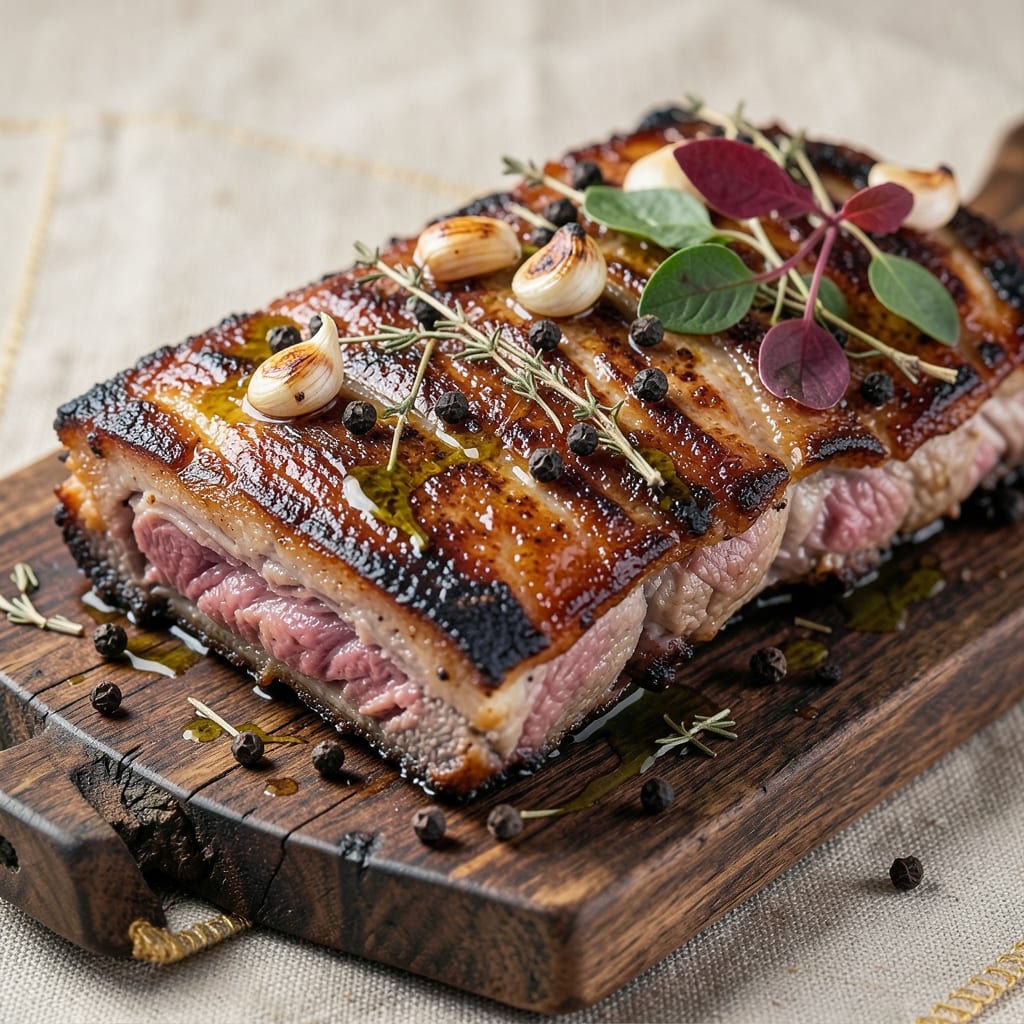
Argentinian beef ribs bring the bold flavors of the parrilla to your kitchen, where tender meat meets a smoky crust kissed with chimichurri. This recipe delivers restaurant-quality results by focusing on slow cooking and bold seasoning—just like the legendary cuts from Buenos Aires. The key lies in a simple marinade and high-heat grilling that transforms tough ribs into melt-in-your-mouth perfection.
What sets these ribs apart is the balance of juicy pink centers and a caramelized crust, achieved through a combination of salt, garlic, and oregano—classic Argentinian flavors that elevate every bite. Unlike traditional American BBQ, this method preserves the meat’s natural tenderness while developing deep, savory notes. The chimichurri, a vibrant parsley-herb sauce, adds a bright finish that cuts through the richness.
By the time you serve these ribs, you’ll have a dish that’s as impressive as it is delicious—golden, aromatic, and packed with flavor. The resting period ensures maximum juiciness, while the chimichurri adds a fresh, herby contrast that makes every bite unforgettable. This is the kind of meal that turns a simple dinner into a celebration.
Perfect for gatherings or a special weeknight treat, these ribs pair beautifully with grilled vegetables or crusty bread. The technique is straightforward but yields professional results, making it ideal for both beginners and seasoned cooks. Let’s get started on this Argentinian masterpiece.
Ingredients for argentinian beef ribs
Juicy pink centers and smoky crust await with these Argentinian beef ribs ingredients.
| Ingredient | Amount | Notes |
|---|---|---|
| Argentinian Beef Ribs 🥩 | 4 lb | Bone-in, meaty cuts preferred |
| Kosher Salt 🧂 | 2 tbsp | Diamond Crystal preferred |
| Garlic Cloves 🧄 | 8 cloves | Fresh, peeled and smashed |
| Dried Oregano 🌿 | 1 tbsp | Mexican oregano for authenticity |
| Ground Black Pepper 🌶️ | 1 tsp | Freshly cracked for depth |
| Olive Oil 🫒 | ¼ cup | Extra-virgin for marinade |
| Fresh Parsley 🌿 | 1 cup | Flat-leaf, tightly packed |
| Fresh Cilantro 🌿 | ½ cup | Stems removed for chimichurri |
| Red Wine Vinegar 🍷 | ¼ cup | Bold, dry variety |
| Extra-Virgin Olive Oil 🫒 | ¾ cup | High-quality for chimichurri |
| Red Chili Flakes 🌶️ | ½ tsp | Adjust for heat preference |
| Lemon Juice 🍋 | 2 tbsp | Freshly squeezed |
| Wooden Charcoal or Hardwood Chips 🔥 | 2 cups | Almond or oak preferred |
The ribs are the star—look for meaty, bone-in cuts with good marbling. Argentinian beef delivers superior tenderness, but Costco or Whole Foods carry excellent domestic options too. If buying frozen, thaw overnight in the fridge. The key is even-sized pieces—trim any large fat caps for consistent cooking. For authenticity, ask your butcher for 'costillas de cerdo' or 'costillas de res' if available, but beef ribs work perfectly. The garlic should be freshly smashed—no pre-minced jars here. And the oregano? Mexican oregano from Latin markets adds that authentic depth, but regular dried works in a pinch.
No Mexican oregano? Italian oregano at double the amount gets you close. Running low on fresh parsley? Cilantro alone works—just use 1.5 cups total. The chimichurri's red wine vinegar can be swapped for white wine vinegar or lemon juice if needed, though the flavor shifts slightly. For the wood chips, almond or oak are traditional, but fruitwoods like apple or cherry add sweetness. If you can't find them, soaked wood chips from a hardware store work surprisingly well. The lemon juice is crucial—bottled won't cut it—so squeeze fresh. And trust me on the extra-virgin olive oil—cheap oil makes cheap chimichurri.
These ribs are best served immediately after grilling, but they reheat beautifully—wrap tightly in foil and warm in a 350°F oven for 15-20 minutes. The chimichurri keeps for 5 days in the fridge, covered with a thin layer of olive oil to preserve color. For leftovers, portion the ribs into meal prep containers with extra chimichurri on top. The wood chips? Save any unused ones in a dry, airtight container for your next cookout. And here's the secret: rest the ribs for 10 minutes before slicing—this is non-negotiable for juiciness. The chimichurri can be made a day ahead, but add the lemon juice fresh before serving.
Why You'll Love This Recipe
- Let’s be real: ribs are expensive, so I always make extra. The good news? These taste just as good cold the next day—perfect for sandwiches or a quick lunch. Not the prettiest, but the taste makes up for it.
- Minimal Ingredient List: I swear by this recipe because it’s that simple—just ribs, salt, garlic, oregano, and pepper. No fancy marinades or last-minute shopping runs. Honestly, I’ve made it three times with exactly what was in my pantry.
- Crispy Yet Tender Magic: The kosher salt crust gives these ribs that addictive snap, while the garlic and oregano melt into the meat like a warm hug. That crispy edge with the creamy center? It’s the kind of bite that makes people ask for seconds before you even finish serving.
- Weeknight or Party Hero: Between us, this is my go-to for both lazy Tuesdays and when unexpected guests show up. Slap them on the grill or bake them—either way, they disappear fast. (Yes, even on a Tuesday night.)
Step-by-step instructions for Argentinian beef ribs with chimichurri
Here's how to transform tough beef ribs into melt-in-your-mouth perfection with a vibrant chimichurri finish.
Prepare the Ribs for Maximum Tenderness
Start by patting the 4 lb Argentinian beef ribs completely dry with paper towels—this is non-negotiable for crispy bark. Generously apply the 2 tbsp kosher salt all over, working it into the crevices and fat cap. Let the ribs sit uncovered on a wire rack in the refrigerator for at least 1 hour, or overnight for best results. This dry-brining process breaks down the meat fibers and creates that coveted crust.
While the ribs brine, prepare your smoker or grill. Use the 2 cups wooden charcoal or hardwood chips (almond or oak preferred) to establish a steady 225°F temperature—this low-and-slow approach is key for tenderizing the meat without drying it out. I like to preheat for 15 minutes to ensure clean, blue smoke before adding the ribs.
Smoke the Ribs Until Fork-Tender
Place the ribs bone-side down on the smoker grates, fat cap up. This positioning allows the rendered fat to baste the meat as it cooks. Smoke undisturbed for 4-5 hours, maintaining that 225°F temperature. Here's the thing—resist the urge to check the ribs early. Every time you open the smoker, you lose heat and add time to your cook.
After about 3 hours, check for the "stall"—when internal temperature plateaus around 165°F. This is normal and happens as moisture evaporates. If you hit this point, wrap the ribs tightly in butcher paper (not foil) and return to the smoker. The paper allows some breathability while trapping steam to push through the stall. Continue cooking until a meat probe slides in like butter with no resistance, typically reaching 203-205°F after 6-8 hours total.
Make the Chimichurri While Ribs Rest
While the ribs smoke, combine the 1 cup fresh parsley, 0.5 cup fresh cilantro, 8 cloves garlic, 0.5 tsp red chili flakes, and 1 tbsp dried oregano in a food processor. Pulse until finely chopped but not paste-like. Transfer to a bowl and whisk in the 0.75 cup extra-virgin olive oil, 0.25 cup red wine vinegar, and 2 tbsp lemon juice. Taste and adjust seasoning with additional salt or chili flakes if needed.
Here's the secret to perfect chimichurri—let it rest for at least 15 minutes before serving. This allows the flavors to meld and the oil to fully emulsify. The vibrant green sauce should coat the back of a spoon with a bright, herby punch. If it looks too thick, add a splash of water; if too thin, whisk in more olive oil. The texture should be like a thick, glossy pesto.
Rest and Serve with Chimichurri
Once the ribs reach 203-205°F and are fork-tender, remove them from the smoker and transfer to a cutting board. Tent loosely with foil and let rest for 30-45 minutes. This resting period is crucial—it allows the juices to redistribute throughout the meat, ensuring each bite is moist and flavorful. The ribs should feel warm to the touch and release juices when pressed gently.
Slice the ribs between the bones into individual servings, discarding any connective tissue. Serve immediately with the chimichurri spooned generously over each portion. The contrast of smoky, tender meat with bright, herby chimichurri is what makes this dish truly special. For extra drama, garnish with additional fresh parsley and a sprinkle of flaky salt.
Pro Tips For Making Argentinian Beef Ribs
- CRACK THE BONE GAP: I learned this the hard way—Argentinian beef ribs have a thick, tough membrane on the bone side that needs to go. Use a sharp knife to slice under it, then pull it off in one piece. No membrane = no chewy surprises, just tender meat.
- SALT LIKE IT’S 1999: Don’t shy away from kosher salt—this isn’t the time for half measures. Pat the ribs dry first, then hit them with a heavy hand (about 1 tablespoon per pound) at least 30 minutes before cooking. The salt penetrates deeper when the meat is dry, and that crust? Non-negotiable.
- GARLIC PASTE, NOT MINCED: Skip the pre-minced garlic—it releases moisture and steams instead of caramelizing. Crush 4-5 cloves, cover with olive oil, and let it sit for 10 minutes before spreading it on the ribs. The paste clings better, browns faster, and adds a deeper flavor without turning to mush.
- LOW AND SLOW AFTER SEARING: Yes, you can rush this, but don’t. Sear the ribs hot and fast over direct heat first—get those edges blackened. Then, move them to indirect heat (275°F/135°C) and let them cook until the internal temp hits 195°F (2-3 hours). The slow finish breaks down collagen; skipping it leaves you with tough, dry ribs. (Your future self will thank you.)
Essential equipment for perfect results
Smoker Essentials
For authentic Argentinian flavor, you’ll need a smoker or grill capable of maintaining a steady 225°F temperature. I recommend a Traeger Pellet Grill or Weber Smokey Mountain for beginners—they’re reliable and easy to control. If you’re using charcoal, a ceramic kamado like the Big Green Egg excels at temperature stability. For wood chips, stick with almond or oak—they complement the ribs beautifully. 🔥
Temperature Control Tools
A meat thermometer is non-negotiable—get a Thermoworks Smoke or Meater for precision. These probes monitor both smoker temperature and internal meat temp. I also keep a wireless remote thermometer nearby to avoid opening the smoker and losing heat. For extra accuracy, invest in a digital thermometer with alarms to alert you when the ribs hit 203°F.
Cutting and Resting Gear
Use a sharp boning knife (like the Victorinox 8-inch) to slice through the ribs cleanly. A wire rack is essential for dry-brining the ribs before cooking—it allows air circulation for even seasoning. For resting, I wrap ribs in butcher paper (not foil) to maintain moisture while letting the crust breathe. A large cutting board and tongs complete the setup for easy handling.
Chimichurri Prep Tools
For the chimichurri, a food processor (like a Cuisinart Mini-Prep) is ideal for chopping herbs finely. A whisk and small mixing bowl work too if you prefer manual control. Store leftover chimichurri in an airtight container with a thin layer of olive oil on top to preserve freshness. A fine-mesh strainer helps remove any herb stems if needed.
Optional Upgrades
For a more authentic experience, add a parrilla grill (Argentinian-style grill) if you’re serious about this dish. A chimenea (Argentinian clay chimney) can also enhance wood smoke flavor. If you love chimichurri, consider growing your own parsley and cilantro—fresh herbs make all the difference. 🌿
Nutrition facts
Frequently asked questions
What's the secret to tender Argentinian beef ribs?
The magic lies in the low-and-slow cooking method at 225°F for 6-8 hours and proper resting. The slow heat breaks down collagen while the 30-45 minute rest after cooking lets juices redistribute. Never skip the rest—this is what keeps your ribs juicy and fork-tender!
Can I cook these ribs on a regular grill instead of a smoker?
Use indirect heat and maintain 225°F by placing the ribs on the cooler side of the grill. Add wood chips to the coals for smoke flavor. For best results, use a grill with a lid to trap heat. If your grill gets too hot, move the ribs to a cooler area or wrap them in butcher paper to slow cooking.
How do I know when the ribs are fully cooked?
Use a meat thermometer to check for 203-205°F internal temperature. The ribs should also pull away from the bone with slight resistance and be fork-tender. If they feel firm, they need more time. Pro tip: The "probe test" works best—when the probe slides in like butter, they're ready!
What if I don't have Mexican oregano?
Use Italian oregano at double the amount (2 tbsp instead of 1 tbsp). Regular dried oregano works too, though it'll be slightly less flavorful. For extra depth, add a pinch of ají molido (Argentinian red pepper flakes) if available. The chimichurri will still taste amazing—just slightly different!
Can I make chimichurri ahead of time?
Yes! Prepare it up to 5 days ahead and store in an airtight container with a thin layer of olive oil on top. For best flavor, let it rest for 15 minutes before serving. The oil helps preserve freshness and prevents browning. Just add fresh lemon juice when ready to serve for maximum brightness.