
Main Courses
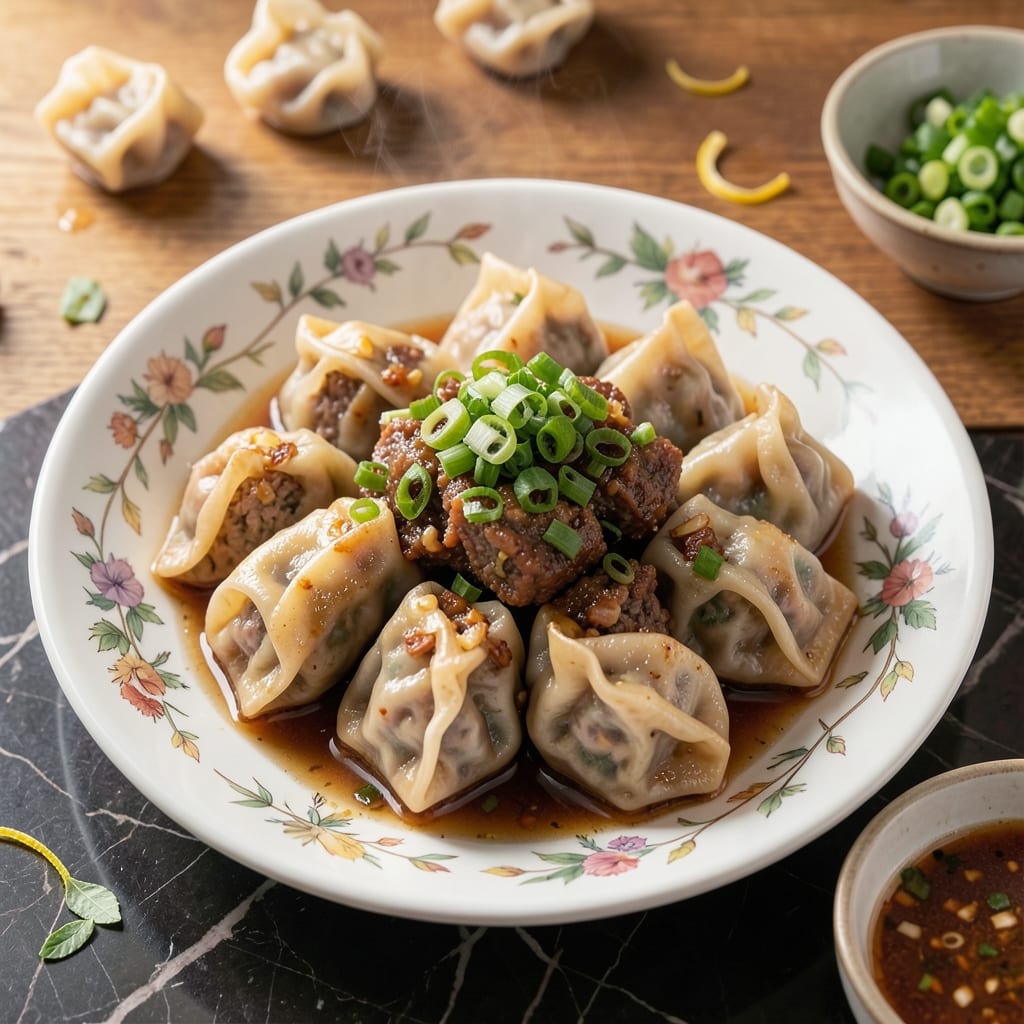
This Asian beef dumpling recipe delivers the perfect balance of crispy pan-fried edges and juicy fillings that make every bite irresistible. The secret lies in a tender wheat-based dough and a savory beef filling packed with aromatics, all wrapped with precision for that signature restaurant-style seal. Whether you're making Chinese jiaozi, Japanese gyoza, or Korean mandu, this method ensures golden-brown bottoms and succulent centers every time.
The dough starts with simple ingredients—flour, water, and a touch of oil—but the technique is what transforms it into something extraordinary. After resting, the dough becomes pliable and easy to roll into thin circles, while the filling combines ground beef with ginger, garlic, and scallions for maximum flavor. The key to juicy fillings? Binding them with egg and cornstarch to lock in moisture during cooking.
Pan-frying brings out the best in these dumplings, creating a crispy crust that contrasts beautifully with the tender filling inside. The high heat seals the edges while keeping the centers warm and succulent. Serve them with a classic soy-vinegar dipping sauce or a spicy chili oil for an extra kick—either way, they disappear faster than you can say "second helping."
This recipe works for both beginners and experienced cooks, with step-by-step instructions to ensure perfect results. Once you master the technique, you'll never buy store-bought dumplings again. Let’s get started on creating your own batch of homemade Asian beef dumplings that taste like a night at your favorite Asian bistro.
Ingredients for asian beef dumpling
Crispy edges, juicy fillings—just 16 ingredients transform simple pantry staples into restaurant-quality Asian beef dumplings.
| Ingredient | Amount | Notes |
|---|---|---|
| All-Purpose Flour 🌾 | 3 cups | High-protein preferred for chewiness |
| Ice Water ❄️ | 1 ½ cups | Chilled for pliable dough |
| Vegetable Oil 🫒 | 1 tbsp | Light, neutral flavor |
| Ground Beef 🥩 | 1 ½ lb | 80/20 fat ratio for juiciness |
| Fresh Ginger 🌿 | 2 tbsp | Finely grated, aromatic |
| Garlic Cloves 🧄 | 4 cloves | Minced for deep flavor |
| Scallions 🧅 | 4 whole | Thinly sliced, white parts only |
| Large Eggs 🥚 | 1 whole | Room temperature for binding |
| Cornstarch 🌾 | 1 tbsp | For moisture retention |
| Soy Sauce 🍶 | 2 tbsp | Light or dark variety |
| Sesame Oil 🫒 | 1 tsp | Toasted for aroma |
| Neutral Oil 🫒 | ½ cup | For pan-frying (vegetable or canola) |
| Salt 🧂 | 1 tsp | Kosher or sea salt |
| Black Pepper 🌶️ | ½ tsp | Freshly ground |
| White Vinegar 💧 | 1 tbsp | For dipping sauce |
| Sugar 🍚 | 1 tsp | For dipping sauce balance |
The flour is your foundation—King Arthur or Gold Medal work best for that perfect chew. If you're feeling fancy, Hokkaido flour from Asian markets gives extra tenderness. For the beef, 80/20 fat ratio is non-negotiable—it keeps those fillings impossibly juicy. Look for ground beef labeled 'chuck' at Costco or Trader Joe's for the best value. Fresh ginger and garlic? Whole roots and bulbs last longer and taste better than pre-grated. Toast your sesame oil first—just warm it in a dry pan for 30 seconds to bring out those nutty aromas (don't let it smoke!).
No fresh ginger? Substitute 1 tbsp ground ginger plus 1 tsp lemon juice for brightness. Scallions too pungent? Swap for 1 tbsp green onion powder. Running low on cornstarch? Arrowroot powder works 1:1. For the dough, if your kitchen's too warm, chill the dough between sheets of plastic wrap for 20 minutes. The filling can be prepped ahead—store in the fridge for up to 2 days—but don't wrap it in plastic (it'll get soggy). For extra crispiness, add 1 tsp potato starch to the flour—game changer for the pan-fry.
Dough keeps 3 days wrapped in plastic in the fridge or 3 months frozen. Filling? 2 days fridge max—after that, flavors get dull. For make-ahead magic, freeze uncooked dumplings on a tray first (so they don't stick), then transfer to a bag. Cook straight from frozen—just add 1-2 minutes to the pan-fry time. Leftover dipping sauce? Store in the fridge for 1 week—stir before using as it separates. Pro tip: Keep a bowl of hot water nearby while wrapping—damp fingers prevent sticking!
Why You'll Love This Recipe
- No-Fuss Dough: I swear by this dough—just flour, ice water, and a pinch of patience. No yeast, no resting overnight, and the result? Pillowy wrappers that hold their shape even when I’m not the most careful folder.
- Ginger-Beef Magic: That fresh ginger? It’s the star. It cuts through the richness of the ground beef, giving it this bright, zesty kick that makes every bite feel like a little flavor explosion. (Yes, even when I forget to zest it finely.)
- Potluck Hero: I bring these to gatherings because they’re foolproof—freeze them raw, steam them later, and no one ever questions my cooking skills. Plus, they’re cheap enough to make for a crowd without breaking the bank.
- Leftovers? More Like Leftovers: Between us, I make a double batch and freeze half. The next time I’m too tired to cook, I just steam a few—still crispy edges, still packed with flavor. It’s my lazy-night secret weapon.
Step-by-step instructions for Asian beef dumplings
Here's how to craft dumplings with irresistibly crispy edges and melt-in-your-mouth fillings.
Prepare the Dough for Perfect Texture
In a large mixing bowl, combine the 3 cups all-purpose flour and 1 tbsp vegetable oil. Use your fingertips to work the oil into the flour until it resembles coarse crumbs with no dry patches. This step ensures even moisture distribution for a smooth dough.
Gradually add the 1.5 cups ice water while stirring with chopsticks or a fork. The cold water is crucial—it creates a firm, pliable dough that won't stick to your hands. Once combined, turn the dough onto a clean surface and knead for 5-7 minutes until smooth and elastic. Wrap tightly in plastic and rest for 30 minutes at room temperature. This resting period relaxes the gluten, making rolling easier and preventing tears when you seal the dumplings.
Create the Signature Flavor-Packed Filling
In a large bowl, combine the 1.5 lb ground beef, 2 tbsp finely grated fresh ginger, 4 minced garlic cloves, and 4 thinly sliced scallions (white parts only). Using your hands, break up any large clumps in the beef to ensure even cooking and maximum surface area for flavor absorption.
In a small bowl, whisk together 2 tbsp soy sauce, 1 tsp sesame oil, 1 tsp salt, and 0.5 tsp black pepper. Pour this mixture over the beef and mix thoroughly. Sprinkle in the 1 tbsp cornstarch and 1 whole large egg, then combine until the filling is moist but not wet. The cornstarch helps bind the filling while preventing it from becoming greasy during cooking. Cover and refrigerate for 15 minutes to let the flavors meld.
Assemble Dumplings with Precision
Divide the rested dough into 24 equal portions (about 1.5 oz each). Roll each piece into a 3-inch circle using a rolling pin, keeping the thickness consistent at about ⅛ inch. For perfect circles, roll from the center outward, rotating the dough as you go.
Place 1 tablespoon of filling in the center of each dough circle. Fold the dough in half to form a half-moon shape, then press the edges together firmly with your fingers or a fork to seal completely. For extra security, I like to pinch the edges in a crimped pattern—this not only seals the dumplings but also creates those beautiful decorative edges that make them look restaurant-worthy.
Pan-Fry for Crispy Edges and Juicy Centers
Heat 0.5 cup neutral oil in a large skillet over medium-high heat until shimmering but not smoking. Arrange the dumplings in a single layer, leaving ½ inch between each one. Cook undisturbed for 2-3 minutes until the bottoms turn a rich golden brown and crispy. This is the moment that matters—don't peek or move them too soon, or you'll lose that perfect sear.
Carefully flip each dumpling using tongs and cook for another 2-3 minutes on the second side until golden brown. The filling should be hot and juicy, with no trace of pink remaining. Transfer to a paper towel-lined plate to drain excess oil. Repeat with remaining dumplings, working in batches to maintain even heat in your pan.
Prepare the Dipping Sauce
In a small bowl, whisk together 1 tbsp white vinegar, 1 tsp sugar, and 1 tsp soy sauce until the sugar dissolves completely. This tangy-sweet sauce cuts through the richness of the dumplings while enhancing their savory flavors. For an extra touch, you can add a few drops of sesame oil to deepen the aroma.
Serve the dumplings immediately with the dipping sauce on the side. The contrast of crispy, golden-brown exteriors with tender, juicy interiors makes each bite unforgettable. For an authentic touch, arrange them on a platter and garnish with extra sliced scallions or a sprinkle of toasted sesame seeds.
Pro Tips For Making Asian Beef Dumpling
- CHOP GINGER SMALL: Fresh ginger loses its kick when it’s too big—grate it into tiny specks, not slices. I learned this the hard way when my dumplings tasted bland; now I use a microplane and mix it straight into the beef while it’s still raw.
- WORK THE DOUGH FAST: Push the dough with your fingertips, not your palms—you’re not making pie crust. Keep it moving for 3-4 minutes until it’s smooth but not sticky, then cover it with a damp towel. This prevents it from drying out while you prep the filling.
- DON’T OVERFILL THE WRAPPERS: Stuffing them too full makes them burst when steamed. Pack the beef-ginger mix loosely—think "generous spoonful," not "mountain." Press the edges gently but firmly to seal, or they’ll leak like a sieve.
- SEAR THE BEEF FIRST: Cook the ground beef until it’s just browned, not gray—this builds flavor. Drain most of the fat (leave a teaspoon), then stir in the grated ginger while it’s still hot. The residual fat keeps the dumplings juicy when steamed.
Creative variations of these flavors
Chinese Jiaozi
For the classic Chinese version, focus on a light soy sauce (like Kikkoman) in the filling and a clear, thin dipping sauce made with 1 tbsp rice vinegar, 1 tsp sugar, and a pinch of white pepper. The key difference? Chinese dumplings often use a smaller amount of filling—about 1 teaspoon per dumpling—to create a delicate balance. I like to fold them into pleated edges using my fingers, which gives that iconic half-moon shape. Serve with a side of hot mustard for a spicy kick. 🥟
Japanese Gyoza
Japanese gyoza take things up a notch with a crispier, almost fried exterior—this is where the potato starch in the dough comes into play. Use dark soy sauce (like Lee Kum Kee) for a deeper color and richer flavor in the filling. The Japanese version often includes a touch of mirin (about ½ teaspoon) in the filling for sweetness. For serving, a spicy mayo dipping sauce (mix mayonnaise with sriracha and a squeeze of lemon) is a must. 🍜
Korean Mandu
Korean mandu are all about bold flavors and texture contrast. Swap the beef for a mix of ground pork and beef (or even spicy pork bulgogi), and add 1 tbsp gochujang (Korean chili paste) to the filling for heat. The dough can be slightly thicker, and the dumplings are often steamed or pan-fried until the bottoms are deep golden brown. Serve with a sesame-soy dipping sauce (mix soy sauce, sesame oil, minced garlic, and sesame seeds). For extra crunch, top with fried shallots before serving. 🌶️
Steamed Dumplings
Skip the pan-frying entirely and steam your dumplings for a lighter, healthier version. Line a steamer basket with parchment paper (poke holes for steam to escape) and arrange dumplings in a single layer. Steam over boiling water for 10-12 minutes until the dough is translucent. The filling stays juicy and tender, and the dumplings have a delicate, almost silky texture. Perfect for a lighter meal or as part of a dim sum spread. 🌿
Air-Fryer Crispy
For a healthier crispy version, use an air fryer at 375°F for 8-10 minutes, shaking the basket halfway through. This method cuts oil by 50% while still delivering that crunchy exterior. The air fryer works best with smaller dumplings (about 1.5 inches wide), so adjust your filling size accordingly. A light spray of neutral oil before air-frying ensures extra crispiness. Pair with a yogurt dipping sauce (mix Greek yogurt, lemon juice, and dill) for a refreshing twist. ⚡
Vegetarian Adaptation
Swap the beef for a mushroom and tofu mix—use 8 oz shiitake mushrooms (finely chopped) and ½ block firm tofu (crumbled). Add 1 tbsp soy sauce, 1 tsp sesame oil, and 1 tsp grated ginger to the filling. For extra umami, stir in 1 tbsp nutritional yeast. The texture holds up beautifully when pan-fried, and the earthy flavors shine in the dumplings. Serve with a miso-ginger dipping sauce for a bold, savory kick. 🌱
Nutrition facts
Frequently asked questions
How do I prevent my dumpling dough from sticking while working?
Keep your work surface lightly dusted with flour and always wet your fingers with water before handling the dough. For extra insurance, chill the dough for 10 minutes before rolling—this makes it firmer and less likely to stick. If it starts sticking anyway, don't panic: just dip your fingers in water and gently smooth it out.
Can I make the filling ahead of time?
Yes! The filling keeps well in the fridge for up to 2 days if stored in an airtight container. For best results, let it sit at room temperature for 15 minutes before using—this helps the flavors meld and makes it easier to handle. Just don't wrap it tightly in plastic (it'll get soggy).
What's the best way to get crispy bottoms without burning them?
Use medium-high heat and 0.5 cup neutral oil spread evenly in your pan. Cook the dumplings undisturbed for 2-3 minutes until golden brown—this is the magic window. If your pan isn't hot enough, the oil will pool instead of creating crispy edges. Work in batches to maintain even heat.
Can I freeze uncooked dumplings?
Freeze them on a tray first (so they don't stick), then transfer to a bag. Cook straight from frozen—just add 1-2 extra minutes to the pan-fry time. For best results, thaw them in the fridge overnight before cooking. The filling stays juicy, and the dough maintains its structure beautifully.
What if my dumplings leak filling while cooking?
This usually happens when the dough is too thin or the filling isn't properly sealed. For future batches, use 1.5 oz dough per dumpling (about ⅛-inch thick) and press the edges firmly with your fingers or a fork. If it happens during cooking, just flip them quickly—the filling will stay mostly contained, and the flavor won't be affected.