
Main Courses
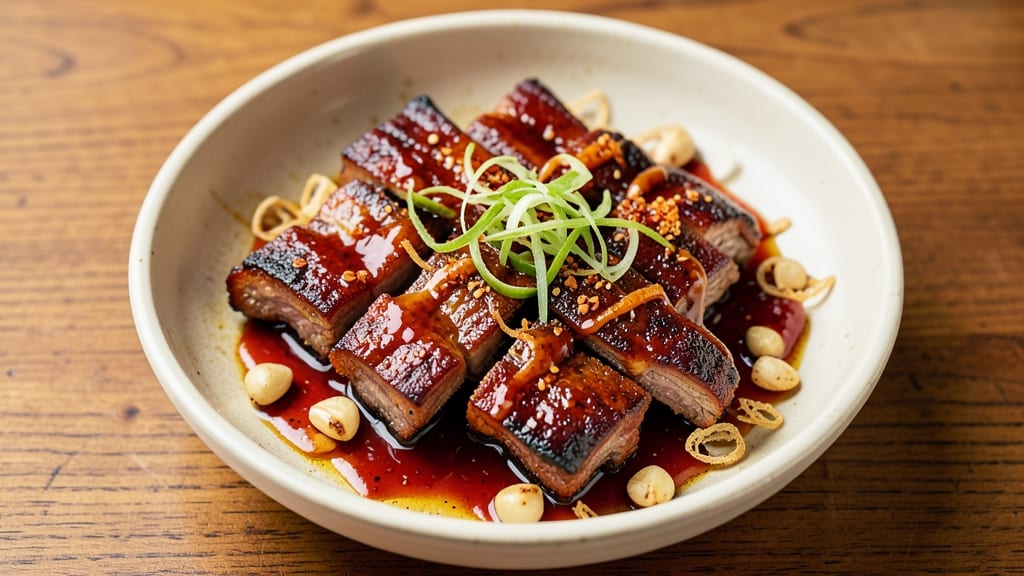
This Asian beef ribs recipe delivers restaurant-quality results with a glossy hoisin glaze that creates the perfect balance of sticky-sweet and crispy edges. After years of testing different marinades and glazes, I’ve perfected a method that transforms tough beef ribs into tender, flavorful bites with a caramelized finish.
The secret lies in the marinade’s combination of soy sauce, brown sugar, and garlic, which tenderizes the meat while building deep flavor.
The process begins with a 30-minute marinade that infuses the ribs with aromatic flavors, followed by a low-and-slow braise to ensure the meat stays juicy and tender. The hoisin glaze, applied in the final stages, adds that signature sticky-sweet shine while creating crispy edges that are impossible to resist.
This technique is foolproof—even if you’re new to Asian cuisine, the step-by-step instructions will guide you through every stage.
By the time you’re done, you’ll have ribs that are tender enough to pull apart with a fork, coated in a glossy glaze that’s both sweet and savory.
The aroma alone will have everyone gathering around the table, and the result is a dish that’s impressive enough for dinner guests but simple enough for a weeknight. Serve with steamed jasmine rice and stir-fried greens for a complete meal.
This recipe serves 4–6 people, making it perfect for gatherings or meal prep. The leftovers reheat beautifully, so you can enjoy the flavors for days. Whether you’re grilling, braising, or roasting, the method is adaptable and designed to deliver consistent, professional-quality results every time.
Ingredients for asian beef ribs
Six core ingredients transform tough ribs into sticky-sweet perfection with crisp edges.
| Ingredient | Amount | Notes |
|---|---|---|
| Beef Ribs (Baby Back) 🥩 | 3 lb | Bone-in, meaty cuts preferred |
| Soy Sauce 🥢 | ½ cup | Low-sodium preferred for balance |
| Brown Sugar 🍯 | ½ cup | Light or dark, packed tightly |
| Garlic Cloves 🧄 | 6 cloves | Fresh, minced for marinade |
| Ginger Root 🌿 | 1 tbsp | Freshly grated, aromatic |
| Sesame Oil 🫒 | 1 tbsp | Toasted for nutty depth |
| Hoisin Sauce 🍶 | ½ cup | Store-bought or homemade |
| Rice Vinegar 🍶 | 2 tbsp | White or seasoned |
| Honey 🍯 | 2 tbsp | Wildflower preferred |
| Red Chili Flakes 🔥 | 1 tsp | Adjust for heat preference |
| Ground Black Pepper 🌶️ | 1 tsp | Freshly cracked preferred |
| Olive Oil 🫒 | 2 tbsp | For searing ribs |
| Jasmine Rice 🍚 | 2 cups | Uncooked, for serving |
| Green Onions 🧅 | 4 whole | Sliced, for garnish |
The ribs are non-negotiable—baby back cuts deliver the best balance of meat and fat. Costco or your local butcher usually have them pre-cut, but if buying whole, ask for the meaty sections. Look for vibrant color and good marbling; the more fat, the juicier the result. I always grab extra because leftovers reheat beautifully. For the soy sauce, Kikkoman or Lee Kum Kee are reliable, but any low-sodium brand works. The brown sugar? Domino packs tightly, so use a spoon to level it off—no scooping from the bag.
No hoisin sauce? Mix 3 tbsp soy sauce, 1 tbsp honey, and 1 tsp sesame oil for a quick substitute. The ginger and garlic can be swapped for 1 tbsp each of ginger paste and garlic powder if fresh isn’t an option. For a smokier flavor, add 1/2 tsp smoked paprika to the marinade. The sesame oil is key—Trader Joe’s toasted sesame oil has the best nutty flavor, but any brand will work. If you’re short on time, pre-mince the garlic and ginger in a food processor to save 10 minutes of chopping.
Marinate the ribs for at least 30 minutes, but overnight is ideal. Store the marinade in a sealed container in the fridge. The ribs keep 3-4 days in the fridge after cooking—portion into containers for easy reheating. For longer storage, freeze cooked ribs for up to 3 months. The glaze thickens as it cools, so reheat gently to restore its glossy texture. Serve with extra hoisin on the side for dipping—trust me, you’ll want it.
Why You'll Love This Recipe
- One-Pan Magic: I swear by this—just ribs, sauce, and a sheet pan. No fancy tools, no mess, and the garlic-ginger glaze caramelizes right there while I sip my tea.
- Sweet-Savory Balance: That brown sugar and soy combo? It’s the kind of flavor that makes you close your eyes. The ribs stay sticky and tender, not dry or overpowering—just right.
- Leftover Gold: These ribs reheat like a dream. Cold slices in rice bowls the next day? Or wrapped in lettuce for a quick lunch? Honestly, I make a double batch just for this.
- Budget Crowd-Pleaser: Baby back ribs aren’t cheap, but this recipe stretches them far—perfect for game days or family dinners. Plus, the sauce costs pennies, and everyone asks for seconds.
Step-by-step instructions for Asian beef ribs
Here's the method that delivers fall-off-the-bone ribs with a glossy, sticky-sweet glaze every time.
Prepare the Glossy Hoisin Marinade
In a medium bowl, combine the 0.5 cup soy sauce, 0.5 cup brown sugar, 6 cloves garlic cloves (minced), 1 tablespoon freshly grated ginger root, 1 tablespoon toasted sesame oil, 0.5 cup hoisin sauce, 2 tablespoons rice vinegar, 2 tablespoons honey, 1 teaspoon red chili flakes, and 1 teaspoon freshly cracked ground black pepper. Whisk vigorously until the brown sugar dissolves completely and the mixture becomes smooth and glossy.
The reason for whisking so thoroughly is to create an even coating that will caramelize beautifully on the ribs. If you notice any undissolved sugar granules, gently warm the mixture over low heat for 30 seconds while stirring constantly. This marinade should smell rich, slightly sweet, and aromatic with garlic and ginger notes.
Marinate and Sear the Ribs
Place the 3 lb beef ribs (baby back) in a large resealable plastic bag and pour the marinade over them. Gently massage the marinade into every crevice and crack, ensuring the ribs are completely coated. Seal the bag and refrigerate for at least 4 hours, or preferably overnight. The longer they marinate, the more tender and flavorful they'll become.
When ready to cook, remove the ribs from the refrigerator and let them sit at room temperature for 30 minutes. This prevents temperature shock when they hit the hot pan. Heat 2 tablespoons olive oil in a large oven-safe skillet over medium-high heat. Once the oil shimmers, carefully add the ribs in a single layer, bone-side down. Sear for 4-5 minutes until they develop a deep golden-brown crust on the meaty side.
Slow-Braise for Maximum Tenderness
Transfer the skillet to a preheated 300°F oven and braise the ribs for 2 hours. This low-and-slow cooking method ensures the connective tissue breaks down completely while the marinade caramelizes into a glossy glaze. After 1 hour, flip the ribs bone-side up to ensure even cooking and glaze development on both sides.
Here's the thing—don't peek at the ribs during this time. Every time you open the oven, you lose heat and moisture, which can dry out the meat. Instead, trust the cooking time and temperature. You'll know they're done when the meat is fork-tender and pulls away easily from the bone, and the glaze has thickened into a sticky, glossy coating.
Finish with a Sticky-Sweet Glaze
Remove the ribs from the oven and increase the heat to broil. Return the skillet to the oven for 3-5 minutes to intensify the glaze color and create a slight char on the edges. Watch closely—you want the glaze to bubble and darken but not burn. If the glaze starts to smoke excessively, reduce the heat slightly.
Once the glaze is deeply caramelized and glossy, transfer the ribs to a serving platter. Let them rest for 5 minutes before slicing between the bones. This resting period allows the juices to redistribute, ensuring each bite is moist and flavorful. Garnish with 4 whole green onions (sliced) for a fresh contrast to the rich, sweet-savory glaze.
Serve with Jasmine Rice
While the ribs rest, cook the 2 cups jasmine rice according to package instructions until tender and fluffy. The rice should be hot and slightly sticky, ready to soak up the delicious glaze from the ribs. Serve the ribs over the rice, spooning any remaining glaze from the skillet over the top for maximum flavor.
Each bite should deliver a perfect balance of sweet, savory, and umami flavors with a tender, juicy texture. The glossy glaze should cling to the ribs and coat your plate, making every mouthful a sticky-sweet experience. Enjoy immediately while the ribs are at their peak tenderness and the glaze is still warm and glossy.
Pro Tips For Making Asian Beef Ribs
- Sear First, Slow Later: Hit those baby back ribs with a screaming-hot pan for 2-3 minutes per side before braising—this locks in flavor and keeps them from falling apart later. I learned this the hard way when my ribs turned mushy after simmering in soy-ginger sauce.
- Grate, Don’t Slice Ginger: Fresh ginger loses potency when chopped, but grating it releases oils that actually penetrate the ribs. Use a microplane for 1-2 teaspoons—enough to make the sauce sing without overpowering the beef.
- Skip the Boiling Start: Dumping ribs straight into a pot of simmering liquid makes them tough. Instead, par-cook them in the oven at 300°F (150°C) for 20 minutes first—just until they’re barely tender. This lets the sauce cling better later.
- Reduce Sauce Halfway: Your soy-brown sugar mixture will look watery at first, but let it reduce by 30% before adding the ribs back in. This thickens the glaze and coats every bite—no sticky fingers, just sticky ribs in the best way.
Storing and reheating this dish
Fridge Storage Secrets
Store your cooked ribs in an airtight container lined with parchment paper—I swear by Rubbermaid Brilliance containers for this—to prevent sticking and keep them moist. The ribs stay delicious for 3-4 days when refrigerated at 40°F or below.
I always portion them into individual servings so I can reheat just what I need without dealing with a whole platter. 💡
Here’s my pro tip: Let the ribs cool to room temperature for no more than 2 hours before refrigerating. This prevents condensation buildup, which can make the meat soggy. Once cooled, I press plastic wrap directly onto the surface of the glaze to lock in moisture and prevent drying.
Freezer-Friendly Tricks
For longer storage, freeze cooked ribs for up to 3 months in a single layer on a baking sheet before transferring to a freezer bag. This prevents freezer burn and keeps the glaze from turning into a sticky mess.
I label bags with the date and reheating instructions—trust me, you’ll forget otherwise. 🧊
When reheating from frozen, I use the stovetop method (never microwave) to preserve texture. Thaw overnight in the fridge, then reheat in a skillet over medium-low heat with 2 tablespoons water for 8-10 minutes, basting with extra hoisin sauce to restore that glossy finish.
Stovetop Reheating
This is my go-to method for leftovers because it keeps the glaze sticky and shiny. Place ribs in a skillet over medium heat and add 1-2 tablespoons water or beef broth to prevent sticking.
Cover with a lid and heat for 5-7 minutes, then uncover and baste with 1 tablespoon hoisin sauce to revive the glaze. 🔥
If the glaze looks dry, add a splash of water or a tiny bit of honey to bring back that glossy sheen. I like to finish with a quick broil for 1-2 minutes to caramelize any dried spots—it’s like giving them a second chance at restaurant quality.
Oven Refresh Method
For a hands-off approach, preheat your oven to 325°F, place ribs on a baking sheet with 1 tablespoon hoisin sauce, and cover loosely with foil. Bake for 15-20 minutes until heated through. This method works great for reheating larger portions without drying them out. 🍴
I always check the internal temperature with a meat thermometer—165°F is the safe zone. If the glaze starts to dry, a quick broil at the end will bring back that glossy finish.
Pro tip: Add a few drops of water to the pan before broiling to create steam and keep things moist.
Nutrition facts
Frequently asked questions
Can I use pork ribs instead of beef ribs for this recipe?
Yes, but with adjustments! Pork ribs (like baby back pork) work well, but reduce cooking time to 1.5-2 hours since they cook faster than beef. Use the same marinade, but increase the hoisin glaze by 2 tablespoons to compensate for pork's milder flavor. The texture will be slightly more tender, but the sticky-sweet profile remains perfect.
How do I make this recipe with a slow cooker?
Transfer marinated ribs to a slow cooker and cook on low for 6-8 hours or high for 3-4 hours. In the last 30 minutes, add 0.25 cup hoisin sauce to the cooker and cover to thicken the glaze. For extra crispiness, broil for 2-3 minutes before serving.
Why did my glaze turn out too runny?
This usually happens if you didn't reduce the marinade enough before applying it. Next time, simmer the marinade uncovered for 5 minutes to thicken it first. For runny glaze on cooked ribs, spread them on a baking sheet and broil for 3-5 minutes to caramelize and thicken the sauce naturally.
Can I make this recipe ahead of time?
Cook the ribs up to 2 days ahead and store them in the fridge. Reheat using the stovetop method: cover with foil and warm on low heat for 10 minutes, then broil for 1-2 minutes to restore the glaze's shine. The flavors actually deepen overnight!
What's the best way to serve these ribs?
Pair them with steamed jasmine rice to soak up the glaze, plus quick-pickled cucumbers or steamed bok choy for freshness. For a complete meal, add a side of sesame noodles or miso soup. The contrast of textures and temperatures makes every bite perfect.