
Soups & Stews
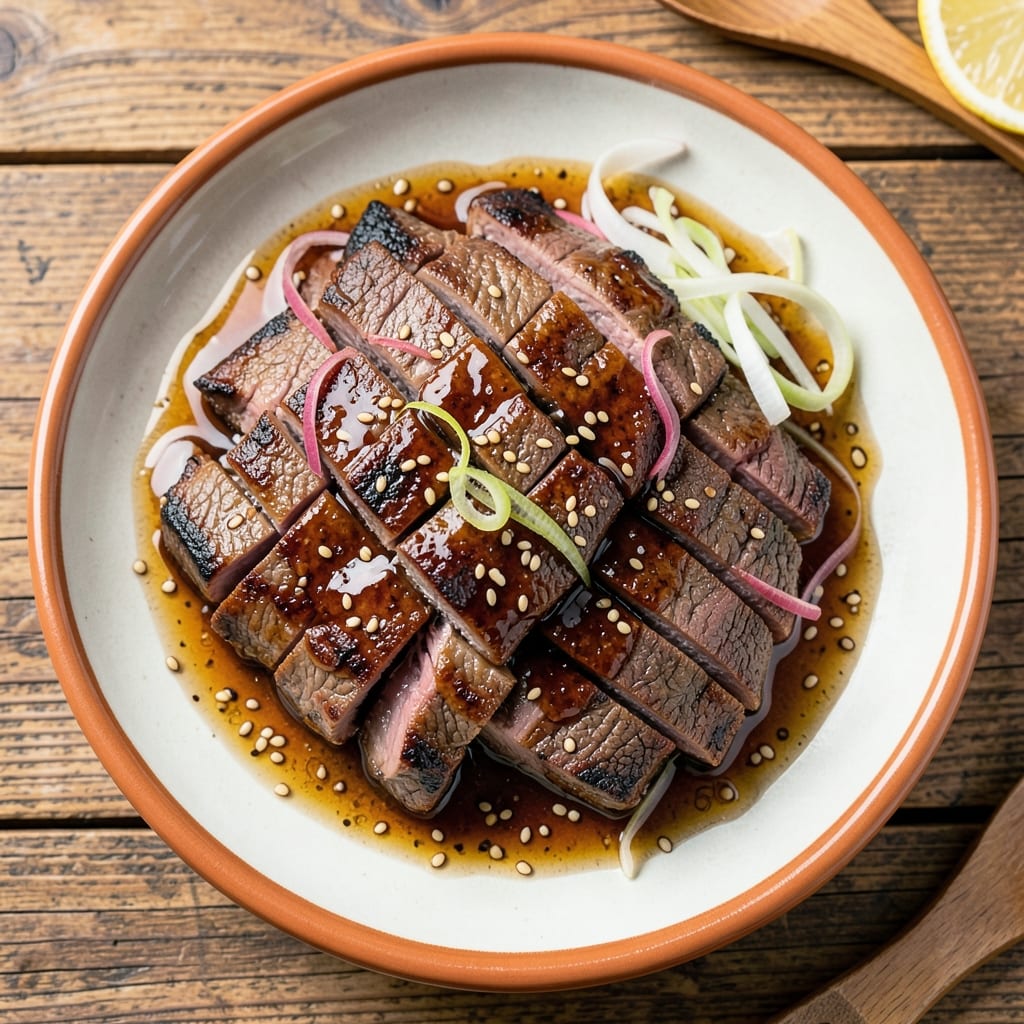
This Asian sticky beef recipe delivers the perfect balance of sweet, savory, and umami—where tender beef transforms into caramelized perfection through wok-heated soy sauce and honey. The secret lies in marinating the beef overnight, allowing flavors to penetrate deeply before achieving that signature glossy, sticky finish through high-heat stir-frying. I developed this recipe after years of experimenting with Asian braising techniques, and it never fails to impress.
The beauty of this dish is its adaptability—whether you lean toward Thai-inspired sweetness or Japanese-style soy-forward richness, the technique remains the same. You'll start with a simple marinade of soy sauce, honey, garlic, and ginger, then finish by deglazing the wok with a splash of water to create that irresistible caramelized sauce. The result? Beef that's tender yet holds its shape, coated in a glossy, slightly sticky glaze that clings to every bite.
What makes this recipe truly special is how it elevates a simple protein into something restaurant-worthy, all while keeping the process straightforward for home cooks. Serve it over steamed jasmine rice or alongside crisp stir-fried vegetables for a complete meal that feels both comforting and sophisticated. The aroma alone will have everyone gathered around the table, and the first bite delivers on that promise of umami-packed perfection.
This method works equally well with flank steak, ribeye, or even tougher cuts like chuck, making it a versatile choice for any weeknight or special occasion. The key is patience—letting the beef marinate and the sauce reduce properly ensures that final, show-stopping result. Ready to master this dish?
Ingredients for asian sticky beef
Fourteen ingredients transform simple beef into restaurant-quality sticky perfection through marinating and wok technique.
| Ingredient | Amount | Notes |
|---|---|---|
| Flank Steak 🥩 | 1 ½ lb | Thinly sliced against the grain |
| Low-Sodium Soy Sauce 🥢 | ½ cup | Kikkoman preferred for balance |
| Honey 🍯 | ¼ cup | Wildflower for floral notes |
| Garlic Cloves 🧄 | 6 cloves | Minced, fresh preferred |
| Fresh Ginger 🌿 | 2 tbsp | Grated, peeled, organic |
| Sesame Oil 🫒 | 1 tbsp | Toasted, for aroma |
| Rice Vinegar 🍶 | 1 tbsp | White or seasoned |
| Brown Sugar 🍚 | 2 tbsp | Light or dark variety |
| Cornstarch 🌾 | 1 tbsp | Diamond Crystal preferred |
| Neutral Oil 🫒 | 2 tbsp | Avocado or vegetable |
| Jasmine Rice 🍚 | 1 ½ cups | Uncooked, long-grain |
| Green Onions 🧅 | 4 whole | Thinly sliced, white/green |
| Sesame Seeds 🌰 | 1 tbsp | Toasted for garnish |
| Red Chili Flakes 🌶️ | ½ tsp | Adjust for heat preference |
| Salt 🧂 | 1 tsp | Diamond Crystal kosher |
The flank steak is non-negotiable for this recipe—it's lean yet tender when sliced properly. Look for cuts with good marbling at Whole Foods or your local butcher shop, where they can slice it against the grain for you. If you're buying a whole steak, ask for it to be cut ¼-inch thick. Kikkoman soy sauce is my go-to for its balanced saltiness, but Lee Kum Kee works equally well. The honey should be wildflower for subtle floral notes that complement the umami. For ginger, organic is best—it's less likely to be treated with preservatives that can alter flavor. Store-bought pre-minced garlic often contains anti-caking agents, so fresh is ideal here.
No low-sodium soy sauce? Regular soy sauce with half the amount of salt works, but taste as you go. Substitute honey with maple syrup or agave nectar if needed, though the flavor profile shifts slightly. The cornstarch is crucial for thickening the sauce—arrowroot powder works in a pinch, but cornstarch gives that classic glossy finish. For the rice, jasmine rice is traditional, but basmati holds up well too. The sesame oil should be toasted—Kadoya is a reliable brand—as regular sesame oil lacks the nutty depth. If you're avoiding gluten, tamari is a suitable soy sauce alternative, though the flavor will differ slightly.
Marinated beef keeps in the fridge for up to 24 hours—longer than that and the texture suffers. The sauce can be made a day ahead and reheated gently on the stove. Store it in an airtight container with a thin layer of oil on top to prevent skin formation. For the rice, cook it fresh or reheat with a splash of water and a pinch of salt to restore moisture. The finished dish reheats beautifully—3-5 minutes in a wok or skillet over medium heat is ideal. Portion leftovers into containers with parchment paper between layers to prevent sticking, and they'll keep for 4 days in the fridge.
Why You'll Love This Recipe
- One-Pan Magic: I swear by this recipe when I’m too tired to scrub pots—just sear the steak, toss in the honey-soy-ginger sauce, and let it caramelize. The garlic and ginger practically cook themselves, and the sticky glaze clings to every bite without extra effort.
- Sweet-Savory Bomb: That perfect balance of salty soy, bright ginger, and honey’s caramelized richness? It’s the kind of flavor that makes you pause mid-bite. Honestly, I’ve tried store-bought versions, and this homemade glaze beats them all—especially when the steak’s edges get that irresistible crust.
- Lunchbox Hero: Between us, this is my go-to for meal prep. Slice the cooled steak thin, pack it with rice or noodles, and it stays delicious for days. My kids (yes, even the picky one) ask for it in their lunches—proof it’s not just adult-friendly.
- Budget Win: Flank steak stretches further than you’d think, and a little goes a long way with this sticky sauce. I’ll be real: I’ve made this for date nights, family dinners, and even a last-minute potluck—always a hit, never a budget buster. Leftovers? They’re basically free flavor.
Step-by-step instructions for Asian sticky beef with jasmine rice
Master this wok technique for perfectly tender beef bathed in glossy, caramelized sauce.
Prepare the Flank Steak and Marinate
Slice the 1.5 lb flank steak thinly against the grain into ¼-inch strips. This ensures maximum tenderness when cooked. Place the sliced beef in a bowl and add 0.5 cup low-sodium soy sauce, 0.25 cup honey, 2 tbsp grated fresh ginger, 1 tbsp rice vinegar, 2 tbsp brown sugar, and 1 tsp salt. Mix thoroughly until the beef is evenly coated.
Cover the bowl and refrigerate for at least 30 minutes (up to 2 hours for deeper flavor penetration). The marinade will begin breaking down the tough fibers in the meat, creating a silky texture. This step is critical—don't skip it, even if you're eager to cook.
Cook the Jasmine Rice
Rinse the 1.5 cups jasmine rice under cold water until the water runs clear, then drain. In a medium saucepan, combine the rice with 2.5 cups water and 1 tsp salt. Bring to a boil over medium-high heat, then reduce to low heat, cover, and simmer for 15 minutes. Remove from heat and let it steam, covered, for another 10 minutes. Fluff with a fork before serving.
The rice should be tender but still slightly firm to the bite. If it's undercooked, return it to the heat for 2-3 minutes covered. Overcooked rice becomes mushy and ruins the texture contrast with the sticky beef. Keep the rice warm while you finish the main dish.
Sear the Beef and Build the Sauce
Heat a wok or large skillet over high heat until smoking, then add 2 tbsp neutral oil. Working in batches if needed, remove the beef from the marinade (reserve the marinade) and sear for 1-2 minutes per side until deep golden brown. The beef should release easily from the pan—if it sticks, your pan isn't hot enough. Transfer the seared beef to a plate.
Return the wok to high heat and add the reserved marinade. Bring to a boil, then reduce to medium-high heat and simmer for 3-4 minutes until slightly thickened. Stir in 1 tbsp cornstarch mixed with 2 tbsp water to create a glossy, sticky consistency. The sauce should coat the back of a spoon and have a caramelized sheen.
Finish with Aromatics and Garnish
Add the 6 minced garlic cloves and 1 tbsp toasted sesame oil to the wok, stirring for 30 seconds until fragrant. Return the seared beef to the wok and toss to coat evenly in the sauce. Cook for an additional 1-2 minutes until the beef reaches 145°F internal temperature. Remove from heat and stir in 0.5 tsp red chili flakes and 1 tbsp toasted sesame seeds for added depth.
Serve the Asian sticky beef immediately over the jasmine rice, garnished with 4 thinly sliced green onions. The sauce should cling beautifully to both the beef and rice, creating that signature sticky texture. For extra presentation, drizzle with a touch more sesame oil and sprinkle additional sesame seeds on top.
Pro Tips For Making Asian Sticky Beef
- Slice Against the Grain: Flank steak’s tough fibers run diagonally—cutting across them means every bite will feel like a tender victory. Grab your knife and slice at a 45-degree angle before serving, even if it looks messy. (Yes, it’s worth the extra 30 seconds.)
- Sear in Two Stages: Start with a screaming-hot pan to get that crust, then drop the heat to medium-low once the steak’s browned. I learned this the hard way—charred edges hide under the sauce, making the beef taste burnt instead of caramelized. Keep it moving, but keep it steady.
- Mince Ginger Like a Pro: Peel and slice ginger into matchsticks, then smash them flat with the side of your knife before mincing. This releases more flavor and prevents those annoying chewy bits. (No food processor? A heavy skillet works too—just pound it until it’s pulp.)
- Reduce the Sauce Hard: Don’t rush the honey-soy glaze—let it bubble away uncovered until it coats the back of a spoon. I used to stop when it looked thick, but pushing it another 2-3 minutes turns that sticky sauce from cloying to deeply flavorful. (Patience pays off here.)
Regional styles of these flavors
Thai Sweet Chili Style
For a Thai-inspired twist, boost the marinade with 1 tbsp fish sauce and 1 tbsp Thai sweet chili sauce (like Maesri). Add 1 tsp palm sugar to deepen the caramelization, and finish with 1 tbsp chopped cilantro instead of green onions. The sweet-spicy balance is perfect with jasmine rice and a side of stir-fried Thai basil. 🌶️
Japanese Teriyaki Approach
Lean into Japanese flavors by swapping honey for mirin and adding 1 tbsp sake to the marinade. Use 1 tbsp grated daikon alongside the ginger for umami depth. After cooking, drizzle with 1 tsp grated fresh ginger and 1 tsp toasted nori strips for that authentic izakaya vibe. Serve with steamed bok choy for a balanced meal. 🍶
Korean Bulgogi Fusion
Transform this into bulgogi-inspired sticky beef by adding 1 tbsp gochujang (Korean chili paste) and 1 tbsp pear puree to the marinade. Thinly slice 1 small onion and 1 carrot into matchsticks, then stir-fry them with the beef for extra texture. Garnish with 1 tbsp toasted sesame seeds and 1 tsp toasted sesame oil for a smoky-sweet kick. 🔥
Vietnamese Caramelized Beef
Create a Vietnamese-inspired version by adding 1 tbsp fish sauce and 1 tsp black pepper to the marinade. Deglaze the wok with 2 tbsp coconut aminos instead of water for a deeper umami. Finish with 1 tbsp chopped Thai basil and a squeeze of lime juice for brightness. Pair with steamed rice noodles for a noodle bowl twist. 🍋
Spicy Sichuan Twist
For heat lovers, infuse the marinade with 1 tbsp Sichuan peppercorns (lightly toasted and ground) and 1 tsp chili bean paste. Stir-fry the beef with 1 tbsp minced garlic and 1 tsp doubanjiang (fermented chili bean paste) for that signature numbing-spicy kick. Garnish with 1 tbsp chopped scallions and 1 tsp chili oil for maximum drama. 🌶️🔥
Sweet and Tangy Filipino Style
Give it a Filipino flair by adding 1 tbsp banana ketchup and 1 tsp calamansi juice (or sub with lime juice). Deglaze the wok with 2 tbsp coconut milk for richness. Top with 1 tbsp chopped green onions and 1 tsp toasted garlic for a sweet-tangy finish. Serve with garlic fried rice for a full Filipino feast. 🍌
Nutrition facts
Frequently asked questions
Can I use a different cut of beef instead of flank steak?
This recipe works beautifully with ribeye or chuck roast—just slice against the grain and adjust cooking time. For tougher cuts like chuck, marinate for 4-6 hours instead of 2 to ensure tenderness. Ribeye stays juicier with 1-2 minutes less searing per side.
How do I get that perfect sticky glaze without burning the sauce?
Start with a high-heat wok to sear the beef first, then reduce to medium-high heat for the sauce. The cornstarch slurry should be added when the marinade is bubbling but not boiling—this creates the glossy finish. Stir constantly for 30-45 seconds after adding it to prevent lumps.
What's the best way to reheat leftovers?
Reheat in a non-stick skillet over medium heat with 1 tbsp water for 3-4 minutes, stirring constantly. Avoid microwaving—it makes the sauce watery. For extra stickiness, add ½ tsp soy sauce and ½ tsp honey while reheating.
Can I make this recipe gluten-free?
Yes! Swap soy sauce for tamari or coconut aminos, and use gluten-free oyster sauce if needed. The honey and cornstarch remain safe. For extra umami, add 1 tbsp fish sauce to the marinade. The texture and flavor will be slightly different but still delicious.
Why did my beef turn out tough instead of tender?
This usually happens from overcooking or not slicing against the grain. Use a meat thermometer—beef should reach 145°F max. For extra tenderness, marinate for 4+ hours and sear in small batches to prevent overcrowding. Pound the steak lightly before slicing if needed.