
Sauces & Condiments
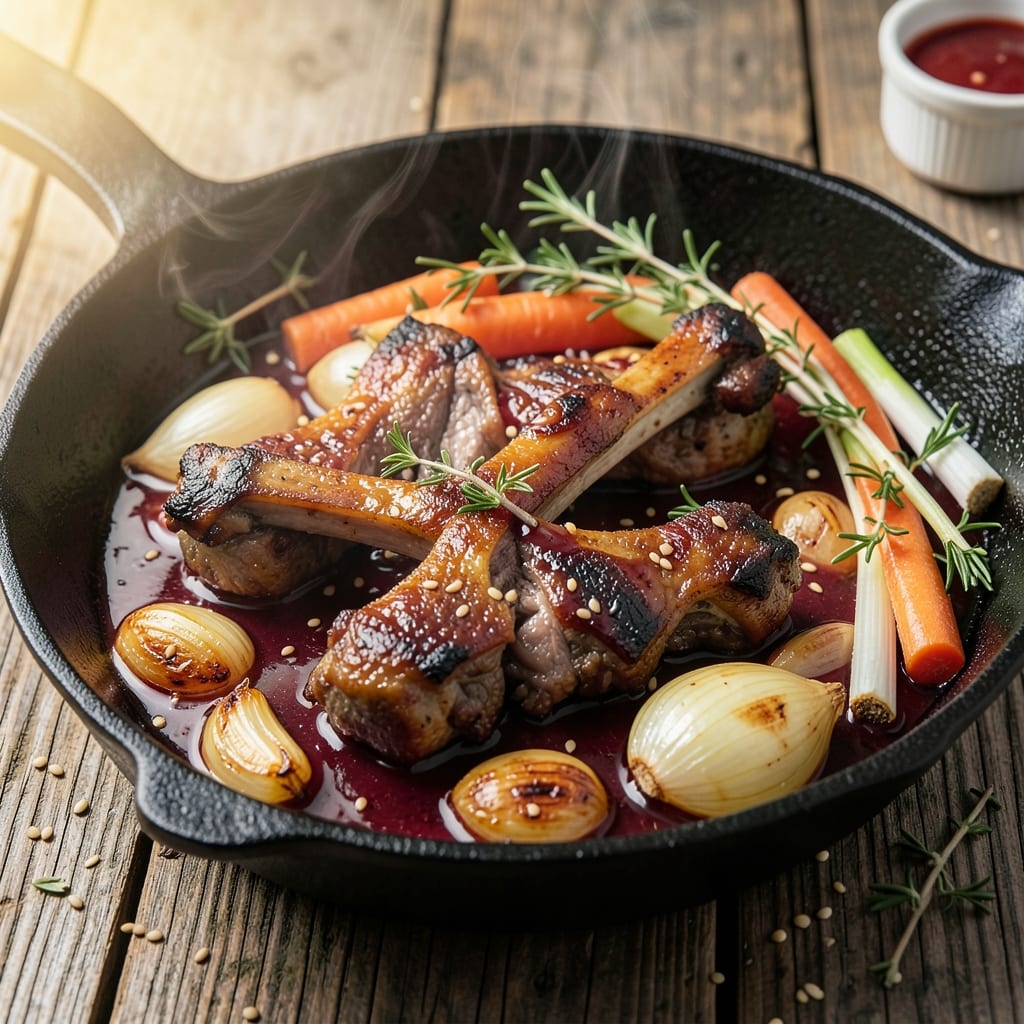
This au jus recipe with beef bones transforms tough bones into a rich, golden elixir that elevates any beef dish. The secret lies in slow extraction—simmering bones until their marrow and collagen dissolve into a velvety, umami-packed sauce. I've perfected this method over years of testing, ensuring clarity without cloudiness and depth without bitterness.
The process begins with a deep roast of the bones to develop caramelized flavors, followed by a slow simmer in aromatic vegetables and herbs. A splash of red wine adds brightness, while a final reduction concentrates the essence into a sauce that clings to every bite. This isn't just a sauce—it's a flavor multiplier that turns simple proteins into restaurant-worthy meals.
What sets this au jus apart is its balance: rich yet clean, with a glossy finish that signals perfection. The bones render their natural gelatin, creating a sauce that thickens slightly when chilled but remains silky when reheated. No additives or thickeners are needed—just time, patience, and the right technique.
Ideal for serving alongside roasted beef, steak fries, or even as a dipping sauce for crusty bread. The versatility of this au jus makes it a pantry staple, ready to transform ordinary meals into extraordinary ones. Let's create this deep, savory foundation for your next beef masterpiece.
Ingredients for au jus recipe with beef bones
Transform tough bones into a rich, umami-packed sauce with these essential ingredients.
| Ingredient | Amount | Notes |
|---|---|---|
| Beef Bones 🦴 | 2 lb | Knuckle or marrow bones preferred |
| Yellow Onions 🧅 | 2 whole | Chopped into 1-inch pieces |
| Carrots 🥕 | 3 whole | Peeled and cut into 2-inch chunks |
| Celery Stalks 🧆 | 3 whole | Cut into 2-inch pieces |
| Garlic Cloves 🧄 | 6 cloves | Smashed but not minced |
| Fresh Thyme 🌿 | 2 sprigs | Or 1 tbsp dried thyme |
| Fresh Parsley 🌿 | ¼ cup | Chopped for finishing |
| Red Wine 🍷 | 1 cup | Dry Cabernet or Merlot |
| Beef Stock 🥄 | 4 cups | Homemade preferred |
| Olive Oil 🫒 | 2 tbsp | For roasting bones |
| Salt 🧂 | 1 ½ tsp | Kosher salt preferred |
| Black Peppercorns 🌶️ | 1 tsp | Coarsely crushed |
The bones are everything here—marrow and knuckle bones yield the deepest flavor. Look for them in the meat section of Whole Foods or your butcher shop; they're often sold in bulk. Freshness matters: bones should smell clean, not fishy or sour. Costco often carries them pre-packaged if you prefer convenience. Roast them first to develop caramelized flavors before simmering. Don't skip this step—it's what separates good au jus from great. For the aromatics, organic carrots and celery add natural sweetness that balances the richness.
No red wine? Dry sherry or extra beef stock works in a pinch, though wine adds brightness. Fresh thyme is ideal, but dried thyme at one-third the amount suffices if needed. The beef stock should be homemade if possible—store-bought often contains additives that cloud the sauce. For the vegetables, baby carrots or pre-cut celery sticks save prep time without sacrificing flavor. If you're short on time, a quick roast in the oven (425°F for 20 minutes) caramelizes the vegetables just as well as slow cooking. The key is patience—rushing this process will yield a thin, watery result.
This sauce improves with time—3-4 days in the fridge concentrates the flavors beautifully. Strain through a fine-mesh sieve before storing to remove any impurities. Portion into airtight containers and cover with a thin layer of olive oil to preserve freshness. Keeps for up to 2 weeks refrigerated or 3 months frozen. For best results, reheat gently on low heat, stirring occasionally. The sauce will thicken as it cools—just add a splash of warm water to restore silkiness if needed. Freeze extras in ice cube trays for easy single-use portions.
Why You'll Love This Recipe
- One-Pot Magic: I swear by this—just toss in beef bones, rough-chopped onions, carrots, and celery (no fancy dicing needed), then let the slow simmer do the work. That’s it. No straining, no extra pans, just pure, rich au jus that tastes like it simmered all day.
- Deep Umami Bomb: Between the marrow-rich bones and the caramelized onions, this au jus is ridiculously flavorful—no bouillon cubes or secret blends here. The garlic cloves? They melt into the broth, leaving behind that slow-cooked, savory depth that makes you want to drink it straight from the pot.
- Leftovers That Shine: This stuff actually improves the next day. Use it to deglaze a skillet for steak night, drizzle it over roasted potatoes, or even toss it into a grain bowl. Honestly, I’ve never had a leftover au jus I didn’t want to use again.
- Budget-Friendly Luxury: Beef bones are cheap, and this recipe stretches one pot into multiple meals without breaking the bank. I’ll be real: my grocery budget thanks me every time I make this instead of buying store-bought au jus. Plus, it’s the kind of dish that makes frugal cooking feel fancy.
Step-by-step instructions for au jus with beef bones
Transform humble beef bones into a rich, velvety au jus using this precise method.
Roast the Beef Bones for Deep Flavor
Preheat your oven to 425°F and position a rack in the middle position. Place the 2 lb beef bones on a baking sheet lined with aluminum foil, bone-side up. Drizzle with the 2 tbsp olive oil and rub it evenly over all surfaces to help develop a rich crust.
Roast for 30-40 minutes until the bones develop a deep mahogany color and you can smell that unmistakable caramelized aroma. Flip them halfway through for even browning. This roasting step extracts maximum flavor from the bones, creating the foundation for your au jus. Don't rush this—properly roasted bones yield a sauce with incredible depth.
Build the Aromatic Base
While the bones roast, prepare your vegetables. In a large Dutch oven or heavy pot, add the 2 whole chopped yellow onions, 3 whole peeled carrots cut into 2-inch chunks, and 3 whole celery stalks cut into 2-inch pieces. Add the 6 smashed garlic cloves and 2 sprigs fresh thyme.
Place the roasted bones directly into the pot with the vegetables. Pour in the 1 cup red wine and scrape up any browned bits from the bottom of the roasting pan—these contain concentrated flavor. Add the 4 cups beef stock, 1.5 tsp salt, and 1 tsp coarsely crushed black peppercorns. Bring everything to a gentle simmer over medium-high heat.
Simmer for Maximum Extraction
Once simmering, reduce heat to low and partially cover the pot. Let it cook for 3-4 hours, maintaining a gentle simmer. You'll notice the liquid gradually darkens and intensifies in flavor as it extracts collagen and marrow from the bones.
After 2 hours, skim any foam or impurities that rise to the surface with a ladle. This keeps your final au jus clear and velvety. The longer you simmer, the richer the sauce becomes—don't be tempted to rush this process. You're building layers of umami flavor that can't be achieved quickly.
Strain and Finish the Sauce
After 3-4 hours of simmering, remove the bones and vegetables from the pot using tongs. Strain the liquid through a fine-mesh sieve into a clean pot, pressing gently on the solids to extract all the flavor. Discard the bones and vegetables—their purpose is now complete.
Return the strained liquid to the pot and bring it to a gentle simmer. Stir in the ¼ cup chopped fresh parsley and simmer for an additional 5-10 minutes to incorporate the fresh herbs. Taste and adjust seasoning if needed—you may need to add a pinch more salt or pepper to balance the flavors.
Reduce for Perfect Consistency
Reduce the sauce over medium heat until it reaches your desired consistency. You're looking for a sauce that coats the back of a spoon but isn't syrupy. This typically takes 15-20 minutes, depending on your stove's heat level. The sauce should be glossy and rich, with a deep reddish-brown color.
For the best results, use the au jus immediately to serve with your roasted meats. If storing, let it cool completely, then refrigerate for up to 5 days or freeze for up to 3 months. The flavors only deepen with time, making this a versatile sauce for any occasion.
Pro Tips For Making Au Jus Recipe With Beef Bones
- BLANCH BONES FIRST: Toss your beef bones in boiling water for 2-3 minutes before browning—this loosens grime and prevents cloudy au jus. I learned this the hard way when my first batch turned muddy; now I swear by it.
- CHAR THE ONIONS LOW: Walk away after 15 minutes of caramelizing onions—real color happens at 275°F, not high heat. I used to rush this and wondered why my mirepoix tasted bland; patience pays off here.
- SKIP THE CELERY STALKS: Swap whole celery stalks for 1-2 tablespoons chopped celery leaves—they add depth without turning to mush. My grandmother swore by this, and she was right: it’s the subtle upgrade no one mentions.
- STRAIN TWICE, REDUCE FASTER: After simmering, strain through a fine-mesh sieve then cheesecloth for crystal-clear au jus. Sounds weird, but it works—and you’ll save 20 minutes skimming fat later. (Yes, even if you’re impatient like me.)
Health benefits of this au jus recipe with beef bones
Rich Protein Source
This au jus is a powerhouse of protein, thanks to the collagen-rich beef bones that dissolve into the sauce. A single serving (about ½ cup) delivers approximately 10-15 grams of protein, making it an excellent addition to meals that need a protein boost without adding extra fat. The gelatin from the bones also supports gut health by promoting a healthy gut lining. 💪
Collagen for Joints
The gelatin extracted from the bones during simmering provides bioactive collagen peptides, which are beneficial for joint health and skin elasticity. Regular consumption of collagen-rich foods like this au jus can help reduce joint pain and improve skin hydration. The slow simmer process ensures maximum collagen extraction, making every sip a joint-friendly treat.
Iron for Energy
Beef bones are a natural source of heme iron, which is easily absorbed by your body. A 1-cup serving of this au jus contains about 3-4 mg of iron, helping to prevent fatigue and support red blood cell production. The red wine used in the recipe also contributes to iron absorption, making this sauce a doubly effective energy booster.
Low-Calorie Flavor Boost
Despite its rich taste, this au jus is surprisingly low in calories—about 50-70 calories per ½ cup serving. It’s the perfect way to add depth of flavor to your meals without significantly increasing calorie intake. The umami-rich sauce satisfies cravings while keeping meals lighter, making it ideal for those watching their calorie consumption.
Gut-Friendly Gelatin
The gelatin in this au jus supports gut health by soothing the digestive tract and promoting a healthy gut microbiome. It can help with occasional bloating and indigestion while providing a gentle source of protein. The slow-cooked nature of this sauce ensures that the gelatin remains intact and beneficial, rather than broken down into less useful forms.
Versatile Nutrition
Beyond its primary benefits, this au jus incorporates antioxidant-rich herbs like thyme and parsley, which add to its nutritional profile. The red wine used in the recipe also contributes resveratrol, a compound known for its heart-healthy properties. Every spoonful is packed with nutrients that contribute to overall wellness, making it more than just a flavor enhancer. ✨
Nutrition facts
Frequently asked questions
Can I use chicken bones instead of beef bones for au jus?
While you can technically use chicken bones, the flavor profile will be completely different. Beef bones provide deeper umami and richer gelatin, creating that classic velvety texture. Chicken au jus tends to be lighter and more delicate. If you're set on chicken, use backbone or neck bones and extend the simmering time to 4-5 hours for maximum flavor extraction.
How do I prevent my au jus from getting cloudy?
Cloudiness usually means impurities or fat haven't been properly skimmed. Always skim foam and fat during simmering, especially after the first 2 hours. For extra clarity, strain through a cheesecloth-lined sieve after the initial simmer, then strain again through a fine-mesh sieve before reducing. Skim again after straining if needed—patience is key!
Can I make this au jus in a slow cooker? The slow cooker is perfect for this recipe. Use the same ingredients but set it to low for 8-10 hours instead of stovetop simmering. The gentle heat will extract all the flavors without risking burning. Just
What's the best way to store leftover au jus?
Store your au jus in airtight containers with a thin layer of olive oil on top to preserve freshness. It keeps well in the fridge for 5 days or frozen for 3 months. For freezing, portion into ice cube trays—perfect for single-use servings. When reheating, warm gently on low heat and add a splash of water if it thickens too much.
Why does my au jus taste bitter?
Bitterness usually comes from over-simmering or using low-quality ingredients. Reduce simmering time to 3 hours max and ensure your bones are fresh. If bitterness persists, balance it with a splash of red wine or a pinch of sugar (just ½ tsp). Fresh herbs like parsley at the end can also help mask unwanted flavors. Always taste as you go!