
Snacks
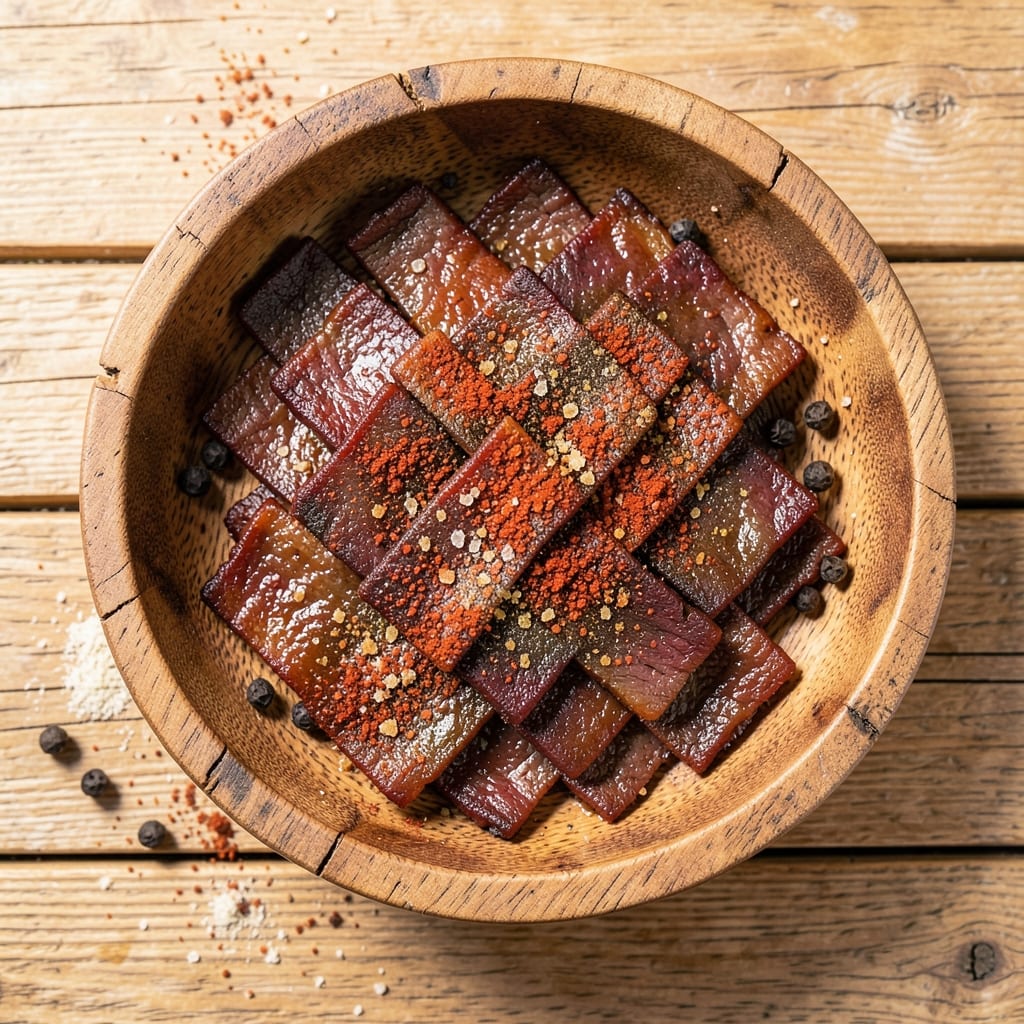
This Australian beef jerky recipe delivers smokehouse-spiced tenderness that rivals your favorite store-bought brands—but with authentic flavors and control over every bite. The secret lies in selecting the right cut (like top round or flank steak) and balancing salt, sugar, and native spices like smoked paprika or wattleseed for that signature Australian depth. Unlike traditional jerky recipes, this method focuses on achieving chewy, melt-in-your-mouth texture while ensuring food safety through precise curing and drying techniques.
What sets this recipe apart is the 3-hour process that transforms tough cuts into restaurant-quality jerky without a dehydrator—using just your oven or even sunlight. The marinade isn’t just about flavor; it’s a science of moisture control and seasoning penetration that guarantees tender results every time. Whether you’re a jerky novice or a seasoned maker, this foolproof approach eliminates guesswork while delivering professional-grade texture and taste.
By the time you’re done, you’ll have golden-brown, aromatic strips that pack intense beefy flavor with just the right chew—perfect for on-the-go snacks, camping trips, or gifting. The recipe includes critical food safety steps (like proper drying times and pH balancing) so you can enjoy your jerky without worry. No more rubbery or overly crispy batches—just smokehouse-quality tenderness in every bite.
Store your jerky in an airtight container for up to 3 months, or freeze for extended freshness. The versatility of this recipe means you can customize the spice blend to suit your taste—whether you prefer classic Australian flavors or a smoky, bold kick. Let’s get started on jerky that’ll impress even the most discerning snack lovers.
Ingredients for australian beef jerky
Thinly sliced beef meets native Australian spices for restaurant-quality jerky at home.
| Ingredient | Amount | Notes |
|---|---|---|
| Top Round Beef 🥩 | 2 lb | Thinly sliced against grain |
| Kosher Salt 🧂 | ¼ cup | Diamond Crystal preferred |
| Granulated Sugar 🍚 | ⅛ cup | White or brown sugar |
| Smoked Paprika 🌶️ | 2 tbsp | High-quality for smokiness |
| Ground Black Pepper 🌶️ | 1 tbsp | Freshly ground preferred |
| Garlic Powder 🧄 | 1 tbsp | Freshly ground preferred |
| Onion Powder 🧅 | 1 tbsp | For depth of flavor |
| Wattleseed Powder 🌾 | 1 tsp | For authentic Australian flavor |
| Lemon Juice 🍋 | ¼ cup | Freshly squeezed |
| Worcestershire Sauce 🍶 | 2 tbsp | Aged for best flavor |
| Apple Cider Vinegar 🍎 | ¼ cup | For tenderizing |
| Extra-Virgin Olive Oil 🫒 | 2 tbsp | For moisture balance |
The beef cut makes all the difference here. Top round or flank steak are ideal—they’re lean enough to dry properly but still pack serious beefy flavor. Look for well-marbled cuts at your local butcher shop; they’ll slice it paper-thin against the grain for maximum tenderness. If you can’t find top round, sirloin tip works too, but trim any visible fat. Slice the beef yourself if possible—pre-sliced packages often have uneven cuts that dry inconsistently. For best results, buy the beef the day you plan to make jerky to ensure maximum freshness.
No wattleseed? Substitute with a pinch of smoked sea salt and extra smoked paprika—it won’t be identical, but you’ll still get that smoky depth. Running low on Worcestershire sauce? Use 1 tbsp soy sauce plus 1 tsp liquid smoke as a quick swap, though the flavor will be slightly different. The sugar is crucial for browning and preservation, but if you’re watching your intake, reduce it by half and add 1 tsp of brown sugar for caramelization. For the vinegar, white vinegar works in a pinch, but apple cider adds subtle fruitiness that complements the beef beautifully. If your olive oil smells like it’s gone rancid, toss it—old oil can make your jerky taste off.
Marinate the beef for at least 12 hours (overnight is best) to let the flavors penetrate deeply. Store the marinade in an airtight container in the fridge, and the beef can sit in it for up to 24 hours without issue. Once dried, your jerky will keep in an airtight container at room temperature for 1 month, or you can freeze it for 6 months to extend shelf life. For gift-giving, portion into vacuum-sealed bags or small jars with a tight lid—this preserves freshness and makes presentation easy. The jerky is best enjoyed within a few weeks for peak texture, though it’ll stay safe to eat much longer if stored properly.
Why You'll Love This Recipe
- Five-Ingredient Magic: I swear by this mix—just salt, sugar, smoked paprika, and pepper. No fancy rubs, no guesswork. The sugar caramelizes into that perfect sticky crust while the paprika adds this deep, smoky warmth that cuts through the lean beef like a breeze.
- No-Fuss Prep: Slice the top round thin (I use my meat slicer, but a sharp knife works) and toss it in the marinade—done. Honestly, the hardest part is waiting for the dehydrator to finish. No chopping, no searing, no mess. Just set it and forget it until it’s chewy perfection.
- Trail Snack Hero: Between us, this jerky is my hiking buddy. It’s light enough to pack but packed with flavor—no soggy trail mix here. The smoked paprika gives it that campfire vibe, and the sugar keeps it from being too dry. My kids even ask for it in their lunches (yes, really).
- Budget Protein Power: A pound of top round stretches forever. I make a batch every few weeks, and it lasts months in the pantry. It’s cheaper than pre-packaged jerky, tastes better, and I control the quality. Plus, the salt and sugar are pantry staples, so you’re not buying extra stuff just for this. Smart.
Step-by-step instructions for smokehouse-spiced Australian beef jerky
Here's how to transform tough top round into melt-in-your-mouth jerky with authentic Aussie flavor.
Prep the Beef for Maximum Tenderness
Begin by slicing the 2 lb Top Round Beef thinly against the grain using a sharp knife—aim for ¼-inch thick slices. The grain direction is crucial; you'll see the muscle fibers running parallel. Cutting perpendicular to these fibers ensures shorter cooking time and more tender jerky.
Transfer the sliced beef to a large bowl and set aside. The reason for this prep is simple: thinner slices cook faster and more evenly, while slicing against the grain prevents that tough, chewy texture we're all trying to avoid. If you're unsure about the grain direction, look for the natural lines in the meat—those are your guides.
Create the Australian Spice Rub
In a small bowl, whisk together the 0.25 cup Kosher Salt, 0.125 cup Granulated Sugar, 2 tbsp Smoked Paprika, 1 tbsp Ground Black Pepper, 1 tbsp Garlic Powder, 1 tbsp Onion Powder, and 1 tsp Wattleseed Powder. This blend is what gives your jerky that authentic smokehouse flavor profile—don't skip the wattleseed, it's the secret to that distinctive Aussie taste.
Once the dry ingredients are well combined, create a paste by adding the 0.25 cup Lemon Juice, 2 tbsp Worcestershire Sauce, 0.25 cup Apple Cider Vinegar, and 2 tbsp Extra-Virgin Olive Oil. The acidity from the lemon juice and vinegar helps tenderize the meat while cooking, and the olive oil provides moisture balance. Mix until you have a smooth, thick paste that coats the back of a spoon.
Marinate the Beef Thoroughly
Pour the spice paste over the sliced beef in the bowl and use your hands to coat each piece evenly. This step is critical—every surface of the meat needs to be covered for maximum flavor penetration and tenderness. Let the beef marinate for at least 4 hours, but I recommend overnight in the refrigerator if time allows. The longer it marinates, the more flavorful and tender your jerky will be.
While it marinates, resist the temptation to skip this step. The acid in the marinade breaks down muscle fibers, while the salt and sugar work together to create that perfect balance of sweet, smoky, and savory flavors. If you're short on time, a minimum of 4 hours will still yield excellent results, but overnight is ideal.
Dry the Beef Completely
After marinating, remove the beef from the refrigerator and pat each piece dry with paper towels. This drying step is essential for creating that perfect chewy texture and preventing any potential spoilage during the long drying process. Arrange the slices on a wire rack set over a baking sheet lined with parchment paper, making sure they don't overlap. Let them air dry in the refrigerator for 2-4 hours or until completely dry to the touch.
You'll know they're ready when the surface looks slightly tacky but no longer feels damp. The dryness helps the jerky develop that beautiful bark while ensuring it dries evenly. If you're in a hurry, you can speed this process by placing the rack in the refrigerator with a fan blowing gently over it, but be careful not to create a draft that might dry some pieces faster than others.
Dry the Jerky to Perfection
Preheat your dehydrator to 160°F and place the dried beef slices on the trays, ensuring they don't touch. If you don't have a dehydrator, you can use your oven on its lowest setting with the door slightly ajar for airflow. Dry the jerky for 6-8 hours, checking periodically to ensure even drying. The jerky is done when it's dry and leathery to the touch but still pliable—it should snap when bent but not feel brittle.
This drying time can vary based on your equipment and humidity levels in your kitchen. For best results, aim for jerky that's completely dry on the outside but still moist in the center when you cut into a test piece. Store in an airtight container in the refrigerator for up to 2 weeks or freeze for longer storage. The result should be tender, flavorful jerky with that authentic Australian smokehouse taste that's perfect for snacks, camping trips, or as a protein boost in salads.
Pro Tips For Making Australian Beef Jerky
- CHILL THE MEAT FIRST: I used to skip this and ended up with uneven drying—some slices tough, others still chewy. Pop the beef in the fridge for 30 minutes before slicing so the knife glides through cleanly and the fibers stay consistent. Trust me, your jerky will thank you later.
- WEIGHT THE RUB HEAVY: Don’t eyeball the salt and sugar mix—use about 1 tablespoon kosher salt and 1 tablespoon sugar per pound of beef. Too little, and it tastes bland; too much, and you’ll regret it. My first batch had half the salt, and it was forgettable.
- DRY THOROUGHLY BEFORE SMOKING: Pat the slices with paper towels until they’re bone-dry—no moisture left. I learned this after my jerky stuck to the smoker tray and turned out soggy. A quick wipe with a clean towel makes all the difference.
- SMOKE LOW AND SLOW: Keep the smoker at 160°F (71°C) or lower—any hotter, and you’ll burn the sugar before the jerky dries properly. I cranked mine up once and ended up with a bitter, sticky mess. Patience here means chewy, tender jerky.
Wine and beer pairings for this recipe
Red Wine Pairings
For this rich, smoky Australian beef jerky, I recommend a Shiraz from the Barossa Valley—its bold berry flavors and peppery notes complement the jerky’s smokiness beautifully. Look for a 2018 Penfolds Bin 28 or Henschke Hill of Grace, both of which have enough body to stand up to the intense beef flavors. Serve slightly chilled to let the wine’s acidity cut through the jerky’s richness. 🍷
Crisp White Wine
A dry Australian Riesling from the Clare Valley offers a refreshing contrast to the jerky’s smokiness. The wine’s bright citrus and mineral notes cleanse your palate between bites. Try a Jacob’s Creek Riesling or Pewsey Vale Riesling—both are affordable and widely available. Chill thoroughly before serving to enhance its crispness.
Beer Pairings
For beer lovers, a pale ale with malty sweetness pairs wonderfully. I love Coopers Pale Ale or Little Creatures Pale Ale, both of which have a balanced hop bitterness that complements the jerky’s smokiness. The pale ale’s caramel notes also enhance the jerky’s subtle sweetness from the sugar in the marinade. 🍺
Session IPA
If you prefer something lighter, a session IPA like Tooheys New or Little Creatures Easy Beer works surprisingly well. The beer’s citrusy hops and low alcohol content won’t overpower the jerky, making it a great pairing for casual snacking. The slight bitterness helps balance the jerky’s smoky depth.
Non-Alcoholic Options
For a non-alcoholic pairing, try a sparkling ginger beer like Fever-Tree or Brewer’s Art. The effervescence and ginger’s spiciness create a refreshing contrast to the jerky’s rich, smoky flavor. Serve it ice-cold for the best experience—it’s a great way to enjoy your jerky without alcohol. 💛
Nutrition facts
Frequently asked questions
What’s the best beef cut for authentic Australian jerky?
Use top round or flank steak—they’re lean, flavorful, and dry beautifully. The key is slicing ¼-inch thick against the grain for maximum tenderness. Avoid fatty cuts like ribeye, as excess fat can make jerky greasy or rancid during drying.
Can I make this jerky without a dehydrator?
Use your oven on lowest setting (160°F) with the door slightly open for airflow. Arrange slices on a wire rack over a baking sheet and dry for 6-8 hours, checking frequently. For extra airflow, prop the door open with a wooden spoon.
Why does my jerky turn out rubbery?
Rubbery jerky usually means it’s over-dried or sliced too thick. Aim for ¼-inch slices and dry until pliable but not brittle. Check internal moisture by cutting a test piece—it should feel slightly moist inside. If using a dehydrator, reduce temp to 145°F for more tender results.
How long can I store homemade Australian jerky?
In an airtight container at room temp, it lasts 1 month. For longer storage, freeze for up to 6 months. The wattleseed and spices help preserve flavor, but refrigeration extends shelf life to 2 weeks if you prefer fresher texture.
What’s the secret to that perfect chewy texture?
The magic is in the marinating time (overnight preferred) and proper drying. The acid in lemon juice and vinegar tenderizes the meat, while the sugar and salt create a perfect bark. Pat slices dry before dehydrating—this ensures even moisture loss for that ideal snap when bent.