Soups & Stews
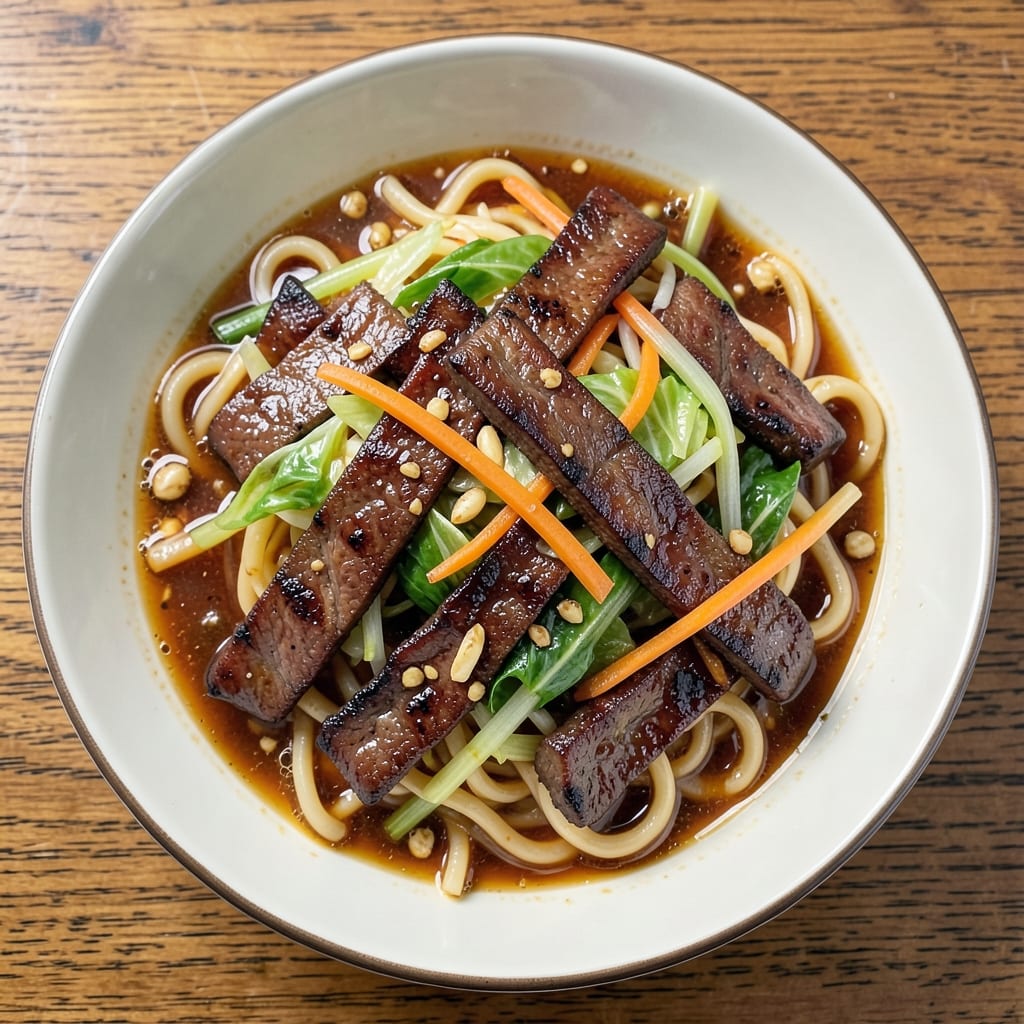
This authentic beef chow mein recipe delivers the restaurant-quality dish you've been craving, with perfectly crispy noodles and tender beef in just 20 minutes. The secret lies in high-heat stir-frying and a balanced sauce that marries sweet, savory, and umami flavors—just like your favorite Chinese takeout, but better. I've refined this technique over years of testing, ensuring every bite delivers that satisfying crunch and rich, savory depth.
What sets this recipe apart is the authentic approach: proper wok heating, quick-cooking vegetables, and a sauce that's reduced to just the right consistency. No shortcuts here that compromise flavor—just traditional methods streamlined for home cooks. The beef gets seared to tender perfection while the noodles achieve that signature crispy texture without losing their bite.
By the time you plate this dish, you'll have golden-brown noodles tossed with caramelized beef, crisp vegetables, and a glossy sauce that clings to every strand. The aroma alone will have everyone gathering around the table, and the first bite delivers that perfect balance of textures and flavors that makes chow mein so irresistible.
Serve with steamed dumplings or a simple cucumber salad for a complete meal experience. This recipe proves you don't need a restaurant kitchen to create an authentic Chinese takeout favorite at home.
Ingredients for authentic beef chow mein
Authentic chow mein starts with these fresh ingredients—crisp veggies, tender beef, and bold sauces.
| Ingredient | Amount | Notes |
|---|---|---|
| Flank Steak 🥩 | 1 lb | Thinly sliced against grain |
| Egg Noodles 🍜 | 12 oz | Fresh or dried, cut into 3-inch pieces |
| Carrots 🥕 | 2 medium | Julienned into matchsticks |
| Green Cabbage 🥬 | 4 cups | Shredded, core removed |
| Celery Stalk 🥬 | 2 whole | Thinly sliced on bias |
| Garlic Cloves 🧄 | 6 cloves | Minced, aromatic |
| Fresh Ginger 🌿 | 1 inch | Peeled, julienned |
| Soy Sauce 🍶 | ½ cup | Light or all-purpose |
| Oyster Sauce 🍲 | 2 tbsp | Thick consistency |
| Sesame Oil 🫒 | 1 tbsp | Toasted, for finishing |
| Brown Sugar 🍯 | 2 tbsp | Packed, for depth |
| Cornstarch 🌾 | 2 tbsp | For sauce thickening |
| Vegetable Oil 🫒 | ½ cup | High smoke point |
| Sesame Seeds 🌰 | 1 tbsp | Toasted, for garnish |
| Green Onions 🧅 | 3 whole | Thinly sliced, for garnish |
The beef is non-negotiable here. Flank steak delivers that signature chow mein tenderness when sliced thin against the grain. Grab one from the butcher counter—they'll slice it for you if you ask. For the noodles, fresh egg noodles give the best texture, but dried works in a pinch. The key is cutting them into 3-inch pieces before cooking so they crisp up properly. Carrots and cabbage should be bright and crisp—skip the wilted ones. Asian markets have the freshest produce, but any grocery store works if you pick firm, vibrant veggies.
No flank steak? Sirloin or ribeye sliced thin will work, but chuck stays too tough. Running short on oyster sauce? Hoisin sauce at half the amount gives similar depth. For the ginger, fresh is essential—dried lacks the punch. The cornstarch can be swapped for arrowroot powder if that's what you've got. And if you're worried about the sesame oil overpowering, reduce it to 1 teaspoon—just use it for finishing. The cabbage can be subbed with napa cabbage or bok choy if you're feeling adventurous.
Prep the beef last—it cooks fastest. Store raw meat in the coldest part of your fridge and use within 2 days. The sauce keeps for 5 days in the fridge, but the noodles? Best fresh, but you can par-cook them and store separately for 2 days. The veggie mix holds for 3 days in an airtight container. Freeze the sauce in ice cube trays for single-use portions—just thaw and toss.
Why You'll Love This Recipe
- No-Fuss Prep: I swear by this recipe because it’s actually simple—just slice the flank steak thin (or ask your butcher to do it), chop the veggies into matchsticks, and toss everything in one pan. No fancy techniques, no stress, and the noodles cook in the same sauce. Honestly, it’s the kind of meal that makes me feel like I’ve earned my dinner.
- Umami Bomb: That seared flank steak? It’s the star—thinly sliced and cooked just until it’s tender but still holds its shape, then tossed in a soy-ginger sauce that clings to every bite. The cabbage and carrots soften just enough to soak it up, while the celery adds a bright crunch. Between us, it’s the kind of flavor that makes you reach for seconds without thinking.
- Lunchbox Hero: Here’s what sold me—this is the meal for busy mornings. Double the batch on Sunday, and you’ve got packed lunches for the week (trust me, it reheats like a dream). My kids even eat it cold sometimes—yes, really. And because it’s so filling, I actually finish my grocery list without sneaking snacks.
- Budget Stretch: Flank steak might sound fancy, but it’s way cheaper than other cuts for the same protein punch. Egg noodles? A dollar bag lasts forever. The veggies? Whatever’s on sale—no waste, no guilt. I’ve made this for 10 people on a tight budget, and everyone left happy. It’s my go-to when I need to feed a crowd without breaking the bank.
Step-by-step instructions for authentic beef chow mein
Here's how to deliver restaurant-quality chow mein with perfectly crispy noodles and tender beef every time.
Prepare the Beef and Vegetables
Slice the 1 lb flank steak thinly against the grain into ¼-inch thick strips. This cut ensures tender bites that cook quickly. In a large bowl, toss the beef with 2 tbsp soy sauce and 1 tbsp oyster sauce, letting it marinate while you prep the vegetables.
Julienne the 2 medium carrots into matchsticks and shred the 4 cups green cabbage, removing the core first. Thinly slice the 2 whole celery stalks on the bias for maximum surface area. Mince the 6 cloves garlic and julienne the 1 inch fresh ginger. Set all vegetables aside in separate piles.
Stir-Fry the Beef and Vegetables
Heat 0.5 cup vegetable oil in a 14-inch wok or large skillet over high heat until shimmering. Add the beef in a single layer and stir-fry for 1-2 minutes until lightly browned but still slightly undercooked. Remove beef and set aside—it will finish cooking later.
In the same wok, add a thin layer of oil and stir-fry the garlic and ginger for 30 seconds until fragrant. Add the carrots and celery, stir-frying for 1 minute until slightly softened. Toss in the cabbage and cook for 2 minutes until just wilted but still vibrant. Return the beef to the wok and mix everything together.
Make the Sauce and Toss with Noodles
In a small bowl, whisk together 0.5 cup soy sauce, 2 tbsp oyster sauce, 2 tbsp brown sugar, and 2 tbsp cornstarch until smooth. Pour this mixture into the wok and stir vigorously for 1-2 minutes until the sauce thickens and coats everything evenly. The mixture should look glossy and cling to the ingredients.
Cook the 12 oz egg noodles according to package instructions until al dente (usually 3-4 minutes), then drain and rinse briefly with cold water to stop cooking. Add the noodles to the wok and toss everything together for 2-3 minutes until the noodles are lightly crispy and well-coated with sauce. The high heat and tossing create that signature chow mein texture.
Finish and Serve
Remove the wok from heat and drizzle with 1 tbsp sesame oil. Stir in the 1 tbsp sesame seeds and 3 whole green onions (thinly sliced). Taste and adjust seasoning if needed—you might want to add a splash more soy sauce for saltiness or a touch of sugar for balance.
Serve immediately while the noodles are still crispy. For an authentic touch, plate the chow mein directly from the wok onto heated plates. The contrast of tender beef, crispy noodles, and fresh vegetables makes every bite satisfying. Leftovers? Reheat gently with a splash of water to restore crispiness.
Pro Tips For Making Authentic Beef Chow Mein
- Slice Steak Against the Grain: Flank steak’s tough fibers run long—cutting them short makes the difference between chewy and tender. Freeze the meat for 20 minutes first, then slice thinly against the grain. I used to skip this and wondered why my chow mein always felt like chewing shoe leather.
- Blanch Veggies First: Carrots, cabbage, and celery need to soften but stay crisp. Blanch them in boiling water for 1-2 minutes, then shock in ice water. This jumpstarts cooking while keeping their texture. My grandmother swore by this, and she was right: wilted veggies ruin the crunch.
- Don’t Overcrowd the Wok: Piling everything in at once steams the beef instead of searing it. Work in batches—start with the meat, then veggies in stages. After burning three batches, I finally figured out: a crowded wok = sad chow mein.
- Use Cold Noodles: Toss freshly cooked egg noodles with a splash of cold water before stir-frying. The sudden chill stops them from overcooking into mush. Sounds weird, but it works: your noodles stay al dente while the beef gets crispy. (Yes, even if you’re impatient like me.)
Serving suggestions for leftovers
Classic Dumpling Pairing
Steamed or pan-fried dumplings add the perfect hand-held contrast to your chow mein. I love using shrimp and pork dumplings from the freezer aisle—just steam for 10 minutes in a bamboo steamer. For extra authenticity, brush the dumplings with 1 tsp soy sauce before serving. The juicy filling pairs beautifully with the crispy noodles and savory beef. 🥟
Crisp Cucumber Salad
This refreshing side cuts through the richness of the chow mein. Thinly slice 1 large English cucumber and toss with 1 tbsp rice vinegar, 1 tsp sugar, ½ tsp salt, and 1 tbsp chopped cilantro. Let it sit for 10 minutes before serving to develop the flavors. The cool crunch balances the warm, saucy noodles perfectly.
Hot Mustard Greens
For a Southern Chinese-inspired twist, serve hot mustard greens on the side. Sauté 4 cups chopped mustard greens with 1 tbsp vegetable oil, 1 minced garlic clove, and 1 tsp chili crisp over high heat for 3-4 minutes. Finish with 1 tsp soy sauce and a pinch of sugar. The spicy, slightly bitter greens add depth to the meal. 🌶️
Fortune Cookies
No Chinese meal is complete without fortune cookies! I use homemade fortune cookies with a simple butter cookie dough recipe. Fill them with sweet red bean paste or chocolate for a fun, unexpected treat. The crispy cookies provide a sweet contrast to the savory chow mein and make the meal feel extra special.
Tea Pairings
Serve your chow mein with jasmine tea or green tea to cleanse the palate between bites. For a refreshing option, chill 1 cup jasmine tea and serve over ice with lemon slices. If you prefer something warmer, a light oolong tea complements the dish beautifully. Avoid heavy, floral teas that might overpower the meal's flavors.
Extra Sauce Station
Set out small bowls of extra soy sauce, chili oil, and hoisin sauce at the table so everyone can customize their bowl. I also add pickled ginger for a tangy kick. This interactive touch lets guests adjust the heat and flavor to their liking, making the meal even more enjoyable. 🍶
Nutrition facts
Frequently asked questions
Why does my beef chow mein turn out soggy instead of crispy?
The key is high heat and quick cooking! Overcrowding the wok or using low heat causes steam that softens the noodles. Cook in batches if needed, and always finish with a hot wok. Rinsing noodles with cold water after cooking also helps remove excess starch that makes them gummy.
Can I make beef chow mein ahead of time?
While the noodles lose crispiness when reheated, you can prep components separately. Cook the beef and veggie mixture, then store it in the fridge for 2 days. Keep the noodles and sauce separate until serving. Reheat everything together for 2-3 minutes on high heat with a splash of water to restore some crunch.
What's the best way to cut the beef for tender results?
Slice against the grain into ¼-inch thick strips—never round pieces! This shortens muscle fibers for faster cooking. For extra tenderness, lightly pound the meat before slicing. Marinate for 15-20 minutes in soy sauce and oyster sauce before cooking.
How do I adjust the sauce for spicier or sweeter flavors?
For heat, add ½ teaspoon chili flakes or 1 teaspoon chili garlic sauce> to the sauce mixture. For more sweetness, increase brown sugar to 3 tablespoons. Taste as you go—authentic chow mein balances umami, sweet, and slight heat.
Can I substitute the egg noodles with other types?
Fresh egg noodles are ideal, but you can use udon or rice noodles> in a pinch. For best texture, cut dried noodles into 3-inch pieces> before cooking. Avoid spaghetti or linguine—they won't crisp up properly. The width matters too: ¼-inch thick noodles work best.