
Soups & Stews
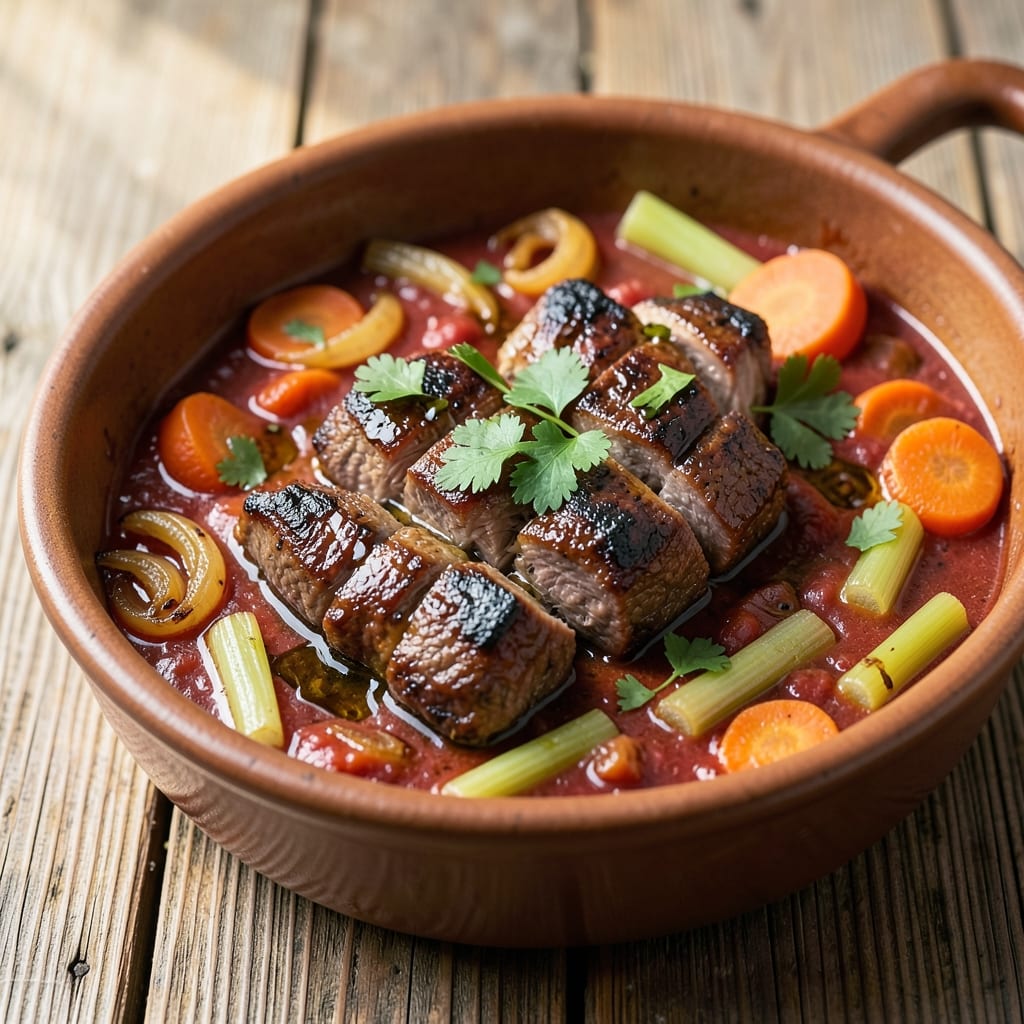
This authentic beef ragu recipe brings the rich, slow-simmered flavors of Italy straight to your kitchen, where every spoonful delivers deep umami and tender beef that melts into al dente pasta. The secret lies in patience—browning the meat properly, deglazing with wine, and letting the sauce develop over hours into a velvety, complex masterpiece. I've perfected this version after years of testing, balancing traditional techniques with home-cook practicality.
The foundation of great ragu is the meat—chuck or short ribs—browned deeply in a Dutch oven to create a flavorful crust. Deglazing with red wine removes those browned bits, forming the base of the sauce, while tomatoes and aromatics build layers of flavor. Unlike quicker versions, this recipe earns its richness through slow simmering, which transforms tough cuts into fork-tender perfection. The result? A sauce so flavorful it needs no additional seasoning beyond what's already developed.
What makes this ragu truly authentic is the balance of textures and flavors: tender beef, caramelized onions, and a sauce that clings to pasta without being overly heavy. The key is timing—cooking the sauce just until it thickens enough to coat the pasta beautifully, but still remains silky rather than dry. Serve it over fresh tagliatelle or creamy polenta to soak up every last drop of that umami-packed goodness. This is comfort food at its finest, worthy of any Italian table.
For those seeking regional authenticity, I've included notes on Milanese versus Neapolitan styles—both delicious, but with distinct approaches to wine, tomatoes, and cooking times. The beauty of this recipe is its versatility: make a big batch for leftovers that taste even better the next day, or freeze portions for lazy weeknights. Here's how to create restaurant-quality ragu at home.
Ingredients for authentic beef ragu
Sixteen ingredients, hours of simmering, and a sauce that transforms tough beef into melt-in-your-mouth perfection.
| Ingredient | Amount | Notes |
|---|---|---|
| Beef Chuck Roast 🥩 | 3 lb | Pre-cubed, 1-inch pieces |
| Red Wine 🍷 | 1 cup | Bold, dry variety (Cabernet Sauvignon) |
| Tomato Paste 🍅 | ½ cup | High-quality, no added salt |
| Yellow Onions 🧅 | 2 whole | Chopped into fine dice |
| Carrots 🥕 | 2 whole | Peeled, sliced into thin rounds |
| Celery Stalks 🥬 | 3 whole | Chopped into small pieces |
| Garlic Cloves 🧄 | 6 cloves | Peeled, minced finely |
| Fresh Rosemary 🌿 | ¼ oz | Finely chopped, fresh preferred |
| Fresh Thyme 🌿 | ¼ oz | Leaves only, finely chopped |
| Beef Broth 💧 | 3 cups | Homemade or high-quality store-bought |
| Extra-Virgin Olive Oil 🫒 | ¼ cup | For searing meat |
| Dried Bay Leaves 🍃 | 2 whole | For depth of flavor |
| Salt 🧂 | 1 ½ tsp | Diamond Crystal preferred |
| Ground Black Pepper 🌶️ | 1 tsp | Freshly ground |
The beef is non-negotiable—chuck roast with good marbling is essential for that rich, tender result. Costco or Whole Foods carry excellent pre-cubed options, but if buying whole, ask your butcher to cut it into 1-inch pieces. The wine should be bold and dry—Cabernet Sauvignon or Barbera work beautifully. For the tomato paste, San Marzano is ideal, but any high-quality brand will do. Fresh herbs elevate this dish dramatically, so Trader Joe's or local farmers markets are great sources for rosemary and thyme. Look for vibrant, fragrant sprigs with no browning.
Out of red wine? Beef broth with 1 tbsp balsamic vinegar mimics the acidity and depth. No fresh rosemary? Dried at one-quarter the amount works in a pinch, though fresh is preferred. For the tomato paste, canned crushed tomatoes can substitute in a bind (use 1 cup instead of 0.5 cup paste), but the texture will differ slightly. The onions, carrots, and celery form the aromatic base—sofrito—so don't skip them. If you're short on time, pre-chopped mirepoix from the grocery store saves effort without sacrificing flavor. The beef broth should be rich and well-seasoned; if using store-bought, Pacific Foods or Imagine brands are excellent choices.
This ragu develops even better the next day, so make a double batch if possible. Store in an airtight container in the fridge for up to 5 days, or freeze for 3 months in portion-sized containers. Reheat gently on the stove with a splash of broth to restore moisture. For serving, pair with freshly cooked tagliatelle or creamy polenta—the sauce will cling beautifully. Leftovers reheat wonderfully, making this an ideal meal-prep dish for busy weeks.
Why You'll Love This Recipe
- One-Pot Magic: I swear by this—just brown the beef, toss in the onions and carrots, then let the wine and tomato paste work their magic while you do dishes. No extra pots, no fuss.
- Wine-Infused Richness: That first sip of red wine simmering into the sauce? It’s like a little flavor bomb—deep, savory, and just a touch tangy. The beef chuck melts into tender perfection, soaking up every drop.
- Meal-Prep Goldmine: Make a double batch on Sunday, freeze half, and you’ve got restaurant-quality dinner ready in 10 minutes. Pasta, polenta, or crusty bread—this ragu never lets you down.
- Budget-Friendly Luxury: Chuck roast is cheap, but it tastes like a steakhouse cut when slow-cooked. The wine and tomato paste stretch the flavor, so you get hearty portions without breaking the bank.
Step-by-step instructions for authentic beef ragu
This method delivers deep umami flavor and melt-in-your-mouth texture through precise technique.
Sear the Beef Chuck Roast for Maximum Flavor
Heat the 0.25 cup extra-virgin olive oil in a heavy Dutch oven over medium-high heat until shimmering. Working in batches to avoid crowding, add the 3 lb beef chuck roast in 1-inch cubes and sear for 3-4 minutes per side until deeply browned. This step develops the rich, caramelized crust that forms the foundation of authentic ragu.
Don't rush this process—you're building flavor through the Maillard reaction. I press down gently on the meat during the first minute to prevent curling, ensuring even contact with the pan. Transfer the browned beef to a plate and set aside, leaving all the rendered fat in the pot.
Develop the Aromatic Base with Vegetables and Herbs
In the same Dutch oven, add the 2 whole yellow onions, 2 whole carrots, and 3 whole celery stalks, all chopped into small, even pieces. Cook over medium heat for 8-10 minutes until the vegetables soften and begin to caramelize slightly. This process, called "soffritto," creates the flavor base of Italian ragu.
Add the 6 cloves minced garlic, 0.25 oz finely chopped fresh rosemary, and 0.25 oz fresh thyme leaves, stirring for 30 seconds until fragrant. You'll notice the aromatics intensify—this is when the herbs release their essential oils. Sprinkle with 1 tsp ground black pepper and stir for another 30 seconds to distribute evenly.
Build the Sauce with Wine and Tomato Paste
Pour in the 1 cup bold red wine and scrape up all the browned bits from the bottom of the pot with a wooden spoon. This deglazing step captures all the concentrated beef flavor. Simmer for 5-7 minutes until the wine reduces by half and the alcohol burns off completely.
Stir in the 0.5 cup tomato paste and cook for another 2-3 minutes until it darkens slightly and coats the vegetables. This creates a rich, velvety base that will carry the beef's flavor throughout the cooking process. Add the 2 whole dried bay leaves and 1.5 tsp salt, stirring to combine.
Slow-Simmer the Ragu for Deep Flavor Development
Return the seared beef to the pot and pour in the 3 cups beef broth. Bring to a gentle simmer, then reduce heat to low and cover partially with a lid. The key here is patience—simmer for 2.5-3 hours until the beef is fork-tender and the sauce has thickened significantly. You'll know it's ready when the meat easily pulls apart with minimal resistance.
I stir occasionally during the first hour to distribute the flavors, then leave it undisturbed for the final hour. The slow cooking process allows the connective tissues to break down, creating that signature silky texture. If the sauce reduces too much, add 2-3 tablespoons water or broth to maintain proper consistency.
Finish and Serve with Al Dente Pasta
Once the beef is tender, remove and discard the bay leaves. Taste the sauce and adjust seasoning if needed—this is where you can truly appreciate the depth of flavor you've built. The ragu should be rich, slightly sweet, and deeply savory with notes of rosemary and thyme.
Serve immediately over al dente pasta, reserving ½ cup pasta water to loosen the sauce if needed. The ideal serving temperature is piping hot, allowing the ragu's aromas to fill the room. Each bite should deliver tender beef, velvety sauce, and perfectly cooked pasta working in harmony—a true taste of Italian tradition.
Pro Tips For Making Authentic Beef Ragu
- SEAR THE CHUCK HARD: I learned this the hard way—skimp on the sear, and your ragu will taste like it’s been simmering in disappointment. Get that beef chuck deep brown in a screaming-hot pan with 1-2 tablespoons of oil (enough to coat the bottom but not drown it). It’ll take 5-7 minutes per side, and yes, even if you’re impatient like me, resist the urge to rush it. That crust is where all the flavor hides.
- DEGLAZE WITH THE WINE STRAIGHT AWAY: As soon as you remove the beef, pour in that red wine immediately—don’t let it sit. The residual heat will help lift those browned bits off the pan, and you’ll end up with a glossy, flavor-packed base instead of a dull, wine-soaked sludge. Scrape every last bit with a wooden spoon; those bits are pure umami gold.
- SLOW SIMMER, NOT BOIL: After adding the tomato paste and onions, keep the heat low and steady—think tiny bubbles at the edges, not a rolling boil. I used to crank it up to save time, but that just turns your ragu into a watery mess. A gentle simmer (about 2-3 hours for tender beef) lets the flavors meld without breaking down the meat or making it tough. Patience here makes all the difference.
- SAUTE THE ONIONS FIRST: Don’t just toss chopped onions into the pot with everything else. Sauté them in oil until they’re soft and translucent—about 8-10 minutes—before adding the tomato paste. This step builds a sweeter, deeper base for your ragu. (Yes, it feels like extra work, but your future self will notice the difference when the dish tastes richer.)
Storing and reheating this recipe
Refrigerator Storage
Let your ragu cool completely before transferring to airtight containers—I use glass Pyrex with snap-on lids for best results. Store in the fridge at 40°F or below for up to 5 days, though the flavors actually deepen overnight. The sauce thickens slightly when chilled, so add 2-3 tablespoons beef broth when reheating to restore its silky texture. 💫
Freezer Prep Tips
For long-term storage, portion ragu into quart-sized freezer bags or glass containers, leaving 1-inch headspace for expansion. Freeze for up to 3 months—this recipe makes an amazing meal-prep staple. Label with the date and thaw overnight in the fridge for best results. I avoid microwave thawing because it can make the sauce watery.
Stovetop Reheating
My preferred method is stovetop reheating over medium-low heat with a splash of beef broth to prevent drying. Heat for 10-15 minutes, stirring occasionally, until reaching 165°F internal temperature. Taste and adjust seasoning—ragu often needs a pinch of salt after reheating. Add ½ cup pasta water if the sauce thickens too much. ✨
Microwave Shortcuts
For quick reheating, transfer ragu to a microwave-safe dish and heat on 50% power for 3-4 minutes, stirring halfway. Add 1-2 tablespoons broth if it looks dry. Avoid full power—it can make the sauce unevenly hot and potentially curdle. This method works best for single servings when you're short on time.
Serving Leftovers
Ragu tastes even better the next day, so embrace leftovers! Serve over freshly cooked tagliatelle or creamy polenta to soak up every last drop of sauce. Garnish with fresh parsley and a crack of black pepper for a restaurant-worthy finish. The slow-cooked beef becomes even more tender after resting overnight, making leftovers a highlight. 🍽️
Pro Tip for Texture
If your reheated ragu seems too thick, don't despair. Simply add 1-2 tablespoons of pasta water or beef broth and simmer for 2-3 minutes until smooth. The key is patience—never rush reheating, as this can break down the sauce's velvety consistency. This tip keeps your leftovers just as delicious as the original. 💡
Nutrition facts
Frequently asked questions
Why does authentic ragu need such a long cooking time?
The 2.5-3 hour simmer transforms tough beef chuck into melt-in-your-mouth perfection by breaking down collagen in connective tissues. This slow process also develops deep, complex flavors through the Maillard reaction and wine reduction. Skipping this step results in a sauce that's more like a quick stew than true Italian ragu.
Can I substitute ground beef for chuck roast?
While ground beef works in a pinch, it lacks the marbling and connective tissue that give authentic ragu its signature texture. For best results, use chuck roast cut into 1-inch cubes—the fat renders slowly, creating a richer sauce. If you must use ground beef, increase cooking time to 1.5 hours and add 1 extra cup beef broth to prevent drying.
What's the difference between Milanese and Neapolitan ragu?
Milanese-style ragu uses red wine and tomato paste as its base, with a focus on slow cooking until the sauce becomes thick and velvety. Neapolitan ragu incorporates tomato sauce from the start and cooks faster (1.5-2 hours), resulting in a slightly lighter, more tomato-forward sauce. Both are delicious—choose based on your preference for wine depth versus tomato brightness.
How do I know when the beef is tender enough?
The beef should easily pull apart with a fork and have minimal resistance when pierced. Press a piece gently—it should crumble rather than hold its shape. If using a meat thermometer, aim for 195°F in the thickest piece. Overcooking can make the meat dry, so remove it from the sauce 10 minutes early if needed and let it rest in the sauce before serving.
Can I make this ragu in an Instant Pot?
Yes, but with adjustments: Sear the beef first in a skillet, then transfer to your Instant Pot with all ingredients. Cook on high pressure for 45 minutes, then natural release for 15 minutes. The sauce will be thinner—reduce it on the stovetop afterward by simmering uncovered for 10-15 minutes**. The pressure cooker speeds up cooking but may slightly alter the sauce's depth of flavor compared to traditional methods.