
Main Courses
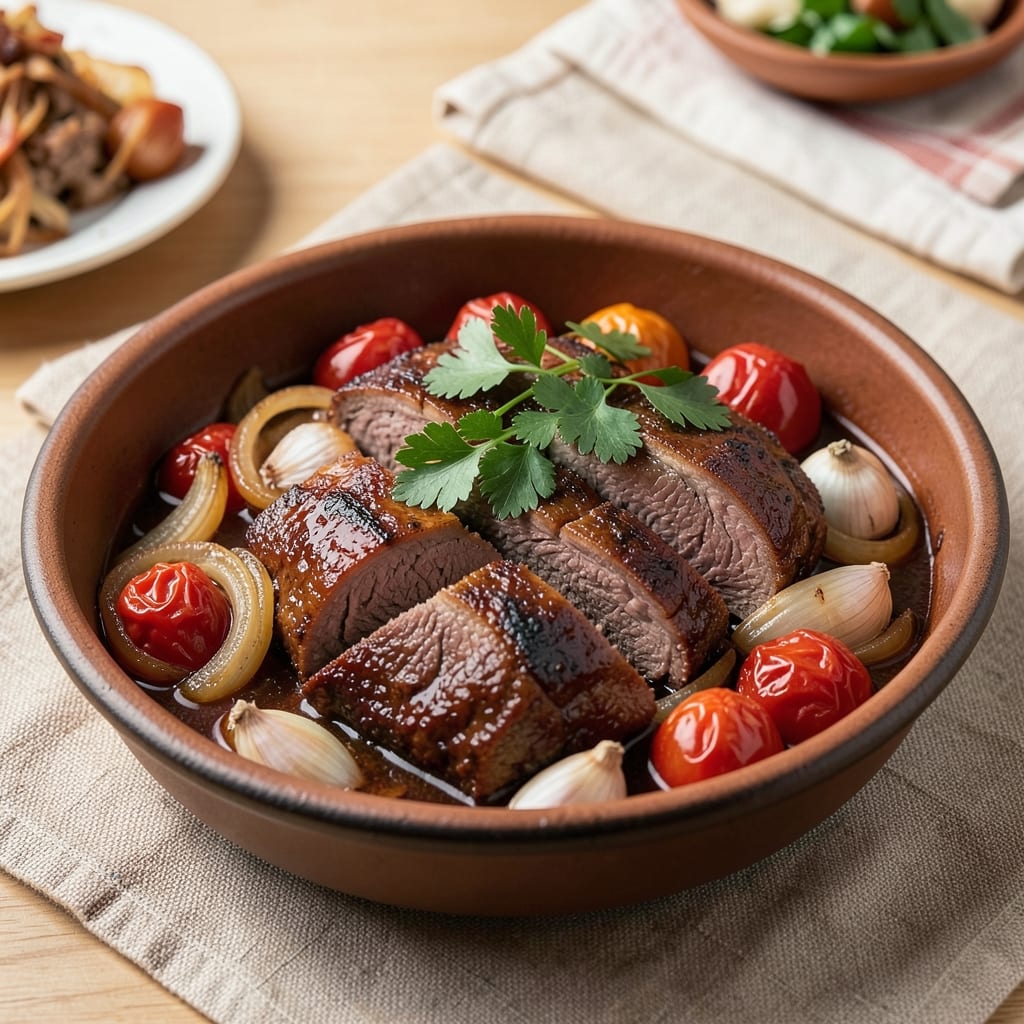
This authentic beef stifado recipe brings the rich, slow-simmered flavors of Greece straight to your kitchen. 🔥 The secret lies in layering deep, savory notes—browned beef, caramelized onions, and a harmonious blend of tomatoes, wine, and aromatic herbs. Every bite delivers a symphony of textures and tastes that transport you to a Greek taverna. What sets this dish apart is the patience required: beef braised until fork-tender, mushrooms and peppers melding into the sauce, and a final touch of oregano and bay leaf that elevates it to restaurant-quality. The technique is straightforward but demands attention to detail—like proper browning of the meat and deglazing the pan—to unlock the dish’s full potential. By the time you serve it, you’ll have a dish that’s hearty enough for a family dinner yet elegant enough for a special occasion. The sauce clings to every piece of beef, creating a perfect balance of richness and acidity that keeps everyone reaching for seconds. Crusty bread or fluffy rice makes the ideal companion. This recipe isn’t just about following steps—it’s about embracing the art of slow cooking and the joy of creating something truly authentic. Let’s get started on this flavorful journey.
Ingredients for authentic beef stifado
Authentic Greek flavors start with these carefully chosen ingredients for rich, slow-simmered beef stifado.
| Ingredient | Amount | Notes |
|---|---|---|
| Beef Chuck Roast 🥩 | 2 lb | Cut into 1.5-inch cubes |
| Yellow Onions 🧅 | 3 whole | Thinly sliced, about 3 cups |
| Garlic Cloves 🧄 | 6 cloves | Minced, for depth of flavor |
| Canned San Marzano Tomatoes 🍅 | 28 oz | Crushed by hand, no salt added |
| Red Wine 🍷 | 1 cup | Dry, bold variety like Cabernet |
| Beef Broth 💧 | 2 cups | Low-sodium preferred |
| Olive Oil 🫒 | ½ cup | Extra-virgin for richness |
| Fresh Oregano 🌿 | ¼ cup | Chopped, or 1 tbsp dried |
| Dried Bay Leaves 🌿 | 2 whole | Remove before serving |
| Red Bell Pepper 🌶️ | 1 whole | Diced, about 1 cup |
| White Mushrooms 🍄 | 8 oz | Sliced, about 2 cups |
| Salt 🧂 | 1 ½ tsp | Kosher or sea salt |
| Ground Black Pepper 🌶️ | ½ tsp | Freshly ground preferred |
| All-Purpose Flour 🌾 | 1 tbsp | For thickening sauce |
The beef is the foundation—chuck roast delivers that melt-in-your-mouth texture when braised properly. Look for well-marbled cuts at your local butcher or grocery store's meat department. For the tomatoes, San Marzano is non-negotiable—they're sweeter and less acidic than regular canned tomatoes. If you can't find them, whole peeled tomatoes work in a pinch. The red wine should be something you'd drink—bold dry reds like Cabernet Sauvignon work best, but avoid sweet varieties. For the mushrooms, cremini or baby bella add extra depth, but white mushrooms keep this budget-friendly.
No red wine? Beef broth with a splash of balsamic vinegar mimics the acidity. Fresh oregano is ideal, but dried oregano at one-third the amount works if that's what you have. The bell pepper can be swapped for green bell pepper or even zucchini if you're out. For the flour, cornstarch works better for thickening if you're avoiding gluten. The bay leaves are traditional but optional—just remember to remove them before serving. If you're using dried herbs, toast them lightly in a dry pan first to wake up their flavors.
This dish tastes even better the next day as flavors meld. Store leftovers in an airtight container in the fridge for up to 5 days. For longer storage, freeze portions for up to 3 months. I always make extra—it reheats beautifully and makes great lunches. The sauce thickens as it cools, so you can thin it with a splash of water or broth when reheating. Serve with crusty bread to soak up all that delicious sauce—it's what this dish was made for.
Why You'll Love This Recipe
- One-Pot Magic: I swear by this recipe—just brown the beef, toss in onions and garlic, then let the wine and tomatoes work their magic. No extra pots, no fuss, and the flavors meld into something rich and deep without me lifting a finger after the initial sear.
- Wine-Infused Richness: That first sip of red wine in the pot? It’s not just cooking—it’s building layers of depth. The San Marzano tomatoes add sweetness, while the beef chuck roast turns tender and juicy, soaking up every bit of that caramelized, herby goodness. Honestly, it’s the kind of dish that makes you pause mid-bite.
- Leftover Luxury: Between us, this tastes better the next day. The flavors have time to marry, and the beef gets even more fall-apart tender. I make a double batch on Sundays because reheating it for lunch is like eating at a restaurant—no takeout needed, no extra cost.
- Budget-Friendly Feast: A chuck roast stretches further than you’d think, and a bottle of red wine elevates it without breaking the bank. Plus, onions and garlic are cheap staples, and canned tomatoes keep it simple. It’s my go-to for feeding the whole family without stressing over grocery bills. (Yes, even on a Tuesday night.)
Step-by-step instructions for authentic beef stifado
Here's the traditional method—slow-simmered, rich, and full of Mediterranean soul.
🍳 Step 1: Sear the Beef for Deep Flavor
Heat the 0.5 cup olive oil in a heavy Dutch oven over medium-high heat until shimmering. Working in batches, add the 2 lb beef chuck roast cut into 1.5-inch cubes and sear for 3-4 minutes per side until deeply browned. This step builds the foundation for the dish—don't rush it.
Remove the beef and set aside. The browned bits (fond) will release into the oil, creating layers of flavor. If the oil starts to smoke excessively, reduce heat slightly. You're aiming for a rich, caramelized crust on each piece—this ensures maximum flavor extraction during the long simmer ahead.
👨🍳 Step 2: Build the Aromatic Base
In the same Dutch oven, add 2 tablespoons of the olive oil remaining (about half) and cook the 3 whole yellow onions over medium heat for 8-10 minutes until soft and translucent. Add the 1 whole red bell pepper and 8 oz white mushrooms sliced, cooking for another 5 minutes until the vegetables begin to soften.
Stir in the 6 cloves minced garlic and 0.25 cup chopped fresh oregano, cooking for 30 seconds until fragrant. Here's where the magic begins—the combination of sweet onions, earthy mushrooms, and aromatic herbs creates the perfect balance for the rich beef. Don't let the garlic burn; it should just perfume the mixture.
🍳 Step 3: Deglaze and Simmer the Wine
Pour in the 1 cup red wine and scrape up all the browned bits from the bottom of the pot with a wooden spoon. This deglazing step captures all the concentrated beef flavor. Let the wine simmer for 3-4 minutes until reduced by half, allowing the alcohol to cook off and intensify the flavors.
Add the 28 oz crushed San Marzano tomatoes, 2 cups beef broth, 1.5 tsp salt, and 0.5 tsp ground black pepper. Stir in the 2 whole dried bay leaves and bring to a gentle simmer. The sauce should just bubble gently—this is where patience pays off. Let it cook uncovered for 45 minutes to allow the raw flavors to meld.
🥘 Step 4: Finish with Flour and Rest
Return the seared beef to the pot and add 1 tablespoon all-purpose flour, stirring gently to coat the beef pieces. This creates a light thickening without making the stifado heavy. Simmer uncovered for another 1.5-2 hours until the beef is fork-tender and the sauce has thickened to a rich consistency.
The beef should be so tender it practically falls apart at the touch. Taste and adjust seasoning if needed—sometimes the tomatoes need a pinch more salt. Remove the bay leaves before serving. Let the stifado rest for 10 minutes before serving to allow the flavors to fully develop and the sauce to thicken slightly more.
🍽️ Step 5: Serve Traditionally
Ladle the stifado into warm bowls, ensuring each serving gets a generous portion of beef and sauce. Traditionally, it's served with crusty bread or over buttery orzo to soak up every last bit of that rich, wine-infused sauce. The dish should be hearty, with tender beef that practically melts in your mouth and a sauce that's perfectly balanced between sweet, tangy, and savory.
Garnish with fresh parsley if you like, but the real star is the slow-simmered beef and the harmonious blend of wine and tomato flavors. This is comfort food at its finest—authentic, satisfying, and full of Mediterranean warmth. Enjoy immediately while it's hot and the flavors are at their peak.
Pro Tips For Making Authentic Beef Stifado
- SEAR THE ONIONS LOW AND SLOW: I used to blast the onions on high heat like I was in a hurry, and they’d turn bitter before caramelizing. For stifado, keep them on medium-low and stir often—this takes 15-20 minutes, but that deep golden color is what builds flavor. The wine needs something to marry with, and mushy onions won’t cut it.
- USE WHOLE GARLIC, NOT MINCED: My first few attempts called for minced garlic, and it burned before the onions were ready. Toss in 6-8 whole cloves peeled and smashed flat when the onions are soft—they’ll infuse slowly without scorching. You’ll taste the difference when the wine reduces.
- DEGLAZE WITH THE SAME WINE TWICE: After searing the beef, pour in the red wine and let it bubble hard for 2 minutes before scraping up the browned bits. Then pour in another splash—this second deglaze pulls out more flavor from the pan. Don’t skip it; it’s the bridge between the beef and the tomatoes.
- SIMMER THE TOMATOES UNTIL THICK: Dump in the San Marzano tomatoes and let them cook uncovered for 10 minutes before adding the beef back in. This reduces the acidity and thickens the sauce—otherwise, you’ll end up with a watery stew. If it’s still thin, mash a few tomatoes with a fork to break them down.
Serving suggestions for this dish
Crusty Bread Pairing
Nothing complements stifado like warm, crusty bread to soak up that rich wine-tomato sauce. I love using a baguette-style loaf from my local bakery—look for one with a crisp exterior and soft interior. Toast it lightly before serving to enhance its texture and help it absorb the sauce better. For extra authenticity, try Greek pita bread or freshly baked focaccia—both are traditional choices that pair beautifully. 🥖
Buttery Orzo or Rice
If you prefer grains, buttery orzo is my go-to—it’s quick to prepare and soaks up the sauce perfectly. Cook 1 cup orzo in 4 cups chicken broth> with 1 tbsp butter and ½ tsp salt until al dente. For rice, I recommend jasmine or basmati rice>, cooked slightly firmer than usual to hold up to the hearty sauce. Serve the stifado directly over the grains for a satisfying, one-bowl meal.
Greek Salad Contrast
A crisp Greek salad> with cucumbers, tomatoes, red onion, olives, and feta adds a refreshing contrast to the rich stifado. Toss the salad with 2 tbsp extra-virgin olive oil>, 1 tbsp red wine vinegar>, and a pinch of dried oregano. The acidity and crunch cut through the richness, balancing the meal perfectly. I like to serve it on the side or even as a first course to whet the appetite.
Wine Pairings
Since stifado is already infused with red wine, pairing it with another bold red enhances the experience. I recommend a medium-bodied Greek Agiorgitiko> or a Syrah from the Rhône Valley>. Both wines complement the dish’s deep flavors without overpowering them. For a lighter option, a Pinot Noir> with bright acidity works beautifully. Avoid heavy, tannic wines—they can clash with the dish’s richness. 🍷
Garnish with Fresh Herbs
Before serving, garnish each bowl with a sprinkle of fresh parsley> or dill> for a pop of color and brightness. The herbs add a subtle freshness that contrasts with the deep, savory flavors of the stifado. I also like to drizzle a little more extra-virgin olive oil> over the top—it ties everything together and adds a final touch of richness. A pinch of flaky sea salt> finishes the dish beautifully.
Nutrition facts
Frequently asked questions about authentic beef stifado
Can I use a different cut of beef for stifado?
While chuck roast is traditional, you can substitute with beef short ribs or chuck shoulder for extra richness. Avoid lean cuts like sirloin—they won't become tender enough during the long simmer. If using ribs, increase cooking time to 2.5-3 hours to ensure perfect tenderness.
Why does my stifado sauce turn out watery?
Watery sauce usually means the sauce wasn't reduced enough or the beef wasn't cooked long enough. After adding flour, simmer uncovered for at least 2 hours—the sauce should thicken naturally. If it's still thin, remove the beef, reduce the sauce over high heat for 5-10 minutes, then return the beef to the pot. A splash of tomato paste can also help thicken it.
Is it okay to substitute red wine with another liquid?
Yes, but the flavor will differ. Use beef broth + 1 tbsp balsamic vinegar for acidity, or dry white wine if you prefer a lighter taste. For a non-alcoholic version, try grape juice + 1 tsp lemon juice. Remember, wine adds depth—substitutes won't replicate the same complexity, but they'll still work in a pinch.
How do I reheat leftover stifado without drying it out?
Reheat gently on the stove over low-medium heat with 1-2 tbsp beef broth or water to prevent drying. Cover the pot and let it warm through slowly (10-15 minutes). Microwaving works too—use 30-second intervals on low power, stirring between each, and add a splash of liquid to maintain moisture. The sauce will thicken upon reheating, so adjust with extra broth if needed.
What's the secret to making stifado taste more authentic?
The key is patience and layering flavors: browning the beef deeply, caramelizing the onions until golden, and letting everything simmer slowly (minimum 2 hours). Use San Marzano tomatoes and dry red wine for authentic taste. Finish with fresh oregano and a touch of extra-virgin olive oil—these small details elevate the dish from good to restaurant-quality.