
Main Courses
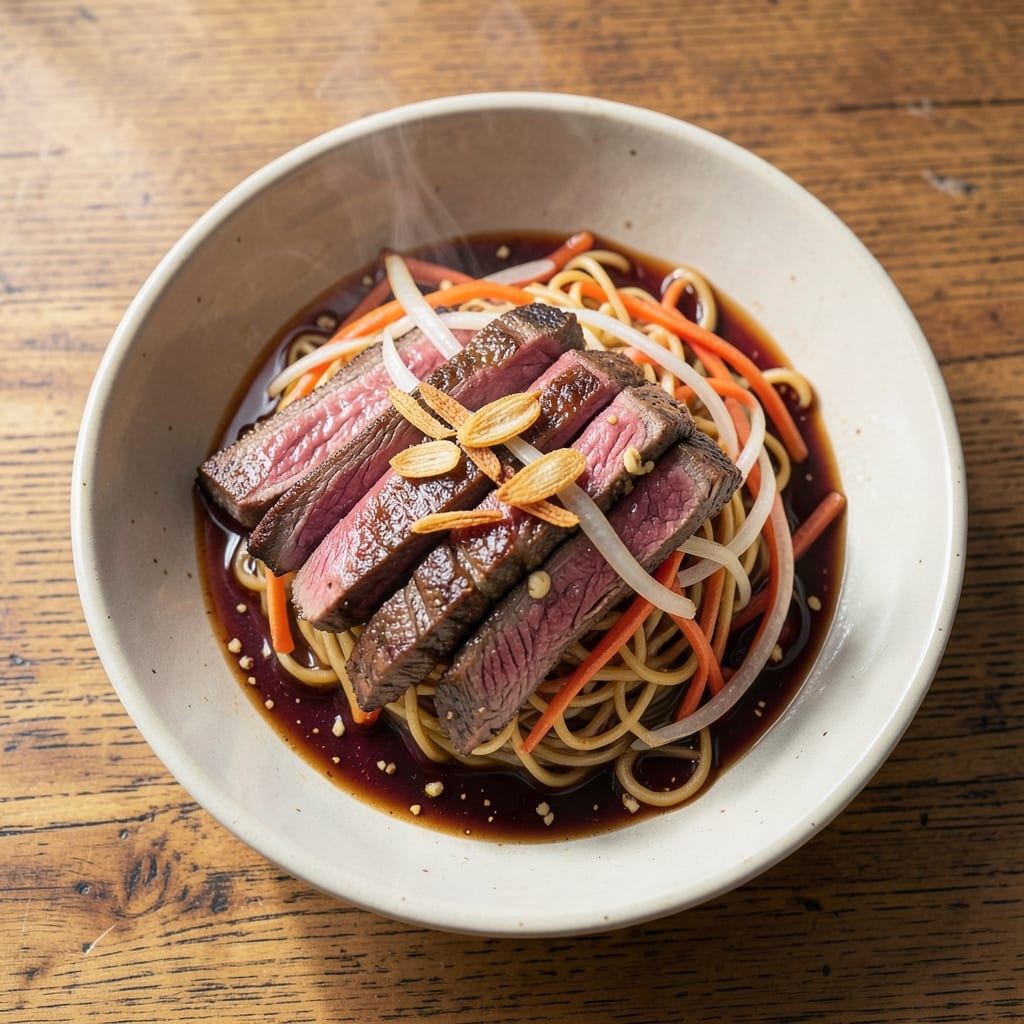
This authentic beef yakisoba recipe delivers the perfect balance of wok-seared crispy edges and a velvety, umami-rich sauce that clings to every strand of noodle. The key lies in high-heat stir-frying, where tender beef and fresh vegetables transform into a vibrant, restaurant-quality dish in under 30 minutes. I’ve refined this recipe over years of testing—no shortcuts, just the essential techniques that make yakisoba unforgettable.
The foundation starts with chewy yakisoba noodles, stir-fried until just tender, then tossed with thinly sliced beef that develops a satisfying crispy crust from the wok’s searing heat. A homemade tonkatsu-style sauce—sweet, tangy, and packed with umami—ties everything together, while quick-pickled vegetables add a bright contrast. This isn’t just a recipe; it’s a taste of Japan’s bustling izakayas, brought to your kitchen with precision and care.
What sets this apart is the crispy texture you can’t find in takeout versions. The beef is marinated in a blend of soy, mirin, and garlic, ensuring it stays juicy while developing a caramelized crust. The sauce, simmered until thick and glossy, coats the noodles perfectly, creating that signature sticky-yet-light finish. Every bite delivers layers of flavor—savory, slightly sweet, and umami-rich—without overpowering the dish.
Ready in 30 minutes, this recipe is perfect for weeknight dinners or impressing guests. Serve it with a side of steamed greens or a simple miso soup to complete the meal. The best part? It’s authentic without being complicated—just a few key techniques and quality ingredients. Let’s get cooking!
Ingredients for authentic beef yakisoba
Chewy noodles, marinated beef, and umami-packed sauce—this is your authentic yakisoba shortcut.
| Ingredient | Amount | Notes |
|---|---|---|
| Yakisoba Noodles 🍜 | 12 oz | Fresh or dried, cut into 4-inch strands |
| Ribeye Steak 🥩 | 1 lb | Thinly sliced against grain, boneless |
| Carrots 🥕 | 2 medium | Julienned into thin matchsticks |
| White Onion 🧅 | 1 medium | Thinly sliced into half-moons |
| Cabernet Sauvignon 🍷 | ¼ cup | Dry red wine for marinade |
| Mirin 🍶 | 2 tbsp | Sweet cooking rice wine |
| Soy Sauce 🥢 | ½ cup | Japanese or tamari preferred |
| Sesame Oil 🫒 | 1 tbsp | Toasted for aroma |
| Garlic Cloves 🧄 | 4 cloves | Minced for marinade |
| Ginger 🌿 | 1 tbsp | Fresh, grated finely |
| Vegetable Oil 🫒 | 2 tbsp | High smoke point for wok |
| Rice Vinegar 🍶 | 1 tbsp | For quick pickle |
| Sugar 🍚 | 1 tbsp | White granulated |
| Green Onions 🧅 | 4 whole | Thinly sliced for garnish |
| Sesame Seeds 🌱 | 1 tbsp | Toasted lightly |
The yakisoba noodles are non-negotiable—Nissin Yakisoba or Maruchan from the Asian aisle deliver that perfect chewy texture. If you're using dried noodles, soak them for 20 minutes before cooking. For the beef, ribeye or sirloin works best—thinly sliced against the grain ensures tender bites. I always grab the pre-sliced beef at H Mart or Trader Joe's to save time. The carrots and onions should be julienned into thin matchsticks for that classic yakisoba crunch. Fresh ginger and garlic are essential here—they make all the difference in the marinade's depth of flavor.
No mirin? Dry sherry plus 1 tsp sugar works in a pinch. Short on red wine? Extra soy sauce plus a splash of balsamic mimics the depth. The sesame oil is all about aroma—toast it in the pan for 10 seconds before adding other ingredients. For the quick pickle, rice vinegar and sugar is the classic combo, but apple cider vinegar with a pinch of salt gives a tangy twist. If your green onions are tough, blanch them for 30 seconds before slicing. The sesame seeds? Toast them in a dry pan until golden for maximum flavor.
This dish tastes even better the next day—reheat gently with a splash of water to restore that silky sauce. Keeps 3-4 days in the fridge, but the noodles get softer over time. For meal prep, store components separately: sauce, beef, and veggies. Assemble and stir-fry fresh for maximum crispiness. Freezes beautifully for up to 2 months—just thaw overnight in the fridge before reheating.
Why You'll Love This Recipe
- One-Pan Magic: I swear by this—just toss everything on a single skillet. The ribeye strips sear while the onions caramelize, and the noodles cook right in the same pan. No dirty dishes, no stress.
- Wine-Infused Richness: That splash of Cabernet isn’t just for show—it tenderizes the beef and adds this deep, savory depth. The steak stays juicy, the sauce gets glossy, and honestly? It tastes like you spent hours when it’s really just 20 minutes.
- Weeknight Workhorse: Between us, this is my go-to when I need something hearty but still feels special. Feed the whole family, pack leftovers for lunch, or serve it at a dinner party—no one will guess it’s this unfussy.
- Budget-Friendly Luxury: Ribeye usually feels fancy, but thinly sliced and cooked fast, it stretches further than you’d think. The veggies bulk it up, and the wine adds drama without breaking the bank. My wallet and my taste buds win.
Step-by-step instructions for authentic beef yakisoba
Here's how to achieve that perfect balance of wok-seared edges and silky sauce—just like in Japanese izakayas.
Marinate and Slice the Ribeye for Maximum Tenderness
In a small bowl, combine the 0.25 cup Cabernet Sauvignon, 2 tbsp Mirin, 1 tbsp Soy Sauce, 4 cloves Garlic Cloves (minced), and 1 tbsp Ginger (finely grated). Whisk until the sugar dissolves completely—this marinade should be smooth and glossy. Place the 1 lb Ribeye Steak in a resealable bag, pour in the marinade, and massage it into the meat. Seal the bag and refrigerate for at least 30 minutes (up to 2 hours for deeper flavor).
While it marinates, slice the steak thinly against the grain into ¼-inch thick strips. The grain direction is crucial—look for the muscle fibers and cut perpendicular to them. This ensures each bite is tender rather than chewy. Keep the sliced steak in the marinade until ready to cook.
Prepare the Yakisoba Noodles and Quick-Pickle the Vegetables
Cook the 12 oz Yakisoba Noodles according to package instructions until al dente—about 3 minutes in boiling water. Drain immediately and rinse under cold water to stop the cooking process. Toss the noodles with 1 tbsp Sesame Oil to prevent sticking and keep them separate for that signature wok-seared texture.
For the vegetables, thinly slice the 2 medium Carrots into matchsticks and the 1 medium White Onion into half-moons. In a small bowl, combine the sliced vegetables with 1 tbsp Rice Vinegar and 1 tbsp Sugar. Let them sit for 10 minutes—this quick pickle softens the vegetables slightly and adds a bright, tangy contrast to the rich beef and sauce.
Wok-Sear the Beef and Aromatics for Deep Flavor
Heat a 14-inch wok or large skillet over high heat until smoking, then add 2 tbsp Vegetable Oil. Once the oil shimmers, add the marinated Ribeye Steak strips in a single layer. Let them sear undisturbed for 1-2 minutes until the edges turn deep golden brown and crispy. Stir-fry for another 1-2 minutes until the beef is cooked through but still retains moisture. Remove the beef and set aside.
In the same wok, add the quick-pickled vegetables and stir-fry for 2 minutes until they soften slightly but still retain a crisp texture. Add the 4 cloves Garlic Cloves (minced) and 1 tbsp Ginger (finely grated), cooking for 30 seconds until fragrant. This step builds the aromatic foundation of your yakisoba.
Build the Silky Sauce and Combine Everything
Pour in the remaining 0.24 cup Soy Sauce (reserving 1 tbsp for later) and the 2 tbsp Mirin. Let the sauce simmer for 1-2 minutes until it thickens slightly and coats the back of a spoon. Add the 12 oz Yakisoba Noodles and toss everything together vigorously for 1 minute to coat the noodles evenly in the sauce. If the sauce is too thick, add a splash of hot water to loosen it.
Return the Ribeye Steak to the wok and toss everything together for 30 seconds to heat through. The beef should be hot but still tender. Taste and adjust seasoning—add the reserved 1 tbsp Soy Sauce if needed to balance the flavors. The sauce should be glossy, slightly sweet, and umami-rich.
Plate with Crispy Garnishes for Authentic Presentation
Divide the yakisoba among 4 plates, spreading the noodles and beef evenly. Drizzle with any remaining sauce from the wok. Garnish each serving with 1 tbsp Sesame Seeds (toasted lightly in a dry pan for 30 seconds until fragrant) and 1 whole Green Onion (thinly sliced) for color and freshness. The contrast of crispy sesame seeds and bright green onions elevates the dish from simple stir-fry to restaurant-quality yakisoba.
Serve immediately while everything is hot—this dish is all about the wok-seared texture and silky sauce. Each bite should deliver a perfect harmony of tender beef, crispy noodles, and that glossy, savory-sweet sauce. Don’t forget to crack open a cold beer or green tea to complement the rich flavors!
Pro Tips For Making Authentic Beef Yakisoba
- Sear the Ribeye First: Cut the ribeye against the grain into ½-inch strips, then sear them in a screaming-hot pan with just 1 tablespoon of oil for 2-3 minutes before setting aside. You’re not cooking the beef through—just building that crust that’ll melt in your mouth later. I used to toss everything in at once, and the beef ended up gray and tough. Trust me, this step changes the whole dish. ---
- Prep Onions Like a Pro: Thinly slice the white onion into half-moons (about ⅛-inch thick) and soak them in ice water for 10 minutes before cooking. This softens them just enough to caramelize faster without turning to mush. I learned this the hard way—raw onion chunks in yakisoba are a crime. ---
- Don’t Drown the Noodles: Cook the yakisoba noodles just until al dente (about 2 minutes less than the package says), then drain and rinse with cold water. Overcooking turns them to mush, and no one wants gluey yakisoba. Toss them with a splash of oil right after draining so they don’t stick together while you finish the rest. ---
- Deglaze with Wine, Not Water: After searing the beef and onions, pour in the full ½ cup of Cabernet Sauvignon and let it bubble for 2 minutes before adding anything else. The alcohol burns off, leaving behind deep, fruity notes that cut through the richness of the beef. I used to dilute it with broth, and it tasted like a sad, watered-down stew. Don’t do that.
Common mistakes when making this dish
Overcooking Noodles
Yakisoba noodles are all about that perfect chewy texture—overcooking turns them mushy. I’ve ruined more batches than I’ll admit by letting them sit in boiling water too long. Cook them for exactly the time on the package (usually 3 minutes), then drain immediately and rinse under cold water. This stops the cooking process instantly and keeps them firm. Pro tip: Toss them with 1 tbsp sesame oil right after draining to prevent sticking and maintain that wok-seared texture. 🍜
Skipping the Marinade
Thinly sliced beef is delicate—skipping the marinade means tough, dry bites. The Cabernet-mirin-soy combo isn’t just flavor; it tenderizes the meat and adds depth. I’ve learned the hard way that even 30 minutes makes a difference. Let the beef soak up the marinade for at least that long, and slice it against the grain for maximum tenderness. If you’re short on time, 15 minutes minimum still works, but you’ll lose some juiciness. 🥩
Low Heat Stir-Frying
Yakisoba is a high-heat dish—low heat = soggy noodles and dull flavors. Your wok or skillet needs to be smoking hot before adding oil. If you’re not getting that crispy edge on the beef or noodles, your heat is too low. I use a 14-inch wok on the highest burner setting, and I wait until oil shimmers before cooking. If your pan isn’t hot enough, you’ll end up with a sad, greasy mess instead of the restaurant-quality dish you’re aiming for. 🔥
Ignoring the Sauce Thickness
The sauce is the soul of yakisoba—too thin, and it’s bland; too thick, and it’s gluey. The key is simmering the sauce until it coats the back of a spoon but still flows smoothly. I usually reduce the soy-mirin mix for 1-2 minutes before adding noodles. If it’s too thick, add a splash of hot water (not cold—it’ll shock the sauce). Taste as you go: the sauce should be glossy, slightly sweet, and umami-rich, not cloying or watery. 🥢
Overcrowding the Wok
Crowding the wok steams instead of sears, killing that crispy texture we all love. I’ve made this mistake—adding too much beef or veggies at once turns the dish into a mushy stir-fry. Cook in batches if needed: sear the beef in one layer, set it aside, then stir-fry the veggies. This ensures everything gets that golden crust and stays tender. A 14-inch wok should hold half the beef at a time—don’t rush it! 🍳
Neglecting the Garnishes
Toasted sesame seeds and green onions aren’t just decoration—they add texture and freshness that balance the rich flavors. Skipping them means missing out on that crunchy contrast and vibrant color. Lightly toast the sesame seeds in a dry pan for 30 seconds until fragrant, and slice the green onions thinly. Trust me, those final touches elevate the dish from "good" to "I’d pay $20 for this at a restaurant." 🌱
Nutrition facts
Frequently asked questions
Can I use chicken or pork instead of beef?
The recipe is designed for beef, but you can substitute with chicken thigh (bone-in for flavor) or pork loin. For chicken, marinate for 45 minutes and slice thinner than beef. Pork should be sliced ¼-inch thick and marinated 30 minutes. The cooking time remains the same, but chicken may need 1 minute less to avoid drying out.
How do I make this vegetarian?
Replace the beef with extra-firm tofu (pressed and cubed) or shiitake mushrooms (sliced). Marinate the tofu in the same sauce for 20 minutes, then pan-fry until golden. For mushrooms, sauté them separately until deeply browned. Add 1 tbsp nutritional yeast to the sauce for umami depth. The texture will differ but still deliver that signature yakisoba experience.
Can I make yakisoba noodles from scratch?
Use udon or ramen noodles as a base, but adjust cooking time to 1-2 minutes less than package instructions. For authentic yakisoba texture, blend 1 cup all-purpose flour, 2 tbsp cornstarch, and ½ tsp salt with water until smooth. Roll into thin sheets, cut into strips, and cook in boiling water for 2-3 minutes. Rinse immediately in cold water to set.
What's the best way to reheat leftovers?
Reheat gently in a skillet over medium heat with 1 tbsp water to restore moisture. Stir constantly for 2-3 minutes until hot through. For microwave reheating, cover with a damp paper towel and heat for 45 seconds, then stir and repeat if needed. Avoid overcooking—noodles become mushy when reheated too long. Store leftovers for 3-4 days in the fridge.
Can I make this gluten-free?
Yes! Use tamari (gluten-free soy sauce) and gluten-free yakisoba noodles (like Sapporo or Nongshim GF versions). For the sauce, replace mirin with gluten-free sweet rice wine and ensure all ingredients (like sesame oil) are certified gluten-free. The flavor profile remains identical—just check labels carefully.