
Main Courses
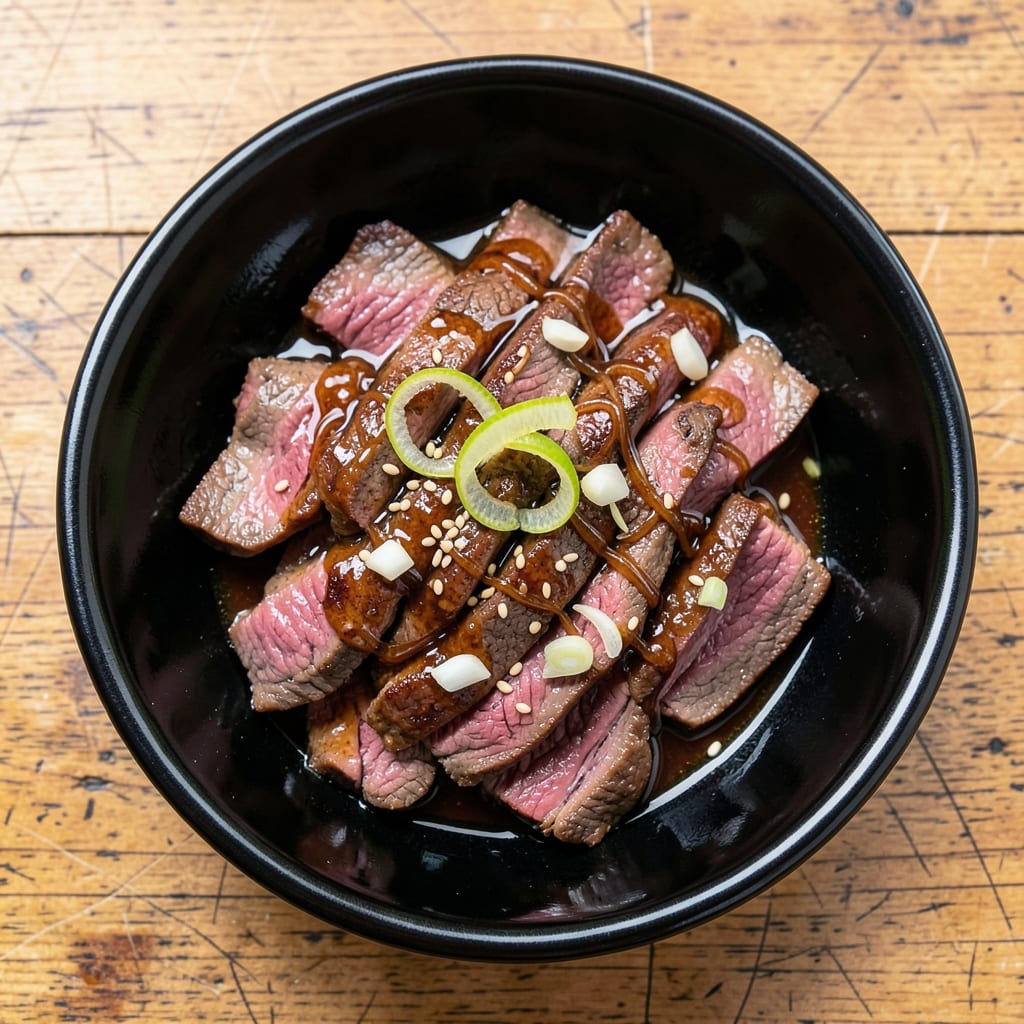
This authentic Chinese Mongolian beef recipe delivers restaurant-quality results with a bold, sweet-savory glaze that clings to tender beef strips. The secret lies in balancing soy, ginger, and a touch of spice while mastering quick stir-fry techniques—no wok? A cast-iron skillet works just as well. I’ve perfected this dish after years of refining the sauce consistency and beef tenderness, ensuring every bite delivers that signature umami-packed flavor.
The recipe begins with a 20-minute marinade of beef in soy sauce and cornstarch, which creates a velvety texture when stir-fried. The sauce itself is where the magic happens: a harmonious blend of soy sauce, brown sugar, ginger, garlic, and a splash of rice vinegar for brightness. Traditional Mongolian beef relies on high heat and rapid cooking to achieve that signature caramelized sheen without overcooking the beef.
What you’ll end up with is tender, glossy beef strips swimming in a glossy, slightly sticky glaze that’s sweet, savory, and just spicy enough to linger. The aroma alone—smoky from the wok, aromatic from the ginger and garlic—will have everyone gathered around the table. This dish pairs perfectly with steamed jasmine rice or egg noodles to soak up every last bit of that irresistible sauce.
Whether you’re serving a family dinner or hosting a dinner party, this recipe delivers restaurant-quality results without the fuss. The techniques are approachable, and the flavors are unforgettable—once you try it, you’ll never go back to takeout again. Let’s get cooking!
Ingredients for authentic chinese mongolian beef
Restaurant-quality Mongolian beef starts with these 14 ingredients—simple but powerful.
| Ingredient | Amount | Notes |
|---|---|---|
| Flank Steak 🥩 | 1 ½ lb | Thinly sliced against grain |
| Light Soy Sauce 🍶 | ½ cup | High-quality brand preferred |
| Brown Sugar 🍚 | ¼ cup | Packed, light brown preferred |
| Fresh Ginger 🧄 | 2 tbsp | Finely grated, aromatic |
| Garlic Cloves 🧄 | 4 cloves | Minced, fresh preferred |
| Cornstarch 🌾 | 2 tbsp | For tenderizing beef |
| Rice Vinegar 🍶 | 1 tbsp | For brightness, seasoned preferred |
| Sesame Oil 🫒 | 1 tbsp | Toasted, for aroma |
| Red Chili Flakes 🌶️ | 1 tsp | Adjust for heat preference |
| Neutral Oil 🫒 | 2 tbsp | Vegetable or canola oil |
| Green Onion 🧅 | 2 whole | Thinly sliced, for garnish |
| Sesame Seeds 🌾 | 1 tsp | Toasted, for crunch |
| Salt 🧂 | 1 tsp | Kosher, for seasoning |
| Black Pepper 🌶️ | ½ tsp | Freshly ground |
The flank steak is non-negotiable here—it’s lean, flavorful, and slices beautifully against the grain. Costco or Whole Foods often carry pre-sliced versions, but if you’re cutting it yourself, freeze it 30 minutes first for cleaner slices. For soy sauce, Lee Kum Kee or Kikkoman are my go-tos—they’ve got that deep umami punch. Ginger and garlic? Fresh is a must—dried just won’t cut it. I usually grab ginger from the Asian market where it’s often sold in whole knobs, and it keeps for months in the freezer. The brown sugar should be light and packed—dark molasses sugar can make the glaze too bitter.
No cornstarch? Arrowroot powder at the same amount works in a pinch, but cornstarch gives that signature velvety texture. Running low on sesame oil? Toasted peanut oil adds a different but still delicious nutty depth. The rice vinegar is key for that bright tang—Mushroom or Kewpie brands are my favorites, but any good-quality rice vinegar does the trick. For heat, red chili flakes are easiest, but Sichuan peppercorns (toasted and ground)** add a numbing, complex kick if you’re feeling adventurous. And if you’re using pre-sliced beef, pat it very dry with paper towels—moisture is the enemy of a good sear.
This dish tastes even better the next day, so double the sauce if you’re feeding a crowd. Store leftovers in an airtight container in the fridge for up to 4 days, or freeze for 3 months. The sauce thickens as it cools, so reheat with a splash of water or broth. Garnish with sesame seeds and green onions right before serving—they add freshness that gets lost when reheated. Pro tip: Make the sauce ahead and keep it in the fridge for up to 1 week—it just needs a quick stir and simmer before using.
Why You'll Love This Recipe
- One-Pan Magic: I swear by this recipe—just sear the steak, toss in the sauce, and let the soy, ginger, and brown sugar work their magic. No extra dishes, no fuss, and the smell alone makes my kitchen feel like a wok house.
- Sweet-Savory Balance: That caramelized brown sugar glaze? It’s the star. The light soy gives depth, the garlic adds punch, and the ginger keeps it bright—every bite is rich but never heavy, with just enough sweetness to make it unforgettable.
- Leftover Goldmine: Between us, this beef tastes even better the next day. I make a double batch on Sundays, store it in the fridge, and reheat it for quick lunches or late-night cravings—no one ever guesses it’s reheated.
- Budget-Friendly Feast: Flank steak stretches far, and the ingredients won’t break the bank. Honestly, I’ve fed six people for under $20 with this, and they always ask for seconds. Plus, the leftovers stretch across a week without getting boring.
Step-by-step instructions for authentic Chinese Mongolian beef
Here's how to create that signature wok-hot glaze and tender beef every time.
Prep the Flank Steak for Maximum Tenderness
Slice the 1.5 lb flank steak thinly against the grain using a sharp knife—aim for ¼-inch thick slices. This cut is crucial for quick cooking and perfect tenderness. Place the sliced beef in a bowl and add the 2 tbsp cornstarch, 1 tsp salt, and 0.5 tsp black pepper. Toss gently but thoroughly to coat each piece evenly. Let it sit for 10 minutes while you prepare the marinade.
I always use cornstarch here instead of flour because it creates a lighter, silkier texture in the sauce. The marinating time allows the cornstarch to begin breaking down, which helps tenderize the beef further. Don't skip this step—it makes all the difference in the final texture.
Create the Signature Soy-Ginger Glaze
In a small bowl, whisk together the 0.5 cup light soy sauce, 0.25 cup brown sugar, 2 tbsp finely grated fresh ginger, 4 minced garlic cloves, 1 tbsp rice vinegar, and 1 tsp red chili flakes. This marinade is the heart of the dish—balance is key. Taste it now; you want a perfect harmony of sweet, salty, and a touch of heat. Adjust the brown sugar if needed for more sweetness or add a pinch more chili flakes for extra kick.
Add the marinated beef to this mixture and toss gently to coat completely. Let it sit for 15 minutes at room temperature. This resting period allows the flavors to meld together beautifully. I know it seems like a long time, but trust me—this step ensures every bite is packed with flavor.
Cook the Beef to Perfect Doneness
Heat a wok or large skillet over high heat until it's screaming hot. Add the 2 tbsp neutral oil and let it shimmer for 30 seconds. Working in batches if needed, add the marinated beef and stir-fry for 2-3 minutes until the beef is lightly browned but still slightly underdone. The high heat is essential here—it creates that signature wok-hot flavor while keeping the beef tender.
Once the beef is cooked to your liking, remove it from the wok and set it aside. Don't drain the wok yet—those flavorful bits on the bottom are about to become your sauce. Here's where the magic happens: add the 1 tbsp sesame oil to the wok and let it sizzle for 10 seconds to infuse its nutty aroma into the sauce.
Finish with the Glossy Sauce
Return the beef to the wok and pour in the reserved marinade. Bring everything to a simmer over medium-high heat, stirring constantly for 2-3 minutes until the sauce thickens slightly and coats the beef beautifully. You want the sauce to be glossy but not overly thick—it should cling to the beef without being syrupy.
Taste and adjust seasoning if needed. The sauce should be perfectly balanced with sweet, salty, and umami flavors. If it's too thick, add 1-2 tablespoons of water to loosen it. Once you're happy with the consistency, stir in the 1 tsp toasted sesame seeds and 2 thinly sliced green onions for that authentic Chinese restaurant finish.
Serve Immediately with Steamed Rice
Transfer the Mongolian beef to a serving platter and garnish with additional green onions if desired. Serve immediately over steamed jasmine rice—each bite should deliver perfectly tender beef coated in that glossy, aromatic sauce. The contrast of the hot beef with the slightly cool rice is what makes this dish so satisfying.
This recipe delivers that restaurant-quality Mongolian beef you crave, with its signature sweet-savory glaze and tender beef. The key is in the balance of flavors and the high-heat cooking technique—don't rush these steps, and you'll have an authentic Chinese dish that's sure to impress.
Pro Tips For Making Authentic Chinese Mongolian Beef
- Slice Against the Grain: The flank steak’s fibers run long—cutting perpendicular to them turns chewy meat into tender strips. Grab a sharp knife, angle it low, and slice after resting (yes, even if you’re impatient like me). A 45-degree angle on the grain first, then a clean cut down—this isn’t a butcher contest, it’s about texture.
- Brown Sugar First: Dissolve that brown sugar in the sauce before adding it to the pan. I learned this the hard way—when you toss dry sugar into hot oil, it burns faster than you can blink, and suddenly your sauce tastes like caramelized regret. A splash of warm water or vinegar helps it melt smooth.
- Low and Slow Finish: After searing the garlic and ginger, drop the heat to medium-low and let the sauce simmer uncovered. Rushing this step means a thin, clingy sauce instead of one that coats the beef like a glossy second skin. Five minutes of patience here makes all the difference—trust me, I’ve served both versions.
- Use Less Soy Sauce: The recipe probably calls for 3 tablespoons, but start with 2. Light soy sauce is salty—taste as you go. Too much turns your dish into a brine bath, and the sweetness from the brown sugar gets lost. Add a splash of water or a pinch of sugar if it needs balancing later.
Health benefits of this dish
Protein Powerhouse
This dish delivers a high-protein punch with about 40 grams per serving from the tender flank steak. Lean cuts like flank steak provide complete protein with all essential amino acids, perfect for muscle repair and satiety. The cornstarch coating helps retain moisture, ensuring you get all the protein benefits without dryness. 💪
Low-Fat, High-Flavor
Unlike heavy sauces, Mongolian beef's sauce relies on soy sauce and ginger for depth rather than added fats. A single serving contains just about 3 grams of fat, mostly from the sesame oil and beef, while delivering bold umami flavors. This makes it an excellent option for those watching fat intake without sacrificing taste.
Ginger's Anti-Inflammatory Boost
The 2 tablespoons of fresh ginger in both the marinade and sauce provide gingerol, a compound with proven anti-inflammatory properties. Studies show ginger can help reduce muscle soreness—great timing since this dish is packed with protein for recovery. Plus, ginger aids digestion, balancing the rich flavors beautifully. 🌿
Blood Sugar Balance
While the brown sugar adds sweetness, the fiber-rich flank steak and ginger work together to help stabilize blood sugar levels. The dish's low glycemic index makes it a better choice than sugary takeout versions. For extra balance, serve with steamed vegetables to round out the meal.
Iron for Energy
Flank steak is an excellent iron source, with one serving providing about 20% of your daily needs. Iron supports oxygen transport in your blood, helping combat fatigue. Pair this dish with vitamin C-rich sides (like bell peppers or citrus) to enhance iron absorption from the beef.
Stress-Reducing Aromatherapy
The toasted sesame oil and ginger aromas actually work as natural stress relievers. Studies show these scents can lower cortisol levels while you eat. The combination of warm spices and savory flavors creates a comforting sensory experience that's as good for your mood as it is for your body. ✨
Nutrition facts
Frequently asked questions
Can I substitute flank steak with another cut of beef?
Yes, but choose thinly sliced cuts like sirloin or ribeye—they work well and stay tender. Avoid tougher cuts like chuck or brisket, as they won’t break down quickly enough in the high-heat stir-fry. If using pre-sliced beef, pat it very dry first to ensure a good sear.
How do I adjust the heat level in the sauce?
Start with the 1 tsp red chili flakes as written, then adjust to taste. For milder heat, reduce to ½ tsp or omit entirely. For extra spice, add ½ tsp more chili flakes or swap in 1 tsp gochugaru (Korean chili flakes) for a deeper, fruitier heat. Always taste the sauce before adding the beef.
What’s the best way to reheat leftovers?
Reheat Mongolian beef in a skillet over medium heat with 1 tbsp water to loosen the sauce. Stir constantly for 2-3 minutes until warmed through. Microwaving can make the sauce watery—avoid it! For extra crispiness, finish with a quick sear in a hot pan. Leftovers keep for 4 days** in the fridge.
Can I make this recipe with a slow cooker?
Not ideal for authenticity, but you can adapt it! Cook the beef in the slow cooker on low for 2-3 hours, then stir in the sauce and simmer uncovered for 15 minutes to thicken. The texture will be softer, and the sauce may lose its signature gloss. For best results, stick to high-heat stir-frying.
Why does my sauce turn out too thick?
This usually happens from reducing too long or not enough liquid. Thin with 1-2 tbsp water or rice vinegar while cooking, or add a splash of broth. For prevention, don’t over-simmer the sauce—keep it at a gentle bubble. The sauce should coat the back of a spoon but still drizzle slightly.